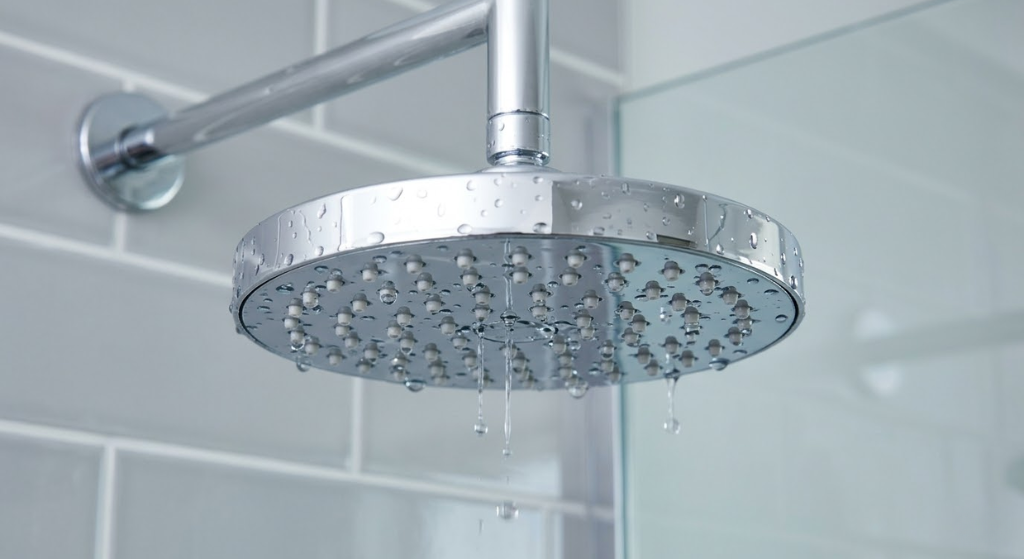
How Long Do Shower Heads Last?
Most shower heads last between 6 and 10 years under normal residential use. High-quality brass or stainless steel models can last 15–20 years with proper maintenance. Cheap plastic units may begin failing within 3–5 years, particularly in hard-water areas.
The 6–10 year range is the most cited figure among plumbing contractors and manufacturers, but it masks an enormous variation that depends almost entirely on three variables: the material the shower head is made from, the hardness of your local water supply, and how consistently you maintain it. A $30 plastic shower head in Phoenix (some of the hardest water in the US) might clog and degrade in three years. A quality brass fixture in Portland (very soft water) could outlast the bathroom renovation around it.
It’s worth noting that a shower head’s “life” has two distinct meanings. The first is functional life — when it stops delivering adequate water pressure or develops leaks that can’t be fixed. The second is performance life — when mineral buildup and nozzle clogging have degraded the spray quality enough that the shower experience is noticeably worse than it was when new. Functional death is obvious; performance degradation is gradual and often goes unnoticed until a new shower head provides a dramatic comparison.
Shower Head Lifespan by Material and Type
The material of a shower head is the strongest predictor of how long it will last — more than brand, price tier, or even maintenance habits. Here’s how the major categories compare:
| Material / Type | Expected Lifespan | Hard Water Resistance | Typical Price | Best For |
|---|---|---|---|---|
| Solid brass | 15–25 years | Excellent | $80–$400+ | Long-term install, renovation investment |
| Stainless steel | 12–20 years | Very good | $60–$250 | Modern aesthetic, corrosion resistance |
| Chrome-plated zinc | 8–12 years | Moderate | $40–$150 | Mid-range — most common type sold |
| ABS plastic (quality) | 5–10 years | Fair | $20–$80 | Budget upgrade, rental properties |
| Cheap plastic (import) | 3–6 years | Poor | $10–$30 | Temporary or low-use applications |
| Handheld (with hose) | 5–8 years | Moderate | $25–$200 | The hose typically fails before the head |
| Rain / ceiling-mount | 10–15 years | Good (if brass internals) | $80–$500+ | Larger face = more nozzles = more maintenance |
| High-pressure filtered | 5–8 years | Excellent (filter protects internals) | $40–$150 | Hard-water areas — filter replacement extends life |
🔍 The Chrome Finish Trap
Most mid-range shower heads are marketed as “chrome” — which refers to the finish, not the underlying material. A chrome-finished brass shower head lasts 15+ years. A chrome-finished plastic shower head lasts 5–8. When evaluating longevity, look past the finish to the base material listed in the product specifications. “Chrome-plated ABS” and “chrome-plated brass” look identical on the shelf and in photos, but represent a 10-year lifespan difference in practice.
The Biggest Factor: Your Water Quality
Of all the variables that determine how long a shower head lasts, water quality — specifically water hardness — has the most dramatic effect. Hard water contains dissolved minerals, primarily calcium and magnesium carbonate, that deposit on every surface they touch as water evaporates. Shower heads are particularly affected because water sits in the nozzles between uses and evaporates, leaving mineral scale behind with every cycle.
In high-hardness areas (Las Vegas, Phoenix, Houston, San Antonio, and much of the American Southwest), an unmaintained shower head can become visibly clogged within 6–12 months. The spray pattern degrades as individual nozzles clog; overall flow drops; back-pressure builds inside the head. This mineral accumulation is the primary reason shower heads in hard-water homes need replacement years earlier than the same product in soft-water areas. If you’ve noticed hard water stains in your shower, your shower head is accumulating the same deposits internally.
Low water pressure that develops over time in a shower head is almost always mineral buildup reducing flow through the nozzles — not a change in your home’s water supply. Before replacing a shower head for pressure reasons, diagnose whether it’s a water pressure problem or simply a maintenance problem that descaling can fix.
💡 Check Your Water Hardness
Your local water utility publishes annual water quality reports that include hardness data. You can also buy a $10 water hardness test strip kit online. If your water is above 180 mg/L (very hard), budget for monthly shower head descaling and consider a filtered shower head that reduces mineral content at the nozzle. Hard water doesn’t shorten the structural lifespan of a quality metal shower head — it shortens the performance lifespan by clogging nozzles faster.
6 Factors That Shorten a Shower Head’s Life
💧 Hard Water Mineral Scale
The leading cause of premature performance failure. Calcium carbonate deposits clog nozzles progressively, reducing spray quality and increasing internal pressure. Without regular descaling, a shower head in very hard water loses noticeably degraded performance within 1–2 years regardless of quality.
🔧 Over-Tightening During Installation
Shower heads are designed to be hand-tight plus a quarter turn. Using a wrench to crank them fully tight cracks the internal threading of plastic bodies or distorts metal seats, creating slow leaks that worsen over time. A leaking shower head that starts after installation is usually over-tightening damage.
🧪 Harsh Cleaning Chemicals
Bleach-based cleaners and strong acid descalers degrade chrome finishes, pit brass, and weaken rubber O-rings and nozzle seals. Over time, the finish corrodes and the internal rubber components harden and crack, causing leaks. Use diluted white vinegar or dedicated shower head cleaners instead of commercial bathroom cleaners.
🌡️ Extreme Temperature Swings
Shower heads in vacation homes or infrequently used bathrooms that experience seasonal temperature extremes (particularly freezing) are prone to cracking. Water trapped in the body expands on freezing, cracking the housing or internal components. Drain infrequently-used shower heads before periods of potential freezing.
💥 Physical Impact
Handheld shower heads dropped repeatedly on hard surfaces crack their bodies even when made from quality materials. Fixed shower heads bumped by cleaning equipment, ladders, or renovation work develop hairline cracks that slowly worsen. Physical damage to a shower head is immediate rather than gradual — inspect after any impact.
🚿 High Water Pressure
Residential water pressure above 80 psi accelerates wear on every component — O-rings, washers, internal valves, and the connection threads. Chronically high pressure eventually causes slow leaks at the connection point and stresses the internal structure. A pressure-reducing valve at the main is the right solution for whole-home pressure issues. See our guide on shower water pressure for context on what normal pressure looks like.
Shower Head Anatomy: Understanding What Fails and Why
To understand why shower heads eventually need replacement, it helps to know the internal components and how each one degrades over time. A shower head is a surprisingly complex assembly — and the failure of any single component can render the entire unit ineffective. Knowing which part has failed helps you decide whether repair or replacement is the better investment.
The Face Plate and Nozzles
The face plate is the flat or slightly concave surface covered in spray nozzles. In quality shower heads, this is typically a separate disc of metal or silicone that snaps or screws into the body. The nozzles themselves are the most failure-prone component because they are in constant contact with water and air, making them the primary site of mineral deposition. Rubber or silicone nozzles are designed to be flexed by hand to break up scale — this is why many modern shower heads advertise “self-cleaning” nozzles, which simply means the material is soft enough that running your finger across the surface clears the openings. Hard plastic or metal nozzles cannot be cleared this way and require chemical descaling.
The face plate typically lasts the lifetime of the shower head if it is metal. Plastic face plates can crack if overtightened during reassembly after cleaning. Silicone nozzle plates can degrade and tear after 8–12 years of exposure to hot water and cleaning chemicals. When the face plate itself fails — cracking, warping, or detaching from the body — replacement is almost always more practical than repair, because face plates are rarely sold as standalone replacement parts.
The Body and Internal Chamber
The body is the main housing that connects to the shower arm and contains the internal water chamber. In quality units, this is solid brass or stainless steel. In budget units, it is ABS plastic or chrome-plated zinc. The internal chamber is where water collects before being forced through the nozzles, and it is also where mineral sediment settles over time. Brass bodies are essentially indestructible under normal conditions — they do not corrode, crack from temperature changes, or degrade from chemical exposure. Plastic bodies can crack from overtightening, freeze damage, or prolonged UV exposure (in bathrooms with large windows). Zinc bodies corrode from the inside out once the chrome plating is breached, which is why chrome-plated zinc shower heads often develop leaks at the connection point after 8–12 years.
The Flow Restrictor
Since the federal Energy Policy Act, all shower heads sold in the US must include a flow restrictor that limits output to 2.5 gallons per minute (GPM) at 80 psi. This small plastic or rubber disc sits inside the connection fitting and is the first component many users remove to increase pressure. The restrictor itself rarely fails, but it can become clogged with mineral deposits, effectively reducing flow well below the intended 2.5 GPM. If your shower head has lost pressure and cleaning the nozzles doesn’t help, check the flow restrictor — it may be partially blocked. Cleaning or replacing this $2 part can restore full flow without replacing the entire shower head.
The Connection Fitting and Washer
The threaded connection at the base of the shower head screws onto the shower arm. Inside this fitting is a rubber washer (sometimes called a gasket or O-ring) that creates the watertight seal. This washer is the most common source of leaks in shower heads of any age. Rubber washers compress over time, harden with heat exposure, and eventually crack — allowing water to seep past the threads. A dripping shower head connection is almost always a washer problem, and replacement washers cost under $1 for a pack. However, on older shower heads where the body threading has corroded or been damaged by overtightening, even a new washer may not seal properly, signaling that replacement is the practical option.
The Swivel Joint (on adjustable heads)
Many shower heads feature a ball-and-socket swivel that allows angle adjustment. This joint contains a rubber seal and sometimes a brass ball. Over time, the seal degrades and the joint develops play — the head no longer holds its position and droops under the weight of water flow. On quality brass heads, the swivel joint can last 15+ years. On plastic heads, the socket can crack or the ball can wear, causing the head to become floppy and misaligned. Swivel joint failure is one of the few failures that is almost never repairable on budget shower heads, because the joint is molded as part of the body rather than assembled as a replaceable component.
The Hose (on handheld units)
Handheld shower heads add a flexible hose that connects the head to the holder. This hose is typically stainless steel coil, plastic-braided, or chrome-plated plastic. The hose is the weakest link in a handheld system — it flexes, bends, twists, and bears the weight of the head every time it is used. Stainless steel coil hoses last 5–10 years. Plastic-braided hoses last 3–6 years before developing kinks, cracks, or leaks at the fittings. The hose is also the one component most likely to be replaceable independently — most handheld systems use standard 1/2-inch hose fittings, and replacement hoses are widely available for $10–$30.
🔍 Component Failure Hierarchy
In order of most to least likely to fail first: (1) rubber washer/O-ring at connection, (2) hose on handheld units, (3) nozzle clogging from mineral buildup, (4) flow restrictor blockage, (5) swivel joint seal, (6) chrome finish degradation, (7) body cracking or internal corrosion. Understanding this hierarchy helps you diagnose problems correctly and avoid replacing a shower head when a $2 washer or 30-minute descaling would solve the issue.
8 Common Mistakes That Kill Shower Heads Early
Most premature shower head failures are caused by user behavior, not manufacturing defects. Plumbers consistently report that the shower heads they replace could have lasted years longer with different habits. Here are the eight most common mistakes that shorten shower head lifespan — and what to do instead.
1. Never Cleaning the Nozzles
The single most common mistake. Most homeowners never clean their shower head until the spray pattern is visibly degraded — at which point the mineral deposits have hardened inside the nozzle channels and may be impossible to fully remove. A 30-second wipe with your fingers across the nozzles every few weeks prevents 90% of clogging. For rubber nozzles, this flex-and-clear action is the primary maintenance the manufacturer intended. Waiting until you can see the problem means you’ve waited too long.
2. Using Bleach or Harsh Bathroom Cleaners
Many popular bathroom sprays contain sodium hypochlorite (bleach) or hydrochloric acid. These are effective on tile and glass but devastating to shower head components. Bleach attacks the chrome plating, causes pitting on brass, and accelerates the hardening and cracking of rubber O-rings and nozzle seals. Hydrochloric acid is even worse — it dissolves zinc alloys and can pit stainless steel. Use white vinegar or a citric acid solution for descaling. For surface cleaning, a damp cloth is sufficient.
3. Cranking Down with a Wrench
The shower head-to-arm connection is designed for hand-tight plus a quarter turn with a cloth-wrapped grip. Using pliers, a pipe wrench, or even an adjustable wrench to get “just a little tighter” cracks plastic bodies, distorts brass threading, and crushes the rubber washer — the very component that creates the seal. A hand-tight connection with a properly seated washer will not leak. If it does, the washer needs replacing, not more torque.
4. Ignoring the Flow Restrictor
When pressure drops, many people assume the shower head is failing and replace it entirely. Often, the flow restrictor is simply clogged with sediment. This $2 plastic disc can be removed, cleaned, and reinstalled in minutes — or replaced for pennies. Before buying a new shower head for pressure reasons, check the restrictor. Also verify the problem isn’t actually low water pressure from the supply side.
5. Leaving Hard Water Deposits to Harden
Fresh mineral deposits are soft and easily wiped away. After a few weeks, they calcite into a hard, crystalline crust that resists mechanical removal. After months, they fill internal channels and become nearly impossible to dissolve completely. The mistake isn’t having hard water — it’s ignoring it. Monthly vinegar soaks (or even monthly nozzle wipes) keep deposits in the soft, easily removable stage. Letting them accumulate for a year turns a maintenance task into a replacement situation.
6. Removing the Flow Restrictor Incorrectly
Many homeowners remove the flow restrictor to increase pressure, but do so with needle-nose pliers or sharp tools that score the inside of the connection fitting. These scratches become nucleation sites for corrosion and mineral buildup, accelerating internal degradation. If you choose to remove the restrictor, use a small flathead screwdriver to gently pry it out, and inspect the fitting for damage afterward. Better yet — clean the restrictor rather than removing it, and address the actual pressure issue upstream.
7. Ignoring Small Leaks
A shower head that drips at the connection, trickles when off, or sprays from the swivel joint isn’t just wasting water — it’s actively accelerating damage. Leaks mean water is moving where it shouldn’t, eroding seals, depositing minerals inside the body, and potentially causing hidden corrosion. A drip that seems minor today becomes a trickle in six months and a full failure in a year. Fix leaks when they start — usually with a $1 washer replacement — rather than waiting for complete failure.
8. Buying Based on Looks Alone
A beautiful shower head with chrome-plated plastic internals will fail years sooner than a plain-looking unit with brass internals. The exterior finish tells you nothing about the material that determines longevity. Always check the product specifications for the body material — not the finish material. “ABS plastic with chrome finish” and “solid brass with chrome finish” look identical in product photos but have a 10-year difference in expected lifespan. The specification section of any product listing will reveal the truth the marketing tries to gloss over.
Lifespan by Brand: What Real-World Data Shows
While material is the strongest predictor of shower head longevity, brand matters because it determines build quality consistency, material sourcing standards, and manufacturing tolerances. A “brass” shower head from an unknown import brand may use lower-grade brass alloys with higher zinc content that corrode faster than the dezincification-resistant brass used by established manufacturers. Here’s how major brands compare based on plumber reports, warranty claims data, and long-term user reviews.
| Brand | Primary Materials | Real-World Lifespan | Warranty | Price Range | Notes |
|---|---|---|---|---|---|
| Hansgrohe | Brass, stainless steel | 15–25 years | Limited lifetime | $100–$600 | German engineering; proprietary AirPower technology; parts available for decades-old models |
| Grohe | Brass, StarLight chrome | 15–25 years | Limited lifetime | $80–$500 | German; CoolTouch technology; exceptional chrome finish durability |
| Kohler | Brass, zinc, some plastic | 12–20 years | Limited lifetime | $50–$400 | American; wide range from budget to premium; excellent parts availability |
| Moen | Brass, zinc, plastic (budget lines) | 10–18 years | Limited lifetime | $30–$350 | American; lifetime warranty is very consumer-friendly; avoid their cheapest tier |
| Delta | Brass, zinc, ABS plastic | 8–15 years | Limited lifetime | $25–$300 | American; H2Okinetic technology; mid-range models best value |
| Speakman | Solid brass | 15–25 years | Limited lifetime | $60–$250 | American; hotel-industry standard; Anystream technology; virtually indestructible |
| Waterpik | Plastic, chrome-plated zinc | 5–10 years | 5-year limited | $20–$100 | Handheld specialist; hoses fail before heads; good budget option |
| High Sierra | Metal alloy (lead-free) | 10–15 years | Limited lifetime | $40–$100 | American-made; single-orifice design resists clogging; excellent for hard water |
| Hydroluxe / HotelSpa | ABS plastic, chrome finish | 4–8 years | 10-year limited | $25–$60 | Budget dual-head combos; functional but short-lived; hoses are weak point |
| Amazon Basics / Generic | ABS plastic, chrome-plated zinc | 2–5 years | 1-year limited | $10–$30 | Unknown material sourcing; inconsistent quality; no parts availability |
💡 The Brand Longevity Pattern
A consistent pattern emerges: brands that manufacture primarily in brass and stainless steel (Hansgrohe, Grohe, Speakman, High Sierra) produce shower heads that last 15+ years. Brands that use mixed materials across their product lines (Kohler, Moen, Delta) have wide lifespan ranges — their premium brass lines last 15+ years, their budget plastic lines last 5–8. The brand name alone isn’t enough; you need to check the specific model’s material specification. For a detailed comparison of how the two most popular American brands stack up, see our Delta vs Moen performance comparison.
The availability of replacement parts is another brand-level factor that affects effective lifespan. Hansgrohe and Kohler maintain parts inventories for models dating back 20+ years — if a washer, diverter, or face plate fails on a 15-year-old Hansgrohe, you can order the exact replacement part. Generic and import brands rarely offer replacement parts at all, meaning any component failure requires full unit replacement. This makes the effective lifespan of a generic brand shorter even when the structural components are still sound — a single failed washer with no available replacement forces disposal of the entire unit.
Warranty and Longevity by Manufacturer
A manufacturer’s warranty is a direct signal of how long they expect their product to last — companies don’t offer warranties that exceed their predicted failure rates without losing money. While warranty terms are legal documents full of exclusions, the general warranty tier tells you something meaningful about expected longevity.
Limited Lifetime Warranty
Hansgrohe, Grohe, Kohler, Moen, Delta, Speakman, and High Sierra all offer limited lifetime warranties on their shower heads. “Lifetime” typically means the lifetime of the original purchaser — not infinite time. These warranties cover manufacturing defects in materials and workmanship but typically exclude damage from misuse, chemical exposure, or normal wear. The real value: these brands stand behind their products and will replace defective units without much friction.
5–10 Year Warranty
Waterpik (5 years), Pulse ShowerSpas (5 years), and some Hydroluxe models (10 years) offer mid-range warranties. These warranties reflect mid-range expected lifespans and mid-range build quality. The 10-year warranty on some budget brands is often marketing optimism — the shower head may physically last 10 years, but its performance life in hard water will be significantly shorter without consistent maintenance.
1–3 Year Warranty
Generic import brands, Amazon Basics, and no-name shower heads typically offer 1-year warranties. This is a clear signal: the manufacturer does not expect the product to last beyond a few years. A 1-year warranty on a shower head that should last 10+ years is a red flag for poor material quality and manufacturing standards. These shower heads are priced low for a reason — they are built to be replaced, not maintained.
⚠️ Warranty Fine Print
Most shower head warranties exclude “normal wear” — which manufacturers broadly define as any degradation that occurs through regular use. Mineral buildup, finish wear, rubber degradation, and nozzle clogging are all classified as normal wear. The warranty effectively covers only manufacturing defects: cracks present at purchase, internal threading failures from the factory, and missing components. For practical purposes, the warranty’s greatest value is as a proxy for the manufacturer’s confidence in their product’s longevity — a company offering a lifetime warranty has engineered the product to last long enough that warranty claims won’t bankrupt them.
Health Risks of Old Shower Heads: What Research Shows
Beyond degraded performance, aging shower heads pose health concerns that most homeowners are unaware of. Research published in peer-reviewed journals has identified shower heads as significant reservoirs for bacteria and biofilm — and the problem worsens with age as internal passages become more textured from mineral deposits and corrosion.
Mycobacterium avium Complex (MAC)
A landmark study published in mBio (the journal of the American Society for Microbiology) found that shower heads harbor significant populations of Mycobacterium avium complex — bacteria linked to pulmonary infections, particularly in immunocompromised individuals. The study found that biofilm inside shower heads contained MAC concentrations 100 times higher than the surrounding water supply. Plastic shower heads harbored more bacteria than metal ones, and older shower heads with more internal mineral buildup had denser biofilm colonies. The bacteria become aerosolized during showering and are inhaled as part of the water spray — meaning the shower head is directly delivering bacteria into your breathing zone.
Biofilm Accumulation Over Time
Biofilm — the slimy matrix of bacteria, fungi, and mineral deposits that builds inside wet surfaces — develops progressively inside shower head passages. A new shower head develops minimal biofilm in the first year. By year five, internal passages have accumulated enough biofilm and mineral scale to support significant bacterial colonies. By year ten, the internal surfaces are so rough and irregular from accumulated deposits that biofilm removal through chemical soaking becomes incomplete — the bacteria have niches that vinegar cannot reach. This is one of the strongest health-based arguments for replacing shower heads on a regular schedule rather than waiting for obvious failure.
Legionella Risk
While Legionella bacteria (which cause Legionnaires’ disease) are more commonly associated with large water systems, shower heads — particularly in buildings with infrequently used fixtures — can harbor Legionella in stagnant water. The risk is highest in vacation homes, guest bathrooms used monthly, and any fixture where water sits in the head for extended periods. Running water through an unused shower head for 2–3 minutes before entering the shower flushes stagnant water and reduces exposure. Replacing old shower heads in infrequently used bathrooms eliminates the biofilm reservoir that supports Legionella growth.
Heavy Metal Leaching from Old Fixtures
Older brass fixtures (pre-2014) may contain lead in the brass alloy. While the EPA’s Reduction of Lead in Drinking Water Act mandated lead-free brass for plumbing fixtures, shower heads manufactured before this standard may leach trace amounts of lead into hot water — particularly as the internal surfaces corrode over time. Chrome-plated zinc fixtures can leach zinc as the chrome layer degrades. If your shower head is over 12 years old and the chrome finish shows visible wear, internal corrosion may be releasing metal particles into your shower water. Replacement with a modern, certified lead-free shower head eliminates this exposure.
🔍 The Health-Based Replacement Case
Even if your shower head appears to be functioning normally, the health research supports replacing it every 8–10 years as a hygiene measure. The cost of a new shower head is trivial compared to the cumulative exposure to biofilm bacteria and potential heavy metals over years of use. For households with immunocompromised members, children, or elderly residents, a more aggressive 5-year replacement cycle is worth considering — particularly for plastic shower heads, which harbor more biofilm than metal ones.
Environmental Impact and Water Waste from Old Shower Heads
An old, degraded shower head doesn’t just deliver a poor shower — it wastes water and energy in ways that compound over years. Understanding the environmental impact of an aging shower head puts the replacement decision in a broader context that goes beyond personal comfort.
Flow Rate Degradation and Water Waste
Counterintuitively, a clogged shower head doesn’t always use less water. While mineral buildup does reduce flow through the nozzles, it also creates irregular spray patterns that cause users to shower longer to rinse completely. A shower that took 7 minutes with a new head may take 10–12 minutes with a degraded one — and the user rarely notices the time extension because the poor rinse quality makes them feel like they’re not yet clean. Over a year, this 3–5 minute daily increase translates to 18–30 additional hours of water running per person. At a flow rate of 2.0 GPM (reduced from the original 2.5 GPM by partial clogging), that’s an extra 2,200–3,600 gallons of hot water annually — per person. For a household of three, the water waste from a degraded shower head can exceed 10,000 gallons per year.
Energy Cost of Heating Wasted Water
The hot water waste is the larger environmental and financial cost. Heating water accounts for roughly 18% of residential energy use — the second-largest energy expense in most homes. Every gallon of hot water that flows longer than necessary because of a degraded shower head carries an energy cost. If the extended shower time adds 5,000 gallons of hot water use per year for a household, and the cost to heat water is approximately $0.02–$0.04 per gallon (depending on local energy rates and water heater efficiency), the energy waste alone is $100–$200 annually. A new $80 shower head pays for itself in energy savings within the first year.
The Replacement vs Repair Environmental Calculus
Replacing a shower head creates waste — the old unit goes to a landfill (or occasionally a metal recycling stream for brass). However, the environmental cost of a single shower head’s disposal is negligible compared to the ongoing water and energy waste of a degraded unit. The break-even point is roughly 3 months: the water and energy savings from a new, efficient shower head offset the environmental cost of manufacturing and disposing of the old one within the first quarter of use. This makes replacement — not indefinite repair of a degraded unit — the environmentally correct choice when performance has meaningfully declined.
WaterSense and Flow Efficiency
The EPA’s WaterSense program certifies shower heads that meet specific flow efficiency criteria — currently 2.0 GPM or less, compared to the federal maximum of 2.5 GPM. WaterSense shower heads use 20% less water than standard models without noticeably reducing spray quality (they achieve this through air injection, optimized nozzle design, and pressure compensation). Replacing an old 2.5 GPM shower head that’s partially clogged (delivering maybe 1.8 GPM through an inefficient, degraded spray) with a new WaterSense 2.0 GPM model (delivering a full, optimized 2.0 GPM spray) improves your shower quality while actually using slightly more water — but using it efficiently, so you shower for less time and use less total water overall. The net effect is a shorter, better shower that uses less total water and energy.
💡 The Green Shower Calculation
If your shower head is over 8 years old and you shower daily, replacing it with a modern WaterSense model will save approximately 2,900 gallons of water and $50–$70 in water heating costs annually per person. For a household of three, that’s nearly 9,000 gallons and $150–$210 per year. The environmental case for replacement is strongest when the existing head is degraded — but even replacing a functional old head with a WaterSense model produces measurable savings that compound year after year.
7 Clear Signs It’s Time to Replace Your Shower Head
Most shower heads don’t fail dramatically — they degrade gradually until the shower experience is noticeably worse than it should be. These are the specific signs that replacement (rather than maintenance) is the right call:
-
Uneven, Weak, or Wildly Scattered Spray Pattern Some nozzles spray sideways, others don’t spray at all, and the overall coverage is patchy. This is mineral clogging in individual nozzles. Try descaling first — if the pattern doesn’t restore to near-new quality after a thorough vinegar soak, the nozzles are either permanently deformed or too degraded to recover.
-
Persistent Low Pressure Despite Descaling If you’ve descaled the shower head and the pressure remains weak, the restriction is inside the body of the head rather than in the nozzles — or the nozzles have collapsed inward from years of pressure stress. Before concluding the head is failed, check whether the problem is actually low home water pressure or a flow restrictor issue.
-
Dripping After the Water Is Off A few drips immediately after shutting off the water is normal — water draining from the arm. Sustained dripping 30+ seconds after shutoff, or dripping that restarts an hour later, indicates a failed internal check valve or worn washer. This is sometimes repairable (see Repair vs Replace below) but often signals end of useful life on an older unit.
-
Rust, Corrosion, or Discoloration Surface rust on the exterior is cosmetic but indicates the chrome finish has failed and the base metal is oxidizing. More seriously, rust-colored water from the shower head suggests internal corrosion — the kind that releases iron particles into the water you’re bathing in. Replace immediately if you see brown or rust-colored water. Learn to remove rust stains from your shower floor that these deposits leave behind.
-
Squealing, Hammering, or Unusual Noises New noises from a shower head typically indicate a damaged internal diverter or washer vibrating under water pressure. Squealing is often a degraded rubber washer; hammering or banging can be water hammer from a failing check valve. These are repairable if the head is otherwise in good condition.
-
Heavy Mineral Buildup That Descaling Can’t Shift If extended vinegar soaking (overnight) and scrubbing doesn’t meaningfully restore the spray pattern, the mineral deposits have likely hardened inside internal passages that can’t be reached with any external treatment. The head itself is also probably physically embedded in scale that’s compromising its structural integrity.
-
It’s Over 10 Years Old Even a shower head that appears functional at 10+ years has almost certainly accumulated internal scale, degraded rubber components, and has a measurably lower flow rate than a new unit. Old shower heads can also harbor Mycobacterium and other biofilm bacteria in their internal passages — a health reason to replace aging units even if they seem to be working. The EPA recommends replacement every 8 years as a general guideline.
Repair vs Replace: How to Decide
| Problem | Repair Possible? | Cost | Verdict |
|---|---|---|---|
| Clogged nozzles, weak spray | Yes — descaling | $0 (vinegar) or $5–$15 | Always try repair first |
| Dripping — worn washer/O-ring | Yes — if parts available | $5–$20 in parts | Repair if head is under 7 years old |
| Squealing or noise | Sometimes | $5–$25 in washers | Repair if head is good quality, under 8 years |
| Cracked body or housing | No — structural damage | — | Replace immediately |
| Rust or internal corrosion | No | — | Replace — health concern |
| Finish worn, corroded chrome | Cosmetically only | — | Replace if bothered by appearance |
| Low pressure from old unit | Sometimes (clean filter) | $0–$10 | Clean flow restrictor; replace if no improvement |
⚠️ The 50% Rule for Shower Head Repair
A useful plumber’s rule of thumb: if the cost of replacement parts plus your time to repair is more than 50% of the cost of a new equivalent shower head, replace rather than repair. Parts for many mid-range shower heads are not sold separately by manufacturers, making repair impossible without fabricating custom solutions. Always check parts availability before committing to repair.
When NOT to Replace Your Shower Head
Not every shower head problem warrants replacement. Plumbers report that a significant percentage of shower head replacements they perform are unnecessary — the homeowner replaced a perfectly good shower head when a simple fix would have solved the problem. Knowing when not to replace saves money and prevents premature disposal of functional fixtures.
Low Pressure After Vacation
If you return from a week or more away and notice reduced pressure, the issue is likely sediment settling in the shower head during the period of non-use. Run the shower at full pressure for 2–3 minutes to flush the system. If pressure normalizes, no action needed. If it remains low, a quick nozzle wipe or vinegar soak (2 hours) will usually restore full flow. This is not a sign of shower head failure — it’s normal behavior for any fixture that has sat unused.
Occasional Dripping After Shutoff
A few drips in the first 5–10 seconds after turning off the shower is completely normal — it’s water draining from the shower arm and the internal chamber. Only sustained dripping (30+ seconds) or dripping that restarts after a period of dryness indicates a failed component. Don’t replace a shower head for normal drain-down dripping.
White Residue on Nozzles
White mineral deposits visible on the nozzle surface are cosmetic, not functional. They indicate hard water, but they do not necessarily mean the nozzles are clogged internally. Wipe the surface deposits with a damp cloth. If the spray pattern is still strong and even, the shower head is functioning normally despite the visible mineral residue. Internal clogging — not surface deposits — is what triggers replacement.
Slightly Reduced Pressure in Year 3–5
A gradual, minor reduction in pressure over several years is normal even in soft-water areas — a small amount of mineral buildup occurs in all shower heads. Before replacing for “low pressure,” try the maintenance sequence: (1) wipe nozzles, (2) vinegar soak for 4 hours, (3) check and clean flow restrictor, (4) check home water pressure at other fixtures. Only if none of these restore adequate pressure is the shower head itself the likely cause.
The key distinction is between problems that are fixable with maintenance and problems that indicate structural failure. Mineral clogging is fixable. Washer failure is fixable. Flow restrictor blockage is fixable. Cracked bodies, corroded internals, and permanently deformed nozzles are not fixable. Always attempt the maintenance fix before committing to replacement — many shower heads that owners have written off as “dead” respond dramatically to a thorough descaling.
Maintenance That Doubles Your Shower Head’s Life
The difference between a shower head that lasts 6 years and one that lasts 12 is almost entirely maintenance — specifically, how consistently mineral scale is removed before it hardens inside the nozzles and internal passages. The good news: proper shower head maintenance takes about 15 minutes, costs essentially nothing (white vinegar), and only needs to happen monthly in hard water areas or every 2–3 months in soft water areas.
📅 Monthly (Hard Water) / Quarterly (Soft)
Quick nozzle wipe: run your fingers across all nozzles while water is flowing to break up any developing mineral deposits. For rubber/silicone nozzles, this is all that’s needed monthly. The tactile flex of rubber nozzles is specifically designed to allow this manual clearing between deep cleans.
📅 Every 3–6 Months: Vinegar Soak
Fill a plastic bag with undiluted white vinegar and secure it around the shower head with a rubber band so the face is fully submerged. Leave for 2–8 hours (overnight for heavy scale). Remove, run water at full pressure for 30 seconds to flush, and wipe the nozzles clean. This is the single highest-impact maintenance action for shower head longevity.
📅 Annually: Full Disassembly Clean
Remove the shower head completely from the arm. Disassemble the face plate if the design allows. Soak all components in vinegar for several hours. Use a toothpick or small brush to clear any remaining scale from individual nozzles. Inspect the connection washer and replace if cracked or compressed. Check and clean the flow restrictor. Reinstall with fresh plumber’s tape.
🧼 What NOT to Use
Avoid bleach, commercial bathroom spray cleaners (especially those with HCl), and any abrasive scrubbers on the shower head face. These accelerate finish degradation and attack the rubber nozzle material. White vinegar is genuinely the best descaler for shower heads — effective on calcium carbonate, safe for all materials, and costs almost nothing. For stubborn scale, citric acid solution works better than vinegar without any additional material risk.
How to Descale a Shower Head: Step-by-Step
- Prepare the solution: Fill a zip-lock bag or container with undiluted white vinegar (5% acidity). For severe scale, dissolve 2 tablespoons of citric acid powder in 2 cups of warm water instead.
- Submerge the shower head face: If still attached to the arm, use a large zip-lock bag filled with vinegar and secure it around the arm with a rubber band so the entire face is covered. If removed, place the head in a bowl of vinegar face-down.
- Soak for 2–8 hours: Light scale — 2 hours. Moderate scale — 4–6 hours. Heavy buildup — overnight (8–12 hours). Do not use vinegar on brass or gold-plated finishes for more than 30 minutes — the acidity can dull these finishes over extended exposure.
- Remove and scrub nozzles: Use an old toothbrush on the face of the shower head, paying attention to individual nozzle openings. A toothpick works well for clearing individual clogged nozzles.
- Flush thoroughly: Run water at full pressure for 60 seconds to flush all loosened scale through the system before your next shower. This prevents you from showering with dislodged mineral particles.
- Reassess: If the spray pattern hasn’t significantly improved after a thorough overnight soak, the scale is inside the internal passages (not just on the nozzle face) or the nozzles themselves are deformed. At this point, replacement is more effective than further cleaning.
If you’re struggling with hard water scale throughout the bathroom — not just the shower head — our guide on removing hard water stains from the shower covers the full approach, and our best shower squeegees for hard water covers the daily prevention routine that stops scale from building up in the first place.
Year-Round Shower Head Maintenance Schedule
Maintenance only works when it happens consistently. This month-by-month schedule takes the guesswork out of shower head care and is calibrated for both hard-water and soft-water households. Print it, save it, or set calendar reminders — the 15 minutes per session is the highest-return maintenance investment in your bathroom.
| Month | Hard Water (180+ mg/L) | Moderate (60–180 mg/L) | Soft Water (<60 mg/L) |
|---|---|---|---|
| January | Nozzle wipe + visual check | Visual check only | Visual check only |
| February | Nozzle wipe | Nozzle wipe | No action |
| March | Vinegar soak (4 hrs) | Nozzle wipe | Visual check only |
| April | Nozzle wipe | Visual check only | No action |
| May | Nozzle wipe | Nozzle wipe | No action |
| June | Vinegar soak (4 hrs) + washer check | Vinegar soak (4 hrs) | Nozzle wipe |
| July | Nozzle wipe | Visual check only | Visual check only |
| August | Nozzle wipe | Nozzle wipe | No action |
| September | Vinegar soak (4 hrs) | Nozzle wipe | No action |
| October | Nozzle wipe | Visual check only | No action |
| November | Nozzle wipe | Nozzle wipe | No action |
| December | Full disassembly + annual deep clean | Vinegar soak (4 hrs) + washer check | Vinegar soak (4 hrs) |
💡 The December Deep Clean
Regardless of your water hardness, perform a full disassembly clean every December. Remove the shower head, soak all components in vinegar for 4–6 hours, inspect the washer, clean the flow restrictor, clear individual nozzles with a toothpick, and reinstall with fresh plumber’s tape. This annual deep clean catches problems before they become replacement situations and gives you a clear view of the shower head’s internal condition. If you notice significant corrosion, cracked rubber components, or nozzle deformation during this annual inspection, start shopping for a replacement before the unit fails at an inconvenient time.
Hard Water Solutions: Protecting Your Shower Head from Scale
Living in a hard-water area doesn’t condemn you to replacing shower heads every few years. Several effective solutions exist — from simple in-shower filters to whole-home water treatment — each with different costs, effectiveness levels, and maintenance requirements. Choosing the right approach depends on your water hardness level, budget, and whether you want to protect just the shower or your entire plumbing system.
In-Shower Head Filters
Inline shower filters attach between the shower arm and the shower head and contain a filter cartridge (typically KDF-55, calcium sulfite, or activated carbon) that reduces chlorine, heavy metals, and some mineral content. These filters cost $20–$60 for the unit and $10–$25 for replacement cartridges every 6–12 months. They are effective at reducing chlorine (which damages rubber components) and heavy metals, but they do not meaningfully reduce water hardness — calcium and magnesium pass through most inline filters largely unchanged. Where inline filters excel is in protecting the rubber components (O-rings, nozzle seals, washers) from chlorine degradation, extending the rubber’s useful life by 2–3 years. For actual hardness reduction, a different approach is needed.
Filtered Shower Heads
Some shower heads incorporate filtration directly into the head itself — combining the filter and shower head in a single unit. These typically use a multi-stage filter (KDF + calcium sulfite + activated carbon) that reduces chlorine, chloramine, and some dissolved solids. The filter cartridge needs replacement every 6–8 months depending on water quality and usage. Filtered shower heads are particularly effective at preventing the rubber degradation that chlorine causes, and they can reduce the rate of mineral buildup on the nozzle face — though they don’t eliminate it entirely. For households in hard-water areas who want to minimize maintenance without installing a whole-home system, a filtered shower head with a regular replacement cartridge schedule is the most practical single-point solution. Our guide on how to increase shower water pressure discusses filtered options that don’t sacrifice flow.
Whole-Home Water Softeners
A whole-home ion-exchange water softener is the definitive solution for hard water. These systems replace calcium and magnesium ions with sodium ions, effectively reducing water hardness to near zero throughout the entire home. The cost is significant — $1,500–$4,000 installed — but the benefits extend far beyond the shower head to every water-using appliance, fixture, and pipe in the home. Water softeners eliminate mineral buildup on shower heads entirely, extend the life of water heaters by 30–50%, reduce soap and detergent use, and prevent scale accumulation in pipes that can restrict flow over decades. For homes with very hard water (above 250 mg/L), a water softener is the single most impactful home improvement investment for plumbing longevity. The shower head benefit alone doesn’t justify the cost, but the whole-home benefit almost always does.
Shower Head Descaling Frequency by Hardness
| Water Hardness | Descaling Frequency | Soak Duration | Expected Head Lifespan |
|---|---|---|---|
| Soft (<60 mg/L) | Every 6–12 months | 2–3 hours | 12–20 years |
| Moderate (60–120 mg/L) | Every 3–4 months | 3–4 hours | 8–15 years |
| Hard (120–180 mg/L) | Every 2–3 months | 4–6 hours | 6–10 years |
| Very Hard (180–250 mg/L) | Monthly | 6–8 hours | 4–8 years |
| Extremely Hard (>250 mg/L) | Every 2–3 weeks | Overnight | 3–5 years |
🔍 The Hard Water Brand Strategy
If you live in a very hard water area and don’t plan to install a water softener, choose a shower head specifically designed to resist clogging. High Sierra’s single-orifice design has no small nozzle openings to clog. Speakman’s Anystream technology uses larger individual spray channels that resist mineral blockage. Rubber/silicone nozzle designs (found on many Delta and Moen models) can be manually cleared by flexing. Avoid shower heads with many tiny nozzle openings — they clog fastest in hard water. Fewer, larger spray openings are more resistant to mineral buildup and easier to clean when it does occur.
Cost-Per-Year Analysis: Is a Premium Shower Head Worth It?
The upfront price of a shower head tells you very little about its true cost. The meaningful number is cost-per-year of useful life — and when you calculate it, the math often favors the more expensive option. This analysis uses real-world lifespan data and current pricing to show what you actually pay per year of shower use at each price tier.
| Category | Typical Price | Expected Lifespan | Cost Per Year | Replacements in 20 Years | Total 20-Year Cost |
|---|---|---|---|---|---|
| Cheap plastic | $15 | 4 years | $3.75/yr | 5 units | $75 |
| Mid-range plastic | $40 | 7 years | $5.71/yr | 3 units | $120 |
| Chrome-plated zinc | $80 | 10 years | $8.00/yr | 2 units | $160 |
| Quality brass | $150 | 18 years | $8.33/yr | 1–2 units | $150–$300 |
| Premium brass | $300 | 22 years | $13.64/yr | 1 unit | $300 |
The surprise in this data is that mid-range plastic and chrome-plated zinc have higher cost-per-year than quality brass. The cheap plastic option has the lowest cost-per-year on paper ($3.75) — but this doesn’t account for the inferior shower experience, the hassle of repeated replacements, the risk of mid-cycle failure, and the ongoing water waste from degraded performance in the final year or two before each replacement. When you factor in the time cost of shopping for replacements, the water waste from degraded spray patterns, and the energy cost of extended shower times, even the cheapest shower head is more expensive than it appears.
The sweet spot for most homeowners is the $80–$150 range — quality brass or stainless steel models from established brands. These deliver the best balance of upfront cost, longevity, performance consistency, and parts availability. Below $80, you’re primarily paying for materials that will need replacement sooner. Above $200, you’re paying for design aesthetics, brand prestige, and features (multiple spray patterns, air injection technology) that are valuable but don’t significantly extend the shower head’s functional life.
💡 The $100 Rule of Thumb
If you plan to stay in your home for more than 5 years, spend at least $100 on your shower head. A $100 brass unit from Kohler or Delta will outlast two $40 plastic units, deliver a consistently better shower throughout its life, and cost less in total over any time horizon longer than 5 years. If you’re in a rental or plan to move within 3 years, the $30–$50 range makes more sense — you won’t be there long enough to benefit from the premium unit’s longevity.
Water Pressure and Shower Head Longevity: The Hidden Connection
Your home’s water pressure affects how long your shower head lasts in ways that aren’t immediately obvious. Both too-high and too-low pressure create conditions that accelerate component failure — and the relationship between pressure and lifespan is not linear. Understanding this connection helps you protect your investment and troubleshoot problems correctly.
High Pressure: The Silent Killer
Residential water pressure should ideally sit between 40 and 60 psi. Many municipal systems deliver pressure well above this range — particularly homes at the bottom of hills, near pumping stations, or in areas with older infrastructure that hasn’t been updated for modern demand patterns. Pressure above 80 psi is considered excessive by plumbing codes and accelerates wear on every component in the water system, including shower heads.
At high pressure, rubber washers and O-rings compress more tightly and deform faster. The internal valve mechanisms in multi-setting shower heads experience greater force on every transition. The nozzle seals — the tiny rubber interfaces where nozzles meet the face plate — are stressed beyond their design tolerance. Chronically high pressure can reduce a shower head’s effective lifespan by 30–40% compared to the same unit operating at normal pressure. If you hear banging in your pipes (water hammer) when you turn off the shower, or if your shower head develops leaks at the connection within the first 2–3 years, your water pressure may be too high. A pressure-reducing valve (PRV) at the main water line is the proper fix — and it protects every fixture in the home, not just the shower.
Low Pressure: Indirect Effects
Low water pressure (below 40 psi) doesn’t directly damage the shower head, but it creates indirect effects that can shorten its useful life. Users in low-pressure homes frequently remove flow restrictors, subject the shower head to more frequent descaling attempts (and the chemical exposure that comes with them), and may replace functional shower heads prematurely because they believe the head is the problem. Low pressure also means mineral deposits are not flushed from the nozzles as effectively — the weaker flow doesn’t carry away loose particles, allowing them to settle and harden. If your home has genuinely low pressure, a pressure-compensating shower head designed for low-pressure environments is a better investment than repeatedly replacing standard heads that can’t deliver adequate performance below 40 psi. Our guide to diagnosing low shower pressure helps determine whether the issue is the shower head or the supply.
The Pressure-Longevity Sweet Spot
The ideal water pressure for shower head longevity is 50–60 psi — high enough to flush mineral particles from the nozzles during use, low enough to avoid stressing seals and internal components. If your pressure is in this range, and you maintain the shower head with regular descaling, you’ll get the maximum lifespan from the materials. Testing your home’s water pressure requires a $10 pressure gauge that attaches to any hose bib — a worthwhile investment that informs decisions about every water appliance in the home.
⚠️ Pressure Spikes vs Sustained High Pressure
Occasional pressure spikes (when the washing machine fills, when neighbors aren’t using water, during overnight municipal pumping cycles) are normal and don’t meaningfully affect shower head lifespan. The concern is sustained pressure above 80 psi — consistent high readings at all times of day. Test your pressure at different times: morning, midday, evening, and late night. If readings are consistently above 80 psi, install a PRV. If they fluctuate between 40 and 80 psi, the variation is normal and your shower head will be fine.
DIY vs Professional Installation: What You Need to Know
Replacing a shower head is one of the simplest plumbing tasks in a home — and one of the few that genuinely requires no special tools, no plumbing knowledge, and no professional help. Understanding the installation process helps you do it correctly (avoiding the overtightening and tape errors that cause most post-installation leaks) and know when a situation actually does require a plumber.
The 10-Minute DIY Installation
A standard shower head replacement requires exactly three things: the new shower head, a roll of plumber’s tape (Teflon tape), and a cloth or rag. Here’s the process: (1) unscrew the old shower head by hand — turn counterclockwise while holding the shower arm steady with your other hand to avoid bending it. If it’s stuck, wrap the connection with a cloth and use adjustable pliers gently — never use pliers on the shower arm itself. (2) Clean the shower arm threads with a rag, removing old plumber’s tape and any mineral deposits. (3) Wrap 3–4 turns of new plumber’s tape clockwise around the threads (looking at the end of the arm). (4) Hand-tighten the new shower head onto the arm, then give it a quarter turn with a cloth-wrapped grip. (5) Turn on the water and check for leaks. If it leaks at the connection, tighten another quarter turn. The entire process takes under 10 minutes.
Common Installation Errors
The most common mistake is not using plumber’s tape — or using it incorrectly. The tape fills the microscopic gaps between the male and female threads, creating a watertight seal. Without it, the only seal is the rubber washer, which may not be sufficient if the threads are worn or slightly mismatched. Wrapping the tape in the wrong direction (counterclockwise) causes it to bunch and tear when the head is threaded on, creating leaks rather than preventing them. Always wrap clockwise when looking at the end of the arm. The second most common error is overtightening — as covered above, hand-tight plus a quarter turn is the specification. More than that risks cracking, thread distortion, and washer damage.
When You Need a Plumber
Most shower head replacements don’t need a plumber. Situations that do: (1) the shower arm itself is broken, corroded, or stuck in the wall fitting — replacing a shower arm requires access to the pipe behind the wall or a specialized extraction tool. (2) You want to move from a wall-mount to a ceiling-mount rainfall system — this requires new plumbing routing inside the wall. (3) The wall fitting is leaking behind the escutcheon plate — this indicates a pipe joint failure, not a shower head problem. (4) You have an unusual connection size (3/4-inch or metric) that requires adapters. For standard 1/2-inch connections — which cover 95% of residential showers in the US — DIY installation is straightforward and risk-free.
🔍 The Plumber’s Tape Test
After installing a new shower head, run the shower for 30 seconds and inspect the connection point. A properly installed shower head will show zero water at the connection — not a single drop. If you see any moisture, turn off the water, remove the head, add 2 more wraps of plumber’s tape in the correct direction, and reinstall. This takes 2 minutes and solves 95% of connection leaks. If the leak persists after proper taping and hand-tightening, the washer may be defective or the threads may be damaged — try a new washer before concluding the shower head or arm is at fault. If you’re also noticing leaks from the shower head itself, the issue may be internal rather than at the connection.
Shower Arm Compatibility and When to Replace It
The shower arm — the pipe that extends from the wall and holds the shower head — is often overlooked in shower head discussions, but it directly affects installation, performance, and longevity of any replacement head you buy. Understanding shower arm types, compatibility, and condition assessment prevents installation surprises and ensures your new shower head performs as designed.
Standard Sizes and Thread Types
The overwhelming majority of residential shower arms in the US use a 1/2-inch NPT (National Pipe Thread) connection. This is the universal standard that virtually every shower head sold in North America is designed to fit. If your home was built or renovated in the last 50 years, your shower arm is almost certainly 1/2-inch NPT. The only exceptions are some very old homes (pre-1970) with 3/8-inch connections, some imported fixtures with BSP (British Standard Pipe) threads, and some commercial installations with 3/4-inch connections. In these rare cases, thread adapters are available for $5–$10.
Shower Arm Styles
Standard shower arms extend 6–12 inches from the wall at a slight upward angle (typically 10–15 degrees). This is the default that most shower heads are designed around. Extended shower arms (12–18 inches) are used to position rain shower heads further from the wall for better coverage. Gooseneck or S-shaped arms raise the shower head height by 6–12 inches — useful for tall users or when installing a rain shower head. Dual-outlet arms split the flow to two shower heads (fixed plus handheld) from a single wall connection. Any of these styles use the standard 1/2-inch NPT connection and accept any standard shower head.
When the Shower Arm Needs Replacing
Shower arms last much longer than shower heads — typically 20–30 years — but they do eventually need attention. Replace the shower arm if: (1) the threads are corroded or stripped — this causes persistent leaks at the connection that plumber’s tape can’t fix. (2) The arm is visibly corroded or has mineral buildup that won’t clean off. (3) The arm bends or flexes when you tighten the shower head — this indicates weakened metal that may snap. (4) You’re upgrading to a significantly different style (standard to gooseneck, for example) to improve shower head positioning. Replacement shower arms cost $8–$25 and install by unscrewing the old arm from the wall fitting (counterclockwise) and screwing in the new one with plumber’s tape. This is still a DIY job in most cases — the wall fitting is accessible without opening the wall.
💡 The Shower Arm Inspection
Every time you replace your shower head, spend 30 seconds inspecting the shower arm. Look for corrosion on the threads, mineral deposits that won’t wipe off, any flex or play when you grip the arm, and any moisture or staining on the wall around the escutcheon plate (the decorative disc where the arm enters the wall). A healthy shower arm should be rigid, clean-threaded, and show no moisture at the wall connection. If the arm needs replacing, do it at the same time as the shower head — you’ll already have the connection apart, and the combined job takes 15 minutes total. Our rainfall shower head installation guide covers arm selection for overhead installations.
Upgrading vs Replacing Like-for-Like: When to Level Up
When a shower head fails, the default response for most homeowners is to buy the same type of shower head at a similar price point. But a failing shower head is also an opportunity — often the only time you’ll think about your shower fixture for another decade — to meaningfully improve your daily shower experience. Here’s when upgrading makes sense versus when a straightforward replacement is the right call.
When to Upgrade
Upgrade your shower head — don’t just replace it — when any of these apply: (1) you’ve been in the home for 3+ years and haven’t changed the shower head. The one that was installed before you moved in was likely chosen for cost, not quality, by a builder or previous owner. (2) You’re renovating the bathroom. If you’re replacing tile, vanity, or fixtures, the shower head should be part of the renovation — matching new fixtures looks intentional and polished. (3) Your water pressure needs have changed. If you’ve added a water softener, your pressure needs are different than when the old head was chosen. (4) You’ve experienced a specific shower head limitation — poor coverage, no handheld option, inadequate pressure — that you’ve been tolerating but never liked. (5) Your household has changed — a new baby means you need a handheld for rinsing; aging parents moving in means you need adjustable height.
When to Replace Like-for-Like
Replace with the same type when: (1) you were completely satisfied with the shower experience and only need a new unit because of age or failure. (2) You’re in a rental and need a functional replacement without investing in upgrades you won’t benefit from. (3) Budget constraints make a premium upgrade impractical right now. (4) The existing setup (wall mount, standard height, single head) works perfectly for your household. There’s nothing wrong with buying the same shower head again — if it served you well for 10 years, buying the same model (or its current equivalent) is a proven strategy.
Upgrade Paths That Deliver the Most Impact
Fixed → Dual System
Adding a handheld shower head to your fixed head (dual combo) is the single most versatile upgrade. The handheld adds targeted rinsing, pet washing, child bathing, and shower cleaning capabilities. Our dual shower head guide covers the best options across price tiers.
Standard → Rain Shower
A larger rain shower head (8+ inches) transforms the shower from a functional rinse into a full-body experience. Requires adequate water pressure (50+ psi) and ideally a ceiling-mount or gooseneck arm for proper positioning. See our rainfall shower system guide.
Plastic → Brass
Stepping up from a plastic or zinc shower head to solid brass is a material upgrade that pays dividends in longevity, spray consistency, and build quality. The shower experience improves noticeably — brass heads produce a more coherent, consistent spray pattern due to the rigidity of the internal chamber.
How to Get a Hotel-Quality Shower at Home
The “hotel shower” feeling that people love isn’t magic — it’s the result of three specific engineering choices that hotels make and most homeowners don’t: high-flow shower heads (often 2.5 GPM with no further restriction), consistent high water pressure maintained by commercial building systems, and premium shower head construction (typically Speakman or Grohe). Replicating this at home is straightforward and doesn’t require a renovation budget.
The Three Elements of a Hotel Shower
Pressure: Hotels maintain water pressure at 50–65 psi throughout the building, with booster pumps on upper floors. Your home likely has similar incoming pressure, but it may be reduced by old pipes, partially closed valves, or a clogged shower head. Check your static pressure with a gauge. If it’s below 50 psi, investigate whether the main shutoff valve is fully open, whether old galvanized pipes are restricting flow, or whether a pressure-reducing valve is set too low. If pressure is genuinely below 40 psi and can’t be improved, a pressure-compensating shower head designed for low-pressure environments can make the most of what’s available. Our guide to increasing shower water pressure covers every possible solution.
Shower Head Quality: Hotels predominantly use Speakman Anystream (the iconic hotel shower head), Grohe, or Hansgrohe — all solid brass construction with engineered spray patterns. The Speakman Anystream 2000 or 2500 is the most common hotel shower head in the US and costs $60–$120 for residential versions. It delivers a full, drenching spray with excellent pressure feel even at moderate flow rates. For a rain experience, Grohe’s Euphoria or Hansgrohe’s Raindance lines are hotel standards.
Flow Rate: Many hotels use shower heads at or slightly above the 2.5 GPM federal maximum — and some older hotels still have pre-restriction heads delivering 3+ GPM. For residential use, the legal maximum is 2.5 GPM at 80 psi, and WaterSense models deliver 2.0 GPM. If you want the fullest possible flow within legal limits, choose a 2.5 GPM head and ensure your flow restrictor is clean and unobstructed. Removing the flow restrictor is technically a violation of federal regulations, though enforcement is essentially nonexistent at the residential level.
🔍 The Hotel Shower Head Model
The single most common shower head in American hotel chains (Hampton Inn, Holiday Inn Express, Courtyard by Marriott) is the Speakman Anystream S-2005-HB or its variants. This $70–$90 brass shower head delivers the exact spray pattern and pressure feel that people associate with “a good hotel shower.” Installing one in your home is the closest you can get to the hotel experience without changing anything else about your plumbing. It lasts 15–20 years with minimal maintenance — hotels replace them on a 7–10 year cycle only because of the extreme usage volume, not because the heads have failed.
Commercial-Grade Shower Heads for Residential Use
Commercial shower heads — designed for hotels, gyms, and institutional settings — are engineered for a fundamentally different use case than residential heads. A hotel shower head might be used 5–10 times per day, 365 days per year, by hundreds of different people. This extreme usage demands materials and construction that far exceed what residential use requires. But that over-engineering translates directly to longevity in a home setting — a commercial-grade shower head in a residential bathroom is operating well below its design capacity and can last decades.
What Makes Commercial Grade Different
Commercial shower heads use thicker wall construction, heavier brass alloys, more robust thread fittings, and more durable rubber components than their residential counterparts. The internal chambers are designed for higher flow rates and more frequent thermal cycling (rapid temperature changes as different users adjust the water). The spray mechanisms are simpler — often a fixed spray plate rather than adjustable settings — because simplicity equals reliability in high-use environments. The chrome plating on commercial-grade heads is typically thicker and more resistant to chemical cleaning products that hotels use daily.
Top Commercial-Grade Options for Home Use
Speakman Anystream Series
The gold standard of commercial shower heads. The Anystream technology uses a series of adjustable jets that rotate between intense, massage, and combination spray patterns. Solid brass construction, self-cleaning jets, and a design that hasn’t fundamentally changed in 40 years because it doesn’t need to. Residential models ($60–$150) are identical to commercial versions except for packaging. Expected lifespan in residential use: 20–30 years.
Symmons Temptrol
Another hotel industry workhorse. The Temptrol pressure-balancing valve and matching shower head system is designed for institutional longevity. The shower head itself is solid brass with a self-cleaning spray plate. Widely available through plumbing supply houses. Expected residential lifespan: 15–25 years.
Bradley Corp Showers
Bradley manufactures for gyms, schools, and athletic facilities — environments that are even harsher than hotels. Their residential-compatible shower heads are heavy-gauge brass with vandal-resistant features (set screws, tamper-proof connections) that translate to exceptional durability in home use. Less common in retail channels but available through commercial plumbing suppliers.
The main trade-off with commercial-grade shower heads is aesthetics and features. They tend to look utilitarian rather than decorative, and they rarely offer the multiple spray settings, pause buttons, or air-injection technology found on premium residential heads. If your priority is longevity and consistent performance over design features and spray variety, a commercial-grade shower head is the most durable option available. For most homeowners, the sweet spot is a residential model from a brand with commercial roots — Speakman, Grohe, or Hansgrohe — that brings commercial-grade materials into a residential design package.
Shower Head Noise: Diagnosis, Repair, and Prevention
A shower head that has suddenly started making noise — squealing, whistling, hammering, or rattling — is trying to tell you something. These sounds are symptoms of specific mechanical issues, and diagnosing them correctly determines whether a simple repair will fix the problem or whether the shower head is approaching end of life.
Squealing or Whistling
A high-pitched squeal or whistle that occurs when the shower is running is almost always caused by a degraded rubber washer or O-ring vibrating against a metal surface under water pressure. The rubber hardens over time from heat and chemical exposure, losing its dampening properties. When water flows past the hardened rubber, it vibrates at audible frequencies. Fix: remove the shower head, inspect the connection washer and any internal O-rings, and replace any that are hard, cracked, or deformed. A $2 pack of assorted O-rings from any hardware store will have the correct size. This repair extends the shower head’s useful life by years — the noise itself is not a sign of structural failure.
Hammering or Banging
Water hammer — a loud bang or series of bangs when the shower is turned off — is caused by the sudden stop of water flow creating a pressure shockwave in the pipes. While this is primarily a plumbing system issue (addressed with water hammer arrestors on the supply lines), it can be worsened by a failing check valve inside the shower head. Some shower heads include a built-in backflow preventer or check valve that can stick or fail, contributing to hammer. If the noise is specific to the shower (not heard at other fixtures), inspect the shower head’s internal check valve. If damaged, replacement is usually more practical than repair.
Rattling or Vibrating
A rattling sound from the shower head during use typically indicates a loose internal component — a detached face plate, a loose flow restrictor, or debris inside the body. Remove the shower head and shake it gently — if you hear something moving inside, disassemble the face plate and remove the loose component. In some cases, a small piece of mineral scale has broken free from the internal walls and is rattling inside the chamber. Flushing the head under a faucet usually dislodges it. If the rattling is from a loose face plate, check the retaining clip or screw that holds it in place — these can work loose over time, especially on shower heads that are regularly removed for cleaning.
Hissing
A constant hissing from the shower head when the water is on — distinct from the normal sound of water spray — usually indicates a small leak or crack in the body or face plate that is allowing water to escape as a fine mist. Inspect the shower head body carefully for hairline cracks, particularly around the connection fitting, the swivel joint, and the face plate retaining ring. Hissing from a crack is a structural failure that cannot be repaired — the shower head needs replacement. However, hissing can also be caused by a partially clogged flow restrictor creating turbulence — clean the restrictor first before concluding the body is cracked.
💡 The Noise Diagnosis Flowchart
Squealing/whistling during use → replace washers and O-rings (repairable). Banging when turning off → check for water hammer arrestors; inspect internal check valve (sometimes repairable). Rattling during use → remove and flush loose debris; check face plate attachment (usually repairable). Hissing during use → inspect for cracks; clean flow restrictor (replace if cracked). In all cases, try the simplest fix first — most shower head noises are caused by components that cost under $5 to replace.
Eco-Friendly and Water-Saving Shower Heads: Do They Last Longer?
The eco-friendly shower head market has grown significantly as water conservation becomes a priority in drought-prone regions. But beyond their water-saving claims, do these shower heads offer longevity advantages? The answer is nuanced — some water-saving technologies genuinely extend shower head life, while others are neutral or even detrimental to long-term durability.
Types of Water-Saving Technology
Air-injection shower heads (Grohe AirPower, Hansgrohe EcoRight) mix air into the water stream, creating larger, fuller-feeling droplets that use less water. The air injection mechanism adds a moving part — an air intake valve — that can theoretically fail, but in practice these systems are extremely reliable because the air intake is passive (no motor or active component). The reduced water flow means less mineral-laden water passes through the nozzles per shower, slowing the rate of mineral buildup. Air-injection heads tend to maintain their spray quality longer than standard heads of equivalent material quality.
Flow-restricted shower heads (the standard approach) simply use a smaller orifice or a mechanical restrictor to limit flow to 2.0 GPM or less. The restrictor itself is a simple, failure-resistant component. However, in hard-water areas, the restrictor becomes a collection point for mineral deposits, and a partially clogged low-flow restrictor can reduce output to an unsatisfying trickle. The fix is the same as for standard restrictors — periodic cleaning or replacement of the $2 part.
Laminar-flow shower heads produce individual streams of water rather than a fine spray, reducing the mist that evaporates before reaching your body. This technology is particularly effective at saving water because it delivers more water to the body per gallon used. Laminar-flow heads typically have larger individual nozzle openings that resist clogging better than the many small openings of a traditional spray head. This can translate to better long-term performance in hard-water environments.
WaterSense Certification and Longevity
The EPA’s WaterSense label certifies shower heads that deliver 2.0 GPM or less while meeting specific performance criteria (spray force, spray coverage, and flow consistency). WaterSense shower heads are independently tested for durability — the certification process includes accelerated life testing that subjects the head to thousands of thermal cycles and pressure variations. While WaterSense certification doesn’t guarantee a longer lifespan than a non-certified head of equivalent material quality, it does mean the product has passed engineering tests that verify basic durability standards. In practice, WaterSense-certified heads from established brands tend to be mid-to-premium quality products — the certification self-selects for manufacturers who invest in engineering and testing.
The Environmental Longevity Balance
From an environmental perspective, the longest-lasting shower head is the most eco-friendly — regardless of its flow rate. A 2.5 GPM brass shower head that lasts 20 years creates less environmental impact (manufacturing, shipping, disposal) than a 1.5 GPM plastic shower head replaced every 5 years. The ideal is a high-quality, WaterSense-certified shower head that combines low flow with long life — but if forced to choose between flow rate and longevity, longevity is the more environmentally significant factor. Our shower water pressure guide discusses the flow-vs-pressure tradeoffs in detail.
Optimal Water Pressure for Shower Head Longevity
We’ve discussed how high pressure damages shower heads and how low pressure creates indirect problems. This section provides the specific pressure targets and testing procedures to ensure your shower head operates in the range that maximizes its lifespan while still delivering a satisfying shower experience.
The Ideal Pressure Range
The optimal residential water pressure for shower head longevity is 50–60 psi. This range provides enough force to flush mineral particles from nozzles during normal use, maintain consistent spray patterns across all nozzle openings, and deliver a satisfying shower experience without stressing internal components. Below 40 psi, mineral flushing is inadequate and spray quality suffers. Above 70 psi, rubber seals begin to deform faster than they should, and above 80 psi, accelerated wear on all components becomes significant.
How to Test Your Water Pressure
Testing requires a simple pressure gauge — available at any hardware store for $8–$15 — that threads onto a hose bib (outdoor faucet). Attach the gauge, ensure no other water is running in the house, and open the faucet fully. The reading is your static pressure — the pressure in your system when no water is flowing. Test at multiple times of day: morning (when neighborhood demand is high), midday (typically lowest demand), and late evening (when demand drops and municipal pressure may spike). If all readings are between 40 and 80 psi, your pressure is acceptable for shower head longevity. If readings exceed 80 psi consistently, install a pressure-reducing valve (PRV) at the main water line — this $150–$300 installed device protects every fixture in the home.
Dynamic vs Static Pressure
The pressure gauge reading is static pressure — what’s in the pipes when nothing is running. Dynamic pressure — what you get when the shower is actually flowing — is always lower, because the flowing water loses energy to friction in the pipes. The difference depends on pipe diameter, length, and condition. In a home with 1/2-inch supply pipes and long runs, dynamic pressure at the shower can be 15–25 psi lower than static pressure. This means a home with 55 psi static pressure may deliver only 30–40 psi at the shower — which is on the low end. If your static pressure is 50–60 psi but your shower feels weak, pipe diameter and condition (rather than supply pressure) are the likely culprits. Upgrading to 3/4-inch supply pipes to the bathroom is the permanent fix — but it’s a renovation-level project, not a shower head issue.
🔍 Pressure Testing as Maintenance
Test your water pressure once a year as part of your annual shower head deep clean. Pressure characteristics change over time — municipal system upgrades, neighborhood development, and seasonal demand patterns all affect what arrives at your home. A home that was at 55 psi three years ago might be at 70 psi today if the utility upgraded pumping equipment, or at 40 psi if a new development is drawing more from the same supply. Annual testing lets you catch pressure changes before they damage fixtures or degrade shower quality.
When Replacement Is Actually an Upgrade Opportunity
A failing shower head is one of the easiest and most impactful bathroom upgrades available. The installation is a 10-minute DIY job requiring no special tools (see our guide on installing a rainfall shower head for the process), and the difference between a 10-year-old clogged shower head and a modern quality fixture is dramatic — both in pressure feel and spray quality.
If your shower isn’t getting hot enough or you’re dealing with chronically low pressure, replace the shower head first before assuming the problem is upstream in the plumbing — a new shower head with a cleaned or removed flow restrictor often solves both issues immediately. And if you want to explore the full range of how to increase shower water pressure, replacing the head is always the first recommended step.
Best Replacement Shower Heads: Where to Start
🏆 Best Overall: Rainfall System
A ceiling-mounted or extended-arm rainfall shower head transforms the shower experience completely. Our best rainfall shower system guide covers the top performers — brass internals, wide coverage, and consistent pressure across all nozzles. Expected lifespan with maintenance: 12–15 years.
🏆 Best Dual System
A dual shower head combo — fixed rain head plus handheld — covers every showering scenario and is the most practical upgrade for shared bathrooms. See our best dual shower head combos for tested recommendations across budget tiers. The handheld hose usually wears before the heads.
🏆 Best for Low Pressure
If your home has genuinely low incoming water pressure, a pressure-compensating shower head redesigns flow to maximize the feel of available pressure. Our best electric shower for low water pressure and pressure diagnosis guide help you find the right solution for your specific situation.
For a full comparison of the top brands — including how Delta vs Moen perform head-to-head, and how Hansgrohe, Grohe, and Kohler compare in real-world testing — our complete shower head buyer’s guide covers every major category with tested picks.
Frequently Asked Questions
The EPA recommends replacing your shower head every 8 years as a general guideline. In practice, a quality metal shower head with regular maintenance can last 15+ years; a budget plastic unit in hard water may need replacement in 3–5 years. Replace based on performance (degraded spray, leaks, corrosion) rather than on a fixed schedule.
Most residential shower heads last 6–10 years under normal conditions. High-quality solid brass models can last 15–25 years with proper maintenance. Budget plastic shower heads typically last 3–6 years, especially in hard-water areas where mineral buildup accelerates performance degradation.
Gradual pressure loss in a shower head is almost always mineral scale clogging the nozzles — not a change in your home’s water supply. Try descaling with a vinegar soak first. If pressure doesn’t improve after descaling, the restriction is inside the internal passages. Check whether the flow restrictor is blocked or if the issue is actual low water pressure from the supply side.
Yes — solid brass shower heads from quality manufacturers (Hansgrohe, Grohe, Kohler, Moen) can last 20+ years with regular descaling. The structural components — the brass body, the connection threads — are essentially indefinitely durable. What degrades is the rubber nozzle material and internal O-rings, which can be replaced. In soft-water areas with consistent maintenance, a quality brass shower head is effectively a permanent fixture.
Yes — significantly. The shower head is the final flow point in your water delivery system, and its nozzle design, flow restrictor, and internal condition all affect the perceived pressure at the spray. A clogged or worn shower head can feel like half the pressure of the same water supply through a new head. Many “low pressure” problems are actually shower head problems, solvable with a new unit or a thorough descaling.
For most homeowners, yes. A quality shower head in the $80–$200 range (brass internals, multiple spray settings, quality nozzles) will outlast 3–4 cheap plastic units across the same time period, and provide a noticeably better daily shower experience throughout. The cost-per-year of a $150 shower head used for 15 years ($10/year) is lower than the cost-per-year of three $40 plastic heads replaced every 5 years ($8/year) — and the daily experience is meaningfully better.
Yes — research has shown that shower heads harbor biofilm bacteria including Mycobacterium avium complex (MAC), which can cause pulmonary infections. Older shower heads with more mineral buildup provide more surface area for bacterial colonization. Plastic shower heads harbor more bacteria than metal ones. Replacing shower heads every 8–10 years as a hygiene measure is supported by the research, and immunocompromised individuals should consider a 5-year replacement cycle.
Almost all residential shower heads in the US use a standard 1/2-inch NPT (National Pipe Thread) connection. This is universal — any shower head sold at a hardware store or online retailer will fit any standard shower arm. The only exceptions are very old homes (pre-1970s) with non-standard connections, which can be adapted with a $5 fitting. When buying, focus on the spray face size (3–5 inches for standard, 8+ inches for rainfall) rather than the connection size.
Generally no — and for reasons beyond regulations. Flow restrictors are engineered to work with the shower head’s spray pattern design. Removing the restrictor from a head designed for 2.0 GPM can create an unbalanced, oversaturated spray that actually feels worse, not better. If your pressure is genuinely low, address the cause (partially closed valves, old pipes, supply issues) rather than removing the restrictor. If the restrictor is clogged, clean it rather than removing it. The one exception: if you’ve verified that your supply pressure is adequate and the shower head specifically feels weak, cleaning or replacing the restrictor (not removing it entirely) is the proper fix.
Filtered shower heads are effective at reducing chlorine, heavy metals, and some volatile organic compounds from shower water. They are less effective at reducing water hardness — calcium and magnesium pass through most inline filters. The primary benefit for shower head longevity is chlorine reduction, which extends the life of rubber components by 2–3 years. For actual hardness reduction, a whole-home water softener is necessary. Filtered shower heads need cartridge replacement every 6–8 months, which adds $20–$40/year in ongoing costs.
The primary differences are material (plastic vs brass), spray engineering (basic holes vs precision-machined nozzles), finish durability (thin chrome vs multi-layer PVD coating), and warranty (1 year vs lifetime). A $200 brass shower head will deliver a consistently better spray pattern, last 3–5x longer, and maintain its appearance and performance throughout its life. A $20 plastic head will work adequately when new but degrade faster and need replacement sooner. The daily shower experience difference is noticeable from day one — the longevity difference compounds over years.
A standard shower head uses 2.5 gallons per minute (GPM) at 80 psi — the federal maximum. A WaterSense-certified head uses 2.0 GPM or less. An older, pre-regulation head might use 3.5–5.0 GPM. For a typical 8-minute shower, a 2.5 GPM head uses 20 gallons; a 2.0 GPM head uses 16 gallons. Over a year of daily showers, switching from 2.5 to 2.0 GPM saves approximately 1,460 gallons per person — enough to fill a small above-ground pool.
Yes — in almost all cases. The shower head screws onto the shower arm independently. You can replace the head without touching the arm, and you can replace the arm without touching the head. The only time you need to address both is if the arm threads are corroded or damaged (which you’ll discover when you remove the old head), or if you’re changing the installation type (wall-mount to ceiling-mount, standard to gooseneck). For a straightforward head replacement, the arm stays in place and the new head threads right on.
A few drips in the first 5–10 seconds after shutoff is normal — it’s water draining from the shower arm and the shower head’s internal chamber. This is gravity, not a leak. However, sustained dripping (30+ seconds), dripping that restarts after the head appears dry, or a constant trickle when the shower is off indicates a failed washer, worn O-ring, or faulty internal check valve. The washer replacement is a 2-minute fix costing under $1. If the dripping persists after washer replacement, the internal valve or seal has failed and the shower head likely needs replacement.
Both are excellent materials for shower head longevity, with lifespans of 15–25 years. Brass has a slight edge in corrosion resistance and is the traditional choice for premium fixtures. Stainless steel is harder and more resistant to physical damage but can pit in extremely chlorinated water. Brass is more malleable, allowing more precise nozzle machining for better spray patterns. Stainless steel is lighter, which matters for handheld heads. For a fixed shower head, brass is marginally superior; for handheld, the weight advantage of stainless steel is worth considering. Both are dramatically better than plastic or chrome-plated zinc.
Three strategies work in combination: (1) wipe rubber nozzles with your finger every few weeks to prevent mineral accumulation in the soft stage. (2) Soak in white vinegar every 2–3 months (monthly in very hard water areas). (3) Consider a filtered shower head or inline filter that reduces mineral content at the point of use. For the most complete protection, a whole-home water softener eliminates hardness entirely. Without any maintenance, a shower head in very hard water (250+ mg/L) can become noticeably clogged within 6–12 months. With consistent monthly nozzle wiping and quarterly vinegar soaks, the same head can maintain good performance for 5–8 years.
The Bottom Line on Shower Head Lifespan
Most shower heads last 6–10 years — but the range runs from 3 years (cheap plastic in hard water, no maintenance) to 20+ years (quality brass, consistent descaling, soft water). The biggest lever you have over lifespan is maintenance: a quarterly vinegar soak costs nothing and can add years to any shower head’s performance life. The second biggest lever is material selection: buying a brass or stainless steel shower head rather than a plastic one is a decision that pays for itself in longevity within the first replacement cycle.
If your shower head is showing any of the seven replacement signs above — or is simply over 10 years old — the upgrade is one of the easiest and most impactful improvements you can make to your daily shower experience.
Browse Our Best Shower Heads →