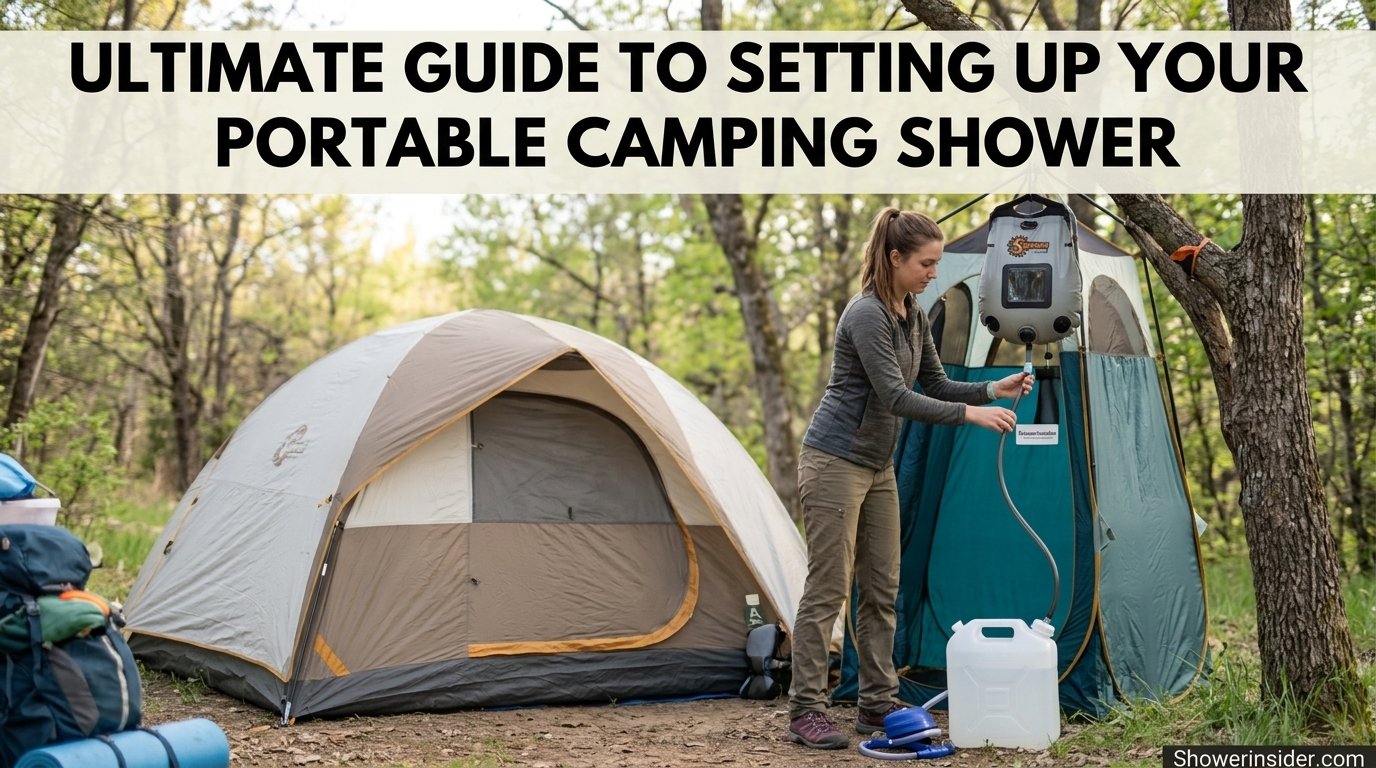
Camping Shower Setup: The Complete Guide to Washing Up Anywhere
There’s a particular kind of relief that comes after three days on the trail, standing barefoot on a folded towel, finally rinsing the dust and sunscreen off your skin. That relief doesn’t happen by accident — it happens because someone planned ahead. A good camping shower setup turns “roughing it” into something you can actually enjoy for more than a weekend, and it doesn’t require a plumber, a generator, or a small fortune.
This guide walks through every piece of the puzzle: choosing the right shower type, building the setup step by step, picking a shower tent or privacy solution, keeping water warm, and troubleshooting the problems that inevitably show up the first few times you use it. Whether you’re outfitting a car camping trip, a van build, or a basecamp for a multi-day backpacking loop, you’ll find a configuration here that fits.
1. Choosing the Right Camping Shower for Your Trip
Before buying anything, it helps to be honest about how you actually camp. Someone who car-camps at a state park for a weekend has very different needs than someone doing a two-week van trip through the desert. There are four broad categories of camping showers, and each one shines in a different scenario.
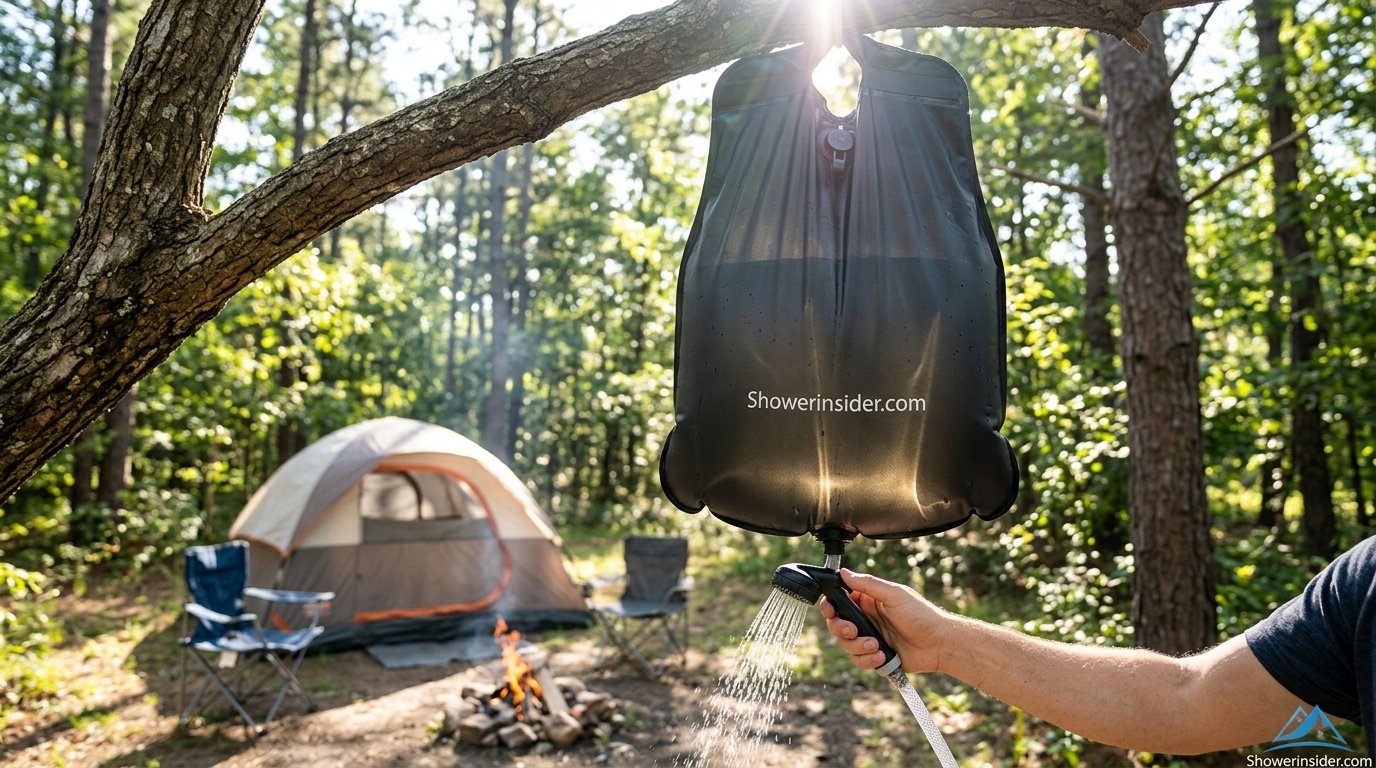
Solar Camping Shower Bags
These are the classic black or dark-colored bags you hang in direct sunlight for a few hours to warm the water inside. They’re inexpensive, packable, and require zero batteries or fuel. The tradeoff is that water pressure relies entirely on gravity, so the height you hang the bag determines your flow rate. If you want a deeper breakdown of the best options on the market, our best camping shower bag guide compares capacity, durability, and nozzle quality across the top picks.
Battery-Powered Portable Showers
These use a small submersible pump connected to a battery pack, dropped into any bucket or container of water, to push water through a hose and handheld nozzle. They give you far more consistent pressure than gravity-fed bags and work regardless of sunlight, which makes them the most popular choice for serious campers.
Propane or Fuel-Heated Showers
These systems heat water on demand using a small propane burner, similar in concept to a tankless water heater. They deliver genuinely hot water in any weather, which is a big deal for cold-season camping, but they add weight, cost, and the need to manage fuel safely.
Gravity-Fed Bucket Showers
The simplest possible setup: a bucket with a valve or shower head fitting mounted at the bottom, hung from a tree branch or shower tent frame. No pump, no battery, no fuel — just physics.

Check Price on Amazon
2. Full Camping Shower Gear Checklist
Once you’ve settled on a shower type, the rest of the setup revolves around a fairly predictable list of supporting gear. Here’s what most functional setups have in common.
- Water reservoir (bag, bucket, jerry can, or built-in tank)
- Pump or gravity valve and hose
- Shower head or nozzle attachment
- Privacy enclosure — a portable shower tent or improvised tarp wall
- Ground mat or quick-dry shower floor
- Towel, biodegradable soap, and a mesh bag to keep toiletries organized
- Water heating method (solar, propane burner, or pre-heated water from camp stove)
- Drainage plan (more on this below)
Quick Reference: What Fits Which Trip
| Trip Type | Best Shower Style | Setup Time | Approx. Water Use |
|---|---|---|---|
| Weekend car camping | Battery pump + bucket | 5–10 min | 2–4 gallons |
| Backpacking basecamp | Solar shower bag | 2–3 min | 2–3 gallons |
| Van life / overlanding | Built-in tank + pump | Instant | 5–10 gallons |
| Cold-weather camping | Propane on-demand heater | 5–15 min | 3–5 gallons |
3. Step-by-Step: How to Set Up a Camping Shower
Here’s a practical, repeatable process that works for most bag-and-pump or bucket-and-pump setups, which cover the majority of what campers actually use.
Step 1 — Pick and Level Your Site
Choose flat ground at least 200 feet from any lake, stream, or water source to avoid contaminating it with soap runoff. Level ground keeps your reservoir stable and prevents your privacy tent from leaning.
Step 2 — Fill and Position Your Water Reservoir
Fill your bag, bucket, or tank with clean water. If using a solar bag, lay it in direct sun for two to three hours before your shower. If using a bucket-and-pump setup, position the bucket somewhere stable and slightly elevated.
Step 3 — Attach the Pump or Valve and Hose
Submerge the pump intake fully in the water, connect the hose to the outlet, and clip or screw on your shower head attachment. For gravity bags, simply confirm the valve at the bottom is closed before hanging.
Step 4 — Hang or Mount at the Right Height
For gravity systems, height equals pressure — hang bags 7 to 8 feet up for the strongest flow. For pump systems, place the reservoir on the ground and run the hose up to a hook or shower tent frame.
Step 5 — Set Up Your Privacy Enclosure
Pop up your shower tent or string a tarp between two trees. Place a quick-dry mat or towel on the ground inside so you’re not standing directly in mud.
Step 6 — Test the Water Before You Commit
Run the pump or open the valve briefly to check temperature and flow before stepping in fully undressed. This is also the moment to double-check the hose connections aren’t leaking at the joints.
4. Heating Water for Your Camping Shower
Cold showers are tolerable in July and miserable in October. There are three realistic ways campers heat water in the field, and each has a different balance of convenience and effort.
Solar Heating
The cheapest option by far — a black bag left in full sun for a few hours can reach comfortably warm temperatures. It’s weather-dependent, though, and won’t do much on an overcast day.
Stove-Heated Water
Boiling a portion of your water on a camp stove and mixing it back into the reservoir is a reliable, low-tech method that works in any weather, provided you have enough fuel.
Propane Tankless Heaters
These deliver the most consistent hot water and are worth the investment for cold-weather trips or basecamp setups where multiple people will be showering.

Check Price on Amazon
5. Privacy Tents & Enclosures
Even at a quiet, remote site, most people want at least a thin wall between them and the world. A dedicated portable shower tent pops up in under a minute and typically includes a mesh roof vent, an interior pocket for toiletries, and a floor to keep your feet off dirt.
If you’d rather improvise, a tarp strung between two trees with guy lines works fine for a weekend, though it won’t hold up as well in wind. Whichever route you choose, staking down the base is what actually prevents the whole thing from collapsing mid-shower.
Pros of a Dedicated Shower Tent
- Sets up and packs down in minutes
- Built-in floor keeps feet clean
- Ventilated to reduce condensation
Cons of a Dedicated Shower Tent
- Extra item to pack and carry
- Needs solid ground stakes in wind
- Higher upfront cost than a tarp
6. Getting Better Pressure & Flow
Weak flow is the single most common complaint with camping showers, and it’s almost always fixable. Gravity systems depend entirely on hang height — every extra foot noticeably improves pressure. Pump systems depend on battery charge and how clean the intake filter is; a clogged filter starves the pump even with fresh batteries.
If you’re used to a home shower, a lot of these same principles carry over. Our guides on fixing low shower water pressure and understanding why shower head pressure drops cover mineral buildup and nozzle restriction issues that also apply to portable shower heads used repeatedly in hard water areas.
7. Water Drainage & Leave No Trace
Where your gray water goes matters, both for the environment and for the site you’ll return to next season. The standard low-impact approach is to shower at least 200 feet from any water source, use only biodegradable, phosphate-free soap, and let runoff soak into soil or catch it in a basin to pack out in developed areas.
A simple gravel-filled sump pit dug beneath your shower spot will absorb gray water quickly and prevent standing puddles, which also cuts down on mosquitoes.
8. Van Life & Overlanding Shower Setups
For anyone living out of a van or building an overlanding rig, a permanent or semi-permanent shower setup makes sense. This usually means a fixed water tank (10 to 20 gallons), a 12V diaphragm pump wired to the vehicle’s battery, an inline water heater, and either an interior wet-bath or an exterior fold-out shower with a privacy tent.
The main design decision is whether to shower inside the van (requires proper drainage and ventilation) or outside using a slide-out shower head mounted to the rear door, which is simpler to build but weather-dependent.
9. Cleaning & Maintenance for Longevity
Camping shower gear sits wet and warm between trips, which makes it a magnet for mold and mildew if it isn’t dried and stored properly. Rinse the bag or reservoir with clean water after every trip, let it air dry fully inside out, and store it loosely rather than tightly rolled while still damp.
If you notice a musty smell creeping in even after cleaning, the troubleshooting steps in our musty shower smell guide apply just as well to portable reservoirs as they do to home shower stalls — it usually comes down to trapped moisture in a seam or fold.
| Component | After Every Trip | Monthly (Heavy Use) |
|---|---|---|
| Water bag / reservoir | Rinse & air dry | Deep clean with diluted vinegar |
| Pump | Flush with clean water | Check intake filter |
| Shower head | Wipe dry | Soak to clear mineral buildup |
| Hose | Drain fully | Inspect for cracks |
10. Troubleshooting Common Problems
Water Isn’t Getting Warm Enough
Check that the bag is facing full, direct sun and isn’t shaded by tree cover for part of the day. If you’re relying on a propane heater and the water still runs cold, the issue may mirror what’s covered in fixing a shower with no hot water — often a fuel flow or ignition issue rather than the heater itself.
Pressure Feels Weak or Inconsistent
Inspect the nozzle for debris or mineral scale, and confirm the pump’s batteries are fresh. Persistent weak flow even with a new pump can point to a partially blocked hose.
Musty or Sour Smell From the Bag
This is almost always residual moisture trapped in folds. A full air-dry before storage, plus an occasional vinegar rinse, resolves it in most cases.
Shower Tent Won’t Stay Upright
Wind is the usual culprit. Stake all four corners into firm ground and, if possible, add a guy line to a nearby tree or vehicle for extra stability.
11. Camping Shower Type Comparison
| Type | Pressure | Heat Source | Cost | Best For |
|---|---|---|---|---|
| Solar Bag | Low (gravity) | Sunlight | $ | Backpacking, budget trips |
| Battery Pump | Medium-High | Pre-heated or ambient | $$ | Car camping, families |
| Propane Heater | High | Propane, on-demand | $$$ | Cold weather, groups |
| Van/Overland Tank | High | 12V inline heater | $$$$ | Long-term travel |
12. Budget vs Premium Setup Recommendations
A workable budget setup — a solar bag, a length of paracord, and a tarp — can run under $40 total and still deliver a genuinely satisfying rinse on a sunny afternoon. Stepping up to a battery pump and dedicated shower tent typically lands in the $80–$150 range and dramatically improves consistency. Full propane or van-integrated systems start around $200 and climb from there, but they’re the only realistic option for reliable hot water in cold months.

Check Price on Amazon
Frequently Asked Questions
How much water do I need per camping shower?
Most people find 2 to 4 gallons enough for a quick, efficient rinse-and-wash. Group trips with multiple showers a day should plan closer to 5 gallons per person.
Do solar shower bags actually get hot?
Yes, in full direct sun a black solar bag can reach comfortably warm — sometimes uncomfortably hot — temperatures within two to three hours.
How do I keep bugs out of my camping shower area?
Choose a spot away from standing water, use a mesh-topped shower tent, and avoid letting gray water pool on the ground, since standing puddles attract mosquitoes.
Can I use regular soap in a camping shower?
It’s best to use biodegradable, phosphate-free soap so runoff doesn’t harm nearby soil or waterways, especially if you’re showering close to a campsite others will use later.
What size battery pump do I need?
A standard USB-rechargeable pump rated for 1–2 gallons per minute is sufficient for most single-person showers and typically runs 20–40 minutes per charge.
How far from camp should I set up my shower?
At least 200 feet from any water source, and ideally with some natural screening like brush or trees for privacy, even inside a shower tent.
Can I shower in cold weather camping?
Yes, but a propane-heated system or pre-boiled water is strongly recommended, since a gravity bag alone won’t stay warm long in cold air.
How do I stop my camping shower from smelling musty?
Always air dry the bag fully inside out before packing it away, and rinse it with clean water after every trip to prevent residue buildup.
Is a shower tent worth buying, or can I improvise?
A dedicated tent is faster to set up and more wind-resistant, but a tarp strung between two trees works fine for occasional weekend trips.
Can I build a permanent camping shower for a van?
Yes — a fixed tank, 12V pump, and inline heater is a common van-life build, either plumbed to an interior wet-bath or an exterior fold-out shower head.
Conclusion
A camping shower setup doesn’t need to be complicated to be effective. Start with the basics — a reliable water reservoir, a pump or gravity valve, and some kind of privacy enclosure — and build up from there based on how often you camp and how much comfort matters to you. Whether that means a $30 solar bag hung from a tree branch or a fully plumbed van build, the goal is the same: feeling clean, refreshed, and ready for the next day outdoors.

Shop Camping Showers on Amazon