
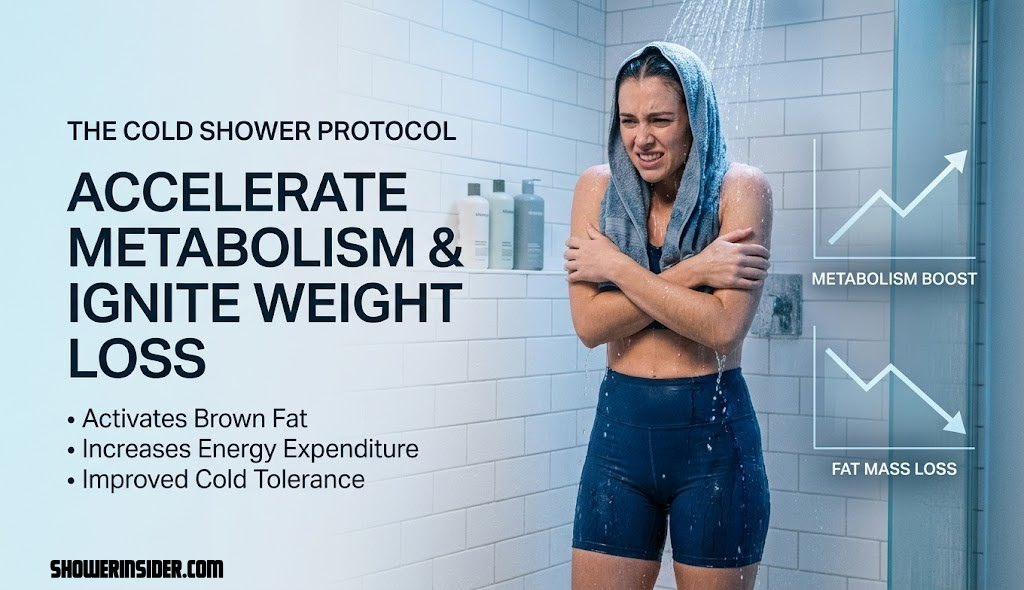
Benefits of Cold Showers for Weight Loss: What Science Actually Says
A deep dive into brown fat activation, metabolism, appetite control, and how to safely build a cold-shower habit that supports your weight-loss goals.
What Cold Showers Actually Do to Your Body
Cold showers have moved well beyond the realm of cold-plunge influencers and Scandinavian folklore. Over the last decade, researchers have taken a genuine interest in what happens physiologically when the body is suddenly exposed to cold water, and a surprising amount of that research intersects with metabolism, fat storage, and energy expenditure — the exact levers that matter for weight loss.
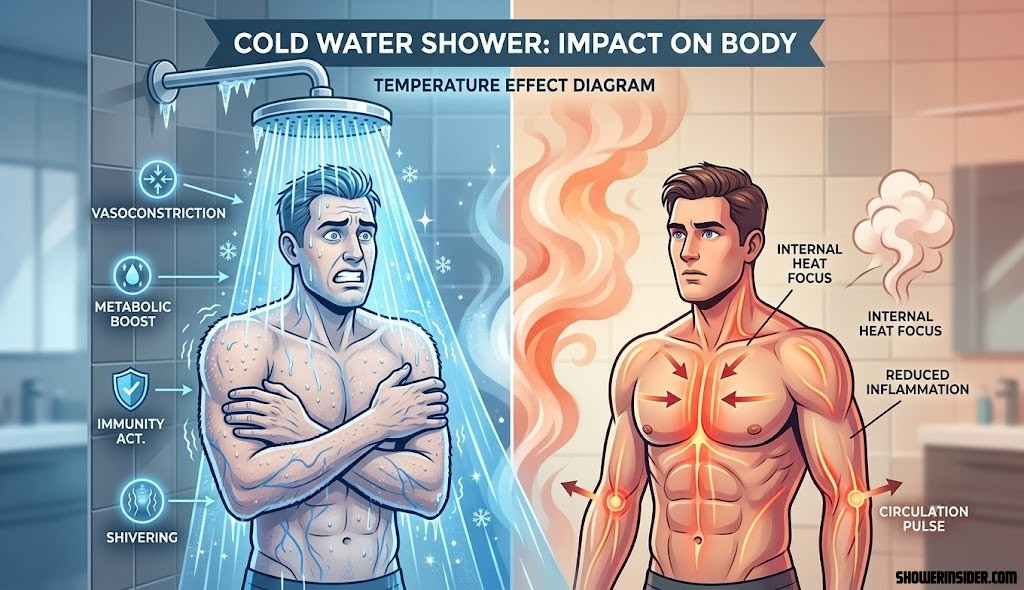
When cold water hits the skin, the body doesn’t just feel uncomfortable; it triggers a cascade of survival responses. Blood vessels near the surface constrict to preserve core temperature, the nervous system shifts into a mild “fight or flight” state, and the body begins burning energy to generate heat. That heat-generating process, known as thermogenesis, is the thread that connects cold exposure to potential weight-management benefits.
It’s important to set expectations correctly from the start: cold showers are not a magic fat-loss switch. Nobody drops significant weight from showering alone. But when used consistently and paired with sound nutrition and activity habits, cold exposure can be a legitimate supporting tool — one that also happens to be free, fast, and accessible to almost everyone with a working shower.
What makes this topic worth a genuinely deep look is that the body’s response to cold touches far more systems than most people realize. It isn’t just a skin-deep sensation — it ripples through the cardiovascular system, the endocrine system, the nervous system, and even the gut. Understanding those connections is what separates a gimmicky “cold shower challenge” from a habit that’s actually grounded in physiology and worth sticking with long-term.
The Science: How Cold Exposure Affects Metabolism
Metabolism is simply the sum of chemical processes your body uses to convert food and stored fuel into usable energy. Anything that increases the energy your body must spend to maintain itself — even slightly — nudges your overall calorie balance. Cold exposure does this in a very direct way: it forces your body to work to stay warm.
Researchers studying thermogenesis have found that even mild cold exposure, such as a two-to-five-minute cold shower, can raise metabolic rate temporarily. The magnitude isn’t enormous on a single-use basis, but the effect compounds with regular exposure, particularly because repeated cold exposure appears to increase the amount of metabolically active brown fat tissue in the body — a topic worth its own section below.
Non-Shivering Thermogenesis
There are two ways the body generates heat in response to cold: shivering and non-shivering thermogenesis. Shivering is the obvious one — rapid muscle contractions that burn calories quickly but stop once the body adapts or warms slightly. Non-shivering thermogenesis is the quieter, more interesting process, driven largely by brown adipose tissue, and it’s this pathway that most cold-exposure research on weight management focuses on.
Catecholamine Release
Cold exposure also triggers a spike in catecholamines like norepinephrine. These hormones increase alertness, elevate heart rate slightly, and play a role in mobilizing fat stores for energy. This is part of why many people report feeling more awake and mentally sharp after a cold shower — it’s not just psychological.
Basal Metabolic Rate and the “Afterburn” Effect
One question that comes up constantly is whether the metabolic boost from a cold shower ends the moment you step out and dry off. The honest answer is that the acute thermogenic response does taper fairly quickly, often within an hour or two, as your core temperature returns to baseline. However, this doesn’t mean the exposure was pointless. Much like a short bout of exercise doesn’t need to keep your heart rate elevated all day to be worthwhile, a cold shower’s value comes from its cumulative, repeated effect on the systems that regulate fat storage and energy use, not from a single dramatic afterburn window.
Mitochondrial Density and Cellular Efficiency
At a cellular level, tissues that are regularly asked to produce heat tend to respond by increasing their mitochondrial density over time. Mitochondria are often described as the “powerhouses” of the cell, and more of them — combined with more active ones — generally means a tissue is capable of burning through more fuel. This is one of the proposed mechanisms behind why habitual cold exposure may have a more meaningful metabolic effect over months than any single session could suggest on its own.

Track your water temperature precisely. A digital shower thermometer takes the guesswork out of cold exposure so you can stay in the ideal range consistently.
Check Price on AmazonBrown Fat Activation Explained
Brown adipose tissue, or “brown fat,” is fundamentally different from the white fat most people associate with weight gain. While white fat primarily stores energy, brown fat burns energy to produce heat. It’s densely packed with mitochondria — the cellular structures responsible for energy production — which is what gives it its brownish color and its calorie-burning reputation.
Infants have relatively high amounts of brown fat because they can’t shiver effectively and need another way to regulate body temperature. Adults retain smaller, less active deposits, typically found around the neck, collarbone, and upper back. The encouraging finding from cold-exposure research is that repeated, controlled cold exposure appears to increase both the amount and activity level of brown fat in adults, a process sometimes referred to as “browning.”
| Tissue Type | Primary Function | Response to Cold |
|---|---|---|
| White Fat | Energy storage | Can gradually convert toward brown-like activity (“beiging”) with repeated cold exposure |
| Brown Fat | Heat production (thermogenesis) | Becomes more active and metabolically demanding |
| Skeletal Muscle | Movement, shivering | Contracts rapidly to generate heat when brown fat activity is insufficient |
The practical takeaway: consistency matters more than intensity. A few minutes of cold water several times a week is more likely to encourage this adaptive response than one extreme, occasional ice bath.
Where Brown Fat Is Located and Why It Matters
Imaging studies typically locate the most metabolically active brown fat deposits in adults around the supraclavicular region (above the collarbones), along the spine, and around the kidneys and adrenal glands. Because these deposits sit relatively close to the skin’s surface in the neck and upper back, this is part of why many cold-shower routines emphasize directing water toward the shoulders, upper back, and neck rather than only the legs or torso — the theory being that proximity to these active deposits may enhance the local thermogenic signal, though individual anatomy varies.
Genetics and Individual Variation
Not everyone responds identically. Some individuals naturally carry more brown fat than others, and this amount tends to decline somewhat with age. Leaner individuals and those who live in cooler climates or spend more time outdoors in cold weather often show higher baseline brown fat activity in research imaging. This doesn’t mean cold showers are pointless for people with less brown fat — if anything, the “browning” adaptation process may offer more room for improvement in people who are just starting out.
Cold Showers vs. Hot Showers for Weight Loss
It’s a fair question — if heat also makes the body work, could a hot shower offer similar benefits? The short answer is no, not in the same way. Hot water relaxes blood vessels and muscles, which can be excellent for stress relief and sleep, but it doesn’t trigger the same thermogenic, calorie-burning demand that cold water does.
| Factor | Cold Shower | Hot Shower |
|---|---|---|
| Metabolic Boost | Yes, via thermogenesis | Minimal to none |
| Brown Fat Activation | Supported by research | Not associated |
| Stress Hormones (Cortisol) | Short-term spike, often followed by resilience benefits | Generally reduces cortisol acutely |
| Muscle Recovery | Reduces inflammation post-exercise | Improves circulation, eases stiffness |
| Sleep Quality | Can be stimulating if done late | Often improves sleep onset |
| Skin & Circulation | Tightens pores, boosts circulation | Can dry out skin with prolonged exposure |
For a broader discussion that isn’t specific to weight loss, our guide on morning versus night showers covers how timing interacts with temperature choice, and whether warm showers genuinely help you sleep better than cold ones.
Effects on Appetite and Cravings
One of the lesser-discussed benefits of cold exposure relates to appetite regulation. Some research suggests cold exposure can influence levels of hormones tied to hunger and satiety, though this area is less firmly established than the metabolic effects. Anecdotally, many people report that a cold shower reduces the urge for late-night snacking or stress-driven eating, possibly because the brief discomfort acts as a pattern interrupt for automatic cravings.
There’s also a behavioral angle worth acknowledging honestly: starting the day with a deliberately uncomfortable but beneficial habit, like a cold shower, can reinforce the kind of discipline that carries over into food choices later in the day. This isn’t a hormonal effect, but it’s a real psychological one that shouldn’t be dismissed.
The Role of Leptin and Ghrelin
Leptin and ghrelin are the two hormones most commonly discussed in the context of hunger regulation — leptin signaling fullness, ghrelin signaling hunger. While cold-exposure research on these two hormones specifically is still limited compared to the brown fat literature, some smaller studies have observed shifts in appetite-related signaling after cold exposure, particularly around meal timing. This is an area where more research is needed, but it’s a plausible mechanism worth watching.
Cold Water as a Craving Interrupt
From a behavioral-psychology standpoint, cravings often follow a fairly predictable arc: they build, peak, and fade within several minutes if not acted on. A cold shower, by demanding your full attention for those same few minutes, can serve as a built-in “urge surfing” technique — a term used in habit-change coaching to describe riding out a craving rather than immediately giving in to it. Many people find that stepping into cold water short-circuits the automatic reach for a snack simply by interrupting the mental loop that drives it.
Cold Showers and Exercise Recovery
Weight loss isn’t only about calories in versus calories out; it’s also about being able to train consistently without being sidelined by soreness or injury. Cold water immersion, including cold showers, has long been used by athletes to reduce delayed-onset muscle soreness (DOMS) and inflammation after intense training.
A post-workout cold shower can help reduce swelling in overworked muscles, which may allow for more frequent, higher-quality training sessions — an indirect but meaningful contributor to long-term fat loss. If you’re deciding when in your routine a shower fits best, our comparison of showering before or after exercise goes deeper into the timing question.
Recovery Benefits
- Reduced muscle inflammation
- Lower perceived soreness the next day
- Improved alertness for a second daily workout
Recovery Trade-Offs
- May blunt some long-term muscle-building adaptations if overused after strength training
- Not a substitute for proper hydration or nutrition
Timing Cold Exposure Around Strength Training
If your primary goal is building or preserving lean muscle while losing fat — generally the best approach for long-term body composition — timing matters. Some research suggests that jumping into cold water immediately after resistance training may blunt part of the muscle-protein-synthesis signal that drives hypertrophy. A common compromise many coaches recommend is separating cold exposure from strength sessions by several hours, while still using it freely after cardio-focused or endurance workouts where the interference concern is less relevant.
Cold Showers for Joint and Tendon Discomfort
Beyond muscle soreness, many people carrying extra body weight also deal with joint stress, particularly in the knees, hips, and lower back. Brief cold exposure to these areas can offer temporary relief from inflammation-related discomfort, which in turn can make it easier to stay consistent with the low-impact cardio or walking routines that are often foundational to sustainable weight loss.
How to Build a Cold Shower Habit Safely
The biggest reason people abandon cold showers isn’t lack of benefit — it’s an approach that’s too extreme, too fast. A sustainable habit is built gradually.
Start With Contrast, Not Full Cold
Begin your normal warm shower as usual, and in the final 30 to 60 seconds, turn the water to cold. This contrast method eases the nervous system into the practice without the shock of an entirely cold shower from the start.
Extend Gradually
Each week, add another 15 to 30 seconds of cold exposure at the end of your shower. Within a month, most people can comfortably tolerate two to three minutes of cold water, which is well within the range associated with measurable thermogenic benefits.
Breathe Through the Shock
Slow, controlled breathing — long exhales in particular — helps calm the initial gasp reflex that cold water triggers. This single technique makes a bigger difference in adherence than almost anything else.
Be Consistent, Not Extreme
Three to five short cold exposures per week outperform one grueling ice bath per month for the purposes of metabolic adaptation. Consistency is the variable that actually drives brown fat changes over time.
Use Self-Talk and Anchoring Cues
Many long-term cold-shower practitioners describe using a short mental cue — a phrase, a count, or a specific breath pattern — right before turning the water cold. This kind of anchoring ritual reduces hesitation, which is often the hardest part. The few seconds spent standing outside the water debating whether to turn the handle tend to be more mentally draining than the cold exposure itself.

Make cold showers more tolerable. A higher-pressure shower head can shorten the “shock” phase and make consistent cold exposure easier to stick with.
Check Price on AmazonIf low water pressure is making your showers less effective in general, see our guide on how to increase shower water pressure, and our roundup of the best shower heads currently available.
A 4-Week Progressive Cold Exposure Plan
Below is a simple, realistic framework for easing into cold showers without overwhelming your nervous system. It’s designed to build tolerance gradually while still giving your metabolism a consistent, repeated stimulus.
| Week | Approach | Cold Exposure Duration | Frequency |
|---|---|---|---|
| Week 1 | End of normal shower, cold rinse | 15–30 seconds | 3x per week |
| Week 2 | Cold rinse, focus on breathing | 30–60 seconds | 4x per week |
| Week 3 | Extend cold phase, add upper back/neck focus | 60–90 seconds | 5x per week |
| Week 4 | Full cold shower or extended cold finish | 2–3 minutes | 5–6x per week |
After week four, most people settle into a maintenance rhythm of three to five sessions per week in the two-to-three-minute range. There’s no strong evidence that pushing much beyond this adds proportional benefit, so there’s no need to chase increasingly extreme durations once you’ve reached a sustainable routine.
Cold Showers, Cortisol, and Stress-Driven Weight Gain
Chronic stress is one of the more underappreciated contributors to stubborn weight gain, largely through its effect on cortisol, the body’s primary stress hormone. Persistently elevated cortisol is associated with increased abdominal fat storage, disrupted sleep, and a tendency toward cravings for high-calorie, high-sugar foods.
Cold exposure has a nuanced relationship with cortisol. In the moment, stepping into cold water does trigger an acute stress response, including a brief cortisol spike — this is expected and not harmful for most healthy people. What’s more interesting is what happens over weeks of repeated exposure: many practitioners and some smaller studies report that regular, voluntary cold exposure appears to improve the body’s overall stress resilience, sometimes described as a form of “hormetic stress” — a controlled, beneficial stressor that trains the nervous system to recover more efficiently from stress in general, including the kind of chronic psychological stress that drives emotional eating.
Vagal Tone and the Parasympathetic Rebound
After the initial jolt of cold water fades, many people notice a distinct calming effect as the body shifts back toward a parasympathetic (“rest and digest”) state. This rebound is thought to be linked to vagus nerve stimulation, which plays a role in regulating heart rate, digestion, and overall stress recovery. A more responsive vagus nerve has been loosely associated with better emotional regulation, which again ties back indirectly to reduced stress-eating tendencies.
Hormones, Thyroid Function, and Metabolic Rate
The thyroid gland plays a central role in regulating overall metabolic rate, and it’s a common point of concern for people who feel their weight-loss efforts aren’t matching their effort. While cold showers are not a treatment for thyroid conditions and should never replace medical care for a diagnosed thyroid disorder, cold exposure does interact with the broader hormonal systems that influence metabolism.
Cold exposure stimulates the sympathetic nervous system, which in turn can influence the conversion and activity of thyroid hormones involved in heat production. Some research on cold acclimatization has observed modest shifts in thyroid hormone activity with repeated cold exposure, though this is an area where individual variation is significant and results shouldn’t be overstated. If you suspect an underlying thyroid issue is affecting your weight, that’s a conversation for a physician, not something to try to self-diagnose or self-treat through showering habits.
Cold Exposure and NEAT (Non-Exercise Activity Thermogenesis)
NEAT refers to all the energy your body burns through activities that aren’t formal exercise — fidgeting, standing, walking around the house, even shivering. It’s one of the most variable components of daily energy expenditure between individuals, and it’s also one of the more overlooked levers in sustainable weight management.
Because cold exposure can trigger mild shivering and general restlessness in the minutes following a cold shower, some researchers have proposed that habitual cold exposure may modestly increase NEAT throughout the day, beyond the direct thermogenic effect of the shower itself. People who practice regular cold exposure often report feeling more physically alert and inclined to move afterward, which — while difficult to measure precisely — may compound with the direct metabolic effects discussed earlier in this guide.
Sleep, Cold Showers, and Weight Regulation
Sleep quality and weight management are far more connected than most people assume. Poor sleep disrupts leptin and ghrelin balance, increases next-day cravings for calorie-dense food, and is associated with reduced willpower around eating decisions. This is exactly why the timing of a cold shower within your daily routine matters so much.
For most people, cold showers are best used earlier in the day, when the resulting alertness and elevated heart rate work with the body’s natural rhythm rather than against it. A cold shower too close to bedtime can, for some people, delay the natural drop in core body temperature that helps trigger sleep onset. If sleep is a priority in the evening, our guide on whether warm showers help you sleep is worth reading alongside this one, since the two habits can be used strategically at different points in the day rather than treated as competing options.
Do Cold Showers Affect Men and Women Differently?
Body composition research does show some baseline differences between men and women when it comes to brown fat distribution and thermogenic response, with some studies suggesting women may carry slightly more active brown fat on average relative to body size, though findings vary across studies and populations. In practice, this doesn’t change the core recommendations: gradual exposure, consistency over intensity, and pairing the habit with diet and exercise apply equally regardless of sex.
One consideration worth mentioning is that hormonal fluctuations across the menstrual cycle can affect cold tolerance and perceived exertion for some women, meaning a session that felt very manageable one week might feel more uncomfortable a couple of weeks later. This is normal and doesn’t indicate the practice is any less effective — it’s simply a reason to stay flexible with duration rather than rigidly forcing the same exposure time every single day.
Contrast Therapy: Combining Cold Showers with Sauna or Heat
Contrast therapy — alternating between hot and cold exposure — has a long history in recovery-focused cultures, from Scandinavian sauna-and-plunge traditions to Japanese onsen practices. The theory behind combining the two is that the rapid vasodilation-vasoconstriction cycle (blood vessels widening in heat, then constricting in cold) may enhance circulation and recovery more than either temperature alone.
For weight-management purposes specifically, the heat portion of contrast therapy doesn’t carry the same thermogenic calorie-burning effect that cold exposure does, but it can make the overall routine more sustainable and enjoyable, which matters enormously for long-term adherence. A simple approach many people use at home is a hot shower followed by a cold finish, essentially combining the contrast method described earlier in this guide with the relaxation benefits of heat.
Cold Showers vs. Whole-Body Cryotherapy vs. Ice Baths
It’s worth clarifying how a simple cold shower compares to the more intense cold-exposure methods that get significant media attention.
| Method | Typical Temperature | Typical Duration | Accessibility |
|---|---|---|---|
| Cold Shower | 50–65°F (10–18°C) | 1–5 minutes | High — available to almost anyone |
| Ice Bath / Cold Plunge | 39–55°F (4–13°C) | 2–10 minutes | Moderate — requires a tub, ice, or dedicated plunge unit |
| Whole-Body Cryotherapy | -200°F to -300°F (-129°C to -184°C), dry air | 2–4 minutes | Low — requires a specialized facility |
The physiological principle behind all three is similar — the body works to generate heat and defend its core temperature — but a cold shower is by far the most practical and repeatable option for most people, which matters more than raw intensity when the goal is a sustainable weight-management habit rather than a one-off extreme experience.
Breaking a Weight-Loss Plateau with Cold Exposure
Plateaus are one of the most frustrating parts of any weight-loss journey, and they’re rarely solved by a single new trick. That said, cold showers can play a useful supporting role when a plateau is partly driven by adaptive metabolic slowdown — a common phenomenon where the body becomes more efficient at maintaining a lower body weight over time, requiring fewer calories than it once did at the same activity level.
Because cold exposure adds a genuine, non-dietary source of additional energy expenditure, it can serve as a small counterweight to this adaptive slowdown without requiring further calorie restriction, which is often the last thing someone stuck at a plateau needs. Combining consistent cold showers with a temporary increase in daily movement (walking, standing, taking the stairs) tends to be a more sustainable plateau-breaking strategy than repeatedly cutting calories further.
Cold Shower Weight-Loss Myths, Debunked
Myth: Cold showers alone will make you lose significant weight. Reality: the metabolic boost is real but modest. It supports a broader plan; it doesn’t replace one.
Myth: Colder is always better. Reality: once water is cold enough to trigger a thermogenic response, going even colder doesn’t proportionally increase the benefit, and it does increase the risk of discomfort-driven habit abandonment.
Myth: You need to be freezing for the full shower. Reality: a cold finish to a normal shower is enough for most people to see the discussed benefits over time.
Myth: Cold showers “shock” fat away instantly. Reality: fat loss is a cumulative energy-balance process; there’s no instant mechanism, cold or otherwise, that removes fat in a single session.
Myth: If it’s not extremely uncomfortable, it’s not working. Reality: consistency at a tolerable temperature outperforms sporadic extreme exposure for the metabolic adaptations discussed throughout this guide.
Tracking Progress and Setting Realistic Expectations
Because the metabolic effect of any single cold shower is modest, it’s easy to lose motivation if you’re expecting rapid, visible changes on a scale week to week. A more useful way to track progress is to focus on the habit itself and on secondary markers: how consistently you’re completing sessions, how your energy and mood feel afterward, how your sleep quality trends over several weeks, and how your broader diet and exercise habits are holding up.
A simple weekly log — noting duration, how it felt, and any changes in appetite or energy — can help you notice patterns that a scale alone won’t show. Over a period of two to three months, many consistent practitioners report modest, gradual improvements in energy management and appetite control, alongside whatever progress their diet and exercise routine is independently producing.
Seasonal Considerations for Cold Shower Routines
Tap water temperature naturally fluctuates with the seasons, which means a “cold” shower in summer might barely register as cool in winter, when incoming water can already be quite cold. In colder months, you may need less deliberate temperature adjustment to reach an effective thermogenic range, while in warmer months you may need to rely more on your water heater’s cold setting to get the same effect.
Bathroom ambient temperature also matters. Stepping out of a cold shower into a cold bathroom in winter can feel considerably more intense than the same routine in a warm summer bathroom, so it’s worth adjusting your expectations and easing back into your progression slightly when the seasons change rather than assuming your tolerance has dropped.
Cold Showers, Hydration, and Electrolyte Balance
Hydration doesn’t get discussed nearly as often as diet or exercise in weight-loss conversations, yet it plays a surprisingly direct role in how well your body handles temperature stress, including the mild stress of a cold shower. Water is central to thermoregulation — it’s the medium through which your body transports heat, buffers rapid temperature shifts, and supports the increased circulatory demand that comes with cold exposure.
People who are chronically under-hydrated often report feeling more fatigued, more light-headed, and less able to tolerate cold exposure comfortably. This isn’t a coincidence. Dehydration reduces blood volume, which makes it harder for the cardiovascular system to manage the rapid vasoconstriction that occurs when cold water hits the skin. If you’ve tried cold showers and found them unusually miserable, it’s worth checking whether your daily water intake — and not just your mental toughness — might be the limiting factor.
Electrolytes and Morning Routines
Many people who practice cold showers do so first thing in the morning, often before eating or drinking anything. If you’re also following any form of calorie-restricted diet, this combination can occasionally leave you slightly under-hydrated and electrolyte-depleted heading into the shower. A simple fix is to drink a full glass of water — ideally with a pinch of a natural electrolyte source if you’re also fasting — a few minutes before your cold shower rather than going in completely empty.
Post-Shower Rehydration
After a cold shower, especially one that includes some shivering, your body has done real metabolic work. Following it with a glass of water helps support the recovery process and can also help curb the temptation to reach for a large snack simply because the alertness and slight hunger sensation that sometimes follows cold exposure can be mistaken for genuine caloric need.
Stacking Cold Showers with Intermittent Fasting
Intermittent fasting and cold exposure are frequently discussed together in weight-management circles, largely because both practices are thought to influence some overlapping metabolic pathways, including catecholamine activity and, to a lesser extent, autophagy-related cellular processes. Combining the two is popular, but it’s worth approaching thoughtfully rather than assuming more stacked interventions automatically means more results.
For most people, a cold shower during a fasted state (for example, first thing in the morning before breaking an overnight fast) is well tolerated and doesn’t cause any particular problem. Where caution is warranted is in people who are new to both practices simultaneously, since combining an extended fasting window with an unfamiliar cold-exposure routine can occasionally lead to light-headedness, particularly if blood sugar is already running low. The safer approach is to establish one habit first — either the fasting schedule or the cold shower routine — before layering in the other, rather than adopting both aggressively on day one.
Blood Sugar Considerations
Cold exposure can cause a temporary, mild rise in blood glucose as the body mobilizes energy stores to fuel heat production. For most healthy individuals this is a non-issue, but people managing blood sugar conditions such as diabetes should discuss any new fasting-plus-cold-exposure combination with their healthcare provider before starting, since the two practices together can have compounding effects on glucose regulation that are worth monitoring individually.
Cold Showers, Skin Appearance, and Cellulite Perception
Among the search terms people commonly pair with cold showers and weight loss is the question of whether cold water can reduce the visible appearance of cellulite. It’s worth addressing directly and honestly: cellulite is primarily a structural issue involving the connective tissue bands beneath the skin, and no topical temperature change — hot or cold — meaningfully alters that underlying structure.
That said, cold water does cause temporary vasoconstriction, which can create a short-lived tightening effect on the skin’s surface, sometimes described anecdotally as making skin look smoother or more toned immediately after a cold shower. This is a real but temporary cosmetic effect rather than a structural change, similar to how a cold compress can briefly reduce the appearance of puffiness. If improving skin appearance long-term is a goal alongside weight loss, strength training to build underlying muscle tone and maintaining adequate hydration and protein intake will do far more than temperature-based interventions alone.
Cold Showers for Older Adults and Postpartum Bodies
Cold exposure recommendations aren’t one-size-fits-all across every life stage, and it’s worth addressing two groups that come up often: older adults and postpartum individuals.
Older Adults
Cardiovascular response to cold tends to become more pronounced with age, partly due to naturally stiffer blood vessels and a higher likelihood of underlying cardiovascular conditions that may not yet be diagnosed. This doesn’t mean cold showers are off-limits for older adults, but it does mean a more conservative, slower progression is appropriate, along with a stronger recommendation to check in with a physician before starting, particularly for anyone over 60 or with any known heart or blood pressure history.
Postpartum Considerations
New parents recovering from childbirth are often eager to return to healthy routines, including weight-management habits, but the postpartum period involves significant hormonal shifts, potential healing from delivery, and considerable sleep disruption, all of which can affect cold tolerance and stress resilience. Most healthcare providers suggest waiting until you’ve been cleared for normal physical activity at a postpartum checkup before introducing a new, deliberately stressful practice like cold exposure, and even then, starting at the gentlest end of the progression outlined earlier in this guide.
The Psychology of Discipline: Why This Habit Sticks
There’s a reason cold showers show up so often in discussions about discipline and mental toughness that go well beyond weight loss. Voluntarily doing something uncomfortable, on a schedule, without external pressure, is a fairly rare kind of self-directed action in modern daily life — and practicing it seems to build a transferable sense of capability that shows up in other areas, including dietary discipline.
Behavioral psychology research on habit formation generally agrees that small, consistent actions build identity-level change more effectively than occasional large efforts. Each time you follow through on a cold shower despite not wanting to, you’re reinforcing a self-concept as someone who does hard things on purpose. That self-concept doesn’t stay contained to the bathroom; many people report it bleeding into food choices, workout consistency, and general follow-through on other goals.
Avoiding the Novelty Trap
A common failure pattern is treating cold showers as a novelty challenge — intense for two weeks, then abandoned once the initial motivation fades. Framing the habit instead as a permanent, low-key part of your routine, rather than a dramatic personal challenge, tends to produce far better long-term adherence and, by extension, more consistent metabolic benefit.
DIY Cold Plunge vs. a Simple Cold Shower
Cold plunge tubs have become a popular (and often expensive) purchase for people serious about cold exposure, but it’s worth comparing the practical trade-offs honestly before assuming a dedicated tub is necessary.
| Factor | Cold Shower | Cold Plunge Tub |
|---|---|---|
| Upfront Cost | None — uses existing plumbing | Often several hundred to a few thousand dollars |
| Space Required | Standard bathroom | Dedicated area, often outdoors or in a garage |
| Setup Time | None | Filling, chilling, and maintaining water |
| Temperature Control | Limited to tap water minimum | Can go significantly colder with ice or chillers |
| Full-Body Immersion | Partial, depending on shower design | Full submersion up to the neck |
For the specific goal of weight-management support discussed throughout this guide, a cold shower delivers the large majority of the accessible benefit without the cost, space, or maintenance burden of a plunge tub. A dedicated cold plunge may appeal to people who want a deeper, more immersive practice for reasons beyond weight management, such as athletic recovery or a more meditative cold-exposure ritual, but it isn’t a requirement for anyone starting out.
A Simple Cold Shower Journal Template
Keeping a brief log can help maintain motivation and reveal patterns that aren’t obvious day to day. Consider tracking the following each time you complete a session:
- Date and time of day — helps identify which timing works best for your schedule and energy levels.
- Duration of cold exposure — tracks your progression over the weeks outlined earlier in this guide.
- Approximate water temperature — useful if you have a shower thermometer, to ensure you’re staying in an effective range.
- Energy level afterward (1–10) — a quick, subjective marker of how the session affected your alertness.
- Appetite or cravings that day — helps you notice any patterns between cold exposure and eating behavior.
- Sleep quality the following night — particularly relevant if you’re experimenting with timing.
Reviewing this log every couple of weeks, rather than daily, tends to give the clearest picture of whether the habit is paying off in ways that matter to you personally, beyond what a scale alone can show.
Glossary of Key Terms Used in This Guide
- Thermogenesis: The process by which the body generates heat, often by burning calories.
- Non-shivering thermogenesis: Heat production driven primarily by brown fat activity rather than muscle contraction.
- Brown adipose tissue (brown fat): A metabolically active fat type that burns energy to produce heat.
- Catecholamines: A class of hormones, including norepinephrine, involved in the body’s stress and alertness response.
- NEAT: Non-Exercise Activity Thermogenesis — energy burned through daily movement outside of formal workouts.
- Hormesis: A biological phenomenon where a mild, controlled stressor triggers a beneficial adaptive response.
- Vagal tone: A measure of vagus nerve activity, associated with the body’s ability to calm itself after stress.
- Contrast therapy: The practice of alternating between hot and cold exposure for recovery or circulation benefits.
Where Researchers Agree — and Where They Don’t
It’s worth being transparent about the current state of the evidence rather than overselling it. Researchers broadly agree that cold exposure triggers measurable thermogenesis and can increase brown fat activity with repeated exposure. There’s also reasonably solid consensus around cold exposure’s role in reducing exercise-related muscle soreness and inflammation.
Where the evidence is thinner and more debated is the exact magnitude of long-term weight-loss impact from cold showers specifically, as opposed to more intense or prolonged cold-exposure protocols used in controlled research settings. Much of the strongest brown-fat research involves exposure durations, temperatures, and monitoring equipment that go beyond what’s practical for someone showering at home. This guide has tried to stay honest about that gap throughout: the mechanisms are real and well-supported, but a home cold-shower routine should be understood as a modest, supportive contributor rather than a headline weight-loss method on its own.
Does Your Starting Weight or Body Type Change Anything?
People carrying more body fat generally have slightly better natural insulation, which can mean it takes a bit longer to feel the deeper chill that triggers a strong thermogenic response, though the subjective discomfort of cold water on the skin is fairly similar across body types. This isn’t a reason to use more extreme temperatures — the goal is still a gradual, tolerable progression — but it does mean it’s normal for two people following the identical routine to report different sensations of “how cold it feels.”
Leaner individuals, particularly those with very low body fat, may find they get cold more quickly and for longer after stepping out of the shower, simply due to reduced insulation. If this describes you, having a warm towel and warm clothing ready immediately after your shower can make the routine considerably more comfortable without reducing the effectiveness of the cold exposure itself.
Regardless of starting point, the core physiological mechanisms discussed throughout this guide — thermogenesis, brown fat activation, catecholamine release — apply broadly across body types. What differs most between individuals isn’t whether the mechanism works, but how quickly each person adapts and how intense the initial discomfort feels.
Keeping the Habit Going While Traveling or at the Gym
One of the underrated advantages of a cold-shower habit, compared to something like a home cold plunge, is how portable it is. Hotel showers, gym locker rooms, and even basic vacation rentals almost always have a working shower, meaning the habit doesn’t have to pause just because your usual environment changes.
The main adjustment while traveling is water temperature variability — some locations, especially in warmer climates, may not get quite as cold from the tap. In these cases, simply using the coldest available setting and slightly extending the duration can help maintain a comparable stimulus. Gym showers, on the other hand, are often colder than home showers due to high-volume commercial water heaters running at capacity, which some people find actually makes maintaining the habit easier while at the gym than at home.
If your gym routine already includes a shower, pairing your cold exposure with post-workout recovery, as discussed earlier in this guide, is a natural and efficient way to combine the habit with time you’re already spending at the facility rather than treating it as an extra task to fit in elsewhere.
Common Excuses and How to Work Through Them
“I don’t have time.” The actual cold-exposure portion of the routine, once you’ve built up tolerance, takes two to three minutes — less time than most people spend scrolling on their phone before getting out of bed.
“I hate the feeling.” This is genuinely common, especially in the first two weeks. The contrast method and gradual progression outlined earlier in this guide exist specifically to reduce this barrier. Discomfort fades noticeably faster than most beginners expect.
“My house isn’t warm enough afterward.” Having a warm towel or robe within arm’s reach solves this almost entirely, and it removes one of the more common reasons people quit within the first week.
“I don’t think it’s really doing anything.” This is where the journal template discussed earlier in this guide becomes useful — tracking subjective energy, appetite, and sleep over several weeks tends to reveal patterns that are easy to miss day to day.
“I already do enough for my weight loss.” Cold showers were never meant to replace an existing solid routine — they’re a low-cost addition, not a competing priority. If your diet and training are already dialed in, this is simply an easy, free way to add a bit more to the equation.
How to Know It’s Actually Working
Because the day-to-day effect of a single cold shower is subtle, it helps to know what signs to look for over a longer time horizon rather than expecting an obvious, immediate signal.
- Improved cold tolerance over time — a clear, easily noticed sign that your body is adapting, which correlates with the underlying thermogenic adaptations discussed throughout this guide.
- More stable energy throughout the day — many practitioners report fewer energy crashes, potentially linked to the catecholamine and alertness effects covered earlier.
- Reduced impulsive snacking — track this alongside your journal entries to see if there’s a pattern connecting consistent cold exposure with fewer cravings-driven food choices.
- Better sleep consistency — assuming cold showers are timed appropriately earlier in the day, as discussed in the sleep section above.
- Gradual, steady progress on your broader weight goals — not from the cold showers alone, but as one contributing factor within your overall diet and exercise plan.
None of these markers replace consistent tracking of your actual diet and training, which remain the primary drivers of weight loss. Cold showers are best understood as a multiplier on a solid foundation, not a replacement for one.
Pre-Shower Checklist for Beginners
Before your first few sessions, a short checklist can help remove hesitation and make the experience smoother:
- Have a warm towel or robe within arm’s reach before you start.
- Drink a glass of water beforehand, especially if showering in a fasted state.
- Plan your exposure duration in advance rather than deciding in the moment.
- Use slow, controlled breathing from the moment the water turns cold.
- Direct water toward the neck, upper back, and shoulders when tolerable.
- Skip the session, or keep it very brief, if you’re feeling unwell, dehydrated, or unusually fatigued that day.
- Check with a doctor first if you have any of the health considerations discussed in the safety section of this guide.
Water Use, Utility Costs, and Environmental Notes
A practical question rarely covered in cold-shower discussions is what the habit does to your water heating costs. The reassuring answer is that cold showers typically reduce your utility bill rather than increasing it, since you’re using less hot water overall. For households on a metered water heater or those paying for gas or electric water heating, shifting even a portion of your daily shower time to cold water can add up to a modest but noticeable savings over a year.
There’s also a secondary environmental angle: water heaters are among the more energy-intensive appliances in a typical home, and reducing hot water demand, even slightly, reduces the associated energy draw. This isn’t a primary reason to adopt the habit, but it’s a pleasant side benefit for anyone already motivated by sustainability alongside their health goals.
One caveat worth noting: some people compensate for a colder shower by running the water longer while working up the nerve to get in, which can offset any water savings. Setting a clear intention — and using the breathing technique discussed earlier in this guide — helps avoid this common pitfall.
Quick Reference: Cold Shower Weight-Loss Cheat Sheet
For anyone who wants a fast summary after reading through the full guide, here’s the core framework distilled into a single reference table.
| Element | Recommendation |
|---|---|
| Ideal Duration (once adapted) | 2–3 minutes |
| Ideal Frequency | 3–5 times per week |
| Best Time of Day | Morning or early afternoon |
| Water Temperature Target | Below ~60°F (15°C) |
| Progression Timeline | 3–4 weeks to comfortably reach full target duration |
| Primary Mechanism | Thermogenesis and brown fat activation |
| Best Paired With | Calorie-appropriate diet, regular strength/cardio training, consistent sleep |
| Avoid If | Uncontrolled heart conditions, without medical clearance |
Pros and Cons of Cold Showers for Weight Loss
Pros
- Free and requires no equipment
- Supports non-shivering thermogenesis
- May increase brown fat activity over time
- Improves alertness and mood
- Aids post-workout recovery
- Builds mental discipline that can support broader healthy habits
Cons
- Effect on calorie burn is modest, not dramatic
- Not appropriate for people with certain cardiovascular conditions
- Requires consistency to see meaningful change
- Can feel unpleasant during the adaptation period
- Not a substitute for diet and exercise
Common Mistakes to Avoid
Going too cold, too fast. Jumping straight into an ice-cold shower on day one is the fastest way to quit within a week. Gradual exposure works better and is safer.
Expecting rapid weight loss. Cold showers are a supporting habit, not a standalone weight-loss strategy. Treating them as a replacement for diet and exercise leads to disappointment.
Ignoring underlying health conditions. People with heart conditions, uncontrolled high blood pressure, or Raynaud’s phenomenon should consult a doctor before starting cold exposure practices.
Showering cold right before bed. For some people, the alertness boost from cold water can interfere with falling asleep. Morning or midday cold showers tend to work better for most routines.
Skipping days inconsistently. As covered above, the metabolic adaptations tied to brown fat activity respond best to regular, repeated exposure rather than occasional extreme sessions.
Neglecting the rest of the body. Focusing only on the hands and feet, which are easiest to tolerate, misses the upper back and neck areas where more active brown fat deposits tend to be concentrated.
Using cold showers to justify poor nutrition. No amount of cold exposure will offset a consistent calorie surplus. The habit works best as an addition to sound eating patterns, not a license to ignore them.
Combining Cold Showers with Diet and Exercise
Cold showers work best as one piece of a broader weight-management approach rather than a stand-alone solution. Pairing consistent cold exposure with a modest calorie deficit, adequate protein intake, and regular strength or cardio training creates a much more meaningful cumulative effect than any single habit alone.
Some people find it useful to treat their cold shower as a daily “anchor habit” — a small, non-negotiable action that reinforces the identity of someone who follows through on healthy choices, which tends to make sticking to nutrition and training goals easier as well.
Safety Considerations Before You Start
Cold exposure is safe for most healthy adults when introduced gradually, but a few precautions are worth taking seriously.
- Avoid cold showers if you have uncontrolled heart disease, arrhythmia, or a history of cold-induced asthma without medical guidance.
- Never combine cold showers with alcohol, which impairs the body’s ability to regulate temperature.
- Stop immediately if you feel dizzy, numb, or experience chest tightness.
- Pregnant individuals should check with their doctor before adopting a new cold-exposure routine.
- People with Raynaud’s phenomenon may need to limit exposure to hands and feet specifically.
When in doubt, a brief conversation with a physician before starting any new temperature-based routine is always the safest option.
Helpful Gear and Products for Cold Shower Routines
You don’t need any special equipment to take a cold shower, but a few tools can make the habit easier to build and sustain.

Track your cold exposure time. A simple waterproof shower timer helps you gradually extend your cold exposure without guessing.
Check Price on Amazon
Stay safe on wet tile. The sudden intake of breath during cold exposure can make balance harder for a moment — a non-slip mat adds a simple layer of safety.
Check Price on AmazonIf your bathroom setup needs a broader refresh to support a consistent routine, our guides on best shower heads and increasing shower water pressure are good next reads.
Frequently Asked Questions
Do cold showers actually burn calories?
Yes, to a modest degree. Cold exposure triggers thermogenesis, a process where the body burns energy to generate heat. The effect per shower is small, but consistent practice over weeks may contribute to meaningful cumulative energy expenditure, especially through brown fat activation.
How long should a cold shower be for weight loss benefits?
Most research on thermogenic response focuses on exposures in the two-to-five-minute range. Beginners should build up to this gradually rather than starting there immediately.
Can cold showers replace exercise for weight loss?
No. Cold showers can support metabolism and recovery, but they don’t replace the calorie-burning and muscle-building effects of regular physical activity.
Is it better to take a cold shower in the morning or at night?
Morning is generally preferred, since the alertness boost from cold exposure can interfere with sleep for some people if done too close to bedtime.
How often should I take cold showers to see results?
Three to five times per week is a commonly recommended frequency for building the kind of consistent cold exposure associated with brown fat adaptation.
Are cold showers safe for everyone?
Most healthy adults can safely try cold showers, but people with certain heart conditions, uncontrolled blood pressure, or cold-related circulatory issues should consult a doctor first.
Will cold showers reduce belly fat specifically?
There’s no evidence that cold exposure targets fat loss in one specific area. Any metabolic benefit contributes to overall energy expenditure, not localized fat reduction.
What temperature counts as a “cold” shower?
Most guidance considers water below roughly 60°F (15°C) to be cold enough to trigger a meaningful thermogenic response, though even cooler tap water can offer some benefit for beginners.
Can cold showers help with stress-related weight gain?
Indirectly, yes. Regular cold exposure has been associated with improved stress resilience over time, which may help reduce stress-driven eating patterns for some people.
Do I need an ice bath, or is a cold shower enough?
A cold shower is enough for most people. Ice baths offer a more intense version of the same physiological response, but they aren’t necessary to gain metabolic and recovery benefits.
Do cold showers affect men and women differently for weight loss?
There are some baseline physiological differences in brown fat distribution between sexes, but the core recommendations — gradual exposure, consistency, and pairing with diet and exercise — apply equally to everyone.
Can I combine cold showers with sauna use for better results?
Yes, alternating hot and cold exposure, known as contrast therapy, is a common practice. The cold portion carries the metabolic benefit, while the heat portion can improve circulation and overall relaxation, making the routine more sustainable.
Should I take a cold shower before or after eating?
Either can work, but many people prefer cold showers before meals since the resulting alertness pairs well with a fasted or pre-meal state, and it avoids the mild digestive discomfort some people feel from cold exposure immediately after eating a large meal.
Is a cold shower as effective as a full cold plunge for weight loss?
For most people, a cold shower delivers the large majority of the practical, accessible benefit discussed throughout this guide. A dedicated cold plunge allows for colder temperatures and full immersion, but it isn’t required to get meaningful thermogenic and metabolic support from cold exposure.
Conclusion: A Small Habit With Real, Modest Benefits
Cold showers won’t replace a solid diet or a consistent training routine, but the science behind thermogenesis and brown fat activation makes a credible case for cold exposure as a legitimate supporting habit in a weight-management plan. Combined with good nutrition, regular movement, and adequate sleep, a few minutes of cold water several times a week is a low-cost, low-risk addition worth trying.
Ready to make your routine easier to stick with? A reliable shower thermometer and a higher-pressure shower head can both make the adaptation period more manageable.
Shop Cold Shower Essentials on Amazon