
Cold or Hot Shower for Fever? The Complete Medical Guide to Temperature Management
That moment when chills rack your body while your skin burns to the touch represents one of medicine’s most misunderstood physiological responses. Your instinct to cleanse away the sickness through bathing is natural, but the temperature choice can either facilitate recovery or dangerously exacerbate your condition. This comprehensive guide moves beyond the simple “cold vs. hot” debate to explore the nuanced science of fever management through hydrotherapy.
We’ll examine fever classification, underlying illness considerations, age-specific protocols, and the precise mechanisms by which water temperature interacts with your body’s thermoregulatory system. Whether you’re managing post-vaccination malaise, battling influenza, or caring for a child with a temperature spike, this evidence-based resource provides the knowledge needed to make safe, effective decisions.
LUKEWARM (TEPID) SHOWERS ONLY—approximately 85-90°F (29-32°C).
Extreme cold induces shivering (raising core temperature), while extreme heat risks overheating and fainting. Lukewarm water facilitates gradual, safe heat dissipation through conduction and evaporation without triggering counterproductive physiological responses.
Understanding Fever: Classification and Physiology
Before deciding on shower temperature, understand what fever represents. Fever isn’t an illness itself but a symptom—a coordinated immune response mediated by pyrogens that reset the hypothalamic “thermostat.”
Low-Grade
99-100.9°F
(37.2-38.3°C)
Common with mild infections, vaccinations. Usually doesn’t require active cooling.
Moderate
101-102.9°F
(38.3-39.4°C)
Indicates active immune response. Lukewarm showers beneficial for comfort.
High
103-105°F
(39.4-40.6°C)
Requires medical evaluation. Lukewarm sponging recommended over showering.
Hyperpyrexia
>105°F
(>40.6°C)
Medical emergency. Requires immediate professional intervention.
The Fever Curve: Timing Matters
When you shower in relation to fever phases affects safety and effectiveness:
Rising Phase (Chills)
Body is actively generating heat. Shivering occurs. Avoid showering during this phase—it increases discomfort and energy expenditure. Bundle up with light layers.
Plateau Phase (Peak)
Body temperature stabilizes at new set point. Best time for lukewarm shower if needed for comfort. Lasts several hours typically.
Defervescence (Breaking)
Body actively cools through vasodilation and sweating. Lukewarm shower can assist but avoid chilling. Dry thoroughly immediately after.
Why Temperature Extremes Are Dangerous: The Science
❄️ Cold Shower Risks
1. Shivering Thermogenesis: Cold triggers rapid muscle contractions, generating heat that can raise core temperature 1-2°C.
2. Vasoconstriction: Blood vessels constrict, reducing heat dissipation and increasing cardiac workload.
3. Counterproductive: Creates sensation of cooling while actually impeding the body’s cooling mechanisms.
🔥 Hot Shower Risks
1. Overheating: Adds external heat to already elevated core temperature.
2. Vasodilation & Hypotension: Can cause dangerous blood pressure drops, especially when dehydrated.
3. Increased Metabolic Demand: Forces body to work harder to cool itself.
💧 Lukewarm Benefits
1. Facilitates Conduction: Heat moves from warmer body to cooler water efficiently.
2. No Shivering Threshold: Stays above vasoconstriction trigger point (~82°F/28°C).
3. Promotes Evaporation: Water on skin evaporates, providing additional cooling.
The Goldilocks Principle in Action: Research in the Journal of Clinical Nursing shows lukewarm water (85-90°F/29-32°C) reduces fever approximately 1-2°F (0.5-1°C) within 30-45 minutes without adverse effects. This aligns with recommendations from VeryWellHealth and major pediatric associations. For more on finding the ideal temperature for comfort, see our ideal shower temperature guide.
Condition-Specific Showering Guidelines
| Condition | Fever Characteristics | Shower Recommendations | Special Precautions |
|---|---|---|---|
| COVID-19/Influenza | Often high (101-104°F), accompanied by severe fatigue, body aches | Lukewarm sponge bath preferred. If showering, seated with assistance, ≤5 minutes. | Extreme weakness increases fall risk. Monitor oxygen saturation if available. |
| Bacterial Infections (UTI, pneumonia) | May spike suddenly, accompanied by specific localized symptoms | Shower only if not dizzy. Focus on hygiene to prevent secondary infections. | Antibiotics may cause photosensitivity—avoid strong bathroom lighting. |
| Post-Vaccination Fever | Low-grade (99-101°F), usually lasts 24-48 hours | Lukewarm shower for comfort if desired. Usually not necessary. | Important to distinguish from coincidental illness. Monitor injection site. |
| Childhood Viral Illnesses (Roseola, Hand-foot-mouth) | Often high (103-105°F) but brief, responsive to antipyretics | Lukewarm bath preferred over shower. Use toys for distraction. | Watch for febrile seizures in susceptible children (6mo-5y). |
| Heat-Related Illness (Heat exhaustion) | From overheating, not infection. Skin may be hot and dry. | Cool (not cold) shower essential. May need medical supervision. | Different mechanism—active cooling is therapeutic, not just comfort. |
Pediatric Fever Management: Age-Specific Protocols
⚠️ Emergency Pediatric Scenarios Requiring Immediate Care:
- Infants under 3 months with any fever (>100.4°F/38°C)
- Fever >104°F (40°C) in any child
- Febrile seizure (first occurrence or lasting >5 minutes)
- Signs of dehydration (no tears, dry mouth, no urine >8 hours)
- Child is lethargic, difficult to awaken, or inconsolable
Bathing Guidelines by Age Group
Infants (0-12 months)
Sponge Bath Only. Fill basin with lukewarm water (90-95°F). Wipe one section at a time, keeping rest covered. Never immerse febrile infant. Dry immediately. Bath duration: 5-10 minutes max.
Toddlers (1-3 years)
Supervised Lukewarm Bath. Use bath thermometer. Water should feel slightly warm to your inner wrist. Stay with child continuously. Use bath toys to keep child calm and seated. Duration: 10 minutes.
Children (4-12 years)
Lukewarm Shower Possible if child is steady and cooperative. Use shower chair if weak. Parent should remain in bathroom. Teach child to sit if dizzy. Duration: 5-7 minutes.
Geriatric & Special Population Considerations
Elderly Patients (>65 years)
Age-related physiological changes create unique risks:
- Reduced Thermoregulation: Diminished sweating response and peripheral circulation.
- Medication Interactions: Many elderly take beta-blockers, diuretics, or antipsychotics that affect temperature regulation.
- Fall Risk: Dizziness is common with fever. Shower chair mandatory. See our guide to the best shower chairs for elderly for safety-rated options.
- Atypical Presentation: Serious infection may present with low-grade or no fever (“geriatric fever syndrome”).
- Protocol: Lukewarm sponge bath preferred. If showering, seated with caregiver present. Room temperature should be warm (72-75°F) to prevent chilling.
Immunocompromised Individuals
(Chemotherapy patients, organ transplant recipients, uncontrolled HIV, autoimmune disorders on immunosuppressants)
- Heightened Infection Risk: Fever may indicate serious opportunistic infection requiring immediate evaluation.
- Neutropenic Precautions: If absolute neutrophil count <500/μL, showering may be contraindicated—consult oncology team.
- Skin Integrity: Some treatments cause skin fragility. Pat dry gently; avoid rubbing.
- Water Safety: Consider a shower filter installation if immunocompromised to reduce exposure to waterborne pathogens.
The Complete Safe Fever Shower Protocol
Pre-Shower Assessment
Check temperature. If >103°F (39.4°C), consult healthcare provider first. Assess dizziness by sitting up slowly. Ensure hydration—drink 8oz water 30 minutes prior. Have helper available if needed.
Environment Preparation
Bathroom temperature: 75-78°F (24-26°C). Install non-slip mat. Have shower chair ready. Place towel and robe within arm’s reach. Ensure adequate ventilation but no drafts.
Temperature Setting
Aim for 85-90°F (29-32°C). Use thermometer or “inner elbow test”—water should feel neutral/slightly cool. If plumbing is unreliable, see our guide on fixing shower faucets for consistent temperature control.
Shower Execution
Sit on shower chair. Use a handheld showerhead to control flow. Avoid direct spray on face/head. Focus on torso, back, limbs. Duration: 5-10 minutes max.
Post-Shower Protocol
Turn off water while seated. Dry thoroughly with towel—pat, don’t rub. Dress in light, breathable cotton. Drink another 8oz water. Rest immediately for 30 minutes.
Monitoring
Recheck temperature 30 minutes after shower. Expect 1-2°F (0.5-1°C) reduction. Monitor for shivering—if occurs, add light blanket. Note any increase in weakness or dizziness.
Essential Recovery & Safety Gear

Medical Grade Shower Chair
Safety First. Fevers cause vertigo. Do not risk a fall on hard tile. This chair allows you to sit under the lukewarm water safely. Essential for every household’s emergency kit.
Check Price on Amazon
Touchless Digital Thermometer
Monitor the Heat. Stop guessing. Know exactly when your fever spikes or breaks. This is crucial for deciding when to shower or when to call a doctor.
Check Price on Amazon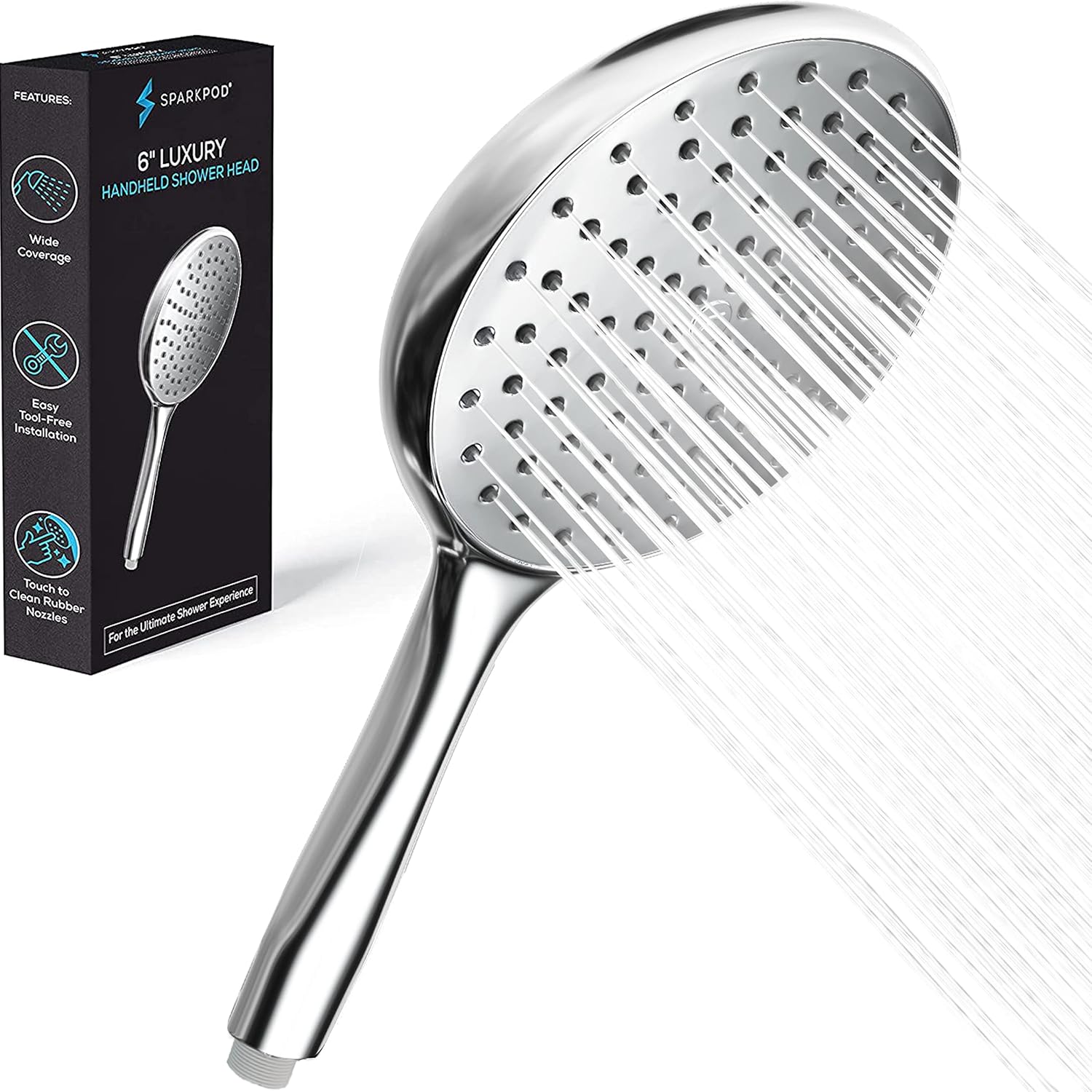
SparkPod Handheld Spray
Controlled Cooling. A fixed head forces you to stand. A handheld wand lets you sit and direct the cool water exactly where you need it (neck, back) without freezing your face.
Check Price on Amazon
FloTherm Digital Shower Thermometer
Precision Temperature Control. This LED display clips to showerhead, showing exact water temperature. Set audible alarm at 90°F. Essential for safe fever management.
Check Price on Amazon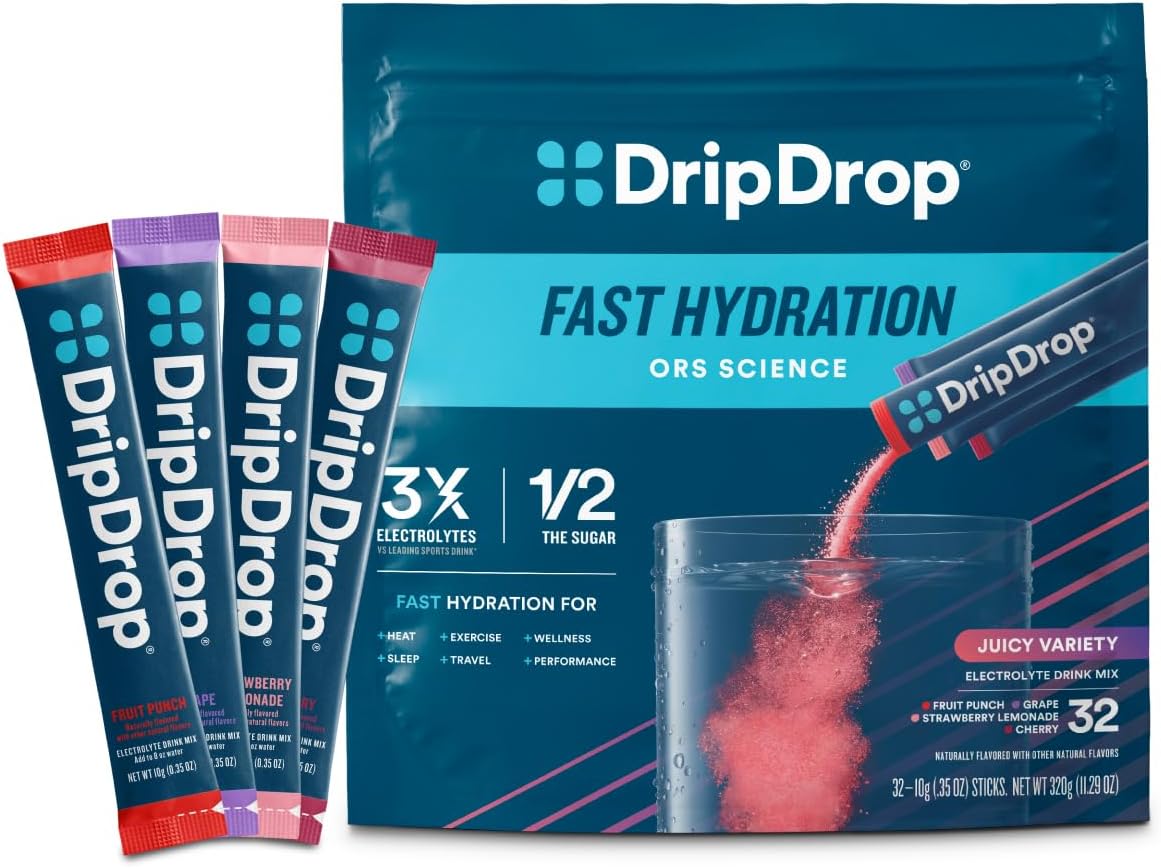
DripDrop ORS Hydration
Medical-Grade Rehydration. Fever causes fluid and electrolyte loss. These packets provide optimal sodium-glucose ratio for absorption. Mix with water before/after showering.
Check Price on Amazon
Gorilla Grip Extra-Large Mat
Comprehensive Fall Prevention. Covers entire shower/tub floor with hundreds of suction cups. Textured surface provides traction even when wet. Machine washable.
Check Price on AmazonMedication Interactions & Timing
When combining antipyretics with showering:
| Medication | Onset of Action | Peak Effect | Optimal Shower Timing |
|---|---|---|---|
| Acetaminophen (Tylenol) | 30-60 minutes | 1-3 hours | Shower 60-90 minutes after dose when fever begins to respond |
| Ibuprofen (Advil/Motrin) | 30 minutes | 1-2 hours | Similar timing—wait for medication effect before showering |
| Aspirin (Adults only) | 30-60 minutes | 1-2 hours | Note: increases bleeding risk if recent injury/surgery |
| Naproxen (Aleve) | 60 minutes | 2-4 hours | Longer acting—shower during peak effect period |
⚠️ Medication Warning: Never alternate acetaminophen and ibuprofen without medical guidance due to toxicity risks. Do not exceed maximum daily doses. Some combination cold medicines contain these ingredients—check labels to avoid doubling up.
Alternative Cooling Methods: Scientific Evaluation
When too weak for even a seated shower, these alternatives offer graduated cooling:
Sponge Bath (Tepid)
Most Recommended Alternative. Use basin of 85-90°F water. Wipe one body section at a time, allowing evaporation. Focus on high blood flow areas: neck, armpits, groin. Avoid alcohol rubs—can cause toxicity through skin absorption.
Cool Compresses
Targeted Application. Damp cloths on forehead, back of neck, wrists, ankles. Change every 5-10 minutes as they warm. Avoid ice packs directly on skin—can cause vasoconstriction.
Evaporative Cooling
Passive Method. Light cotton clothing, light bedding. Use fan on low setting directed nearby (not directly on person). Mist skin lightly with water spray bottle to enhance evaporation.
Hydration & Nutrition During Fever
Fever increases metabolic rate by approximately 7% per 1°F (12% per 1°C) elevation:
| Fluid Type | Benefits | Recommended Intake | Timing Relative to Shower |
|---|---|---|---|
| Water | Pure hydration, no additives | 8oz every 1-2 hours while awake | Drink 8oz 30 min before, immediately after shower |
| Oral Rehydration Solution | Replaces electrolytes lost through sweating | As directed on package | Particularly important if profuse sweating |
| Broth/Soup | Fluid + electrolytes + minimal calories | 1-2 cups every 3-4 hours | Warm (not hot) broth 1 hour before shower |
| Herbal Tea | Hydration + potential soothing effects | As desired, caffeine-free | Peppermint or ginger tea for nausea |
Dehydration Signs: Dry mouth, decreased urine output (dark yellow), dizziness worsening upon standing, sunken eyes (in children), confusion. If these occur, prioritize oral rehydration and consider medical evaluation. You can also track your hydration levels using our daily water consumption tracker.
Shower Water Usage During Illness: What You Should Know
When you’re ill with fever, your relationship to water changes dramatically—you need it both internally for hydration and externally for thermal management. Understanding how much water a fever shower actually uses can help you make smarter decisions about bathing frequency and duration during your recovery period.
A standard shower uses between 2 and 2.5 gallons per minute for older showerheads, while modern low-flow fixtures use as little as 1.5 GPM. A 5-minute fever shower therefore consumes roughly 7.5–12.5 gallons of water. This may sound modest, but if you’re showering two to three times daily for fever management, you’re consuming 15–37 gallons per day just for bathing. This is relevant for households on metered water billing and for those managing utility costs during extended illness.
💧 Water Usage During Recovery: Key Figures
Use our shower water usage calculator to estimate exactly how much water your fever showers consume based on your specific showerhead flow rate and shower duration. You can also compare whether a fever bath might be more or less wasteful than a shower using our shower vs. bath water savings calculator—often a surprise to caregivers who assume baths always use more water.
For households on tight budgets, extended illness with frequent bathing can add measurably to water bills. Our monthly water bill estimator can help you project the additional cost of fever management showers across a multi-day illness.
Optimizing Shower Duration for Fever Management vs. Water Conservation
The good news: the medically optimal fever shower (5-10 minutes at lukewarm temperature) happens to also be relatively water-efficient. Extended hot showers, which we recommend against for fever, both waste more water AND worsen your condition. Short lukewarm showers align perfectly with both health and conservation goals.
- 5-minute shower: ~10-12 gallons — medically sufficient for fever cooling, maximally water-efficient
- 10-minute shower: ~20-25 gallons — upper limit for fever management, still reasonable
- 15+ minute shower: ~30+ gallons — unnecessary for fever management, wasteful, and increases fall/fatigue risk
Cold Shower vs. Hot Shower for Fever: The Full Comparison Breakdown
Many people arrive at this topic wondering whether the age-old debate between cold versus hot showers applies differently during fever. The short answer is: during fever, neither extreme is appropriate—but understanding why requires examining the comparative physiology more carefully.
❌ Myth: Cold Showers Break Fevers Fastest
Cold water does cause initial skin cooling, which feels dramatic—but the body’s response is vasoconstriction and shivering, both of which generate significant internal heat. Studies show cold sponging in children actually increased measured discomfort scores by 40% compared to lukewarm sponging while providing no faster fever reduction at 1 hour.
✅ Fact: Lukewarm Achieves Gradual, Stable Cooling
Tepid hydrotherapy (85-90°F) achieves genuine core temperature reduction of 0.5-1°C over 30-45 minutes without triggering thermogenic defense mechanisms. The key is the “no shiver zone”—water warm enough to prevent vasoconstriction but cool enough to draw heat conductively from elevated skin and core.
❌ Myth: Hot Showers Sweat Out Toxins
There is no toxin “sweating out” mechanism in human physiology. The kidneys and liver perform detoxification—sweat primarily regulates temperature and excretes trace minerals. Forcing additional sweating through a hot shower while febrile increases dehydration risk dramatically and adds thermal load to an already stressed system.
✅ Fact: Hot Showers Can Aid Muscle Relaxation (When Afebrile)
Hot showers do have legitimate benefits for muscle aches—but specifically when you don’t have fever. For fever-related myalgia, the muscle relaxation effect is overshadowed by the danger of adding thermal burden. Wait until fever breaks, then a warm (not hot) shower can help with residual body aches.
The Post-Fever Recovery Shower: Getting Timing Right
Once your fever breaks (temperature returns below 99°F for more than 2 hours), you can gradually return to warmer shower temperatures. However, transition carefully—your thermoregulatory system remains disrupted for 12-24 hours after fever resolution. During this window, the body is particularly sensitive to temperature extremes. A comparison of cold versus hot shower benefits post-illness can help you plan your return to normal hygiene routines.
Recovery Shower Timeline: Day of fever break → lukewarm only. Day after fever breaks → slightly warmer (90-95°F okay). Two days after → normal shower temperature acceptable. Resume your usual shower hygiene routine fully once energy normalizes.
The Role of Shower Pressure in Fever Management
Most guides discuss water temperature during fever but overlook an equally important variable: water pressure. During illness, high-pressure water jets can be overwhelming to sensitized skin and may cause dizziness in weakened patients. Understanding how to adjust and why pressure matters forms an underappreciated aspect of fever shower safety.
Optimal Pressure Settings for Febrile Patients
Standard shower pressure runs between 40-60 PSI at the supply, producing 2-2.5 GPM at the showerhead. For fever management, you want a gentler flow—ideally 1.5-2 GPM—which reduces the physical impact on sensitive skin while still allowing adequate water-body heat exchange. If your shower pressure is unusually high or you’re experiencing low shower pressure unexpectedly, it can disrupt your ability to achieve the gentle, tepid flow that fever management requires.
Several conditions during illness worsen pressure sensitivity:
- Skin hyperalgesia: Fever can make skin touch-sensitive; high-pressure jets may feel painful on inflamed skin
- Headache amplification: Strong water pressure on the scalp exacerbates fever headaches. Learn more about how showers interact with headache symptoms
- Orthostatic instability: High pressure makes standing more difficult if already dizzy
- Energy expenditure: Bracing against strong water pressure increases caloric burn in already depleted patients
Using a Handheld Showerhead for Precision Control
A handheld showerhead is the single most important equipment upgrade for managing fevers safely at home. Unlike fixed overhead fixtures, handheld units allow you to control exactly where the water flows, at what angle, and from what distance. This enables precise application of tepid water to the neck, torso, and extremities—the highest-impact cooling zones—while seated securely in a shower chair.
Look for handheld models with multiple spray settings, including a gentle “mist” or “rainfall” mode specifically for sensitive-skin applications. Our comprehensive review of the best handheld shower heads includes options evaluated specifically for ergonomics, gentleness of flow, and ease of operation with weakened grip strength—all critical factors when you’re fighting fever.
Shower Timing and Fever: Morning vs. Night Showering During Illness
The debate between night showers vs. morning showers takes on additional clinical significance when you have a fever. Fever typically follows diurnal patterns—meaning it tends to be lower in the morning and peaks in the late afternoon to early evening (often between 4 PM and 9 PM). This biological rhythm should directly inform when you schedule fever showers for maximum benefit.
Morning Low — Lower Fever Risk Window
Core body temperature naturally dips to its lowest point in the early morning. This may be the safest time for a brief hygiene shower, as fever is often least intense. However, beware of rising rapidly from bed—orthostatic hypotension remains a risk even at lower fever levels.
Mid-Day Rise — Monitor Closely
Fever typically begins climbing. Avoid showering during a spike—the rising phase is the worst time, as the body is actively generating heat and showering during shivering or chills can be dangerous.
Peak Fever Window — Best Time for Therapeutic Shower
Counter-intuitively, the plateau phase at peak fever is the ideal time for a lukewarm shower. The fever has stabilized at its set point, so you’re not fighting a rising tide. A 5-8 minute tepid shower during plateau phase provides maximum comfort benefit.
Evening Decline — Sleep Preparation Shower
As fever naturally recedes in the evening, a brief lukewarm shower can assist this process and promote sleep onset. Research shows body temperature drop signals the brain to initiate sleep. Learn more about how warm showers help you sleep and the ideal temperature and timing for bedtime bathing during recovery.
Should You Shower Before Bed With a Fever?
A pre-bed lukewarm shower during fever recovery serves two simultaneous purposes: it provides gentle thermal management and exploits the sleep-promoting mechanism of post-shower body temperature drop. The concept of showering before bed for sleep quality is well-documented in sleep research—the cooling effect after stepping out of water signals the hypothalamus that sleep should begin. During fever, this effect is amplified: a brief 5-minute lukewarm shower 60-90 minutes before bedtime can meaningfully improve sleep quality during illness.
The key considerations for a pre-bed fever shower are safety (have a caregiver check on you) and completeness (dry hair thoroughly before sleep to prevent further chilling). If weakness is significant, defer the shower until you’re stronger and stick to cool compresses on pulse points before sleep.
The Hygiene Paradox: When Should You Actually Shower With a Fever?
A persistent question surrounds the intersection of illness and hygiene: are you obligated to shower daily even when febrile? The answer, perhaps surprisingly, is no—and understanding why helps reframe fever management priorities.
The Benefits of Not Showering Every Day (Including When Sick)
There is growing clinical recognition that daily showering, especially during illness, is not medically necessary and can actually be counterproductive. The benefits of not showering every day include preserving the skin’s protective microbiome, conserving energy (critical when febrile), and avoiding the fatigue and fall risks that accompany showering while weakened.
When you have a fever, your body is dedicating enormous metabolic resources to immune function. Every additional activity—including showering—draws from that limited energy budget. A full standing shower when genuinely weak may consume energy disproportionate to the hygiene benefit gained. On days when you’re significantly weakened, consider:
- Sponge bath of key areas (face, underarms, groin, feet) instead of full shower
- Dry shampoo for hair freshness without wet hair risks
- Antibacterial wipes for targeted hygiene on critical days
- Full shower only when you can sit safely and feel stable enough to complete it
- Never shower during active chills or while shivering intensely
- Never shower if you feel dizzy before even entering the bathroom
- Never shower if you have extreme fatigue and must support yourself on walls
Fever Showers and Specific Skin & Body Conditions
Showering With Stitches or Wounds During Fever
If you’re recovering from surgery or have stitches and develop a post-operative fever, showering becomes more complex. Post-operative fever (typically within 48-72 hours of surgery) is common and often represents normal inflammatory response rather than infection. However, the question of whether you can shower with stitches becomes intertwined with whether you should shower while febrile at all.
Key considerations in this scenario:
- Surgical site protection: Use waterproof dressings to cover stitches during any fever shower
- Temperature restriction: Already following lukewarm protocol—this doubles as wound protection (heat increases wound inflammation)
- Duration: Keep to under 5 minutes to minimize wound exposure to moisture
- Medical consultation: Post-operative fever with stitches requires your surgeon’s specific guidance before bathing
Showering With a New Tattoo During Fever
A freshly tattooed individual who develops fever faces a dual challenge: the tattoo itself requires careful water management, and fever adds another layer of skin sensitivity. If you need to know how to shower with a new tattoo and you’re running a fever, the principles align in one direction: lukewarm water only, short duration, no direct high-pressure spray on the tattoo, and careful pat-dry (never rubbing) of the tattooed area. Fever-related immune activation can also intensify tattoo inflammation, so keep the area cool and clean.
Steam Showers and Fever: A Special Caution
Steam showers have gained popularity for their respiratory and relaxation benefits, and it might seem intuitive that breathing warm steam would help with a fever accompanied by congestion. However, the benefits of steam showers are specifically contraindicated during active fever. Steam environments raise ambient temperature significantly (often to 110-120°F), adding dangerous thermal load to an already overheated system. Reserve steam shower therapy for after your fever has fully resolved.
Shower Design Considerations for Fever-Safe Bathrooms
If you or a family member frequently experiences febrile illness—whether from chronic conditions, a young child’s inevitable viral infections, or caring for elderly relatives—designing your bathroom with fever safety in mind is worth considering. Several shower design features make fever management significantly safer and easier.
Barrier-Free and Accessible Shower Designs
The safest shower for someone weakened by fever is one with no barriers to entry and no narrow spaces that require balance. Curbless shower entrances eliminate the step-over hazard that becomes genuinely dangerous when dizzy from fever. Similarly, doorless walk-in shower entries allow a caregiver to assist without navigating hardware.
For households with elderly members particularly prone to fever-related falls, the walk-in shower design gallery provides extensive inspiration for accessible configurations that work beautifully in small bathrooms. Key features to prioritize for fever safety:
- Wide shower opening (minimum 36 inches) for caregiver access
- Built-in shower bench or bench niche for seated showering
- Grab bars at entry point, along shower wall, and near controls
- Textured or non-slip floor tile throughout
- Handheld showerhead on an adjustable slide bar
- Easy-reach thermostatic controls at entry height
Shower Seating Options for Fever Recovery
Beyond freestanding shower chairs, built-in shower seating offers a permanent, sturdy solution for households where seated showering during illness is frequently needed. A shower with a built-in floating bench provides a stable, non-movable seat that is more reliable than a freestanding chair that can slip or tip when a patient leans on it. For smaller spaces, a teak shower bench provides warmth, anti-slip properties, and aesthetic appeal while serving the practical purpose of fever shower safety.
For those caring for an ill person who uses a wheelchair or requires maximal assistance, a table shower (also called a Vichy shower) represents the most controlled, accessible hydrotherapy option—particularly useful in professional care settings or home setups designed for comprehensive care.
Bathroom Hygiene During Fever: Preventing Secondary Infection
When you shower with a fever, you introduce potentially infectious material (mucus, skin cells, respiratory droplets from coughing or sneezing) into your bathroom environment. Maintaining bathroom hygiene during illness is essential both for your own recovery and for protecting household members.
Cleaning the Shower During Illness
Shower surfaces can harbor pathogens that survive on wet surfaces for hours. During illness, ideally disinfect shower surfaces after each use or at minimum daily. Key attention areas:
- Showerhead: Biofilm buildup provides a reservoir for bacteria. See our guide on cleaning a showerhead with vinegar for an effective, chemical-free approach safe even when household members are ill
- Grout lines: Porous grout can trap and harbor pathogens. Learn how to clean shower grout effectively
- Shower mat: A damp non-slip mat can be a breeding ground for mold and bacteria during extended illness periods—wash or sanitize every 2-3 days
- Musty smell: A musty shower smell during illness can indicate mold growth accelerated by prolonged wet conditions from increased showering
Mold and Mildew: A Fever Recovery Hazard
Increased showering frequency during illness—especially multiple short fever showers daily—keeps bathroom surfaces consistently wet longer than normal. This creates optimal conditions for mold and mildew growth. Ironically, mold exposure can itself trigger immune responses that complicate fever management. Use the best shower mold cleaner as a preventive measure if you anticipate an extended illness recovery period, and ensure adequate bathroom ventilation.
Hot Showers for Symptom Relief: When They Help (and When They Don’t)
While hot showers are contraindicated for fever itself, many of the associated symptoms of febrile illness do respond to different temperature interventions. Understanding this nuance helps you use hydrotherapy strategically across the different symptom profile of your illness.
Fever-Associated Headache
Fever headaches result from several mechanisms: cytokine-mediated cerebral vasodilation, dehydration, and intracranial pressure changes. Whether a hot shower helps a headache is explored in depth at our headache shower guide—the answer is nuanced. For tension headaches without fever, warmth can provide relief through vasodilation. But for fever-related headaches, the hot shower’s thermal addition can worsen intracranial pressure. Lukewarm showers (our recommended fever temperature) provide mild headache relief through general comfort without the thermal hazard.
Fever-Associated Nausea and Stomach Upset
Nausea is common with high fever, partly from the fever itself and partly from associated illness. Some people find that a brief lukewarm shower reduces nausea by shifting blood flow from the gastrointestinal tract (where concentration of blood can worsen nausea) toward the skin periphery. If nausea is severe enough to make you vomit, do not attempt showering at all—vomiting adds dehydration and sudden positional changes that increase fall risk.
Hangover vs. Fever: Distinguishing the Difference
Alcohol hangover produces symptoms superficially similar to mild fever—elevated heart rate, sweating, weakness, headache, and nausea. However, hangover does not involve genuine pyrexia (your core temperature may actually be slightly lower than normal due to alcohol’s hypothermic effects). While a shower’s role in treating hangover symptoms differs from fever management, the hygiene principle remains consistent: avoid very hot showers when already cardiovascularly stressed, regardless of whether it’s fever or hangover driving the instability.
Shower Temperature Science: What the Research Actually Says
🔬 The Evidence Base for Tepid Hydrotherapy
The clinical research on tepid sponging and shower temperature during fever spans several decades and multiple patient populations. Key findings consistently support the lukewarm (tepid) approach:
Pediatric Studies (2004-2019): A meta-analysis published in the Archives of Disease in Childhood examined 11 randomized controlled trials comparing tepid sponging to antipyretics alone in febrile children. Tepid sponging provided statistically significant additional temperature reduction at 30 minutes compared to antipyretics alone (mean reduction: 0.38°C additional). Critically, no trials found cold water superior to tepid—several found cold water significantly worse due to shivering induction.
Adult Critical Care Research: In intensive care settings where fever control is crucial, external cooling via water at 29-32°C (our recommended range) is a standard adjunct therapy. This temperature range was specifically selected in clinical protocols because it falls below the shivering threshold (approximately 25°C ambient) while providing efficient conductive heat transfer.
Thermoregulation Physiology: The human body’s thermo-neutral zone—temperatures at which it neither generates nor dissipates heat—is approximately 28-32°C for water, which corresponds to 82-90°F. Our recommended 85-90°F shower temperature sits at the upper end of this zone, providing cooling without triggering thermogenic defense. This is the physiological sweet spot.
Why the “Cold Shower Myth” Persists
Despite evidence, many people still instinctively reach for cold water when feverish. This likely stems from:
- Immediate sensation: Cold water feels dramatically cooling on the skin, creating the impression it must be working internally
- Cultural transmission: The “cold bath for fever” approach predates modern physiological understanding and was a common home remedy for centuries
- Misapplied logic: “I’m hot, cold water is cooler than lukewarm, therefore cold is better” is intuitively appealing but physiologically incorrect
- Cold shower wellness trend: The separate benefits of cold showers for mental health in healthy individuals have created cultural enthusiasm for cold water that doesn’t appropriately distinguish between fever and normal physiology
When Showering Isn’t Enough: Escalating Fever Management
Hydrotherapy is a comfort measure and mild adjunct to fever management—not a primary treatment. Understanding when to escalate beyond showering is critical for safe home care.
The Decision Tree: Shower → Sponge Bath → Medical Care
Stay Home & Shower If:
- Fever 101-103°F in otherwise healthy adult
- Able to sit upright safely and walk to bathroom
- Responsive to antipyretics (fever drops with medication)
- Maintaining hydration (urinating at least every 4-6 hours)
- Fever present <72 hours
- No concerning associated symptoms (rash, neck stiffness, confusion)
Skip Shower, Use Sponge Bath If:
- Fever >103°F and not yet evaluated by doctor
- Cannot safely walk to bathroom unassisted
- Significant dizziness even when lying down
- Active vomiting or severe nausea
- Extremely rapid heart rate at rest (>100 BPM without exertion)
- Any confusion or disorientation
Fever and Special Circumstances: Thunderstorms, Travel, Unique Situations
One underappreciated question about showering during fever involves outdoor weather: should you shower during a thunderstorm if you’re febrile? The danger of showering during thunderstorms relates to electrical risk through plumbing—a real phenomenon where lightning can travel through metal pipes and water. This risk is independent of your fever status. During any thunderstorm, postpone your fever shower until the storm passes. A brief delay of 20-30 minutes poses minimal risk to fever management but eliminates a real electrical hazard.
Showering With Fever After Exercise or Physical Activity
A less common but clinically important scenario involves people who develop fever during or immediately after exercise. Post-exercise hyperthermia (elevated body temperature from exertion) is physiologically distinct from infectious fever, but the two can overlap—particularly in athletes who push through early illness symptoms. Understanding the distinction matters for shower decisions.
Post-exercise, body temperature typically returns to normal within 30-60 minutes. If temperature remains elevated (>100.4°F) at 60+ minutes post-exercise, an infectious fever component should be suspected. The shower guidance for showering after exercise specifically recommends waiting for heart rate to normalize before showering—this applies even more urgently when fever is present, as cardiovascular stress is compounding.
For gym-goers who shower at fitness facilities while ill: please do not. The gym shower routine guidance includes clear direction that communal shower use during active febrile illness risks transmitting infection to others through shared water vapor, surfaces, and proximity in an enclosed space.
Cold vs. Hot Shower After Fever Breaks: Your Return-to-Normal Guide
The moment your fever breaks is often celebrated—but it doesn’t mean you should immediately return to your normal shower temperature habits. The post-fever period requires a graduated return to normal thermoregulatory function.
Day-by-Day Shower Temperature Guidance Post-Fever
| Day Post-Fever Break | Safe Water Temp | Duration Limit | Special Notes |
|---|---|---|---|
| Day 0 (Fever breaks) | 85-90°F (lukewarm) | 5 minutes | Thermoregulation still disrupted; treat as still febrile |
| Day 1 Post-Fever | 90-98°F | 8 minutes | Gradually warming; still avoid hot. Dry hair immediately. |
| Day 2 Post-Fever | 95-104°F | 10 minutes | Normal warm shower acceptable; avoid steaming hot |
| Day 3+ Post-Fever | Normal preference | Normal | Full return to routine if energy allows. Monitor for relapse. |
Shower Frequency, Duration, and Water Cost During Extended Illness
Extended illness—lasting 5-10+ days as with influenza or certain bacterial infections—creates an accumulated water usage and utility cost that caregivers and patients should be aware of. Multiple short fever management showers throughout the day can meaningfully increase water consumption and associated billing.
Practical tools to estimate this impact:
- Use our shower water usage calculator to enter your showerhead GPM and average fever shower duration to see daily consumption
- The monthly water bill estimator can project how a 10-day illness with 2-3 daily showers affects your monthly utility cost
- Compare the cost-effectiveness of sponge baths versus showers—sponge baths typically use only 1-2 gallons versus 10-25 for a shower, representing 80-90% water savings while providing comparable fever management benefit
- If your home has low water pressure that limits effective fever shower temperature control, our guide on fixing low shower water pressure may help you achieve more consistent flow
💡 Caregiver Water Conservation Tip
When bathing an ill family member with sponge baths instead of showers, you’re not just protecting them from fall risk—you’re also potentially saving 80-90% of the water that would be used by a shower. Over a 7-day illness with twice-daily bathing, this can represent 100+ gallons saved. Use our shower vs. bath savings calculator to quantify the exact difference for your household setup.
When to Use the ER vs. Home Fever Management
Frequently Asked Questions (Expanded)
Does “sweating it out” work?
No, this is a dangerous myth. Attempting to “sweat out” a fever by taking hot showers, using saunas, or burying yourself in blankets can dangerously raise core temperature, potentially leading to heat exhaustion or heat stroke. The sweat produced during fever is a cooling mechanism, not a means of “expelling toxins.” Forcing additional sweating through external heat increases dehydration and metabolic stress.
Can I wash my hair when I have a fever?
Yes, but with precautions. Wet hair can cause significant heat loss through the scalp, potentially triggering shivering. If you wash hair, immediately dry it thoroughly with a towel followed by hair dryer on warm (not hot) setting. Keep the rest of your body covered during hair washing/drying to prevent chilling. Consider delaying hair washing until fever breaks if feeling particularly weak. Hair washing during fever is also connected to your shower routine for hair health—illness itself can temporarily worsen hair shedding due to the physiological stress of fever.
Why do I feel colder after a shower with a fever?
Evaporative cooling effect. Water on your skin evaporates, absorbing heat energy from your body (approximately 580 calories per gram of water evaporated). This is therapeutic for fever reduction but can feel uncomfortably cold if room temperature is cool or if you dry incompletely. To mitigate: ensure bathroom is warm (75-78°F), dry thoroughly immediately, dress in light layers, and avoid drafts.
Should I shower if I’m dizzy?
Absolutely not unless fully seated with assistance. Dizziness indicates potential orthostatic hypotension or dehydration, both of which increase fall risk. If dizzy, opt for sponge bath in bed. Have someone bring supplies to you. Our guide on shower-related dizziness explains the vasodilation mechanisms that fever exacerbates in detail.
How often can I take fever-reducing showers?
Maximum 2-3 times daily, spaced at least 4 hours apart. Excessive showering can dry skin, cause chilling, and increase energy expenditure. More frequent than this provides diminishing returns and may interfere with rest. Between showers, use sponge baths or cool compresses if additional cooling is needed.
Can fever showers help with body aches?
Yes, lukewarm showers can provide temporary relief. The warmth helps relax muscles, and buoyancy reduces pressure on joints. However, the effect is temporary (30-60 minutes). For persistent aches, consult your healthcare provider about appropriate analgesics. The shower should not replace medical treatment for underlying causes of pain.
Is it safe to shower with fever and diarrhea?
Extra caution required. Diarrhea increases dehydration and electrolyte imbalance. Ensure excellent hydration before considering showering. Have a shower chair and helper nearby. Keep shower under 5 minutes. Monitor for dizziness closely. If weak from illness, sponge bath is safer.
Can I use essential oils in my fever shower?
Generally not recommended. Many essential oils (eucalyptus, peppermint, camphor) can be absorbed through skin and may interact with medications or cause irritation. Fever increases skin permeability. If using, dilute heavily (1-2 drops in entire shower) and avoid direct skin contact. Better to use in diffuser in bedroom instead.
Can pregnant women take showers when they have a fever?
Yes, with important modifications. Fever during pregnancy requires prompt medical evaluation as it can affect fetal development—particularly in the first trimester. Pregnant women should avoid any water temperature above 100°F (38°C) even when afebrile. Our comprehensive guide on hot showers during pregnancy covers the risks of elevated maternal temperature and appropriate thermal limits. During fever, a pregnant woman should use the same lukewarm (85-90°F) shower protocol described here, but should contact her OB-GYN promptly regardless of fever severity.
Does shower water quality affect fever recovery?
Indirectly, yes. Hard water with high mineral content can irritate already-sensitized febrile skin, and chlorinated tap water can dry out skin further when showering multiple times daily. If you’re immunocompromised or have sensitive skin, consider a shower filter to reduce chlorine and particulate exposure. While this won’t directly change fever trajectory, reducing skin irritation during extended illness improves comfort and reduces the risk of secondary skin infection in compromised patients.
Is it bad luck to shower on New Year’s Day with a fever?
Medically speaking, no. While some cultures observe the tradition of not showering on New Year’s Day for superstitious reasons, this has no bearing on fever management. If you have a fever on New Year’s Day and a lukewarm shower would provide comfort and safety, the medical recommendation remains unchanged: shower appropriately if you can do so safely, regardless of cultural calendar.
What about showering with contact lenses during fever?
Remove contacts before showering, especially during fever. The risks of showering with contact lenses include waterborne infection risk—particularly relevant when immunocompromised by fever. Additionally, disorientation or dizziness during a fever shower makes removing contacts mid-shower difficult and dangerous. Always remove lenses before entering the shower.
Seasonal Considerations & Environmental Factors
Summer Fever Management
Challenge: High ambient temperature reduces temperature gradient for cooling.
Solutions: Use air conditioning if available. Shower during coolest part of day. Consider slightly cooler water (85°F vs 90°F). Increase hydration significantly. Use fans for evaporative cooling after shower.
Winter Fever Management
Challenge: Cold environment increases shivering risk.
Solutions: Warm bathroom before showering (space heater safely placed). Pre-warm towels and clothing. Keep shower duration shorter (5 minutes). Dress immediately in warm but breathable layers.
Psychological Aspects & Comfort Measures
Fever isn’t just physical—it affects mental state significantly:
- Anxiety Reduction: The routine of a gentle shower can provide psychological comfort and sense of normalcy during what is often an anxious time.
- Temperature Dysregulation Perception: Fever can cause distorted temperature perception—you may feel cold when actually hot. Trust your thermometer over sensations when deciding whether to add or remove layers.
- Rest Optimization: A brief lukewarm shower before bed, as discussed in our guide on showers and sleep quality, can facilitate rest by slightly lowering body temperature, triggering sleep onset through the body’s temperature-drop sleep signal.
- Music and Distraction: A Bluetooth shower speaker playing calm music during a fever shower can reduce anxiety, distract from discomfort, and make the experience more tolerable—particularly for children. Choose waterproof models rated IPX7 or higher for shower environments.
- Caregiver Role: For children or elderly, the comforting presence during sponge bathing or assisted showering provides emotional support that genuinely aids recovery through parasympathetic nervous system activation.
Quick Reference: Fever Shower Decision Cheat Sheet
| Situation | Action | Water Temp | Duration |
|---|---|---|---|
| Fever 99-100.9°F, feels okay | Optional shower for hygiene/comfort | 85-95°F | Up to 10 min |
| Fever 101-102.9°F, stable | Lukewarm shower seated | 85-90°F | 5-8 min |
| Fever 103-104°F | Sponge bath; call doctor | 85-90°F | 5 min max |
| Fever >104°F | Seek medical care; no solo shower | Doctor first | N/A |
| Active chills/shivering | No shower; bundle lightly | N/A | Wait for plateau |
| Dizzy on standing | Bed sponge bath only | 85-90°F basin | 5-10 min |
| Child under 6 months, any fever | Seek medical care immediately | N/A | N/A |
| Fever just broke | Lukewarm shower okay; graduating to warmer | 85-95°F | 5-8 min |
Conclusion: The Science of Safe Fever Management
The question of cold versus hot showers for fever reveals a fundamental truth about managing illness: the body’s intricate thermoregulatory systems require respectful collaboration, not aggressive intervention. Lukewarm hydrotherapy represents this collaborative approach—assisting natural cooling mechanisms without triggering counterproductive physiological responses.
By understanding fever classification, timing interventions appropriately, respecting individual vulnerabilities (age, comorbidities, special circumstances like pregnancy or stitches), and prioritizing safety through proper equipment like shower chairs, handheld showerheads, and temperature monitors, you transform a simple hygiene activity into a therapeutic tool. Remember that fever itself is usually beneficial—it enhances immune function and creates unfavorable conditions for pathogens. Our goal is comfort and safety, not necessarily fever elimination.
When in doubt, err on the side of caution: choose sponge baths over showers, rest over activity, and medical consultation over guessing. Your body is engaged in the complex work of healing; your role is to support that process intelligently and gently.
For most fevers (101-103°F/38.3-39.4°C): 5-10 minute lukewarm shower (85-90°F) while seated, following pre- and post-shower hydration protocols.
For high fevers (>103°F/39.4°C): Medical evaluation first, then lukewarm sponge baths under guidance.
When weak or dizzy: Sponge bath in bed—skip the shower entirely.
For children: Age-appropriate modifications with heightened safety vigilance.
Post-fever: Gradually return to normal temperatures over 2-3 days.
Disclaimer: As an Amazon Associate, ShowerInsider earns from qualifying purchases. This guide synthesizes information from the American Academy of Pediatrics, Centers for Disease Control and Prevention, and peer-reviewed research in thermoregulation and infectious disease management. It is intended for educational purposes and should not replace individualized medical advice from your healthcare provider.
Pingback: Can You Shower With a Cold? Safe Guide & Tips