
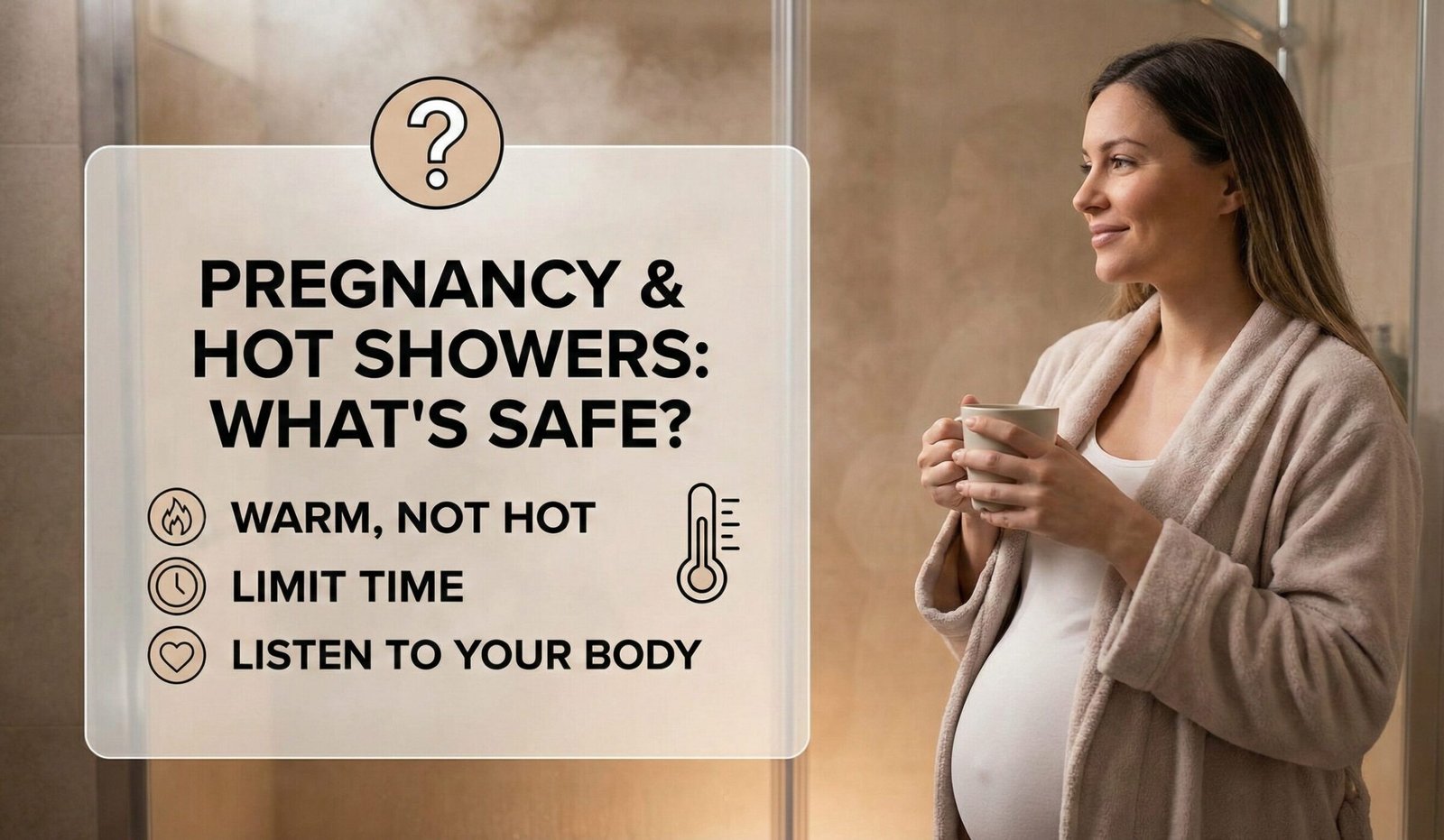
The Complete Guide to Showering During Pregnancy: Safety, Science & Comfort
The warmth of a shower can feel like a sanctuary during pregnancy—a rare moment of relief from back pain, swelling, and the constant physical demands of growing a human. Yet as you reach for the temperature control, a wave of uncertainty washes over you: “How hot is too hot? Am I risking my baby’s development?” This comprehensive guide addresses every aspect of shower safety during pregnancy, from the microscopic risks of hyperthermia to the practical challenges of balancing with a growing bump.
We’ll explore not just temperature guidelines, but trimester-specific protocols, high-risk pregnancy considerations, postpartum recovery bathing, and the psychological benefits of this daily ritual. Whether you’re in your first weeks or preparing for delivery, this evidence-based resource empowers you to make informed decisions for both your comfort and your baby’s safety.
Yes, pregnant women can and should shower—but with specific temperature and time limits. The consensus from obstetric organizations worldwide is to keep water temperature below 100°F (37.8°C) and limit shower duration to 10-15 minutes. Your skin should feel warm but not turn red, and you should never begin to sweat. This guideline is most critical during the first trimester when neural tube development occurs, but remains important throughout pregnancy due to cardiovascular changes and fall risks.
Trimester-Specific Showering Guidelines
Weeks 1-13
Critical Period: Neural tube closure occurs weeks 4-6. Temperature regulation is paramount.
- Temperature: Maximum 98-100°F (36.7-37.8°C)
- Duration: 10 minutes maximum
- Key Risk: Hyperthermia-induced neural tube defects
- Symptoms to Watch: Morning sickness may worsen with heat
Weeks 14-27
Relative Stability: Organogenesis complete, but cardiovascular stress increases.
- Temperature: 100-102°F (37.8-38.9°C) acceptable with caution
- Duration: 15 minutes maximum
- Key Risk: Orthostatic hypotension and falls
- Comfort Focus: Relief from round ligament pain
Weeks 28-40+
Physical Challenges: Balance issues, swelling, and preparation for labor.
- Temperature: 100°F (37.8°C) maximum due to increased blood volume
- Duration: 10-12 minutes (fatigue risk)
- Key Risk: Falls and preterm labor concerns
- Special Protocol: Partner-assisted showering recommended
The Science of Hyperthermia & Fetal Development
Understanding why temperature matters requires a dive into maternal physiology and embryonic development:
Core vs. Skin Temperature
Your skin can tolerate higher temperatures than your core. When skin temperature reaches 104°F (40°C), core temperature begins rising within 10-15 minutes. Pregnant women have reduced thermoregulatory efficiency due to increased blood volume and metabolic rate.
Neural Tube Defect Mechanism
Elevated core temperature (>102°F/39°C) increases heat shock proteins and interferes with folate metabolism. This disrupts proper neural fold closure between days 21-28 post-conception, potentially causing spina bifida or anencephaly.
Cardiovascular Stress
Pregnancy increases blood volume by 40-50%. Heat causes vasodilation, pooling blood in extremities and potentially reducing uterine blood flow. This combination can cause dizziness, syncope, and in rare cases, reduced fetal oxygenation.
Weeks 4-13 are the most vulnerable period. Research in the Journal of the American Medical Association indicates that maternal hyperthermia (core temperature >102°F/39°C for >10 minutes) during this window is associated with a 2-3 times increased risk of neural tube defects. This is why many obstetricians advise extra caution before pregnancy is confirmed, as neural tube closure occurs before most women know they’re pregnant.
Safe Temperature Gauge: Understanding the Zones
How to Test Without a Thermometer: Use the “elbow test.” Run water over your inner elbow—if it feels comfortably warm but not hot, it’s likely safe. If it feels hot or causes your skin to redden immediately, it’s too warm. For complete precision, consult our ideal shower temperature guide, which covers the full spectrum from cold to scalding and what each range does to your body—information especially critical during pregnancy.
High-Risk Pregnancy Considerations
- Preeclampsia/Gestational Hypertension: Heat can exacerbate blood pressure fluctuations
- Gestational Diabetes: Neuropathy may reduce temperature sensation in extremities
- Multiples (Twins/Triplets): Higher metabolic rate and blood volume increase heat sensitivity
- Placenta Previa/Vasa Previa: Bleeding risk may contraindicate certain positions/movements
- Cervical Insufficiency/Preterm Labor History: Heat may theoretically stimulate uterine contractions
| Condition | Shower Modifications | Temperature Limit | Time Limit |
|---|---|---|---|
| Preeclampsia | Always have someone nearby. Monitor for dizziness. Avoid contrast temperatures. | 98°F (36.7°C) max | 8 minutes |
| Gestational Diabetes | Test blood sugar before showering. Check feet for injuries after. Use shower chair. | 100°F (37.8°C) | 10 minutes |
| Multiples Pregnancy | Mandatory shower chair. Partner assistance recommended. Extra hydration before/after. | 98°F (36.7°C) max | 8 minutes |
| History of Preterm Labor | Avoid pulsating settings on showerhead. Monitor for contractions afterward. | 100°F (37.8°C) | 10 minutes |
| Pelvic Girdle Pain (PGP) | Use grab bars. Wide stance. Consider seated showering with bench. | 102°F (38.9°C) for pain relief | 12 minutes |
Essential Safety Gear for Pregnancy Showering
Your changing body requires adaptive tools. These Amazon picks address pregnancy-specific challenges:
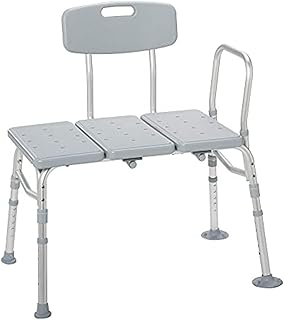
Heavy Duty Shower Bench
Essential for Third Trimester. Don’t risk a fall. Sit down to shave your legs or just relax. This isn’t just a bariatric solution; it’s a safety must-have for expectant moms.
Check Price on Amazon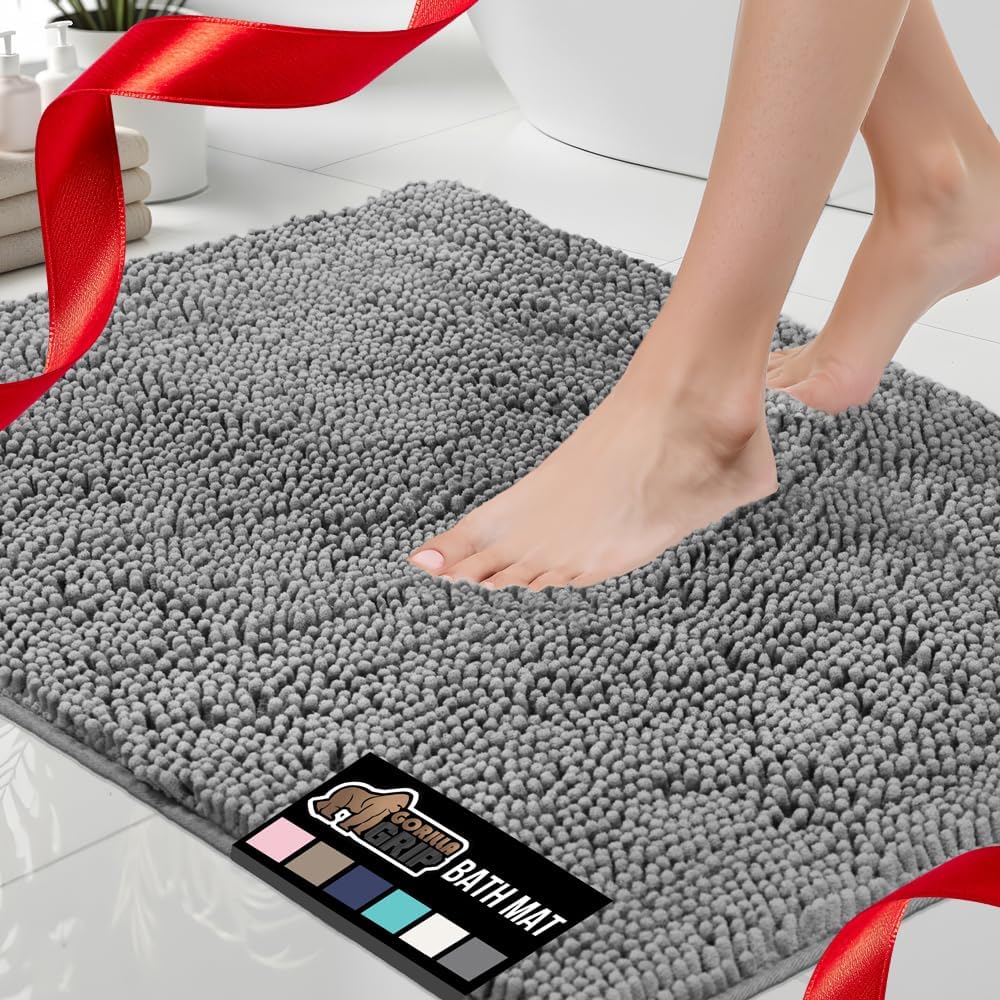
Gorilla Grip Non-Slip Mat
Fall Prevention. Your balance is compromised. This mat has hundreds of suction cups to ensure you don’t slip. Also, use a shower squeegee to keep the floor dry after use.
Check Price on Amazon
SparkPod Handheld Wand
Control & Reach. Reaching your feet becomes impossible. A handheld wand lets you wash without bending over. It pairs perfectly with a dual shower head system.
Check Price on Amazon
FloTherm Digital Shower Thermometer
Precision Temperature Monitoring. This LED display clips to your showerhead, showing exact water temperature. Crucial for first trimester safety. Set an audible alarm at 100°F.
Check Price on Amazon
Earth Mama Organic Pregnancy Wash
Gentle, Hormone-Safe Formula. Free from phthalates, parabens, and synthetic fragrances that can disrupt endocrine function. Calms nausea with natural ginger and citrus.
Check Price on Amazon
Moen Home Care Grab Bar
No-Drill Installation. This suction-based grab bar provides stability without permanent installation. Holds up to 250 lbs. Essential for getting in/out of shower safely.
Check Price on AmazonProduct Safety: Ingredients to Avoid During Pregnancy
| Ingredient | Common In | Potential Risk | Safer Alternatives |
|---|---|---|---|
| Phthalates | Fragranced body washes, shampoos | Endocrine disruption, possible developmental effects | Fragrance-free or naturally scented with essential oils (in moderation) |
| Parabens | Preservatives in most conventional products | Estrogenic activity, potential breast cancer risk | Products preserved with vitamin E, grapefruit seed extract |
| Retinoids (Vitamin A derivatives) | Anti-aging body washes, acne treatments | Teratogenic at high doses (birth defects) | Vitamin C, azelaic acid, glycolic acid (in low concentrations) |
| Essential Oils: Some types | “Natural” products, aromatherapy washes | Rosemary, sage, juniper may stimulate contractions | Lavender, chamomile, ylang-ylang (diluted, after first trimester) |
| Triclosan | Antibacterial soaps | Thyroid disruption, antibiotic resistance | Plain soap and water, benzalkonium chloride if needed |
The Dizziness & Fall Prevention Protocol
Orthostatic hypotension affects 20-30% of pregnant women, peaking in the second trimester. The shower is a high-risk environment. Understanding why dizziness and nausea happen in the shower is especially important during pregnancy, since the vasodilation mechanisms that affect all people are dramatically amplified by the hormonal and cardiovascular changes of pregnancy.
Pre-Shower Preparation
Drink 8 oz of water 30 minutes before. Have a light snack if it’s been >2 hours since eating. Use the toilet first—a full bladder increases vasovagal response risk.
Entering & Exiting Strategy
Sit on the edge of the tub/swing legs over slowly. Use grab bars. Exit sitting down, then stand gradually. Keep a towel and robe within arm’s reach to prevent reaching.
During Shower Positioning
Avoid locking knees. Shift weight gently. If using a shower chair, ensure it’s positioned away from direct water stream to prevent slippery seat. Consider rainfall showerheads for gentler, more evenly distributed water that reduces cardiovascular shock compared to powerful jet streams.
Immediate Action: 1) Turn off water. 2) Sit down immediately (even on wet floor). 3) Lower head between knees or lie on left side. 4) Call for assistance. Do not try to “power through” or rush to get out.
Water Breaking in the Shower: Protocols & Myths
Many women worry about their water breaking during a shower. Here’s what you need to know:
MYTH: Shower water pressure can break your amniotic sac.
FACT: Your water breaks when the amniotic sac ruptures naturally or is ruptured medically. Shower pressure cannot cause this.
MYTH: You won’t notice your water breaking in the shower.
FACT: Amniotic fluid is typically continuous leakage, not a single gush for 85% of women. You’ll notice it continues after you turn off the water and dry off.
If Your Water Breaks in the Shower:
- Don’t Panic: This is a common occurrence. Note the time.
- Observe Fluid: Clear or pale pink is normal. Green or brown may indicate meconium—inform your provider.
- Do Not: Insert anything into vagina (no tampons, no checking dilation).
- Finish Showering: You can continue to wash, but avoid bath products in vaginal area.
- Contact Your Provider: Most recommend heading to hospital/birth center within timeframe they specify (usually 12-24 hours).
Postpartum Showering & Recovery
The first shower after delivery is both physically challenging and emotionally significant. Here’s what to expect:
| Delivery Type | When to First Shower | Special Considerations | Temperature Guidelines |
|---|---|---|---|
| Vaginal Delivery | 4-6 hours postpartum, or when you feel steady enough to stand | Use peri bottle for cleansing before/during. Pat stitches dry—don’t rub. Sitz bath may be recommended instead initially. | Warm (100°F max) to soothe perineal tissues |
| C-Section | 24-48 hours, with assistance first time | Keep incision dry—use waterproof dressing if provided. Face away from stream. Pat incision dry thoroughly after. | Warm (100°F) to avoid vasodilation near incision |
| With Episiotomy/Tearing | When comfortable, usually same day | Use handheld showerhead to direct water away from stitches initially. Consider shower chair for stability if lightheaded. | Cool to lukewarm (95-98°F) to reduce swelling |
Partner-Assisted Showering Techniques
As pregnancy progresses, having your partner assist can enhance safety and create bonding moments:
- Third Trimester Protocol: Partner should be within calling distance, not necessarily in the bathroom unless needed for physical support.
- Assisted Washing: Partner can wash hard-to-reach areas (back, feet) while you sit on shower chair.
- Drying Assistance: Particularly important for women with pelvic girdle pain or balance issues.
- Emotional Benefits: This can be intimate, non-sexual bonding time. Some couples play soft music using a waterproof Bluetooth shower speaker for a calming atmosphere, or use dim lighting.
Seasonal & Environmental Considerations
Summer Pregnancy Showering
Challenge: Ambient heat combined with shower heat increases hyperthermia risk.
Solutions: Shower during coolest part of day. Use lukewarm or cool showers. Run bathroom fan and open window if safe. Consider a shower filter installation to remove chlorine that can dry already-stretched pregnancy skin further.
Winter Pregnancy Showering
Challenge: Temptation to use very hot water when cold.
Solutions: Preheat bathroom with space heater (placed safely away from water). Keep robe/towels warm on radiator. Limit shower time strictly. Moisturize immediately after to combat dry winter skin.
Psychological & Emotional Benefits
Beyond physical hygiene, showering offers significant mental health benefits during pregnancy:
Stress Reduction
Warm water (within safe limits) increases oxytocin and decreases cortisol. The white noise of a shower can create a meditative space away from external stressors—especially valuable during pregnancy when anxiety is common.
Body Connection
Gentle washing of your growing belly can foster maternal-fetal bonding. This is a time to appreciate your body’s incredible work rather than focus on discomfort or appearance changes.
Sleep Preparation
The post-shower temperature drop signals sleep readiness—valuable when pregnancy insomnia strikes. Our guide on how warm showers help you sleep explains the thermoregulatory mechanism that makes a pre-bedtime shower particularly effective for pregnant women experiencing disrupted sleep.
Emergency Scenarios & When to Seek Help
- You faint or nearly faint in the shower
- Experience vaginal bleeding (bright red, more than spotting)
- Have severe abdominal pain or regular contractions (<37 weeks)
- Notice decreased fetal movement after showering
- Experience vision changes, severe headache, or upper abdominal pain (preeclampsia signs)
- Fall and hit your abdomen or head
Travel & Hotel Shower Safety
When away from home, extra precautions are needed:
- Temperature Testing: Hotel showers often have inconsistent temperatures. Run water for 2+ minutes before entering. Use the elbow test.
- Non-Slip Solutions: Pack a portable non-slip mat or use a towel on the floor.
- Lighting: Use night light if unfamiliar with bathroom layout.
- Emergency Plan: Know the local emergency number and hospital location.
- For camping/outdoors: Consider portable shower tents with temperature controls, which are safer than improvised outdoor bathing for pregnant women.
Morning Sickness and the Shower: How Water Temperature Affects Nausea
Morning sickness affects up to 80% of pregnant women in the first trimester, and the shower is one of the most common triggering or relieving environments depending on how it’s used. Understanding the relationship between shower temperature and nausea can transform your morning routine from an ordeal into genuine relief.
Why Hot Showers Can Worsen Nausea During Pregnancy
Heat triggers vasodilation, reducing blood pressure and causing blood to pool in peripheral vessels. In a pregnant woman already experiencing the progesterone-driven blood pressure changes of early pregnancy, this effect is amplified. Low blood pressure is one of the most common drivers of nausea, which is why standing in a hot shower when already queasy can quickly turn unpleasant—or dangerous.
Additionally, steam from hot showers can intensify olfactory sensitivity, which is already dramatically heightened during the first trimester due to estrogen surges. If certain soap or shampoo fragrances trigger nausea, steam carries those volatile molecules more aggressively into the nasal passages. This is one reason to choose fragrance-free products and use your filtered showerhead to reduce chlorine off-gassing, which can also trigger scent-induced nausea.
How to Use the Shower to Relieve Nausea
Conversely, a strategically timed and temperature-controlled shower can be a powerful nausea management tool:
- Temperature strategy: Lukewarm to cool water (94-98°F) maintains blood pressure stability while providing sensory reset without scent amplification from steam
- Ginger aromatherapy: A few drops of diluted ginger essential oil on a washcloth (not in the water stream) provides anti-nausea aromatherapy proven in obstetric research without the risks of heat-amplified fragrance dispersal
- Wrist pressure: Run cool water over the P6 acupressure point (inner wrist, 3 finger-widths from the wrist crease) while showering—the same point targeted by Sea-Bands, with some evidence of nausea reduction
- Sit immediately if needed: Keep a shower chair accessible during the first trimester even if you feel you don’t need it—nausea can escalate rapidly in a hot, enclosed environment
The Best Time to Shower When Nauseous
For women with severe morning sickness (hyperemesis gravidarum), timing the shower to avoid peak nausea periods can make the difference between completing a shower and abandoning it. Most women find nausea is worst within the first 30-60 minutes of waking. Consider showering in the late morning or early afternoon when nausea typically eases, or in the evening when progesterone fluctuations tend to be more stable. This ties directly into the broader question of night shower vs. morning shower timing—a decision that takes on new clinical significance when morning sickness is severe.
Cold Showers During Pregnancy: Benefits, Risks, and When They’re Appropriate
The cold shower wellness trend has swept social media with claims ranging from improved immunity to enhanced mood. But how do these benefits and risks translate to pregnancy? The answer requires careful distinction between the different trimesters and individual risk factors.
What Cold Showers Do to the Pregnant Body
Cold water (below 70°F/21°C) triggers vasoconstriction—blood vessels in the skin and peripheral tissues narrow, redirecting blood toward core organs. In a healthy non-pregnant person, this cardiovascular shift is brief and well-tolerated. In pregnancy, the picture is more complex:
❌ Risk: Sudden Vasoconstriction
Cold water causes rapid peripheral vasoconstriction. While this momentarily raises blood pressure, the rebound vasodilation that follows can cause a significant blood pressure drop—increasing fall risk and potentially reducing placental blood flow transiently.
✅ Benefit: Reduces Swelling and Discomfort
Brief cool water exposure on swollen ankles and feet (common in second and third trimester) genuinely reduces edema through local vasoconstriction. Directing a cool spray at legs while keeping the torso and core at a warmer temperature is a well-tolerated and effective strategy.
❌ Risk: Shock Response in Early Pregnancy
First-trimester exposure to very cold water can trigger an acute sympathetic nervous system response (cold shock) that causes rapid heart rate elevation, gasping, and breath-holding reflex. This cardiovascular stress is inappropriate during early fetal development.
✅ Benefit: Perineal Healing Postpartum
Cool water directed at the perineum postpartum is actively recommended by midwives and OB-GYNs for reducing swelling and pain from tears or episiotomy. This is one of the few contexts in the pregnancy/postpartum continuum where cool-to-cold water is therapeutically indicated.
The verdict: Avoid fully cold showers throughout pregnancy, particularly in the first trimester. Brief targeted cool water applications on extremities, specifically for swelling relief, are generally safe in the second and third trimesters. Always transition temperature gradually rather than shocking the system, and ensure the bathroom is warm enough that you don’t experience full-body chilling.
Morning vs. Night Showering During Pregnancy: Which Is Better?
The question of when to shower takes on practical and clinical dimensions during pregnancy. What works well before pregnancy may need recalibration as symptoms evolve across trimesters.
Evening Shower Advantage
With morning sickness at its worst in the first hours of the day, evening showering removes the risk of nausea triggering in a hot shower. It also provides a calming end-of-day ritual that supports the sleep challenges that begin in early pregnancy due to urinary frequency and discomfort. The post-shower temperature drop aids sleep onset through the same mechanism documented in general sleep research—your hypothalamus interprets the falling skin temperature as a signal to initiate sleep.
Morning Shower With Flexibility
As nausea typically resolves, morning showers become more practical again. Morning showering during the second trimester supports energy levels (the relatively comfortable “honeymoon trimester”), and the routine helps combat the fatigue that can otherwise become pervasive. However, orthostatic hypotension peaks in the second trimester—rise slowly from bed before heading to shower, and drink water first.
Evening Shower for Sleep & Swelling
By the third trimester, sleep quality has typically deteriorated due to discomfort, frequent urination, and anxiety. An evening shower (60-90 minutes before intended sleep time) leverages the thermoregulatory sleep signal while also helping reduce the leg and ankle swelling that peaks at end of day. Additionally, bathing away the day’s perspiration (pregnancy increases sweat production) improves comfort for overnight rest.
Showering Before or After Exercise During Pregnancy
Exercise is actively encouraged throughout uncomplicated pregnancy—ACOG recommends 150 minutes of moderate activity per week. But exercise-related showering presents specific timing and temperature considerations that differ from normal exercise recovery showering.
The general guidance on showering before or after exercise recommends waiting for heart rate to normalize before showering post-workout. During pregnancy, this recommendation is even more important: exercise-elevated core temperature combined with hot shower water can push total thermal load beyond the safe ceiling faster than either stimulus alone.
Post-Exercise Pregnancy Shower Protocol
- Wait at least 20-30 minutes after exercise for heart rate and core temperature to normalize before showering
- Hydrate immediately after exercise (16-24 oz water) before entering shower
- Use cooler water than usual for first 2-3 minutes to help dissipate exercise-generated heat before warming up
- Keep total shower duration to 8-10 minutes post-exercise (fatigue compounds quickly when already exerted)
- Have a snack within 30 minutes post-shower to stabilize blood sugar after exertion
- Never shower immediately after stopping intense exercise—your circulation is maximally redirected to muscles
- Do not use hot water to “reward” yourself after a workout during pregnancy—it compounds the cardiovascular stress of exercise
Pre-Exercise Showering During Pregnancy
Some pregnant women find a brief lukewarm shower before exercise helps loosen tight ligaments and muscles (particularly round ligament pain and pelvic girdle pain) before a workout. If this is part of your routine, keep it under 7 minutes, ensure the temperature is moderate, and exit the shower gradually to avoid the dizzy rush that can precede exercise intensity.
Hair Care During Pregnancy: Shower-Specific Guidance
Pregnancy dramatically alters hair physiology. Elevated estrogen prolongs the anagen (growth) phase of the hair cycle, meaning most pregnant women experience thicker, fuller hair during pregnancy. However, postpartum, this reverses dramatically—hair enters the telogen (shedding) phase en masse, causing the notorious postpartum hair loss that begins around 3-4 months after delivery.
Understanding these changes helps you adapt your in-shower hair care routine appropriately. Your shower routine for hair growth before pregnancy may need adjustment during and after pregnancy to account for these hormonal fluctuations.
First and Second Trimester Hair Care
With hair in an extended growth phase, the main concern is scalp health and product safety rather than stimulating growth. Focus on:
- Sulfate-free shampoos: Pregnancy increases scalp sensitivity; sulfates can cause inflammation in already-sensitized scalp tissue
- Avoid keratin treatments: Many contain formaldehyde-releasing compounds; chemical exposure through scalp during hot water application increases dermal absorption
- Temperature of rinse: Cold rinse for hair (while keeping body water warm) closes the cuticle and reduces frizz without adding thermal load to core
- Hair washing frequency: Pregnancy increases sebum production; more frequent washing may be necessary, but keep overall shower duration within safe limits
Third Trimester and Postpartum Hair
In the third trimester, bend-free hair washing becomes important—a handheld showerhead with an adjustable slide bar allows you to wet and rinse hair while seated, without the balance challenge of bending forward under a fixed overhead fixture. This seemingly small adaptation significantly reduces fall risk and discomfort during a time when the bump makes forward bending both awkward and potentially dangerous.
For postpartum hair shedding: avoid aggressive scrubbing during shampooing, use a wide-tooth comb only when conditioner is applied, and be patient—this shedding phase self-resolves within 6-12 months as hormone levels normalize.
Shower Water Quality and Pregnancy: A Deeper Look
Water quality is a pregnancy concern that extends far beyond temperature. Municipal tap water contains chlorine, chloramines, and in some regions, trace levels of lead, fluoride, and agricultural chemicals. During pregnancy, the stakes of chemical exposure are heightened because many substances cross the placenta, and fetal detoxification systems are not yet operational.
Chlorine and Chloramines in Shower Water
Chlorine is added to municipal water to kill pathogens—an important public health measure. However, chlorine reacts with organic matter in water to form disinfection byproducts (DBPs) including trihalomethanes (THMs) and haloacetic acids (HAAs). Epidemiological studies have found associations between high DBP exposure and adverse pregnancy outcomes including low birth weight and preterm birth, though causation remains debated.
Hot shower water dramatically increases chlorine off-gassing and inhalation of volatile DBPs. This is a specific argument for cooler shower temperatures during pregnancy—beyond the thermal safety reasons already discussed. Installing a quality shower filter is a proactive step many pregnant women and their OB-GYNs consider worthwhile. Activated carbon and KDF filters can remove 90%+ of free chlorine and reduce DBP formation.
Hard Water and Pregnancy Skin
Pregnancy hormones alter skin pH and barrier function, making pregnancy skin more reactive to mineral deposits from hard water. Calcium and magnesium scale can exacerbate the pregnancy-related conditions of PUPPP (pruritic urticarial papules and plaques of pregnancy) and general pregnancy itch. If you live in a hard water area, a whole-showerhead filter that addresses mineral content as well as chlorine is worth considering.
💧 Tracking Pregnancy Hydration and Shower Safety
Fever-level hyperthermia aside, adequate hydration is the most critical daily variable in pregnancy shower safety. A well-hydrated body maintains blood pressure stability more effectively, reducing the risk of shower-induced dizziness. Use our daily water consumption tracker to ensure you’re meeting the increased pregnancy hydration requirement of 10-12 cups (2.3-2.8 liters) daily. Track whether you’re consuming the recommended 8oz pre-shower and 8oz post-shower to maintain volume status around each shower event.
Shower Design and Accessibility: Preparing Your Bathroom for Pregnancy
Many pregnant women encounter bathroom design limitations that compound the physical challenges of showering. A cramped shower with a high curb, slippery tile, and a fixed overhead showerhead is genuinely hazardous by the third trimester. Whether you’re renovating, renting, or simply adapting with temporary solutions, understanding which design features most impact pregnancy shower safety helps you prioritize effectively.
The Most Important Design Features for Pregnancy
Curbless Entry
A curbless shower entrance eliminates the step-over threshold that becomes genuinely hazardous when your center of gravity has shifted forward. If renovation is not possible, use a portable ramp designed for shower threshold access.
Non-Slip Flooring
Glossy tile and smooth stone become dangerous when wet and pregnant. Small hexagonal mosaic tiles provide significantly more grout line traction than large-format tiles. If you can’t change the tile, high-quality anti-slip bath mats are essential.
Built-In Seating
A built-in floating shower bench is more stable than a freestanding chair. If installing one isn’t feasible, a quality freestanding teak bench provides warmth and stability. See our teak shower bench guide for pregnancy-appropriate options.
Accessible Shower Designs Worth Knowing About
If you’re planning a bathroom renovation before or during pregnancy, certain design choices make the space permanently more pregnancy-friendly (and also accessible for elderly relatives or postpartum recovery):
- A half-wall shower design gives open access while preventing water spray, allowing a partner to assist without fully entering the shower
- Doorless walk-in entries eliminate the hazard of navigating a swinging or sliding door with a large bump
- A floating corner shelf positions products within reach without requiring bending or reaching overhead
- Recessed shower niches at waist height keep products accessible throughout pregnancy without floor-level reaching
- A fixed glass panel design (rather than doors) reduces the hardware that must be navigated and cleaned, and eliminates door-swinging hazards
Shower Caddy and Organization During Pregnancy
As your reach decreases and your balance shifts, how your shower is organized becomes a safety issue. Reaching for products on the floor or overhead creates dangerous positions. A drill-free shower caddy can be repositioned at whatever height is comfortable and accessible as your pregnancy progresses. The best configurations position all daily products between waist and shoulder height, eliminating the need to bend or stretch during the shower.
Cleaning Your Shower Safely During Pregnancy
This is a keyword gap that is consistently underserved in pregnancy shower guides: not just how to shower safely, but how to safely clean the shower while pregnant. Many conventional bathroom cleaners contain chemicals that pose genuine inhalation and dermal absorption risks during pregnancy.
Chemicals to Avoid When Cleaning Your Shower While Pregnant
- Bleach (sodium hypochlorite): Releases chlorine gas in enclosed, poorly ventilated bathrooms. Respiratory irritant with potential developmental implications at high exposure. If you must use it, ensure maximum ventilation and minimize duration in the room afterward
- Ammonia-based cleaners: Volatile and irritating; can cause respiratory distress in pregnancy when inhaled in enclosed spaces
- Chemical drain cleaners: Lye-based products (sodium hydroxide) are caustic and dangerous if splashed; fume inhalation risk in enclosed bathrooms
- Commercial mold removers: Many contain quaternary ammonium compounds with potential reproductive toxicity. If dealing with shower mold, use the safer mold cleaner options specifically rated as low-VOC
- Spray-on grout cleaners: Aerosolized fine particles penetrate deeply into airways; if using these, wear an N95 mask and clean during the period of maximum ventilation
Safer Pregnancy-Compatible Shower Cleaning Approaches
- White vinegar diluted 50/50 with water effectively removes mineral deposits and mild soap scum safely
- Baking soda paste for scrubbing grout—safe, effective, fragrance-free
- Hydrogen peroxide (3% pharmacy grade) as a safer bleach alternative for mold and mildew
- Plant-based enzyme cleaners designed for bathrooms—effective and low-toxicity
- Use a shower squeegee after every shower to remove water from walls and glass, dramatically reducing mold growth and the need for chemical cleaning
- Delegate heavy chemical cleaning to a non-pregnant household member whenever possible
- Never mix vinegar and hydrogen peroxide—creates peracetic acid that is respiratory irritant
- Do not use spray cleaners in enclosed bathrooms without opening windows and running exhaust fan
Shower Grout and Hard Water Maintenance During Pregnancy
Maintaining clean grout without harsh chemicals is possible with a regular, gentle approach. A no-scrub grout cleaning approach using oxygen-based bleach alternatives can be done safely with adequate ventilation. Similarly, if your shower glass accumulates hard water stains rapidly, a water-repellent glass coating applied once (when non-pregnant) creates a hydrophobic surface that requires significantly less chemical cleaning maintenance.
Shower Headaches and Pregnancy: When Heat Relief Becomes Harmful
Headaches affect a significant proportion of pregnant women, particularly in the first trimester (when they’re driven by hormone fluctuations and vascular changes) and third trimester (when they can signal hypertensive disorders). The shower is a commonly sought remedy, but its appropriateness depends entirely on the type of headache and trimester.
For tension headaches in non-hypertensive pregnant women, a warm (not hot) shower can provide genuine relief through muscle relaxation and the gentle sensory distraction of water. However, the relationship between showers and headaches is complex. Our guide on whether hot showers help headaches covers the general mechanisms—but during pregnancy, the threshold for what is “hot” is significantly lower, and any headache accompanied by visual disturbances, upper abdominal pain, or swelling of the face/hands warrants immediate medical evaluation rather than a shower, as these are warning signs of preeclampsia.
Shower Headache Protocol by Trimester
| Trimester | Headache Type | Shower Approach | Warning Signs to Watch For |
|---|---|---|---|
| First | Hormonal/tension (very common) | Lukewarm shower (98°F), focus on neck and shoulders, 8 min max | Sudden severe headache, visual changes → ER immediately |
| Second | Dehydration (most common cause) | Hydrate first, then lukewarm shower; ensure adequate ventilation | Headache with swelling or BP symptoms → contact OB |
| Third | Tension + potential hypertension | Seat in shower, cool compress on forehead simultaneously; check BP first if possible | Any severe/different headache in third trimester → urgent medical assessment |
Specific Hygiene Situations During Pregnancy
Showering With Eyelash Extensions
Many pregnant women maintain lash extensions for professional or personal appearance, and showering with eyelash extensions requires specific technique regardless of pregnancy. During pregnancy, opt for oil-free cleansers (not just for lash adhesive integrity but also because many oil-based cleansers contain fragrance compounds that can cause nausea). Use a gentle downward cascade with a handheld wand rather than facing directly into the stream. Avoid the steamy bathroom environment that hot showers create, as steam degrades lash adhesive faster.
Showering With Contact Lenses
The question of whether to shower with contacts has a clear recommendation against it regardless of pregnancy—tap water contains Acanthamoeba, which can cause severe eye infections. During pregnancy, this recommendation is even more important because infection risk management is more complex when many standard treatments (certain antibiotics and antifungals) have pregnancy restrictions. Remove lenses before every shower throughout pregnancy.
Thunderstorm Safety During Pregnancy
The guidance on showering during thunderstorms applies to all people—lightning can travel through plumbing, making metal-pipe showers genuinely dangerous during electrical storms. This risk is not modified by pregnancy, but the consequences of a fall resulting from a sudden shock or power disruption are obviously more significant. During thunderstorms, pregnant women should postpone showering until storms pass, without exception.
Shaving During Pregnancy
Shaving legs and other areas becomes progressively more difficult and more risky throughout pregnancy. By the third trimester, many women cannot see below their bump. The guidance on optimal shaving timing recommends post-shower shaving for softened hair and skin—but during pregnancy, this should be done seated on a shower bench or bathroom seat, using a mirror if needed, and with a fresh razor to minimize the number of passes required. Many OB-GYNs suggest pregnant women simply abandon leg shaving in the third trimester and use alternative methods (waxing by a professional, depilatory cream away from the abdomen) or accept the hair growth temporarily.
Showering Frequency During Pregnancy: How Often Is Right?
There is no universal prescription for how often pregnant women should shower. Pregnancy does increase sweating (elevated basal metabolic rate and thermoregulatory changes mean pregnant women run warmer), which can make daily or even twice-daily showering feel necessary. However, there are also legitimate arguments for adapting frequency, particularly in the first trimester when nausea makes showering an ordeal and energy is depleted.
The case for not showering every day includes preservation of the skin’s natural microbiome and moisture barrier—both relevant to pregnancy skin, which is already stressed by hormonal changes and stretching. The general medical consensus is that daily showering is fine for most pregnant women but not medically required; skipping a day and using a targeted sponge bath for hygiene-critical areas is perfectly acceptable and sometimes healthier for sensitive pregnancy skin.
Shower Water Usage and Utility Cost During Pregnancy
With potential increases in shower frequency and the need for careful temperature management (which sometimes involves longer runs before the right temperature is achieved), pregnancy can increase water consumption measurably. Use our shower water usage calculator to track daily consumption, and the monthly water bill estimator to budget appropriately—particularly helpful as you plan maternity leave finances. The shower vs. bath comparison calculator can help you decide whether the sponge baths and occasional full baths recommended in certain trimesters actually cost more or less water than your typical shower routine.
Shower Infrastructure: What to Check and Fix Before Your Due Date
Pregnancy is an excellent motivator to address shower maintenance issues you may have deferred. Several common shower problems become more consequential when you’re navigating a shower with compromised balance, reduced mobility, and the higher stakes of a baby’s safety in the mix.
Temperature Inconsistency
Showers that fluctuate between scalding and cold (often caused by failing mixing valves, pressure imbalances from other fixtures running, or failing water heater thermostats) are unacceptable during pregnancy. The risk of a sudden temperature spike to scalding is genuinely dangerous. Address the root cause using our guide on replacing shower faucets or fixing temperature problems well before your due date.
Low Water Pressure
While not a direct safety risk, very low shower pressure can extend the shower duration required to rinse shampoo and soap thoroughly—pushing you beyond the recommended time limits. Our guide on fixing low shower pressure covers the most common causes. The shower pressure drop calculator can help you identify whether your pressure issue is at the showerhead, the valve, or the supply line.
Musty or Mold Smells
The heightened olfactory sensitivity of pregnancy means any shower smell that was tolerable before may become intolerable or even trigger nausea now. A musty shower smell typically indicates mold or biofilm growth in grout, caulk, or the showerhead. Addressing this well before delivery is important both for your comfort and for the air quality in a bathroom that may eventually be used for infant bathing. Our guide on eliminating shower musty smells covers every source and solution.
Leaking Showerhead
A leaking showerhead can create a constantly damp floor surface—exactly the hazard you don’t need during pregnancy. Fix leaks promptly using the repair guidance in our showerhead maintenance guides, or replace with a unit designed for easy installation that won’t require you to contort into awkward positions for DIY repair.
The Final Weeks: Preparing Your Shower for Postpartum
As your due date approaches, it’s worth preparing your shower environment for the postpartum period—a time when you’ll be recovering from delivery, potentially sleep-deprived, physically weakened, and navigating the shower while caring for a newborn simultaneously.
Third-Trimester Shower Prep Checklist
- Install or confirm shower chair or bench is stable and clean
- Check that grab bars are securely mounted (test with full body weight)
- Stock a drill-free caddy with travel-sized versions of all products for the hospital bag
- Replace showerhead with a handheld unit if not already done
- Clean and sanitize shower thoroughly (delegate to partner if possible)
- Address any temperature inconsistency issues before delivery day
- Stock fragrance-free products for postpartum skin sensitivity
- Place a peri bottle in the shower area for postpartum perineal hygiene
- Confirm shower mat suction is strong on your specific floor surface
- Don’t install heavy storage units that would require upper-arm strength to reach postpartum (especially post-C-section)
Frequently Asked Questions (Expanded)
Can I take a bath instead of a shower?
Yes, with important caveats. Baths are generally safe if water temperature is below 100°F (37.8°C). However, be extra careful getting in/out as your center of gravity shifts. Some providers recommend against baths after 36 weeks if you have lost your mucus plug, due to theoretical infection risk. Always ensure tub is thoroughly cleaned, and limit soak time to 15 minutes maximum.
Is steam dangerous for the baby?
Excessive steam can be risky. Steam rooms and saunas are generally contraindicated throughout pregnancy due to rapid core temperature elevation. If you have a home steam shower, use minimal steam for under 5 minutes, ensure excellent ventilation, and have someone nearby. The benefits of steam showers are real—but the cardiovascular and thermal demands make them inappropriate during pregnancy, particularly the first trimester. Save steam shower use for after delivery and breastfeeding is complete.
Can I use my regular body wash?
Check ingredients carefully. Pregnancy makes skin more sensitive and permeable. Avoid products with retinoids, high concentrations of salicylic acid (>2%), and synthetic fragrances. Opt for pregnancy-safe, fragrance-free options. If you’re also managing other beauty concerns like eyelash extensions, choose oil-free cleansers to avoid breakdown of adhesive while keeping products pregnancy-safe.
What if I recently got a tattoo?
Follow standard aftercare with extra vigilance. Pregnancy slightly suppresses immune function, increasing infection risk. Check our guide on showering with new tattoos, but keep water cooler (98°F max) and monitor closely for redness/swelling. Inform your tattoo artist you’re pregnant if considering new work—many reputable artists will decline tattooing pregnant clients due to ink chemical concerns and infection risk.
Can showering help induce labor?
Not reliably, but it may help prepare your body. There’s no scientific evidence that showering induces labor, but warm water can relax muscles and reduce stress, which might help your body progress naturally. Some women find nipple stimulation in the shower (warm water on breasts) can release oxytocin. Never use castor oil or other supplements in the shower without consulting your provider.
How do I shave safely during pregnancy?
Extreme caution required. Use a shower chair or sit on tub edge. Consider a mirror. Use a fresh razor and shaving cream. Shave in the direction of hair growth to prevent ingrown hairs. Better yet, consider switching to an electric razor or scheduling a professional wax (after first trimester). See our guide on shaving timing for more tips on optimizing the shave in a way that works around pregnancy limitations.
Are contrast showers (hot/cold) safe?
No. Alternating hot and cold water causes rapid vasoconstriction/vasodilation, which can stress the cardiovascular system and potentially trigger contractions. Stick to consistently warm temperatures throughout your shower. The comparison between cold vs. hot shower benefits in general health is nuanced—during pregnancy, the answer is simpler: neither extreme, and never alternating.
Can I use a jacuzzi or whirlpool tub?
Generally not recommended. The combination of prolonged heat immersion and jets that can introduce bacteria makes these higher risk than standard baths. If you do use one, keep temperature below 100°F, limit to 10 minutes, ensure excellent water sanitation, and avoid jets directed at vaginal area.
How does pregnancy affect how long a shower feels safe?
Your heat tolerance decreases significantly. Pregnant women—especially in the second and third trimesters—experience core temperature elevation faster than non-pregnant women in equivalent water temperatures. This is partly due to the 40-50% increase in blood volume creating more “thermal mass” to heat, and partly because progesterone has already shifted the thermostat slightly upward. A shower that felt comfortable at 15 minutes pre-pregnancy may push core temperature limits at just 8-10 minutes during pregnancy. Trust physical cues (flushing, sweating) over the clock, and exit the shower if either appears.
Is it safe to shower if I haven’t felt the baby move today?
Contact your healthcare provider before showering. Decreased fetal movement is a symptom that warrants prompt medical evaluation—it should not be attributed to the baby sleeping or position changes without professional assessment. If you notice reduced movement and cannot recall clear fetal activity in the last several hours, call your OB-GYN or midwife. A shower is not harmful to this situation, but it should not be your priority when fetal movement is a concern.
Conclusion: Balancing Comfort, Safety, and Self-Care
Showering during pregnancy requires navigating between the very real need for physical comfort and the equally real responsibility of protecting your developing baby. The key is informed moderation—understanding the science behind the guidelines allows you to adapt them to your unique pregnancy experience.
By keeping water temperatures in the safe range (under 100°F), limiting duration, implementing fall prevention strategies, and choosing pregnancy-safe products, you transform your daily shower from a source of anxiety to a sanctuary of relief. This simple ritual can become a powerful tool for managing pregnancy discomforts while fostering connection with your changing body and growing baby.
Remember that these nine months are a temporary season with specific requirements. The small adjustments you make today—installing grab bars, using a shower chair, monitoring temperature—are investments in a healthy pregnancy outcome. And as you plan for your little one’s arrival, don’t forget to enjoy some lighter planning too, like choosing special baby shower gifts, knowing what to write in a baby shower book, or deciding when to send invitations.
- ✅ Temperature: Keep water below 100°F (37.8°C)—use thermometer or elbow test
- ✅ Duration: Limit to 10-15 minutes maximum per trimester guidelines
- ✅ Timing: Avoid showering when dizzy, overheated, or hungry
- ✅ Safety Gear: Non-slip mat, grab bars, shower chair (third trimester essential)
- ✅ Hydration: Drink 8oz water before and after every shower
- ✅ Ventilation: Run exhaust fan; open window where possible
- ✅ Assistance: Partner within calling distance throughout third trimester
- ✅ Products: Pregnancy-safe, fragrance-free, paraben-free cleansers only
- ✅ Water Quality: Consider shower filter to reduce chlorine and chemical exposure
- ✅ Emergency Plan: Know exactly what to do if you feel faint or have a fall
- ✅ Infrastructure: Fix temperature inconsistency, leaks, or pressure issues before third trimester
- ✅ Communication: Discuss any concerns—or any shower-related symptoms—with your healthcare provider
Disclaimer: As an Amazon Associate, ShowerInsider earns from qualifying purchases. This guide synthesizes information from the American College of Obstetricians and Gynecologists (ACOG), Royal College of Obstetricians and Gynaecologists (RCOG), and peer-reviewed research on maternal hyperthermia and fetal development. It is intended for educational purposes and should not replace individualized medical advice from your healthcare provider.