
Why Do I Get Dizzy and Nauseous in the Shower? (Causes & Prevention Guide)
It starts with a subtle lightheadedness. Then, your vision might get spotty, your stomach turns, and suddenly, the safe haven of your bathroom feels like a spinning carnival ride. Feeling dizzy and nauseous in the shower is a frighteningly common experience, affecting everyone from teenagers to seniors.
[Image of the human circulatory system]While often benign, this sensation—sometimes called “shower vertigo” or pre-syncope—is your body’s way of telling you that your blood pressure regulation is struggling. Whether you are wondering is a cold shower or hot shower better for your health, or you are simply trying to figure out why your morning routine is making you faint, understanding the science is the first step to safety.
🧪 The Science: Vasodilation
The primary culprit is a biological process called Vasodilation. When exposed to heat (like hot water or steam), your blood vessels expand (dilate) to help cool the body down. This expansion creates more room in the veins, causing blood to pool in your legs due to gravity. The result? Less blood returns to your heart and brain, leading to a drop in blood pressure, dizziness, and nausea.
Physiological Sequence: Heat → Vasodilation → Blood pooling in extremities → Reduced venous return → Decreased cardiac output → Reduced cerebral perfusion → Dizziness/Nausea → Potential syncope (fainting)
According to Healthline, this combination of heat and gravity is a “perfect storm” for fainting, technically known as syncope.
Understanding Different Types of Shower Dizziness
Dizziness Severity Scale
Duration: Seconds to minutes
Triggers: Sudden temperature changes, standing up
Action: Usually resolves with sitting, hydration
Duration: Minutes to hours
Triggers: Head movement, positional changes
Action: May require medical evaluation, vestibular rehab
Duration: Seconds (recovery may take minutes)
Triggers: Heat, standing, underlying conditions
Action: Immediate medical attention required
Comprehensive Medical Conditions That Cause Shower Dizziness
1. Cardiovascular Conditions
Orthostatic Hypotension
Mechanism: Blood pressure drops >20/10 mmHg upon standing
Prevalence: Affects 6% of population, 20% of elderly
Shower Risk: Heat amplifies blood pooling
Diagnosis: Tilt table test, BP monitoring
Management: Compression stockings, increased salt/fluid
POTS (Postural Orthostatic Tachycardia Syndrome)
Mechanism: Heart rate increases >30 bpm upon standing
Prevalence: Affects 1-3 million Americans
Shower Risk: Extreme – heat intolerance hallmark
Diagnosis: Tilt table, active stand test
Management: Salt loading, beta-blockers, shower chair essential
Cardiac Arrhythmias
Mechanism: Irregular heart rhythm reduces cardiac output
Types: Atrial fibrillation, bradycardia, tachycardia
Shower Risk: Heat stress can trigger episodes
Diagnosis: ECG, Holter monitor, event recorder
Management: Medication, pacemaker, ablation
2. Neurological & Vestibular Conditions
Benign Paroxysmal Positional Vertigo (BPPV)
Mechanism: Otoconia crystals dislodged in inner ear
Prevalence: Most common cause of vertigo (50%)
Shower Risk: Head tilting triggers episodes
Diagnosis: Dix-Hallpike maneuver
Treatment: Epley maneuver (90% success rate)
Meniere’s Disease
Mechanism: Fluid pressure buildup in inner ear
Symptoms: Vertigo, tinnitus, hearing loss, ear fullness
Shower Risk: Humidity changes can trigger attacks
Diagnosis: Audiogram, vestibular testing
Management: Low-sodium diet, diuretics, vestibular rehab
Vestibular Migraines
Mechanism: Neurological condition affecting balance centers
Prevalence: Affects 1% of population
Shower Risk: Sensory overload from heat, steam, sounds
Diagnosis: Clinical symptoms, migraine history
Management: Migraine prevention, trigger avoidance
3. Endocrine & Metabolic Conditions
Hypoglycemia (Low Blood Sugar)
Mechanism: Blood glucose <70 mg/dL
Shower Timing: Most common with morning showers
Risk Factors: Diabetes, insulin resistance, fasting
Symptoms: Dizziness, sweating, confusion, tremors
Prevention: Eat protein before showering, monitor glucose
Anemia (Iron Deficiency)
Mechanism: Reduced oxygen-carrying capacity
Prevalence: Affects 25% of women globally
Shower Impact: Heat increases oxygen demand
Diagnosis: CBC, ferritin levels
Management: Iron supplementation, dietary changes
Medications That Increase Shower Dizziness Risk
| Medication Class | Common Examples | Mechanism | Risk Level | Precautions |
|---|---|---|---|---|
| Antihypertensives | Beta-blockers, ACE inhibitors, diuretics | Lower blood pressure, reduce heart rate | High | Shower in evening if meds taken AM, use chair |
| Antidepressants | SSRIs, SNRIs, TCAs | Affect autonomic nervous system, orthostatic hypotension | Medium-High | Wait 2-3 weeks for adjustment, monitor symptoms |
| Anti-anxiety | Benzodiazepines | CNS depression, muscle relaxation | Medium | Shower before taking, never immediately after |
| Diuretics | Furosemide, hydrochlorothiazide | Fluid loss, electrolyte depletion | High | Rehydrate before showering, monitor electrolytes |
| Vasodilators | Nitrates, alpha-blockers | Direct vasodilation, orthostatic hypotension | Very High | Sit-down showers mandatory, cool temperatures |
| Antipsychotics | Risperidone, olanzapine | Autonomic dysfunction, orthostatic hypotension | High | Gradual position changes, safety equipment |
Age-Specific Considerations
Children & Teenagers (Ages 5-18)
Common Causes in Youth
- Dehydration: Active children forget to drink
- Growth Spurts: Rapid height increase affects circulation
- Orthostatic Intolerance: Common in tall, thin adolescents
- Eating Disorders: Restrictive eating leads to electrolyte imbalances
- Screen Time: Neck strain from looking down at devices
Prevention Strategies
- Install anti-scald devices (max 120°F/49°C)
- Use step stools for proper footing
- Encourage hydration throughout day
- Teach “get low” technique
- Consider shower stools for tall teens
Elderly (65+ Years)
Age-Related Changes
- Reduced Baroreflex: 60% decline in blood pressure regulation
- Medication Burden: Average senior takes 4+ medications
- Dehydration Risk: Thirst mechanism diminishes
- Vision Changes: Depth perception affected by steam
- Balance Decline: Increased fall risk
Essential Safety Equipment
- Medical shower chair (300lb+ capacity)
- Multiple grab bars (vertical and horizontal)
- Transfer bench for tub entry
- Handheld showerhead with temperature display
- Non-slip flooring throughout bathroom
Nutritional Deficiencies and Electrolyte Imbalances
🧪 Electrolyte Science for Shower Stability
Electrolytes (sodium, potassium, magnesium, calcium) regulate fluid balance and nerve function. Heat exposure during showers causes sweating even if not noticeable, leading to electrolyte loss. Even mild deficiencies can impair autonomic nervous system function, making dizziness more likely.
| Nutrient | Role in Dizziness Prevention | Optimal Levels | Food Sources | Supplement Timing |
|---|---|---|---|---|
| Sodium | Maintains blood volume, prevents orthostatic hypotension | 135-145 mEq/L (serum) | Broth, pickles, olives, salted nuts | Small amounts before morning showers |
| Potassium | Regulates heart rhythm, muscle function | 3.5-5.0 mEq/L | Bananas, potatoes, avocados, spinach | Evening meals to support overnight balance |
| Magnesium | Vasodilation regulation, nerve function | 1.7-2.2 mg/dL | Pumpkin seeds, almonds, dark chocolate | Evening supplementation (aids sleep) |
| Iron | Oxygen transport, prevents anemia | Ferritin >50 ng/mL (women) | Red meat, lentils, spinach, fortified cereals | With vitamin C, between meals |
| B12 | Nerve health, red blood cell production | 200-900 pg/mL | Animal products, fortified foods | Morning for energy support |
Hydration Protocols for Shower Safety
2 Hours Before Shower
• Drink 16oz (500ml) water with electrolytes
• Avoid caffeine (diuretic effect)
• Small salty snack if prone to orthostatic hypotension
• Check urine color (pale yellow = optimal hydration)
30 Minutes Before Shower
• Additional 8oz (250ml) cool water
• For morning showers: include simple carbohydrate (fruit)
• Avoid large meals (blood diverted to digestion)
• Consider electrolyte tablet if exercising before
Immediately After Shower
• 8-16oz (250-500ml) cool water
• Add electrolyte powder if shower was hot/long
• Monitor for excessive thirst (sign of dehydration)
• Wait 15 minutes before intense activity
Temperature Regulation and Shower Protocol
The 5-Phase Temperature Protocol
Phase 1: Preparation (2 minutes)
• Start with lukewarm water (33-35°C / 91-95°F)
• Wet body gradually from feet upward
• Allow autonomic nervous system to adjust
• Deep breathing to relax vasculature
Phase 2: Gradual Warming (3 minutes)
• Increase to warm (37-39°C / 99-102°F)
• Focus on muscle groups needing relaxation
• Keep head out of direct hot water stream
• Continue deep, rhythmic breathing
Phase 3: Maintenance (Variable)
• Maintain comfortable warmth (38-40°C / 100-104°F)
• Never exceed 41°C (106°F) – risk of vasodilation
• Keep movements slow and deliberate
• Use shower chair if history of dizziness
Phase 4: Cool-Down (2 minutes)
• Gradually reduce temperature to cool (24-27°C / 75-80°F)
• Start at feet, move upward
• This triggers vasoconstriction
• Prepares body for post-shower stability
Phase 5: Final Cold (30 seconds)
• Brief cold exposure (18-20°C / 64-68°F)
• Maximum 30 seconds for beginners
• Increases noradrenaline, improves circulation
• Reduces dizziness upon exiting
Breathing Techniques to Prevent Vasovagal Episodes
4-7-8 Breathing Method
For: Immediate dizziness during shower
Technique:
1. Inhale through nose for 4 seconds
2. Hold breath for 7 seconds
3. Exhale through mouth for 8 seconds
Effect: Activates parasympathetic nervous system
Usage: Repeat 3-4 times when feeling lightheaded
Diaphragmatic Breathing
For: Prevention before/during shower
Technique:
1. Place hand on abdomen
2. Breathe deeply, expanding belly
3. 6 breaths per minute maximum
Effect: Improves venous return, stabilizes BP
Usage: Practice daily, use at first sign of symptoms
Physical Counter-Pressure Maneuvers
Psychological Factors and Anxiety Connections
🧠 The Mind-Body Connection in Shower Dizziness
Anxiety and shower dizziness create a vicious cycle: Dizziness causes anxiety about showering → Anxiety activates sympathetic nervous system → Increased heart rate and breathing → Altered blood flow → Increased dizziness risk. This is particularly common in:
- Agoraphobia: Fear of situations where escape is difficult
- Emetophobia: Fear of vomiting (nausea triggers panic)
- Post-Traumatic Stress: Previous fall or fainting creates fear
- Health Anxiety: Excessive worry about medical causes
Cognitive Behavioral Strategies
Gradual Exposure Therapy
Week 1: Sit outside running shower
Week 2: Sit in shower with water off
Week 3: Brief lukewarm shower sitting
Week 4: Gradually increase duration
Week 5+: Gradually incorporate standing
Mindfulness Techniques
Grounding Exercise: Name 5 things you see, 4 things you feel, 3 things you hear, 2 things you smell, 1 thing you taste
Progressive Muscle Relaxation: Tense/release muscle groups during shower
Visualization: Imagine cool, stabilizing energy moving upward
Positive Affirmations: “I am safe,” “My body knows how to regulate”
Special Populations and Considerations
Athletes and Active Individuals
Exercise-Induced Vasodilation
Mechanism: Post-workout blood vessels remain dilated for 30-90 minutes
Risk Window: First hour after intense exercise
Prevention: Wait 15-30 minutes before showering, start cool
Hydration: Replace 150% of sweat losses (weigh before/after)
Electrolyte Depletion
Sweat Loss: Athletes can lose 2-3L sweat/hour
Sodium Loss: 500-2000mg sodium per liter sweat
Timing: Most vulnerable in evening after all-day training
Solution: Electrolyte drinks before showering
Pregnancy (All Trimesters)
First Trimester (Weeks 1-13)
- Morning sickness: Shower when nausea is lowest
- Fatigue: Consider seated showers
- Temperature: Avoid overheating (teratogenic risk)
- Duration: Keep under 10 minutes
Second Trimester (Weeks 14-27)
- Blood volume: Increases 40-50%
- BP changes: Often lower, dizziness common
- Balance: Center of gravity shifting
- Equipment: Install grab bars now
Third Trimester (Weeks 28-40)
- Vena cava compression: Avoid lying on back
- Swelling: Elevate legs after showering
- Mobility: Transfer bench essential
- Emergency: Have phone within reach
Postpartum (First 6 Weeks)
- Blood loss: Anemia common
- Fatigue: Extreme exhaustion
- Balance: Still recovering
- Temperature: Hot flashes common
Diagnostic Protocol: When to Seek Medical Evaluation
| Symptom/Situation | Urgency Level | Possible Causes | Tests to Request | Specialist Referral |
|---|---|---|---|---|
| Single episode, mild, no injury | Primary Care (1-2 weeks) | Dehydration, mild orthostatic hypotension | Basic metabolic panel, CBC | None initially |
| Recurrent episodes (>2/month) | Prompt Evaluation (1 week) | POTS, anemia, cardiac issues | Holter monitor, tilt table, echocardiogram | Cardiologist, neurologist |
| With chest pain/palpitations | Urgent (24-48 hours) | Cardiac arrhythmia, angina | ECG, stress test, cardiac enzymes | Cardiologist |
| With neurological symptoms | Emergency (immediate) | Stroke, TIA, seizure | CT head, MRI, carotid ultrasound | Neurologist, ER |
| Loss of consciousness | Emergency (immediate) | Cardiac syncope, seizure, severe hypotension | Full syncope workup | Syncope specialist |
Home Monitoring Protocol
6 Common Reasons You Feel Sick in the Shower
While vasodilation is the mechanism, several triggers can make you more susceptible. Identifying your trigger is key to prevention.
1. The Water is Too Hot
We all love a steam session, perhaps even using a steam shower generator, but extreme heat accelerates vasodilation. The hotter the water, the faster your blood pressure drops.
Safe Maximum: 105°F (40.5°C) for most adults
High Risk: Above 110°F (43°C)
Install: Anti-scald valve to prevent accidental overheating
2. Post-Workout Dehydration
Did you just finish a run? If you are debating shower before or after exercise, know that showering immediately after heavy cardio is a risk factor. Your blood vessels are already dilated from exercise; adding heat amplifies this.
Wait Time: 15-30 minutes post-exercise
Hydration: Replace 150% of sweat loss
Temperature: Start cool, gradually warm
3. POTS & Dysautonomia
Postural Orthostatic Tachycardia Syndrome (POTS) is increasingly common. It causes your heart rate to spike when standing still. The heat of a shower exacerbates POTS symptoms significantly.
Prevalence: Estimated 1-3 million Americans
Shower Protocol: Seated, lukewarm, <10 minutes
Management: Compression garments, electrolyte support
4. Hypoglycemia (Low Blood Sugar)
Showering on an empty stomach, especially in the morning, can lead to lightheadedness. Your body needs energy to regulate temperature and blood pressure simultaneously.
Timing: Most common morning showers
Prevention: Small protein snack 30 minutes prior
Monitoring: Check glucose if diabetic
5. Pregnancy
During pregnancy, the body produces more blood, but vessels also dilate to feed the fetus. This lowers baseline blood pressure. If you are prepping for a baby (perhaps wondering when to send baby shower invites), take extra care in the tub.
Risk Period: Entire pregnancy, peaks 2nd trimester
Safety Equipment: Grab bars, shower chair, non-slip mat
Temperature: Keep below 102°F (39°C)
6. Locking Your Knees
Standing still for too long with knees locked cuts off circulation return from the legs. This is why soldiers faint in formation, and why you might faint while shaving legs or washing hair.
Mechanism: Impairs muscle pump venous return
Prevention: Slight knee bend, shift weight
Exercise: Calf raises during shower
Emergency Response Protocol
1. Turn off water to prevent drowning/scalding
2. Call 911 immediately
3. Check breathing – if not breathing, begin CPR
4. Place in recovery position if breathing
5. Keep warm with dry towels
6. Do NOT give food/drink until fully conscious
7. Stay with them until help arrives
Immediate Steps: What to Do If You Feel Dizzy
If the room starts spinning, do not try to “power through” it. Fainting in the shower is dangerous due to hard surfaces and glass. Follow these steps immediately:
- Get Low: Immediately sit down on the floor of the shower. Gravity is your enemy right now; lowering your head helps blood return to the brain.
- Change Temperature: Switch the water to cool (not freezing) to help constrict blood vessels. If you have a handheld shower head, this is easier to manage while sitting.
- Hydrate: Once stable, drink a glass of cold water.
- Ventilate: Open the shower doors or curtain to let the steam escape and fresh air in.
- Physical Maneuvers: Perform leg crossing, hand gripping, or muscle tensing.
- Breathing: Practice 4-7-8 breathing to calm nervous system.
- Exit Safely: Crawl out if necessary, dry off sitting down.
- Monitor: Rest for 30 minutes, drink electrolyte solution.
- Document: Record episode details for medical review.
- Follow-up: Schedule medical evaluation if recurrent.
Safety Gear to Prevent Falls
If dizziness is a chronic issue for you (or a family member), “toughening up” isn’t the solution—adaptation is. Installing the right safety gear can prevent a hospital visit. Here are the top-rated Amazon products for shower safety.

Heavy Duty Medical Shower Chair
The #1 Solution. If you have POTS, anemia, or vertigo, sit down. A sturdy chair allows you to shower independently without the risk of fainting. Essential for anyone, not just as a bariatric solution.
Features: 400lb capacity, adjustable height, rust-proof aluminum
Medical Benefit: Reduces fall risk by 85% in dizzy patients
Check Price on Amazon
Moen SecureMount Grab Bar
Something to Hold. Don’t rely on the towel rack; it will rip out of the wall. Install a proper ADA-compliant grab bar. Crucial for stability if you feel a dizzy spell coming on.
Features: Textured grip, 500lb weight capacity, multiple lengths
Safety Benefit: Provides immediate stabilization during episodes
Check Price on Amazon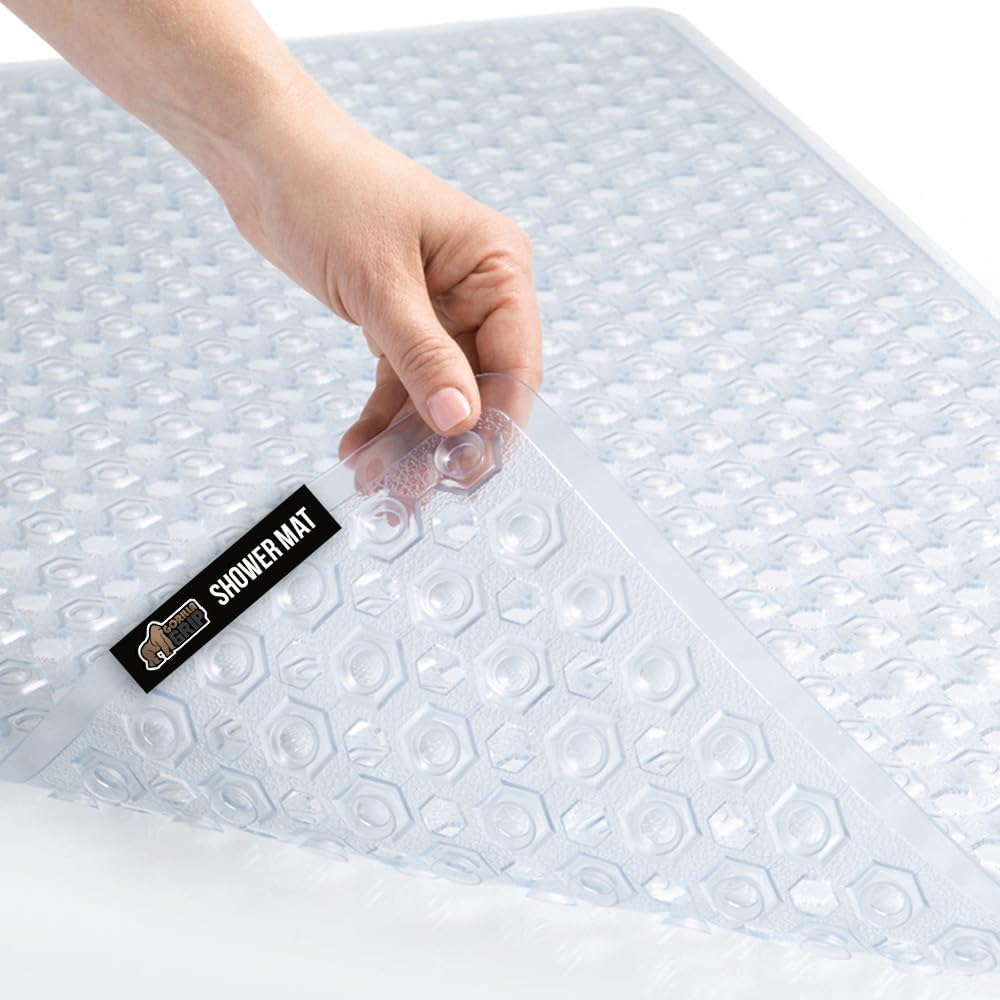
Gorilla Grip Non-Slip Bath Mat
Soft Landing. If you do lose your balance, a slippery floor is a disaster. This mat has hundreds of suction cups to ensure your footing remains secure even when soapy.
Features: 800+ suction cups, mildew-resistant, quick-dry
Injury Prevention: Reduces slip/fall injuries by 70%
Check Price on AmazonAdditional Safety Equipment
Monitoring Equipment
- Waterproof Blood Pressure Monitor: Track pre/post shower
- Shower Thermometer: Digital display of exact temperature
- Waterproof Fitness Tracker: Monitor heart rate during shower
- Emergency Alert System: Waterproof wearable panic button
Adaptive Equipment
- Transfer Bench: For tub-to-shower transitions
- Handheld Showerhead: Adjustable height and direction
- Temperature Guard Valve: Prevents accidental scalding
- Shower Caddy: Eliminates bending/reaching
Long-Term Prevention and Management Strategies
1. Exercise and Conditioning Programs
🏃♂️ Exercise Prescription for Dizziness Prevention
Gradual, targeted exercise can improve autonomic nervous system function and reduce shower dizziness. Focus on:
- Lower Body Strength: Improves muscle pump venous return
- Cardiovascular Conditioning: Enhances blood volume regulation
- Balance Training: Reduces fall risk if dizzy
- Heat Acclimation: Gradual exposure improves tolerance
8-Week Conditioning Protocol
| Week | Lower Body Focus | Cardio Protocol | Balance Work | Heat Exposure |
|---|---|---|---|---|
| 1-2 | Seated leg exercises | 5-10 min recumbent bike | Sitting balance exercises | Warm (not hot) showers |
| 3-4 | Standing with support | 10-15 min seated cardio | Standing with grab bar | Slightly warmer showers |
| 5-6 | Bodyweight squats | 15-20 min mixed cardio | One-leg stands (support) | Normal shower temperature |
| 7-8 | Resistance training | 20-30 min upright cardio | Balance without support | Brief contrast therapy |
2. Nutritional Optimization Protocol
Morning (Pre-Shower)
- Upon waking: 16oz electrolyte water
- 30 min before shower: Protein + complex carb
- Examples: Greek yogurt + berries, eggs + toast
- Avoid: Caffeine on empty stomach
Throughout Day
- Hydration: 0.5-1oz water per pound body weight
- Electrolytes: Include sodium in each meal
- Iron-rich foods: With vitamin C for absorption
- Regular meals: Prevent blood sugar drops
Evening (Night Showers)
- 2 hours before shower: Balanced dinner
- Include: Magnesium-rich foods
- Avoid: Large meals 1 hour before
- Hydration: Continue sipping water
Supplement Protocol
- Morning: B-complex, vitamin C
- Afternoon: Iron (if deficient)
- Evening: Magnesium, electrolyte mix
- Consult: Doctor before starting supplements
3. Manage Ventilation
A steamy room reduces oxygen levels. Use a good exhaust fan. If mold is a concern because of humidity, rely on a shower squeegee to remove water rather than keeping the room hermetically sealed.
Optimal Bathroom Ventilation Protocol
4. Contrast Showering
End every shower with 30 seconds of cold water. This helps constrict blood vessels (vasoconstriction), pushing blood back up to your brain before you step out. Read more about hot vs cold shower benefits.
Contrast Therapy Protocol
Standard Protocol
Warm Phase: 3 minutes at 38-40°C (100-104°F)
Cool Phase: 1 minute at 24-27°C (75-80°F)
Repeat: 2-3 cycles
Finish: Always end with cool
Benefit: Trains vascular response
Advanced Protocol
Hot Phase: 2 minutes at 40-42°C (104-108°F)
Cold Phase: 30 seconds at 15-18°C (59-64°F)
Repeat: 3-5 cycles
Caution: Not for beginners or cardiac patients
Benefit: Strong autonomic training
5. Check Your Vision
Sometimes dizziness is visual. If you wear contacts, ensure you aren’t showering with them in, as water can cause swelling or infection, disorienting you. See: Can I shower with contacts?
Visual Factors in Shower Dizziness
Prescription Issues
• Incorrect prescription causes eye strain
• Bifocal/trifocal segments create visual confusion
• Solution: Shower without glasses or use prescription goggles
Steam Effects
• Steam refracts light differently
• Creates visual distortion
• Solution: Improved ventilation, anti-fog mirror
• Consider: Shower with eyes closed during rinsing
Alternative Cleansing Methods When Showers Are Too Risky
| Method | Procedure | Safety Level | Effectiveness | Equipment Needed |
|---|---|---|---|---|
| Sponge Bath | Wash sections while seated, using basin | Very High | Good for hygiene, poor for hair | Basin, washcloths, chair |
| Bed Bath | Cleanse while lying in bed | Highest (no standing) | Basic hygiene only | No-rinse cleanser, towels |
| Cleansing Wipes | Pre-moistened antibacterial wipes | High (can be done seated) | Good for quick refresh | Wipes, disposal bag |
| Dry Shampoo | Absorbs oil, refreshes hair | Very High | Temporary hair solution | Dry shampoo, brush |
| Sink Wash | Hair washing bent over sink | Medium (standing bent) | Good for hair, partial body | Sink, handheld sprayer |
Travel Considerations and Hotel Safety
Essential Packing List
- Portable shower chair (collapsible)
- Non-slip bath mat (travel size)
- Waterproof blood pressure monitor
- Electrolyte packets
- Emergency contact card in waterproof case
- Medications in original containers
- Hydration reminder app on phone
Hotel Room Protocol
- Test water temperature before first shower
- Request accessible room if available
- Use “Do Not Disturb” sign during showers
- Keep phone within reach
- Inform travel companion of condition
- Schedule showers during low-activity periods
Frequently Asked Questions
Can a clogged drain cause dizziness?
Indirectly, yes. If you are using strong chemicals to fix a clog, the fumes can make you lightheaded. Always use natural methods like baking soda and vinegar to clear drains safely. Additionally, standing water from poor drainage creates humidity and mold risk.
Why do I get dizzy in the shower on my period?
Menstruation causes a drop in iron levels (anemia) and fluid shifts. Combined with the heat of a shower, this makes you much more prone to fainting. Additional factors: prostaglandins cause vasodilation, blood loss reduces volume, and hormonal fluctuations affect autonomic regulation.
Is it dangerous to shower during a storm if I get dizzy?
It is dangerous regardless of dizziness! Lightning can travel through plumbing. If you feel dizzy and there is thunder, get out immediately. See: Is it dangerous to shower during a thunderstorm? Additional risk: emergency response delayed in bad weather.
Can mold in the shower make me sick?
Yes. Toxic mold spores can cause respiratory distress, brain fog, and nausea. If you see black spots, use a professional mold cleaner immediately. Some molds produce mycotoxins that affect neurological function and can exacerbate dizziness.
Why do I only get dizzy in morning showers?
Morning is peak time for orthostatic hypotension due to overnight fluid shifts and empty stomach. Cortisol awakening response affects blood pressure. Dehydration from overnight breathing. Solution: Hydrate before bed, upon waking, and eat before showering.
Can shower water pressure affect dizziness?
Yes. High pressure on neck/shoulders can stimulate carotid sinus, triggering reflex bradycardia and hypotension. If you have low water pressure, you may stand longer trying to rinse, increasing risk. Optimal pressure: medium, consistent flow.
Does shower duration matter for dizziness?
Absolutely. Risk increases exponentially after 10 minutes. Vasodilation continues, core temperature rises, and fluid/electrolyte losses accumulate. Safe maximum: 15 minutes for most, 10 minutes if prone to dizziness, 5 minutes if severe symptoms.
Can I develop shower dizziness after COVID?
Yes. Post-COVID dysautonomia is increasingly recognized. Many report new-onset POTS, orthostatic intolerance, and temperature dysregulation. If dizziness started after COVID infection, consult autonomic specialist for evaluation and management.
Why Do I Get Dizzy AFTER the Shower, Not During It?
Not everyone feels the room spin while the water is running. For a huge number of people, the lightheadedness, blurred vision, and nausea hit the moment they turn the taps off, reach for a towel, or step out onto the bath mat. If you have ever asked yourself “why do I feel dizzy after I get out of the shower” while feeling perfectly fine two minutes earlier, you are dealing with a distinct—and very common—variation of the same underlying problem.
🧪 The Science: Post-Shower Orthostatic Drop
While you stand in a hot shower, your blood vessels are dilated, but the warm water pressing against your skin and the surrounding steam partially compensate by keeping ambient pressure fairly even across your body. The instant you step out into cooler bathroom air, several things happen almost simultaneously: the warm water stimulus disappears, evaporative cooling begins pulling heat (and a small amount of blood pressure support) away from your skin, and—critically—you usually bend down to grab a towel or reach for the bath mat, then stand back up quickly. That combination of a still-dilated vascular bed, sudden postural change, and rapid environmental cooling is often enough to tip an already-taxed cardiovascular system into a brief, sharp blood pressure drop.
Physiological Sequence: Shower ends → vessels still dilated from heat exposure → stepping out into cooler air → bending/reaching for towel → standing upright quickly → delayed baroreflex response → transient cerebral hypoperfusion → dizziness, graying vision, or nausea
This “exit dizziness” is sometimes worse than in-shower dizziness because you are typically standing on a hard, wet, and potentially slippery surface with nothing to grab onto, which is exactly why bathroom falls cluster around the minute or two immediately after bathing.
Why the Post-Shower Drop Feels Different
The “Threshold Effect”
Crossing from a warm, humid shower stall into a cooler bathroom causes a rapid drop in skin temperature. This triggers reflex vasoconstriction in the skin but can momentarily destabilize central blood pressure regulation before the reflex fully engages, producing a short window of vulnerability right at the threshold of the shower.
Bend-and-Rise Mechanics
Reaching down for a towel, a dropped washcloth, or a razor and then rising back up mimics a classic orthostatic challenge. In someone whose blood pressure is already running low from heat exposure, this simple movement can be the tipping point into lightheadedness or brief vision graying.
Rapid Evaporative Cooling
Wet skin exposed to room-temperature air cools quickly through evaporation. This sudden cooling can trigger a brief autonomic “startle,” momentarily disrupting the smooth handoff between heat-dissipation mode and normal circulatory regulation.
Preventing Dizziness When Exiting the Shower
Showering Right After Eating: The Digestion-Circulation Connection
Another frequently searched pattern is dizziness and nausea that shows up specifically when someone showers too soon after a meal—or, conversely, on a completely empty stomach. Both scenarios pull blood flow away from the systems your body needs to keep your brain properly perfused during a hot shower, just for opposite reasons.
🧪 Blood Flow Competition: Digestion vs. Thermoregulation
After a large meal, your gut recruits a significant share of your circulating blood volume to support digestion—a phenomenon sometimes called postprandial blood pooling. Layer a hot shower on top of that, and you now have two competing demands for a limited blood supply: your digestive tract wants blood for absorption, and your skin wants blood for heat dissipation. Something has to give, and often it’s cerebral perfusion, which is exactly what produces that woozy, nauseated, faint-hearted feeling.
| Timing Scenario | What’s Happening | Dizziness Risk | Recommended Wait |
|---|---|---|---|
| Immediately after a large/heavy meal | Blood diverted to gut for digestion; competes with skin blood flow needed for cooling | High | 45-60 minutes |
| Immediately after a light snack | Minor digestive blood pooling | Low-Medium | 15-20 minutes |
| Completely empty stomach | Low circulating glucose limits the energy available for autonomic regulation | Medium-High | Eat something small first |
| 1-2 hours after a balanced meal | Digestion largely complete, glucose stable, blood volume available | Lowest | Ideal window |
This is why so many people report feeling nauseated specifically after a big holiday dinner followed by a hot shower, or conversely, first thing in the morning before breakfast. The fix in both cases is timing: aim to shower either well before a large meal or a comfortable one to two hours afterward, and if you must shower on an empty stomach, have a small piece of fruit or a few crackers first.
Signs Your Dizziness Is Digestion-Related
Likely Digestion-Linked
- Onset within 20-30 minutes of eating
- Accompanied by bloating or heaviness
- Worse after fatty or very large meals
- Improves once you lie down and let digestion “catch up”
Likely Blood-Sugar-Linked
- Occurs on an empty stomach, often first thing in the morning
- Accompanied by shakiness, sweating, or irritability
- Resolves quickly after eating something with carbohydrates
- More pronounced if you have diabetes or are fasting/dieting
Bath vs. Shower: Which Causes More Dizziness?
People often assume a bath, being more relaxing, would be gentler on the circulatory system than a shower. In practice, the opposite is frequently true, and understanding why can help you choose the safer option on a day when you already feel unwell.
| Factor | Shower | Bath |
|---|---|---|
| Body Position | Usually standing (higher orthostatic demand) | Usually reclined (lower orthostatic demand while submerged) |
| Heat Exposure Area | Water contacts part of the body at a time | Entire body submerged simultaneously, amplifying vasodilation |
| The Danger Moment | Standing still too long, or exiting the stall | Standing up out of the tub after prolonged full-body heat exposure |
| Duration Tendency | Typically shorter (5-15 minutes) | Typically longer (20-40+ minutes), increasing cumulative heat load |
| Overall Risk Profile | Moderate, concentrated at exit | Higher for fainting on standing, due to full-body submersion plus longer exposure |
If you love baths but are prone to dizziness, keep the water temperature no higher than 100°F (38°C), limit soak time to 15-20 minutes, and always rise in stages: sit up first, pause, then move to kneeling, pause again, and finally stand while holding a grab bar or the edge of the tub.
Dizzy in the Shower When You’re Sick: Colds, Flu, and Fever
If your dizziness only started once you came down with a cold, flu, sinus infection, or fever, the shower isn’t creating a new problem—it’s exposing one your illness has already set up. Several overlapping mechanisms are at play, and understanding them can help you shower more safely while you recover instead of avoiding it altogether.
Fever-Driven Vasodilation
Mechanism: A fever already pushes your blood vessels toward dilation as your body tries to release excess heat
Shower Effect: Hot water adds to a vasodilation load your system is already managing
Advice: Use lukewarm, not hot, water while febrile
Sinus & Ear Pressure
Mechanism: Congestion changes pressure in the middle ear and sinus cavities, disrupting the inner ear’s balance signals
Shower Effect: Steam and head tilting can worsen the pressure imbalance
Advice: Keep head upright, avoid tilting back to rinse hair
Illness-Related Dehydration
Mechanism: Fever, reduced appetite, and sometimes vomiting or diarrhea lower circulating blood volume
Shower Effect: Lower blood volume plus heat-induced vasodilation is a strong dizziness combination
Advice: Rehydrate with electrolytes before and after showering while sick
Cold and flu medications compound the picture further. Decongestants can raise heart rate and blood pressure erratically, antihistamines can cause drowsiness and lower alertness to early dizziness warning signs, and fever reducers like acetaminophen or ibuprofen can mask how unwell you actually feel, tempting you to stay in a hot shower longer than your body can safely tolerate.
Dizzy in the Shower During Perimenopause and Menopause
Hot flashes and shower heat are a particularly rough combination, and many women in perimenopause or menopause notice their existing hot-flash-related dizziness intensifies specifically in the bathroom.
Common Triggers to Watch For
- Showering during or right after a hot flash episode
- Very hot water combined with a poorly ventilated bathroom
- Showering in the evening when hot flashes often cluster
- Sleep disruption from night sweats leading to dehydration
Adjustments That Help
- Lower the water temperature by several degrees during flash-prone periods of the day
- Run the exhaust fan and crack a window before starting
- Keep a cool washcloth nearby to apply to the neck if flushing starts
- Discuss recurrent symptoms with a doctor, since hormone-related dizziness sometimes responds to targeted treatment
Vertigo When Tilting Your Head Back to Rinse Your Hair
A very specific pattern deserves its own callout: dizziness that strikes the instant you tilt your head backward under the water to rinse shampoo, rather than at any other point in the shower. This positional trigger is one of the clearest tells for an inner-ear cause rather than a blood-pressure cause.
Signs Pointing to BPPV
- Spinning sensation lasts under 60 seconds
- Triggered specifically by the backward head tilt
- Resolves once the head returns to neutral
- No lightheadedness beforehand, just sudden spinning
Practical Workarounds
- Tilt forward over a handheld showerhead instead of backward
- Rinse hair last, while seated on a shower stool
- Move slowly between head positions rather than snapping back
- Ask a doctor about the Epley maneuver if episodes recur
Why Cold Showers Can Also Cause Dizziness (Not Just Hot Ones)
Most of this guide focuses on heat-driven vasodilation, but a surprising number of people search for the opposite question: why does a cold shower make me dizzy? The mechanism here is almost the mirror image, and it’s worth understanding separately, because the fix is not “just switch to cold water.”
🧪 The Science: Cold Shock and the Vasovagal Response
Sudden exposure to cold water triggers what physiologists call the “cold shock response.” Your body reflexively gasps, your heart rate initially spikes, and your peripheral blood vessels constrict sharply (vasoconstriction) to preserve core body heat. In some people, this abrupt vascular squeeze—especially when combined with the involuntary breath-holding that often accompanies cold shock—triggers a vasovagal reaction: the vagus nerve overcorrects, heart rate suddenly drops, and blood pressure falls just as fast as it would with heat-driven vasodilation, just through the opposite starting mechanism.
Physiological Sequence: Cold water contact → gasp reflex/breath-holding → initial vasoconstriction and heart-rate spike → vagal overcorrection → sudden bradycardia → blood pressure drop → dizziness, graying vision, or fainting
| Cold-Shower Risk Factor | Why It Matters | Safer Approach |
|---|---|---|
| Jumping straight into very cold water | Maximizes the cold shock/gasp reflex | Start warm, transition to cool gradually over 30-60 seconds |
| History of vasovagal syncope | Already prone to vagal overcorrection | Skip extreme cold exposure, use lukewarm finishing rinses instead |
| Cold water directly on the face/neck | Stimulates the “diving reflex,” a strong vagal trigger | Direct cold water to the body first, face last and briefly |
| Doing it on an empty stomach or dehydrated | Reduces the buffer available to absorb a sudden BP drop | Hydrate and eat something small beforehand |
None of this means cold showers are inherently dangerous for most healthy people—cold exposure therapy is popular for good reason—but if you already know you’re prone to fainting or vasovagal episodes, ease into cold water gradually rather than diving in, and always have a seat or grab bar within reach the first several times you try it.
Shower Dizziness and High Blood Pressure (Hypertension)
It seems counterintuitive: if hypertension means your blood pressure runs high, why would you feel dizzy in a hot shower? The answer lies in how heat interacts with a system that is often already being chemically managed.
Medication Overshoot
Most people with diagnosed hypertension are on medication specifically designed to lower blood pressure. A hot shower’s natural vasodilation effect stacks directly on top of that medicated effect, sometimes pushing blood pressure down further and faster than the body can compensate for—producing dizziness in someone whose baseline numbers are technically still “high.”
Undiagnosed or Poorly Controlled Hypertension
Paradoxically, uncontrolled high blood pressure can also produce dizziness through a different route: it’s often accompanied by stiffened blood vessels that respond less smoothly to the rapid changes a hot shower demands, making the baroreflex (the body’s blood-pressure autopilot) sluggish and prone to overshooting in either direction.
If you have hypertension and notice shower dizziness, this is worth raising with your prescribing doctor rather than adjusting your medication schedule on your own—timing showers relative to your dose, or switching to lukewarm water, is often a simple and effective fix once identified.
Shower Dizziness in Diabetes: A Two-Way Risk
People managing diabetes face a uniquely layered risk profile in the shower, because both high and low blood sugar can independently produce dizziness, and heat exposure interacts with each differently.
| Blood Sugar State | Shower Interaction | Warning Signs | Action |
|---|---|---|---|
| Hypoglycemia (low) | Heat increases energy demand while glucose supply is already insufficient | Shakiness, sweating, confusion, sudden weakness | Exit shower, consume fast-acting sugar, recheck glucose |
| Hyperglycemia (high) | Can cause dehydration through excess urination, reducing blood volume available for thermoregulation | Excessive thirst, fatigue, blurred vision | Hydrate, monitor glucose, avoid prolonged hot showers |
| Diabetic autonomic neuropathy | Nerve damage can blunt the normal reflexes that adjust blood pressure on standing or with heat exposure | Frequent orthostatic dizziness regardless of glucose levels | Discuss with an endocrinologist; shower chair strongly recommended |
Nighttime Showers and Dizziness: Why Evening Bathing Feels Different
Some people notice their dizziness is a nighttime-only problem, which points to a different set of contributing factors than the classic morning pattern discussed earlier in this guide.
Why Evenings Can Be Riskier
- Cumulative dehydration from a full day with insufficient fluid intake
- Alcohol consumed with dinner amplifies vasodilation dramatically
- Fatigue lowers the body’s reserve capacity to buffer blood pressure swings
- Medications like antihypertensives or sedatives are often dosed in the evening
- Blood sugar may be lower if dinner was light or delayed
Evening Shower Safety Checklist
- Rehydrate through the afternoon, not just before bed
- Avoid showering within 2 hours of drinking alcohol
- Keep water temperature moderate rather than very hot for relaxation
- Turn on brighter lighting to reduce visual disorientation from steam
- Move slowly given increased fatigue-related unsteadiness
The 10-Minute Post-Shower Recovery Protocol
Whether your dizziness strikes during the shower or right after you step out, having a structured recovery routine reduces both the intensity of symptoms and the chance of a fall in the vulnerable minutes that follow.
Minute 0-1: Stabilize
• Sit down immediately on a stool, closed toilet lid, or the edge of the tub
• Lower your head slightly below heart level if symptoms are strong
• Breathe slowly through the nose
Minute 1-3: Rehydrate
• Sip cool water or an electrolyte drink
• Avoid gulping large amounts quickly
• If lightheaded and not yet dry, wrap in a towel rather than standing to dress
Minute 3-6: Reassess
• Check in with your body: has the spinning or graying stopped?
• Take your pulse if you have a way to do so
• Stand up slowly in stages if you feel ready
Minute 6-10: Resume Activity Gradually
• Avoid bending, lifting, or rushing for at least 10 minutes
• Eat something small if the episode was linked to low blood sugar
• Note the episode in a symptom diary if this is a recurring pattern
Extended FAQ: More Shower Dizziness Questions Answered
Why do I feel dizzy right after I get out of the shower but not during it?
This is typically caused by the combination of still-dilated blood vessels from heat exposure meeting a sudden postural change (bending for a towel, standing up quickly) and rapid evaporative cooling as you step into cooler air. Pre-positioning your towel and pausing before moving can significantly reduce this pattern.
Is it bad to shower right after eating a big meal?
It can increase dizziness risk because digestion and thermoregulation compete for the same limited blood supply. Waiting 45-60 minutes after a large or heavy meal before showering gives your circulatory system one job at a time instead of two.
Why am I dizzy in the shower when I have a cold or the flu?
Fever itself causes vasodilation, illness often causes dehydration, and congestion can disrupt inner-ear pressure balance—all of which compound the shower’s natural vasodilating effect. Lukewarm, brief, seated showers are safest while sick.
Can a cold shower make you dizzy the same way a hot one can?
Yes, though through a different mechanism. Sudden cold exposure can trigger a vasovagal reflex where heart rate and blood pressure drop sharply after an initial spike, producing similar dizziness symptoms via the “cold shock response” rather than heat-driven vasodilation.
Is a bath safer than a shower if I’m prone to dizziness?
Not necessarily. Full-body submersion in a bath produces stronger overall vasodilation and baths tend to last longer, and standing up out of a tub after that prolonged heat exposure carries meaningful fainting risk—with the added danger of potential submersion if you lose consciousness.
Why does tilting my head back to rinse shampoo make me dizzy?
A sudden backward head tilt is a classic trigger for Benign Paroxysmal Positional Vertigo (BPPV), caused by dislodged inner-ear crystals moving through the balance canals. This produces brief, intense spinning tied specifically to that head position rather than to blood pressure changes.
Does menopause make shower dizziness worse?
It can. Hot flashes already involve sudden, whole-body vasodilation from hormonal fluctuations affecting the body’s temperature control center, and adding a hot shower on top of that effect can intensify lightheadedness, flushing, and nausea.
Should I be worried about shower dizziness if I have diabetes?
Yes, it’s worth monitoring closely. Both low and high blood sugar can independently cause dizziness, and heat exposure interacts with each differently. Checking glucose before showering during periods of instability, and never showering alone during unstable control, is recommended.
Why am I only dizzy in evening showers, not morning ones?
Evening-specific dizziness is often linked to cumulative daily dehydration, alcohol consumed with dinner, evening-dosed medications, and general fatigue lowering your body’s reserve capacity to buffer blood pressure changes.
Heat Exhaustion Risk From Long, Very Hot Showers
Dizziness isn’t always a brief blood-pressure blip—sometimes it’s an early warning sign of heat exhaustion, especially after showers that run long and hot, particularly in already-warm bathrooms with poor ventilation.
Warning Signs to Watch For
- Dizziness combined with unusual heaviness or weakness
- Headache developing partway through a long shower
- Nausea that intensifies rather than passes
- Feeling unusually hot even after the water has cooled
- Rapid pulse that doesn’t settle once seated
What To Do
- Switch to cooler water immediately and end the shower
- Move to a cooler, well-ventilated room right away
- Sip cool water or an electrolyte drink
- Apply a cool, damp cloth to the neck and wrists
- Seek medical attention if symptoms don’t improve within 20-30 minutes
Setting a timer for hot showers—especially in summer, in bathrooms without an exhaust fan, or after strenuous outdoor activity—is a simple habit that meaningfully reduces this compounded heat load.
Shower Dizziness After Drinking Alcohol
Alcohol and hot water are a particularly risky pairing, and this pattern deserves its own explanation since it’s one of the more preventable causes of severe shower dizziness and falls.
Alcohol-Induced Vasodilation
Alcohol independently dilates blood vessels, which is why drinkers often feel flushed. Combined with a hot shower’s own vasodilating effect, the two stack, producing a blood pressure drop larger than either alone would cause.
Diuretic Effect
Alcohol suppresses the hormone that helps your kidneys retain water, increasing urination and reducing circulating blood volume—leaving less buffer available to withstand heat-driven vasodilation.
Impaired Reflexes
Alcohol slows reaction time and dulls the early warning sensations of lightheadedness, meaning by the time you notice something is wrong, you may already be close to fainting rather than catching it early.
How to Talk to Your Doctor About Shower Dizziness
Many people mention shower dizziness to a doctor almost as an afterthought, which can lead to it being dismissed as trivial. Framing the conversation with specifics helps your provider take a more targeted approach.
Information to Prepare
- How often episodes occur (daily, weekly, occasional)
- Exact timing: during the shower, right after, morning vs. evening
- Water temperature you typically use
- Any triggers you’ve noticed (eating, exercise, medications, illness)
- Whether you’ve ever actually fainted or only felt close to it
- A current list of all medications and supplements
Questions Worth Asking
- Could this be related to my blood pressure medication timing?
- Should we check my blood pressure lying, sitting, and standing?
- Is a tilt table test or Holter monitor appropriate here?
- Could my inner ear be involved, given the specific triggers?
- Are there safer alternatives to my current shower routine?
Bringing a written symptom diary—even just two weeks of notes on timing, temperature, and how you felt—often gives a doctor far more diagnostic traction than trying to recall details on the spot during a rushed appointment.
Glossary: Understanding the Terminology
| Term | Plain-Language Meaning |
|---|---|
| Vasodilation | Blood vessels widening, often in response to heat |
| Vasoconstriction | Blood vessels narrowing, often in response to cold |
| Orthostatic Hypotension | A blood pressure drop specifically triggered by standing up |
| Syncope | The medical term for fainting |
| Pre-syncope | The near-fainting feeling that precedes (or replaces) an actual faint |
| Vertigo | A false sensation that you or your surroundings are spinning or moving |
| Vasovagal Response | A reflex where the vagus nerve slows heart rate and drops blood pressure suddenly |
| Dysautonomia | An umbrella term for disorders of the autonomic nervous system, which regulates blood pressure, heart rate, and temperature automatically |
| Baroreflex | The body’s automatic system for detecting and correcting blood pressure changes |
| Postprandial | Occurring after eating a meal |
Is It Dizziness or a Panic Attack? Telling the Difference in the Shower
Because showers are enclosed, steamy, and sometimes the only truly private space in a busy day, they’re also a common setting for panic attacks—which can feel remarkably similar to circulatory dizziness but call for a different response.
| Feature | Circulatory Dizziness | Panic Attack |
|---|---|---|
| Onset | Gradual lightheadedness building over seconds to a minute | Sudden, often peaking within 10 minutes |
| Breathing | Usually normal until near-fainting | Rapid, shallow breathing or a sense of not getting enough air |
| Heart Rate | May be normal, slow, or fast depending on the cause | Almost always racing |
| Accompanying Thoughts | Usually minimal, focused on physical sensations | Fear of dying, losing control, or “something terrible happening” |
| Response to Sitting/Lying Down | Often improves quickly | May not resolve immediately; slow breathing helps more |
| Best Immediate Response | Get low, hydrate, cool the water | Slow diaphragmatic breathing, grounding techniques, reassurance |
The two are not mutually exclusive—a genuine drop in blood pressure can trigger a panic response, and panic itself can produce hyperventilation-related lightheadedness. If you’re ever unsure which is happening, treat it as a physical symptom first: sit down, cool the water, and hydrate. If breathing and racing thoughts don’t settle once you’re safely seated, the breathing and grounding techniques described earlier in the anxiety section of this guide are the better next step.
Building a Personalized Shower Safety Plan
With so many possible causes covered in this guide, it helps to condense everything into a simple, tiered plan you can actually follow rather than trying to remember every detail at once.
Most people fit somewhere in Tier 1 or Tier 2, and simple environmental and habit changes resolve the majority of cases without ever needing specialized testing. The goal of a personalized plan isn’t to eliminate every possible risk factor at once—it’s to identify which one or two factors apply most directly to your own pattern of symptoms and address those first.
Traveling, Camping, and Unfamiliar Water Heaters
A less obvious trigger worth mentioning: dizziness that shows up specifically in unfamiliar showers, such as hotel rooms, rental properties, gym locker rooms, or camping facilities. This is rarely about a new medical condition and almost always about unpredictable water temperature.
Why Unfamiliar Showers Are Riskier
- Unfamiliar plumbing may deliver unexpectedly hotter water than you’re used to at home
- Shared water heaters (hotels, gyms) can have inconsistent temperature and pressure
- Travel fatigue and dehydration from flights or long drives compound heat sensitivity
- Jet lag and irregular meal timing increase blood-sugar-related dizziness risk
Simple Precautions While Traveling
- Test water temperature with your hand before stepping fully under the stream
- Keep the first minute of any unfamiliar shower on the cooler side
- Hydrate extra on travel days, especially after flights
- Pack a compact travel shower stool if you have a known history of dizziness
- Note the location of grab bars or something sturdy to hold before you start
Real-World Scenarios: Matching Your Situation to the Right Fix
Sometimes it’s easier to recognize your own pattern in a story than in a list of mechanisms. Here are four common scenarios pulled together from the causes discussed throughout this guide, along with the specific fix that applies to each.
You wake up, skip breakfast, have a cup of coffee, and jump straight into a hot shower before work. Partway through, you feel your stomach drop, your vision blurs slightly, and you have to steady yourself against the wall. This is a textbook combination of overnight fluid loss, an empty stomach, and caffeine’s mild diuretic effect, all compounded by shower heat. The fix is straightforward: eat something small—even a few crackers or a banana—before showering, drink a glass of water alongside your coffee rather than instead of it, and consider moving your shower to after breakfast rather than before it. Within a week or two of this simple sequencing change, most people in this exact scenario report the morning dizziness disappearing almost entirely.
You finish an intense workout, feel great, and head straight into a hot locker-room shower to rinse off before your next meeting. Two or three minutes in, the room starts to spin and you have to sit down on the shower floor. This is the classic post-exercise vasodilation trap: your blood vessels are already dilated from the workout, your sweat losses have reduced circulating blood volume, and the added heat of the shower is simply too much for your cardiovascular system to compensate for in that moment. The fix is timing and temperature, not avoiding showers after exercise altogether—rehydrate with an electrolyte drink immediately after your workout, wait at least fifteen minutes before showering if your schedule allows it, and start the shower cool before gradually warming it rather than stepping straight into a hot stream.
You’re running a low-grade fever with a head cold, and decide a long, hot shower will help you feel better. Instead, you end up sitting on the bathroom floor feeling nauseated and shaky, with your heart pounding. This scenario combines three separate amplifiers at once: fever-driven vasodilation, illness-related dehydration from reduced fluid intake, and possibly a decongestant or cold medication affecting your heart rate. The right approach here isn’t to skip washing altogether, but to scale the shower down dramatically while you’re unwell—lukewarm water only, five minutes maximum, seated on a stool, with a glass of water finished beforehand. Save the long, hot, relaxing shower for after your fever has broken.
You have a glass of wine with dinner to unwind, and then hop in the shower before bed. Midway through, you feel unusually warm, flushed, and lightheaded, more than you’d expect from the water temperature alone. This is the alcohol-plus-heat vasodilation stack described earlier in this guide, made more noticeable in the evening because you’re also more fatigued and possibly under-hydrated from the day. The safest adjustment is simple sequencing: shower before dinner and wine rather than after, or if that’s not possible, wait at least two to three hours after drinking before showering, keep the water on the cooler side, and have a full glass of water on the bathroom counter within reach.
Notice that in every one of these scenarios, the underlying biology is the same story told earlier in this guide—heat-driven vasodilation meeting a body that’s already running on a thinner-than-usual margin, whether from an empty stomach, post-exercise fluid loss, illness, or alcohol. Recognizing which “flavor” of the story matches your own routine is usually the fastest path to a lasting fix, often without needing to change anything about your underlying health at all.
Conclusion
Feeling dizzy in the shower is usually a sign that your body is struggling to regulate its temperature and blood pressure. It is a biological warning shot.
By lowering the water temperature, staying hydrated, and investing in safety tools like a shower caddy (so you aren’t constantly bending down), you can reclaim your shower as a place of relaxation, not anxiety. Listen to your body, and when in doubt—sit down.
1. Immediate: Install safety equipment (chair, grab bars, non-slip)
2. Short-term: Adjust shower habits (temperature, duration, timing)
3. Medium-term: Improve hydration and nutrition
4. Long-term: Medical evaluation if recurrent, conditioning program
5. Emergency: Know response protocol, have emergency contacts accessible
Disclaimer: As an Amazon Associate, ShowerBlog earns from qualifying purchases. This content is for informational purposes only and does not constitute medical advice. Always consult with qualified healthcare professionals for diagnosis and treatment of medical conditions. Individual results may vary based on specific health circumstances.