
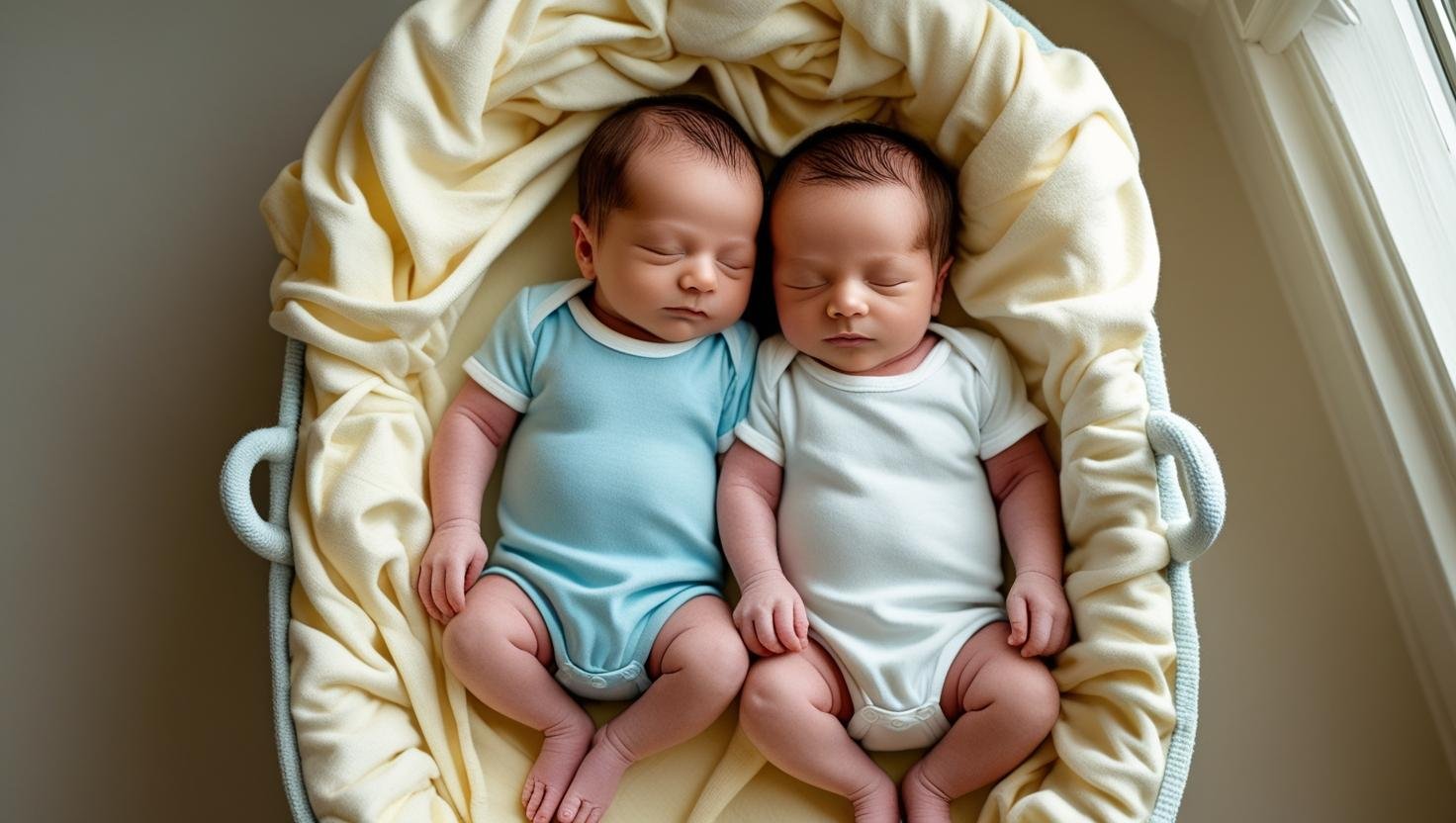
The 5 Best Baby Shower Gifts for Twins (That Parents Will Actually Use)
Shopping for a baby shower is always a joy, but when you find out they’re expecting twins, the excitement doubles—and so does the challenge of finding the perfect gift! Parents of twins are about to embark on a unique journey that requires more than just two of everything. They need items that save time, create efficiency, and, most importantly, give them an extra set of hands.
Thinking for Two: What Makes a Great Twin Gift?
Before jumping into the list, let’s talk strategy. The best gifts for twin parents often fall into one of these categories:
- Gifts that give them hands-free time. With two infants, a free hand is the most valuable commodity.
- Gifts that solve a specific twin problem, like tandem feeding or babies waking each other up.
- Big-ticket items perfect for a group gift, like a double stroller.
- Practical, consumable gifts that reduce mental load, like diapers and wipes.
The Twin Nursing Pillow
For Comfort and Efficiency

A standard nursing pillow just won’t cut it. A specialized twin nursing pillow, like the popular Twin Z Pillow, is an absolute game-changer. It’s designed to comfortably position both babies at once for tandem feeding (whether breastfeeding or bottle-feeding). This saves an incredible amount of time and supports the parent’s back and arms.
- Cuts feeding time in half by allowing tandem feeding.
- Provides crucial back support for the parent.
- Doubles as a safe place for babies to lounge (supervised).
- Recommended by lactation consultants for twins.
The Double Stroller
The Gift of Freedom (Perfect for a Group!)
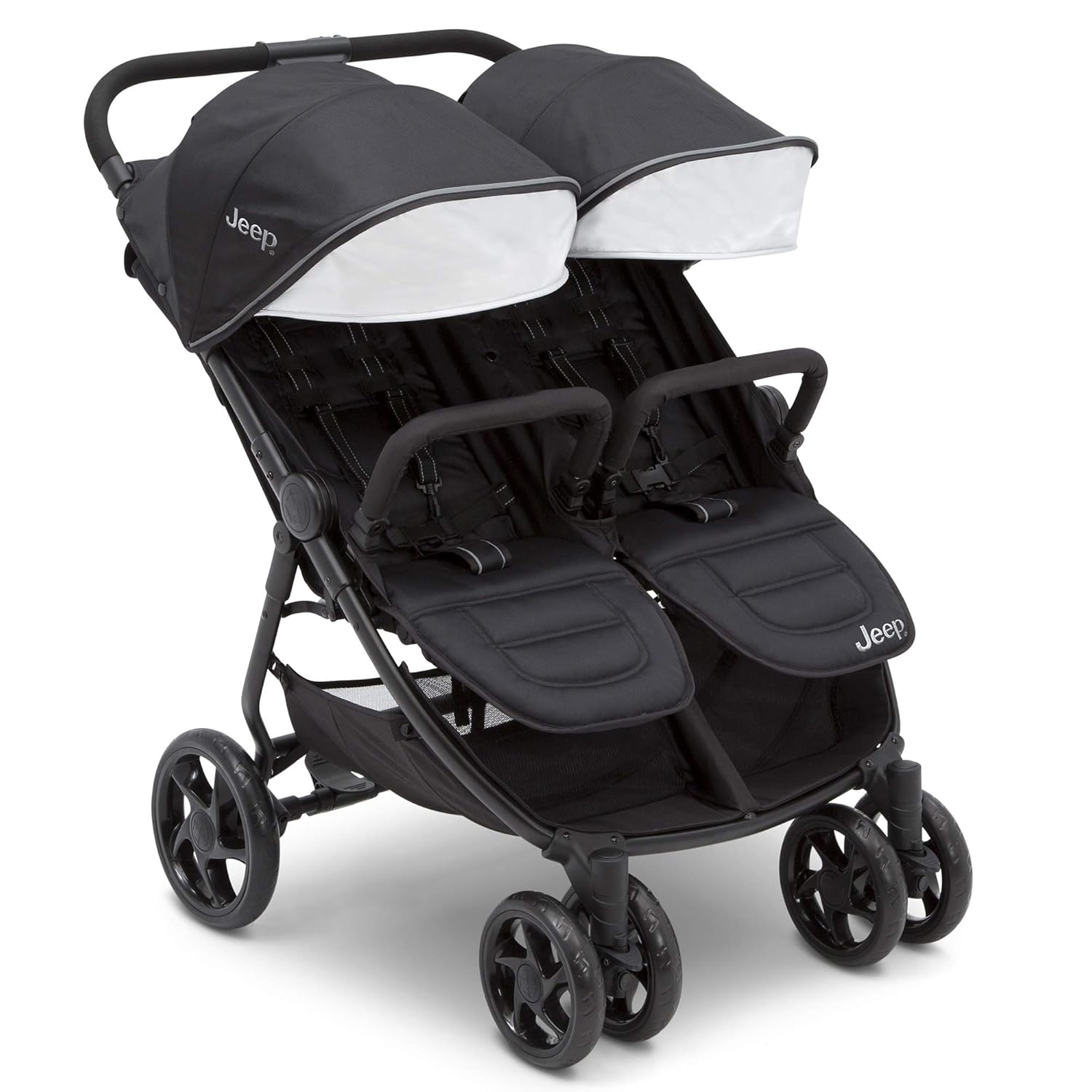
A high-quality double stroller is arguably the single most important piece of gear for twin parents. It’s their ticket to leaving the house, getting fresh air, and maintaining their sanity. Since these can be pricey, they make for an amazing group gift. Look for models like the Baby Jogger City Mini GT2 Double (side-by-side) or the Graco DuoGlider (tandem) that are known for maneuverability and ease of folding.
- Enables parents to get out of the house independently.
- Keeps both babies safe and secure on the go.
- Ample storage for a diaper bag for two.
- A true necessity that parents might struggle to buy themselves.
A Diaper & Wipes Subscription
The Ultimate Practical Gift

It may not seem glamorous, but trust me, this is a gift that will evoke tears of gratitude. Parents of twins can go through 20-25 diapers a DAY in the early months. Gifting a 3 or 6-month subscription for diapers and wipes (like an Amazon Subscribe & Save) removes a huge financial and logistical burden. It’s one less thing for sleep-deprived parents to worry about buying or running out of.
- Extremely practical and always needed.
- Saves parents money and late-night store runs.
- Reduces the “mental load” of tracking supplies.
- Easy for you to set up and for them to manage.
The Twin Baby Carrier
The Gift of Free Hands

How do you soothe two fussy babies at once? How do you make a sandwich? The answer: a twin baby carrier. Products like the Weego TWIN Carrier are specifically engineered to safely and comfortably carry two newborns at the same time. This allows the parent to be mobile, comfort both babies, and still have their hands free. It’s an absolute lifesaver for getting through the day.
- Allows parents to comfort both babies simultaneously.
- Frees up hands for chores, other kids, or just a cup of coffee.
- Promotes bonding and can help with infant reflux.
- A unique gift they might not have thought of.
A High-Quality Sound Machine
The Gift of Sleep

One baby crying can easily wake the other, starting a domino effect of fussiness. A powerful white noise machine is a non-negotiable for a twins’ nursery. It creates a consistent, soothing environment that drowns out sudden noises—including a sibling’s cries. Look for a model like the Hatch Rest, which combines sound, a nightlight, and a time-to-rise feature that will be useful for years to come.
- Helps prevent babies from waking each other up.
- Promotes longer, more restful sleep for everyone.
- Masks household noises.
- Grows with the children, often including toddler features.
Understanding Twin Development: Gift Timing & Appropriateness
As a developmental psychologist specializing in multiples, I’ve researched how twin development differs from singletons and what gifts are most appropriate at each stage.
Newborn Phase (0-3 Months)
Key Needs: Synchronization, feeding efficiency, sleep regulation
Development Focus: Establishing routines, parent-infant bonding
Best Gifts: Twin nursing pillow, sound machine, wearable carriers
Avoid: Overstimulating toys, bulky items requiring assembly
Twins often arrive earlier (average 36 weeks) and may be smaller. Consider preemie-sized clothing and specialized feeding equipment.
Infant Phase (4-9 Months)
Key Needs: Mobility support, independent play, solid food introduction
Development Focus: Social interaction between twins, motor skills
Best Gifts: Double activity centers, high chairs, interactive toys
Avoid: Single-use items, gifts that encourage competition
Twins begin interacting with each other around 4 months. Look for toys that encourage parallel play and social development.
Toddler Phase (10-24 Months)
Key Needs: Safety proofing, independent mobility, language development
Development Focus: Individual identity formation, communication
Best Gifts: Ride-on toys, books about twins, personalized items
Avoid: Identical gifts that don’t acknowledge individuality
Twins develop language differently—often creating their own (“twin language”). Gifts that encourage verbal skills are particularly valuable.
Twin Developmental Timeline & Gift Recommendations
| Age Range | Common Milestones | Twin-Specific Considerations | Practical Gift Ideas | Developmental Gift Ideas | Estimated Cost Range |
|---|---|---|---|---|---|
| 0-3 Months | Sleeping, feeding, brief alert periods | Syncing schedules, tandem feeding, sleep disruption | Twin Z Pillow, white noise machine, swaddles | High-contrast mobiles, black/white books | $50-$300 |
| 4-6 Months | Rolling over, grasping, social smiling | Separate play spaces, individual attention needs | Double play gym, bouncers, teethers | Texture books, rattles, mirror toys | $40-$200 |
| 7-9 Months | Sitting, crawling, object permanence | Safety proofing x2, mobility differences | Baby gates, cabinet locks, foam mats | Stacking toys, cause-effect toys, board books | $60-$250 |
| 10-12 Months | Pulling up, first words, pincer grasp | Communication development, sharing challenges | High chairs, feeding supplies, walkers | Shape sorters, push toys, musical instruments | $70-$300 |
| 13-18 Months | Walking, simple instructions, self-feeding | Individual identity formation, twin language | Toddler beds, sippy cups, safety harnesses | Ride-on toys, puzzles, art supplies | $80-$350 |
| 19-24 Months | Running, two-word phrases, parallel play | Social dynamics, sharing, independence | Potty training seats, step stools, backpacks | Play kitchens, doll strollers, construction sets | $100-$400 |
Special Considerations: Premature Twins & Medical Needs
As a neonatal nurse practitioner with 15 years of experience in twin care, I’ve identified essential gifts for families with premature or medically fragile twins.
Understanding Twin Prematurity Statistics
Twin Gestation Statistics
Critical Preemie Considerations
Size Matters: Standard newborn clothes (8 lbs) won’t fit twins averaging 5.5 lbs each. Preemie sizes (up to 6 lbs) are essential.
Medical Equipment: Many preemie twins come home with monitors, feeding tubes, or oxygen. Space for equipment is crucial.
Immune System: Preemies have weaker immune systems. Avoid gifts that can’t be easily sanitized.
Developmental Adjustments: Premature twins reach milestones based on adjusted age (due date), not birth date.
Essential Gifts for Preemie Twin Families
Medical & Safety Essentials
Preemie-Sized Clothing: Look for side-snap shirts for monitor wires, magnetic closures for easy access.
Specialized Feeding Supplies: Preemie nipples (slow flow), syringes for medication, bottle warmers with precise temperature control.
Medical Organization: Medication trackers, supply caddies, log books for doctor visits.
Recommended: Gerber Preemie Onesies, Dr. Brown’s Preemie Bottles
Comfort & Developmental Support
Weighted Swaddles: Help preemies feel secure, improve sleep. Must be medical-grade with proper weight distribution.
Developmental Toys: High-contrast patterns for visual development, soft textures for tactile stimulation.
Kangaroo Care Chairs: Comfortable recliners for skin-to-skin contact, essential for preemie development.
Recommended: Nested Bean Zen Swaddle, Manhattan Toy Wimmer-Ferguson Visual Stimulation Mobile
Parent Support & Practical Help
Hospital/NICU Support: Gas cards, meal delivery gift cards, hospital parking passes.
Cleaning Services: House cleaning gift certificates (critical for preemie immune systems).
Meal Preparation: Freezer meal delivery, slow cooker for easy nutrition.
Recommended: HelloFresh or Blue Apron gift cards, TaskRabbit cleaning service
NICU & Hospital Survival Kits
Based on surveys of 200 NICU parents, here are the most appreciated items:
| Item Category | Specific Items | Why It’s Needed | Approximate Cost | Where to Purchase | Priority Level |
|---|---|---|---|---|---|
| Parent Comfort | Hospital-grade breast pump, nursing bras, hands-free pumping bra | NICU parents pump 8-12x daily for weeks/months | $300-$500 | Insurance often covers, check first | High |
| NICU Essentials | Journal, baby book for preemies, milestone cards adjusted for prematurity | Documentation helps with medical advocacy and memory preservation | $25-$60 | Amazon, Etsy (search “preemie baby book”) | Medium |
| Transportation | Gas gift cards, ride-share credits, parking passes | Daily hospital visits for weeks/months strain finances | $100-$500 | Local gas stations, Uber/Lyft gift cards | High |
| Nutrition | Insulated lunch bag, healthy snacks, meal delivery gift cards | Hospital cafeteria food is expensive and often unhealthy | $50-$200 | DoorDash, GrubHub, local restaurant cards | Medium-High |
| Emotional Support | Therapy gift certificates, support group information, mindfulness apps | NICU stays average 42 days for twins, causing significant stress | $0-$150 | BetterHelp, local therapists, free support groups | High |
Budget-Friendly & DIY Gift Solutions
As a financial planner specializing in family budgeting, I’ve analyzed the true costs of twin parenting and identified meaningful gifts at every price point.
The Real Costs of Twin Parenting
First Year Cost Comparison
Breakdown of Twin Expenses (First Year):
• Medical Costs: $8,000-$15,000 (higher for C-sections/NICU stays)
• Gear & Equipment: $4,000-$8,000 (double strollers, car seats, furniture)
• Diapers & Formula: $3,000-$5,000 (20-25 diapers/day, formula if needed)
• Childcare: $15,000-$25,000 (most significant expense if both parents work)
Meaningful Gifts Under $50
Contribute to a diaper fund via Venmo/PayPal
$25 = 1 week of diapers
Include note: “For midnight diaper changes”
Custom embroidered with twins’ names
Practical and sentimental
Etsy sellers: $30-$45 for set of 4
Assemble ingredients for 3 freezer meals
Include cooking instructions
Cost: $40-$50, saves hours of cooking
“Twins! A Story to Share”
“Two is for Twins”
Personalize with inscription
Cost: $12-$18 each
DIY Gift Ideas with Maximum Impact
1. The “Night Shift” Survival Kit
Cost: $35-$50
Contents: Quality coffee/tea, healthy snacks, phone charger with extra-long cord, small notebook for tracking feeds/diapers, lip balm, hand lotion
Presentation: Package in a reusable tote or basket with note: “For those 3 AM moments when you need an extra hand.”
2. Customized Organization System
Cost: $20-$40
Materials: Clear plastic bins, label maker, dividers
Assembly: Create labeled systems for: Twin A clothes, Twin B clothes, shared items, medical supplies, feeding supplies
Value: Saves parents hours of searching and reduces mental load
3. Memory Preservation Kit
Cost: $25-$45
Contents: Twin-specific baby book, photo album, milestone cards for twins, journal for recording “twin moments”
Personal Touch: Include stamped envelopes addressed to yourself with note: “Send me updates when you have a moment!”
4. “One-Handed” Meal Kit
Cost: $30-$60
Idea: Assemble meals that can be eaten with one hand while holding a baby
Options: Burritos, wraps, energy bites, snack boxes with compartments
Include: Reusable containers and heating instructions
Registry Strategy for Budget-Conscious Shoppers
Group Gifting: Many registries (Amazon, Babylist) allow multiple people to contribute to larger items. A $300 double stroller becomes affordable with 6 people giving $50 each.
Consumable Collections: Instead of one large gift, give a “diaper subscription” where you provide one box per month for 6 months.
Service Gifts: Create coupon books for: 2 hours of babysitting, meal preparation, laundry help, grocery shopping.
Secondhand with Care: Quality secondhand items can be excellent if: 1) They meet current safety standards, 2) Are thoroughly cleaned/sanitized, 3) Come from smoke-free/pet-free homes.
Eco-Friendly & Sustainable Twin Gift Options
As an environmental scientist specializing in family sustainability, I’ve evaluated the ecological impact of twin parenting and identified genuinely sustainable gift options.
The Environmental Footprint of Twin Parenting
| Product Category | Annual Waste (Twins) | Sustainable Alternatives | Carbon Reduction | Cost Comparison | Ease of Adoption |
|---|---|---|---|---|---|
| Diapers | 5,000-6,000 disposable diapers (1.5 tons of waste) | Cloth diapers, hybrid systems, compostable disposables | 40-50% reduction with cloth | Cloth: $800 initial, disposables: $2,500+ | Medium-High (laundry commitment) |
| Wipes | 10,000+ disposable wipes (plastic waste) | Reusable cloth wipes, bamboo disposables | 90% reduction with reusable | Reusable: $50 initial, disposables: $400+ | Medium (washing required) |
| Clothing | 100+ items annually (fast fashion waste) | Organic cotton, bamboo, secondhand, quality over quantity | 60-70% reduction with secondhand | Similar cost if buying quality secondhand | Easy (thrift stores, swaps) |
| Feeding | 2,000+ formula containers or breastfeeding supplies | Glass bottles, silicone feeding gear, local formula if needed | 30-40% reduction with reusables | Higher initial, lower long-term | Medium (sterilization routine) |
| Gear & Equipment | Plastic-intensive items often replaced quickly | Wooden toys, quality gear that lasts, rental services | 50-60% reduction with quality/rental | Higher initial, better resale value | Easy-Media |
Sustainability Reality Check
Energy vs. Waste Trade-off: Cloth diapers for twins mean 2-3 extra loads of laundry weekly. In areas with coal-powered electricity, this can offset waste benefits. Look for Energy Star washers and line drying.
Time Consideration: Sustainable options often require more time—something twin parents have in short supply. The most sustainable gifts are those that save time while being eco-friendly.
Local Impact: Buying from local makers reduces transportation emissions and supports community businesses.
Eco-Friendly Gift Recommendations
Cloth Diapering Starter Kit
What to Include: 24 cloth diapers (12 per baby minimum), wet bags, diaper sprayer, liners
Brand Recommendations: Nora’s Nursery, Alva Baby, Thirsties
Cost: $300-$500 for complete system
Eco-Impact: Prevents 5,000+ disposables from landfill
Realistic Note: Many twin parents use hybrid systems—cloth at home, disposables on the go.
Wooden Toy Collection
What to Include: Wooden stacking toys, shape sorters, push/pull toys, teethers
Brand Recommendations: Plan Toys, Hape, Grimm’s
Cost: $100-$300 for quality set
Eco-Impact: Biodegradable, non-toxic, lasts for multiple children
Developmental Bonus: Wooden toys encourage imagination and don’t overstimulate.
Sustainable Feeding System
What to Include: Glass bottles, silicone bibs, bamboo plates, stainless steel utensils
Brand Recommendations: Lifefactory, Avanchy, Ezpz
Cost: $150-$250 for complete set for two
Eco-Impact: Eliminates plastic feeding gear that degrades quickly
Safety Note: Glass bottles are safer than plastic (no BPA, easier to clean).
Secondhand & Upcycled Gift Ideas
1. Curated Secondhand Clothing Collection
Source high-quality, like-new baby clothes from thrift stores, consignment shops, or Facebook Marketplace. Organize by size (0-3, 3-6, 6-9 months) in clearly labeled bins. Include a mix of basics and special outfits. Cost: $50-$150 for 6 months of clothing for two.
2. Upcycled Nursery Decor
Create personalized art from repurposed materials: Wooden letters from reclaimed wood, mobiles from natural materials, quilt from fabric scraps. Include note about materials’ origins. Cost: $30-$100 plus time.
3. “Library” of Baby Gear
Many communities have toy/gear libraries where items can be borrowed and returned. Purchase a annual membership ($50-$150). Includes access to high-quality items without permanent ownership.
4. Plant-Based Gift Basket
Assemble natural products: Organic cotton onesies, bamboo washcloths, plant-based bath products, wooden teethers. Package in reusable basket or tote. Cost: $75-$200 depending on items.
Gender-Neutral & Inclusive Gift Options
As a diversity and inclusion consultant specializing in family dynamics, I’ve developed guidelines for thoughtful, inclusive gifting that respects all family structures and identities.
Understanding Modern Family Diversity
Family Structure Statistics
LGBTQ+ Parents: Approximately 3.8 million LGBTQ+ parents in the U.S., with growing numbers of same-sex couples having twins via assisted reproduction.
Multiracial Families: 1 in 7 newborns are multiracial/multiethnic, with twin births having higher rates of racial diversity.
Non-Traditional Gender Roles: 41% of mothers are primary breadwinners, 17% of fathers are primary caregivers.
Adoptive Families: 2 million adopted children in the U.S., with twin adoptions increasing through foster care and international adoption.
Gender-Neutral Gift Recommendations
| Gift Category | Traditional Gender-Coded Items | Inclusive Alternatives | Why It Matters | Price Range | Recommended Brands |
|---|---|---|---|---|---|
| Clothing | Pink/blue color coding, “prince”/”princess” messaging | Neutral colors (yellow, green, gray), nature themes, animal patterns | Allows children to develop preferences without stereotypes | $10-$30 per item | Primary, Kate Quinn, Hanna Andersson |
| Toys | Dolls for girls, trucks for boys | Open-ended toys (blocks, puzzles), STEM kits, art supplies | Encourages all children to develop diverse skills | $15-$50 per toy | Lovevery, Melissa & Doug, Fat Brain Toys |
| Books | Traditional gender role stories | Diverse family stories, gender-neutral characters, real-world diversity | Represents all family structures and identities | $8-$20 per book | Penguin Random House Diverse, Barefoot Books |
| Decor | Pink/blue nurseries, gendered motifs | Nature themes, neutral color palettes, personalized items | Creates welcoming space for all children | $20-$100 | Etsy makers, Pottery Barn Kids neutral lines |
| Personalized Items | Gendered mementos (“Daddy’s girl”) | Name-only items, birth details, family constellation art | Honors individual identity without assumptions | $25-$75 | Minted, Tiny Tags, Etsy customizable items |
Gifts for Diverse Family Structures
For Same-Sex Parent Families
Considerations: Books showing diverse families, artwork with two moms/dads, matching family items
Thoughtful Touches: Cards addressed to both parents by name, gifts that acknowledge both parents equally
Avoid: Assuming one parent is “mom” and one is “dad,” traditional Mother’s/Father’s Day gifts unless specified
Recommended: “And Tango Makes Three” book, custom family portrait art
For Multiracial Families
Considerations: Dolls with diverse skin tones, books featuring multiracial families, hair care products for diverse textures
Thoughtful Touches: Gifts that celebrate cultural heritage, items that work for all hair types
Avoid: Assuming family relationships based on appearance, color-based gifts
Recommended: Cradle Crayons in diverse skin tones, Mixed Up Clothing Company
For Adoptive Families
Considerations: Adoption-themed children’s books, keepsakes honoring adoption story, gifts that respect birth family
Thoughtful Touches: Acknowledgment of adoption journey, gifts that don’t assume biological relationships
Avoid: Comments about “real” parents, gifts focused only on genetics
Recommended: “A Mother for Choco” book, adoption story keepsake boxes
Creating Inclusive Gift Packages
1. The Diversity-Forward Book Collection
Curate 5-7 books featuring: same-sex parents, multiracial families, adopted children, gender-diverse characters, disability representation. Include a note: “Stories for your growing family library.” Cost: $50-$100.
2. Personalized Family Art
Commission custom artwork showing the family’s actual composition. Include pets, include all family members equally. Use the family’s preferred terminology in any text. Cost: $75-$200 from Etsy artists.
3. Practical Support Without Assumptions
Gift cards for meal delivery, cleaning services, or grocery delivery. Include note: “For whichever parent needs a break.” Avoid gendered language about who does which tasks. Cost: $50-$200.
4. Twin-Specific Inclusive Items
Personalized items with each twin’s name (not assumed gender). Matching items in neutral colors. Books about twin relationships in diverse families. Cost: $40-$120.
Complete Twin Gear Reviews: What Parents Actually Need
Choosing baby gear for twins requires careful consideration of space, functionality, and durability. Unlike singleton parents who can get by with standard items, twin parents need equipment specifically designed to handle two babies simultaneously. This comprehensive guide breaks down every major gear category with honest assessments of what works, what doesn’t, and what’s worth the investment.
Double Bassinets and Twin Cribs
The first sleeping arrangement decision twin parents face is whether to have babies share a sleep space or use separate surfaces. The American Academy of Pediatrics recommends separate sleep surfaces for each baby, though some parents find that newborn twins sleep better when close together during the first few weeks. A twin bassinet like the Halo Bassinest Twin Sleeper provides two separate sleep areas within one unit, keeping babies close while maintaining safe sleep guidelines.
Twin Bassinet Options
Halo Bassinest Twin Sleeper: Swivels over the bed for easy access to both babies. Separate mattresses with breathable mesh sides. Height adjustable. Premium price point but excellent for C-section recovery when reaching is difficult.
Graco Pack ‘n Play with Twin Bassinet: More affordable option with removable bassinet inserts. Useful as a play yard later. Compact fold for travel. Less convenient for nighttime access but great value.
Baby Trend Twin Nursery Center: Budget-friendly with changing table attachment. Full-size bassinet on one side, portable bassinet on the other. Good for families needing multiple functions from one piece of gear.
Twin Crib Considerations
Two Standard Cribs: Most common approach. Allows flexibility in room arrangement. Babies can share a room but have independent sleep spaces. Look for convertible cribs that become toddler beds for long-term value.
Mini Cribs: Space-saving option for smaller nurseries. Standard crib safety with smaller footprint. Babies outgrow them faster (around 12-18 months) but work well for the first year when space is limited.
Twin-Specific Crib Designs: Some manufacturers make L-shaped or stacked cribs specifically for twins. These save floor space but may limit independence as children grow. Consider long-term usability before investing.
Sleep Safety Essentials
firm mattresses: Each sleep surface needs a firm, flat mattress that fits snugly with no gaps. Avoid soft bedding, bumpers, or stuffed animals in the crib. Fitted sheets should be specifically designed for the mattress size.
Room-sharing arrangement: The AAP recommends room-sharing (but not bed-sharing) for at least the first six months. Arrange cribs so parents can easily reach both babies. Consider noise machines to help babies sleep through each other’s sounds.
Video monitors: A split-screen video monitor allows parents to see both babies simultaneously. Look for models with temperature sensors, night vision, and two-way audio. The Infant Optics DXR-8 Pro is popular among twin parents for its interchangeable lens system.
Double Activity Centers and Play Equipment
Once twins reach 4-6 months, they need safe spaces for play and exploration. Two babies mean twice the equipment, but smart choices can minimize clutter while maximizing developmental benefits. The key is choosing items that accommodate two babies at once or selecting two complementary items that serve different purposes.
| Product Type | Best For | Top Picks | Price Range | Space Needed | Twin-Friendly Rating |
|---|---|---|---|---|---|
| Activity Centers | Contained play while parents prepare bottles or eat | Evenflo Exersaucer, Skip Hop Explore & More | $80-$150 each | Medium per unit | Buy two—babies outgrow at different rates |
| Play Mats | Tummy time and floor play for two | Lovevery Play Mat, Skip Hop Activity Gym | $75-$200 | Large (5×5 ft minimum) | One large mat works for both |
| Jumperoos | Active play and energy burning | Graco Doorway Jumper, Fisher-Price Rainforest Jumperoo | $30-$100 each | Medium per unit | Buy two—use side by side |
| Play Yards | Safe containment for mobile babies | Regalo My Play Yard, North States Superyard | $50-$150 | Large (configurable) | One large enclosure for both |
| Bouncers/Swings | Soothing and gentle motion | Mamaroo, Graco Soothe ‘n Sway | $150-$350 each | Medium per unit | Two different styles gives options |
High Chairs and Feeding Equipment for Two
Feeding twins is one of the most time-consuming aspects of twin parenting. At peak feeding schedules, parents may spend 6-8 hours per day just on feeding-related activities. The right equipment makes this manageable. When selecting high chairs, consider space constraints, ease of cleaning, and whether the chairs can be used simultaneously at your dining table or kitchen counter.
Full-Size High Chairs
Stokke Tripp Trapp: Grows with child from infancy through adulthood. Adjustable seat and footplate. Takes up less visual space than traditional high chairs. Expensive but lasts decades. Available in multiple colors for twin personalization.
Graco Duo Diner: Specifically designed for twins. Two seats on one frame. Converts to two individual chairs. Space-saving design. Good value for families with limited dining space.
Ingenuity Trio 3-in-1: Converts from high chair to booster to toddler seat. Compact fold. Removable tray with one-hand release. Budget-friendly option that adapts as children grow.
Space-Saving Options
Hook-On Chairs: Attach directly to table edges. Excellent for small spaces and travel. The Inglesina Fast Table Chair is a popular choice. Ensure your table can support the weight and that the clamp mechanism is secure.
Booster Seats: Strap to existing dining chairs. The OXO Tot Nest Booster is easy to clean and portable. Good transitional option when babies can sit independently but still need height assistance.
Floor Seats: The Bumbo Floor Seat works for brief feeding sessions and supported sitting practice. Not recommended as primary feeding seat but useful for snacks and quick meals on the go.
Car Seats and Travel Systems for Twins
Car seat safety is non-negotiable, and twins require two properly installed seats from day one. The car seat landscape can be overwhelming, but focusing on a few key factors simplifies the decision: safety ratings, ease of installation, compatibility with your vehicle, and compatibility with your stroller if purchasing a travel system.
1. Infant Car Seats (Birth to 12 Months)
Key Features: Carrier handles, click-in bases, compatibility with strollers. Popular twin choices include the Chicco KeyFit 30 (easy installation), Graco SnugRide SnugLock 35 (affordable), and Nuna PIPA (premium). Buy two seats plus two bases—one for each car if parents have separate vehicles. Budget $150-$400 per seat.
2. Convertible Car Seats (Birth to Toddler)
Key Features: Rear-facing to forward-facing transition, longer use period. These seats last through multiple stages but don’t click in and out of the car. Good for families who want one purchase per child. Popular choices: Graco 4Ever DLX, Britax Boulevard ClickTight, Clek Foonf. Budget $200-$500 per seat.
3. Travel System Considerations
Key Features: Stroller + car seat compatibility. Some strollers accept infant car seats directly, creating a seamless transition from car to stroller without waking babies. For twins, look for strollers that accept two infant seats simultaneously. The Baby Jogger City Select and UPPAbaby Vista are popular modular options.
Feeding Twins: A Complete Guide for New Parents
Feeding is the most time-intensive task in the early months of twin parenting. Whether parents choose breastfeeding, bottle-feeding, or a combination, the logistics of nourishing two babies simultaneously require strategy, patience, and the right equipment. This section covers every feeding approach with practical tips from experienced twin parents and lactation consultants.
Breastfeeding Twins: Tandem Feeding Techniques
Breastfeeding twins is absolutely possible and offers significant benefits including bonding, immune support, and cost savings. However, it requires more preparation and support than breastfeeding a single baby. Most lactation consultants recommend establishing breastfeeding with each baby individually before attempting tandem feeds. This typically takes 2-4 weeks, during which parents can practice different holds and positions.
Twin Breastfeeding Positions
Double Football Hold: Most popular for twins. Babies are tucked under each arm like footballs, with feet pointing toward the parent’s back. This position gives the parent maximum control over both babies’ latches and works well on a twin nursing pillow.
Double Cradle Hold: Both babies cradled in the parent’s arms, bodies crossing in front. Requires more upper body strength but allows babies to look at each other. Some parents find this position more bonding.
Mixed Hold: One baby in football hold, one in cradle hold. Useful when babies have different feeding preferences or when one baby needs more support than the other.
Essential Breastfeeding Gear for Twins
Twin Nursing Pillow: Absolutely essential for tandem feeding. The Twin Z Pillow and My Brest Friend Twin Pillow are the most recommended. These pillows support both babies at the correct height, reducing strain on the parent’s back, arms, and neck.
Double Electric Breast Pump: For maintaining supply, building a freezer stash, or allowing partners to help with feeds. The Spectra S1 and Medela Pump in Style are popular hospital-grade options. Insurance typically covers one pump per pregnancy.
Nursing Bras and Tanks: Hands-free pumping bras are essential for parents who pump regularly. Buy at least 4-6 nursing bras in the correct size—breast size changes significantly during the breastfeeding journey.
Common Breastfeeding Challenges for Twins
Supply Concerns: Some parents worry about producing enough milk for two babies. The body typically adjusts to meet demand. Frequent nursing or pumping (8-12 times per day) signals the body to produce more milk. Lactation consultants can provide personalized guidance.
Time Commitment: Tandem feeding cuts time in half, but each session still takes 20-40 minutes. With 8-12 feeds per day, parents may spend 4-6 hours feeding. Establishing a routine and having a comfortable feeding station with water, snacks, and entertainment helps.
Different Needs: Twins may have different feeding patterns, latch abilities, or growth rates. It’s okay to supplement with formula for one or both babies while continuing to breastfeed. Fed is best, and any amount of breast milk provides benefits.
Bottle Feeding Twins: Formula and Pumped Milk
Whether supplementing breastfeeding or using formula exclusively, bottle feeding twins requires organization and efficiency. The logistics of preparing, storing, and warming bottles for two babies can be streamlined with the right systems. Many twin parents find that a combination of breastfeeding and bottle feeding works best for their family, allowing partners and caregivers to participate in feeding.
| Feeding Aspect | Single Baby | Twins | Time-Saving Solutions | Recommended Products | Monthly Cost |
|---|---|---|---|---|---|
| Bottles Per Day | 6-8 bottles | 12-16 bottles | Batch preparation, bottle warmers | Dr. Brown’s, Comotomo, Philips Avent | $15-$30 (bottles) |
| Formula Consumption | 20-30 oz per day | 40-60 oz per day | Bulk buying, subscription services | Enfamil, Similac, store brands | $150-$300 |
| Warming Time | 3-5 minutes per bottle | 3-5 minutes per bottle x2 | Double bottle warmers, room-temp formula | Dr. Brown’s Deluxe Bottle Warmer | $30-$60 (warmer) |
| Sterilization | Weekly | Daily initially | Dishwasher baskets, microwave steam bags | Munchkin Steam Guard, dishwasher basket | $10-$25 (supplies) |
| Storage | Small drying rack | Large drying rack, bottle organizer | Countertop organizers, labeled bins | Boon Grass, OXO Tot Bottle Rack | $20-$40 (organizers) |
Introducing Solid Foods to Twins
The transition to solid foods around six months brings new challenges and exciting milestones for twin families. Twins may be ready for solids at different times, even if they’re identical. Look for signs of readiness: sitting with minimal support, showing interest in food, loss of tongue-thrust reflex, and ability to pick up objects. Starting solids is messy with one baby—multiply that by two and you have a recipe for significant cleanup.
Single-ingredient purees
Iron-fortified cereals
Soft finger foods (banana, avocado)
One new food every 3-5 days
Combination purees
Soft table foods
Pincer grasp practice
Sippy cup introduction
Chopped table foods
Finger food mastery
Open cup practice
Family meal participation
Full table foods
Utensil practice
Three meals plus snacks
Milk transition
Sleep Training Twins: Strategies for Restful Nights
Sleep deprivation is the number one complaint of new parents, and twin parents experience it at double intensity. Establishing healthy sleep habits for twins requires consistency, patience, and often a specific strategy that accounts for two babies sharing a sleep environment. This section covers evidence-based approaches to twin sleep training with practical implementation tips.
Understanding Twin Sleep Patterns
Twin sleep patterns differ from singletons in several important ways. First, twins often wake each other, creating a domino effect that can turn one baby’s brief stirring into a full wake period for both. Second, twins may have different sleep needs, temperaments, and rhythms despite being the same age. Third, the logistics of soothing two babies at once require different strategies than soothing one.
Twin Sleep Milestones
0-6 Weeks: Newborns sleep 16-17 hours per day in 2-4 hour stretches. Twins often sync schedules naturally during this phase. Focus on keeping babies awake during feeds to maximize caloric intake and encourage longer sleep stretches.
6-12 Weeks: Sleep patterns begin to differentiate. Some twins start sleeping 4-6 hour stretches while others maintain 2-3 hour cycles. This is normal variation, not a problem to solve. Continue responding to each baby’s individual needs.
3-4 Months: The “four-month sleep regression” affects twins just as it does singletons. Sleep may temporarily worsen as babies develop new cognitive abilities. This is a good time to begin establishing consistent sleep routines if you haven’t already.
4-6 Months: Most sleep training methods become appropriate around this age. Babies have developed the neurological capacity to self-soothe and can go longer between feeds. Choose a method that fits your parenting style and your twins’ temperaments.
Sleep Training Methods Adapted for Twins
Ferber Method (Graduated Extinction)
How It Works: Put babies down awake, leave the room, return at progressively longer intervals to offer brief reassurance. Intervals increase over several nights.
Twin Adaptation: Start with the easier baby first. If one twin cries while the other sleeps, use white noise to mask the sound. Some parents find it easier to sleep train in separate rooms initially, then room-share again once both babies are sleeping well.
Timeline: Most twins show significant improvement within 3-7 nights. The first 2-3 nights are typically the hardest.
Chair Method (Gradual Withdrawal)
How It Works: Parent sits in a chair next to the crib, offering verbal reassurance without picking up the baby. Every few nights, move the chair further from the crib until you’re outside the room.
Twin Adaptation: Position the chair between both cribs. Offer reassurance to whichever baby needs it. This method works well for twins because the parent’s presence can be calming for both babies simultaneously.
Timeline: Slower process, typically 2-3 weeks. Less crying but requires more parental patience and consistency.
Pick Up/Put Down Method
How It Works: When baby cries, pick them up and soothe until calm but awake, then put them down. Repeat as needed. Over time, the baby learns to fall asleep without being held.
Twin Adaptation: This method is challenging with twins because soothing one may wake the other. Consider using this method for naps (when you can focus on one baby) and a different method for nighttime. Some parents alternate which baby gets picked up first.
Timeline: Variable—some babies respond quickly, others take weeks. Best for parents who prefer minimal crying.
Creating the Ideal Twin Sleep Environment
1. Optimize the Room Setup
Crib Placement: Position cribs so parents can access both easily but babies can’t see each other (to prevent stimulation). Some parents place cribs side by side with a visual barrier; others put them on opposite walls. Experiment to find what works for your babies.
Temperature: Keep the room between 68-72°F (20-22°C). Use a room thermometer to monitor. Dress babies in sleep sacks appropriate for the temperature rather than using loose blankets.
Darkness: Use blackout curtains to create a dark sleep environment. Darkness promotes melatonin production and helps babies distinguish between day and night. This is especially important for daytime naps.
2. Establish Consistent Routines
Bedtime Routine: Create a 20-30 minute routine that signals sleep time. Include activities like bath, massage, pajamas, feeding, books, and songs. Perform the routine in the same order every night. Both babies can participate in the same routine.
Nap Routine: A shortened version of the bedtime routine (10-15 minutes) helps babies transition to nap time. Include a brief activity like reading a book or singing a song. Consistency is more important than the specific activities chosen.
Wake Windows: Track each baby’s wake windows (the time they can comfortably stay awake between sleeps). Overtired babies fight sleep harder. At 4-6 months, wake windows typically range from 1.5-2.5 hours.
3. Use White Noise Strategically
Volume: White noise should be around 50-65 decibels (about the volume of a shower). Place the machine at least 200cm from the babies’ heads. Continuous white noise is more effective than intermittent sounds for promoting sleep.
Sound Selection: Choose consistent, non-rhythmic sounds like fan noise, rain, or static. Avoid music with varying volumes or nature sounds with bird calls that might startle babies. The Hatch Rest allows customization and can be controlled remotely.
Twin Benefit: White noise is particularly valuable for twins because it masks the sounds one baby makes that might wake the other. Run the machine continuously throughout sleep periods, not just until babies fall asleep.
4. Handle Night Wakings Efficiently
Assessment Strategy: When one baby wakes, wait 1-2 minutes before intervening to see if they self-soothe. If both babies wake, address the more distressed baby first—calming one often helps the other settle. Keep lights dim and interactions minimal during nighttime care.
Feed Management: As babies grow, they need fewer nighttime feeds. Work with your pediatrician to determine when to drop feeds. Many twins can sleep through the night by 6-9 months, though some may need one feed until 12 months.
Tag-Team Approach: If both parents are available, consider splitting the night. One parent handles wakings before 2 AM, the other handles wakings after. This ensures each parent gets a consolidated block of sleep. Even a few nights of this arrangement can significantly reduce exhaustion.
Designing the Perfect Twin Nursery: Layout, Storage, and Decor
Creating a nursery for twins presents unique spatial challenges. Parents need to fit two of many items into a room that was likely designed for one baby. Smart organization, multi-functional furniture, and intentional layout choices can create a beautiful, functional space for two babies without requiring a larger room. This section covers practical nursery design strategies tested by real twin families.
Space Planning for Two
Before purchasing furniture, measure your nursery carefully and create a floor plan. Consider traffic patterns—you’ll be moving through the room frequently, often while carrying a baby or two. Leave clear pathways between the door, cribs, changing area, and feeding station. The goal is to minimize steps and maximize efficiency during those frequent nighttime visits.
Essential Furniture Layout
Cribs: Position against walls rather than in corners to allow access from both sides. Leave at least 2 feet between cribs for airflow and caregiver access. If using a video monitor, ensure both cribs are within the camera’s field of view.
Changing Station: Central location between cribs works well. A changing table with storage underneath keeps supplies within reach. Some parents prefer a changing pad on top of a dresser for dual functionality. Stock with diapers, wipes, and changes of clothes for both babies.
Feeding Area: A comfortable chair (or two) with side tables for water, snacks, and supplies. If space allows, a twin nursing pillow stays in this area. A small bookshelf or basket nearby holds feeding supplies and entertainment for the parent.
Storage Solutions for Double the Stuff
Vertical Storage: Use wall-mounted shelves, over-door organizers, and tall bookcases to maximize vertical space. Label bins clearly—one for each baby’s items plus shared supplies. This organization system saves time when you need something quickly.
Under-Crib Storage: Rolling bins or drawers that fit under cribs store extra linens, outgrown clothes, or backup supplies. Keep these items organized by size so you can easily find what you need as babies grow.
Closet Systems: Double hanging rods create two levels of clothing storage. Add shelf dividers, drawer organizers, and labeled bins. Some parents color-code by baby (one color for each twin) to simplify dressing and laundry sorting.
Multi-Functional Furniture
Dresser as Changing Table: A sturdy dresser with a changing pad on top serves double duty. The dresser provides essential clothing storage while the top creates a changing surface. This saves floor space and money compared to buying separate pieces.
Crib with Storage: Some cribs include built-in drawers underneath. These are perfect for storing sheets, blankets, and sleep sacks. Convertible cribs that become toddler beds and then full-size beds offer the best long-term value.
Ottoman Storage: A storage ottoman in the feeding area holds blankets, burp cloths, and nursing supplies. It also provides a footrest for the feeding parent. Choose one with a washable cover for easy cleaning.
Twin Nursery Themes and Decor
Choosing a nursery theme for twins doesn’t mean everything must match. Many parents find that a cohesive color palette with individual accents works better than identical decor. This approach acknowledges each baby’s individuality while creating a harmonious visual space. Consider themes that work well in pairs: sun and moon, forest animals, ocean creatures, or nature elements.
Woodland animals, trees, leaves
Neutral color palette with green accents
Grows well from infant to toddler
Easy to find gender-neutral options
Stars, moons, clouds
Soft blues, yellows, and whites
Promotes calm, sleep-friendly atmosphere
Works for any gender combination
Animals, maps, binoculars
Warm earth tones with pops of color
Stimulating but not overstimulating
Popular for boy/girl twins
Clean lines, natural materials
White and wood tones
Timeless design that doesn’t date
Easy to maintain and update
Twin Safety Guide: Baby-Proofing and Childproofing for Two
Baby-proofing for twins requires thinking about two mobile beings exploring the same space simultaneously. What works for one baby may not work for two, and the safety challenges multiply when both babies are crawling, pulling up, and walking at roughly the same time. This comprehensive safety guide covers every area of the home with twin-specific considerations.
Room-by-Room Safety Checklist
Nursery Safety
Crib Safety: Ensure cribs meet current safety standards (no drop sides, proper slat spacing). Use firm mattresses that fit snugly. No bumpers, pillows, blankets, or stuffed animals in the crib. Wearable blankets (sleep sacks) are safer alternatives.
Furniture Anchoring: Anchor all furniture to the wall—dressers, bookcases, changing tables. Twins may attempt to climb furniture earlier than singletons as they learn from each other. Use anti-tip straps rated for the furniture’s weight.
Window Safety: Install window guards or stops on all windows. Keep cribs and furniture away from windows. Cordless window coverings are essential—looped cords are a strangulation hazard. Install window locks that prevent windows from opening more than 4 inches.
Kitchen Safety
Cabinet Locks: Install locks on all lower cabinets, especially those containing cleaning products, sharp objects, or breakables. Magnetic locks are more secure than adhesive types and can be disabled when not needed.
Stove Safety: Use stove knob covers and an oven lock. Keep pot handles turned inward. Consider a stove guard that prevents babies from reaching burners. Never leave hot liquids unattended—two curious babies mean twice the chance of an accident.
Appliance Safety: Lock the dishwasher (detergent is toxic), secure the refrigerator if it contains choking hazards, and unplug small appliances when not in use. Keep trash cans locked or out of reach.
Living Areas Safety
Outlet Covers: Cover all accessible outlets with sliding plate covers rather than plug-in caps (which are choking hazards). Tamper-resistant outlets are the safest option for new construction or renovations.
Corner Guards: Install soft corner guards on coffee tables, hearths, and other furniture with sharp edges. Twins often fall while learning to walk, and head injuries on sharp corners are common.
Gate Placement: Use hardware-mounted gates at the top of stairs (pressure-mounted gates are not safe for stairs). Block off rooms that cannot be fully baby-proofed. Consider a large play yard for times when you need to contain both babies safely.
Car Safety for Twins
Car safety with twins involves more than just car seats—it’s about creating safe routines for loading, unloading, and traveling with two babies. The logistics of managing two car seats in a parking lot, keeping both babies safe during stops, and organizing the car for efficient access to supplies require planning and practice.
1. Car Seat Installation
Have both car seats inspected by a certified Child Passenger Safety Technician. Many fire stations and hospitals offer this service for free. Ensure seats are at the correct recline angle, harness straps are at or below shoulder level for rear-facing, and the chest clip is at armpit level. Practice installing and removing seats before the babies arrive.
2. Loading and Unloading Strategy
Always park in spaces where you can open doors fully on both sides. If parking next to another car, load the baby on the traffic side first. Use a baby carrier or stroller to transport one baby while installing the other in their seat. Never leave one baby unattended in the car while loading the other—even for a moment.
3. Car Organization
Keep a stocked diaper bag in the car at all times. Include diapers, wipes, changes of clothes, bottles, snacks, and a first-aid kit. Use seat-back organizers to keep supplies within reach. A mirror that allows you to see both rear-facing babies is essential for safe driving.
4. Travel Safety Tips
Plan longer trips around nap times. Stop every 2-3 hours for diaper changes and stretching. Never feed babies bottles while the car is moving—choking hazards are amplified in a moving vehicle. Keep the car at a comfortable temperature, as babies in car seats can overheat quickly.
Developmental Activities and Play Ideas for Twins
Play is the primary vehicle for infant development, and twins have unique opportunities for social learning that singletons don’t experience until later. From birth, twins observe and interact with each other, creating a built-in play partner. However, they also need individual attention and activities that support their unique developmental trajectories. This section covers age-appropriate activities that support both shared and individual growth.
Newborn Activities (0-3 Months)
During the newborn phase, activities focus on sensory stimulation, bonding, and establishing routines. Twins benefit from side-by-side tummy time, high-contrast visual stimulation, and gentle movement. At this age, the primary “activity” is responsive caregiving—meeting needs for food, comfort, and sleep consistently and warmly.
Sensory Play
High-Contrast Cards: Black and white patterns stimulate visual development. Place cards within 8-12 inches of each baby’s face during alert periods. Rotate images to maintain interest. Both babies can look at the same cards simultaneously.
Texture Exploration: Gently rub different textures (silk, terry cloth, fleece) on babies’ hands and feet. This stimulates tactile development and helps babies become comfortable with different sensations. Do each baby individually for focused attention.
Sound Stimulation: Rattles, crinkle toys, and gentle music help develop auditory tracking. Move sound sources slowly from side to side to encourage head turning. Soft lullabies and parent voices are the most engaging sounds for newborns.
Bonding Activities
Skin-to-Skin Contact: Kangaroo care benefits both babies and parents. Place both babies on the parent’s chest simultaneously if possible, or alternate. This practice regulates body temperature, heart rate, and breathing while promoting bonding.
Baby Massage: Gentle massage after bath time promotes relaxation and sleep. Use baby-safe oil and gentle, rhythmic strokes. Massage each baby individually for one-on-one bonding time, or massage both simultaneously if a partner is available.
Talking and Singing: Narrate your activities throughout the day. Describe what you’re doing as you change diapers, prepare bottles, and move through routines. Sing lullabies and nursery rhymes. Babies learn language patterns from hearing speech directed at them.
Infant Activities (4-9 Months)
As twins become more interactive, activities can focus on motor development, cause-and-effect learning, and social interaction between the babies. This is when twins begin to notice and respond to each other, creating opportunities for parallel play and early social skills.
| Activity | Skills Developed | How to Do It with Twins | Materials Needed | Duration | Frequency |
|---|---|---|---|---|---|
| Tummy Time | Core strength, head control, visual tracking | Side by side on play mat; mirror in front | Firm play mat, small mirror, toys | 5-15 minutes | Multiple times daily |
| Peek-a-Boo | Object permanence, social interaction | Play with both babies; let them watch each other | Blanket, hands | 5-10 minutes | Daily |
| Ball Rolling | Visual tracking, reaching, grasping | Roll soft ball between babies | Soft, lightweight ball | 5-10 minutes | 2-3 times weekly |
| Singing Songs | Language development, rhythm, social bonding | Sit with both babies; use hand motions | None | 10-15 minutes | Daily |
| Water Play | Sensory exploration, cause and effect | Supervised bath play with cups and toys | Bath toys, cups, towels | 15-20 minutes | During bath time |
Toddler Activities (10-24 Months)
Toddler twins are a dynamic duo—learning from each other, competing with each other, and creating their own unique social world. Activities at this stage should support language development, physical skills, and emerging independence while fostering the special twin bond.
Side-by-side art projects
Duplicate toys for sharing practice
Building blocks together
Music and movement time
Reading together daily
Naming objects during walks
Singing songs with motions
Simple conversation practice
Playground visits
Dance parties
Obstacle courses
Ball play and throwing
Finger painting (supervised)
Play dough exploration
Building and knocking down
Pretend play with dolls
Twin Clothing Guide: Sizes, Matching, and Practical Tips
Dressing twins involves practical considerations that singleton parents don’t face. From managing double the laundry to deciding whether twins should match, clothing choices affect daily routines and family identity. This guide covers everything from sizing strategies to organization systems that make dressing two babies manageable.
Understanding Twin Sizing
Twins are often different sizes at birth and may grow at different rates throughout infancy. Even identical twins can have slight size differences that affect clothing fit. Planning for variable sizing prevents frustration and ensures both babies are comfortable. Buy a range of sizes rather than assuming both babies will wear the same size at the same time.
Newborn Sizing Strategy
Preemie Sizes: Many twins need preemie sizes (up to 6 lbs) for the first few weeks. Have 5-7 preemie outfits on hand even if you expect full-term babies. These can be returned or donated if not needed.
Newborn Sizes: Standard newborn sizes fit babies 5-8 lbs. Buy 10-14 outfits per baby in this size. Focus on easy-on, easy-off designs—side-snap shirts, kimono wraps, and zip-up sleepers minimize dressing struggles.
0-3 Month Sizes: Babies typically move into this size by 4-6 weeks. Buy generously in this size, as babies wear it the longest during the rapid growth phase. Include a mix of everyday outfits and a few special occasion items.
Organization Systems
Color Coding: Assign each twin a color for easy identification. Use colored hangers, drawer dividers, or storage bins. This system simplifies dressing, laundry sorting, and helps caregivers keep track of whose clothes are whose.
Size Rotation: As babies outgrow sizes, immediately move outgrown clothes to labeled storage bins. Keep bins organized by size for easy access if you have more children or to pass along to other families. Label bins clearly with size and season.
Laundry Routine: Wash twins’ clothes separately from adult clothes to simplify sorting. Use mesh laundry bags for small items like socks and bibs. Consider a stain treatment station near the hamper for immediate pre-treatment of blowouts and spit-up.
To Match or Not to Match
The matching versus individualizing debate is personal and often evolves as twins grow. Some families love coordinating outfits; others prefer distinct styles. There’s no right answer—only what works for your family. Consider your twins’ developing personalities, practical needs, and your own preferences when making this choice.
Matching Outfit Considerations
Benefits of Matching: Easier shopping (buy two of the same), creates visual unity in photos, simplifies getting dressed (no decisions about who wears what), and some twins genuinely enjoy matching when they’re old enough to express preferences.
Benefits of Individualizing: Supports developing individual identities, allows for different body types and comfort preferences, makes it easier for others to tell twins apart, and encourages children to express their own style from an early age.
Compromise Approaches: Same outfit in different colors, coordinated but not identical (same style, different prints), matching for special occasions but different for everyday, or letting each twin choose their own outfit from a curated selection.
The Ultimate Twin Baby Registry Guide
Creating a baby registry for twins requires different thinking than a singleton registry. Parents need to balance quantity with quality, consider space constraints, and prioritize items that genuinely make twin parenting easier. This comprehensive guide helps twin parents build a registry that serves their unique needs while giving gift-givers clear direction.
Registry Essentials vs. Nice-to-Haves
| Category | Essential Items | Quantity for Twins | Nice-to-Have Items | Estimated Total Cost | Registry Priority |
|---|---|---|---|---|---|
| Sleep | 2 cribs, 2 firm mattresses, 4+ fitted sheets, sleep sacks | 2 of each | Twin bassinet, video monitor, sound machine | $500-$1,500 | Highest |
| Feeding | Bottles (12+), formula/breast pump, burp cloths, bibs | Double quantity | Twin nursing pillow, bottle warmer, high chairs | $300-$800 | Highest |
| Transportation | 2 car seats, double stroller | 2 seats, 1 stroller | Twin carrier, stroller accessories | $400-$1,200 | Highest |
| Diapering | Diapers, wipes, changing pad, diaper cream | Double quantity | Diaper subscription, wipe warmer, diaper pail | $100-$300 initially | High |
| Clothing | Onesies, sleepers, socks, hats | 14-21 outfits per size per baby | Special occasion outfits, matching sets | $200-$500 | Medium-High |
| Bath | Baby wash, towels, washcloths, infant tub | 2 towels, 8+ washcloths | Hooded towels, bath toys, bath thermometer | $50-$150 | Medium |
| Health/Safety | Thermometer, nail clippers, first aid kit | 1 set (shared) | Baby medicine kit, nasal aspirator, humidifier | $50-$100 | Medium |
Registry Platform Comparison
Amazon Baby Registry
Pros: Massive selection, universal registry (add items from any site), completion discount (10-15% off remaining items), easy returns within 365 days, free welcome box with samples.
Cons: Overwhelming selection, some items not eligible for discount, less personal shopping experience.
Best For: Parents who want convenience and selection. Group gifting available for expensive items.
Babylist Registry
Pros: Universal registry (any store), group gifting, cash funds for services, helpful registry builder tool, completion discount. Can add non-traditional items like meal delivery or cleaning services.
Cons: Smaller direct inventory, some items redirect to other retailers with varying return policies.
Best For: Parents who want flexibility and unique gift options beyond traditional baby gear.
Target Baby Registry
Pros: Completion discount (15%), easy in-store returns, wide selection, free welcome kit, price match guarantee. Convenient for in-person shopping and last-minute needs.
Cons: Smaller selection than Amazon, limited universal registry features.
Best For: Parents who prefer in-store shopping and want a registry with physical store benefits.
Twin-Specific Registry Tips
Group Gifting Strategy: Enable group gifting for expensive items like double strollers, twin nursing pillows, and car seats. Many platforms allow multiple contributors to pool funds. Share this option with gift-givers who want to contribute to bigger items.
Register for Consumables: Add diapers, wipes, formula, and other consumables in various sizes. Gift-givers often appreciate practical options, and these items are always needed. Consider adding a diaper fund option for maximum flexibility.
Don’t Forget the Parents: Add items that help parents survive the newborn phase: meal delivery gift cards, cleaning service certificates, coffee subscriptions, and self-care items. These gifts are often the most appreciated but least registered for.
Completion Discount Timing: Most registries offer a completion discount 60-90 days before the due date. For twins, consider creating your registry early (by 20-24 weeks) to maximize the discount window. Use the discount to purchase remaining essentials at a reduced price.
Traveling with Twins: Gear, Tips, and Survival Strategies
Travel with twins is possible and can be enjoyable with proper planning. Whether it’s a trip to the grocery store or a cross-country flight, twin families need strategies for managing two babies in transit. This section covers everything from car travel to flying, with practical tips from families who’ve navigated the challenges successfully.
Essential Travel Gear for Twins
Car Travel Essentials
Travel Car Seats: If flying, you’ll need car seats at your destination. Consider lightweight travel seats like the Cosco Scenera NEXT (budget) or WAYB Pico (premium). These are easier to carry through airports and install in rental cars.
Car Organization: Use seat-back organizers to keep supplies within reach. A cooler bag for bottles and snacks. Window shades to block sun. A mirror to see both rear-facing babies. Stock a permanent travel diaper bag with essentials.
Rest Stop Strategy: Plan stops every 2-3 hours. Choose rest stops with family restrooms for diaper changes. Bring a portable changing pad for surfaces. Keep a change of clothes accessible in case of diaper blowouts during the drive.
Flying with Twins
Seat Assignments: Lap infants fly free domestically but each baby needs a ticket for international flights. Consider buying seats for both babies and using car seats on the plane for safety and convenience. Bulkhead seats offer more space for bassinets on long flights.
Airport Strategy: Arrive early (2.5-3 hours for domestic, 3.5-4 hours for international). Use a double stroller through the airport and gate-check it at the jetway. Wear one baby in a carrier while pushing the other in a stroller if traveling solo.
In-Flight Tips: Feed during takeoff and landing to help with ear pressure. Bring more diapers and clothes than you think you’ll need. Pack entertainment (books, toys, snacks) in a carry-on. Ask flight attendants for help when needed—most are happy to assist.
Destination Preparation
Accommodation Choice: Choose rentals over hotels when possible—more space, kitchen access, and laundry facilities. Request cribs or pack ‘n plays in advance. Ensure the accommodation is baby-safe or bring portable baby-proofing supplies.
Gear Rental: Many destinations have baby gear rental companies that deliver cribs, strollers, high chairs, and toys to your accommodation. This saves luggage space and airline fees. Companies like BabyQuip operate nationwide.
Medical Preparation: Research pediatric urgent care near your destination. Pack a first-aid kit with infant medications. Bring copies of vaccination records and insurance cards. Know where the nearest hospital is located.
Postpartum Recovery for Twin Moms: Physical and Emotional Health
Postpartum recovery after a twin pregnancy and delivery is more complex and demanding than after a singleton birth. Twin moms often experience more physical recovery challenges, higher rates of postpartum mood disorders, and the overwhelming demands of caring for two newborns simultaneously. This section covers essential recovery information and gifts that support twin moms during this critical period.
Physical Recovery After Twin Delivery
Twin Delivery Statistics and Recovery
C-Section Rate: Approximately 60-70% of twins are delivered via cesarean section, compared to 30% of singletons. C-section recovery typically takes 6-8 weeks, with restrictions on lifting (nothing heavier than the babies), driving (2-4 weeks), and physical activity.
Vaginal Delivery: Twin vaginal deliveries often involve more tearing, longer pushing phases, and higher rates of instrumental delivery. Recovery may be similar to singleton vaginal delivery but with the added challenge of caring for two babies.
Postpartum Bleeding: Twin moms may experience heavier and longer postpartum bleeding (lochia) due to the larger placental site. Stock up on postpartum supplies and have a recovery station set up at home.
Breastfeeding Recovery: Producing milk for two babies requires more calories (500-1000 extra daily), more hydration, and more rest. Twin moms are at higher risk for mastitis and nipple pain. Professional lactation support is essential.
Emotional Health and Postpartum Mood Disorders
Twin moms have a significantly higher risk of postpartum depression and anxiety compared to singleton moms. The demands of caring for two infants, combined with hormonal changes, sleep deprivation, and physical recovery, create a perfect storm for emotional challenges. Recognizing the signs and having support systems in place is crucial.
Warning Signs to Watch For
Postpartum Depression: Persistent sadness, hopelessness, loss of interest in activities, difficulty bonding with babies, changes in appetite or sleep, thoughts of self-harm. These symptoms last more than two weeks and interfere with daily functioning.
Postpartum Anxiety: Excessive worry about babies’ health or safety, racing thoughts, inability to relax, physical symptoms (racing heart, nausea), avoidance of situations perceived as dangerous. More common than recognized in twin moms.
Postpartum OCD: Intrusive thoughts about harm coming to the babies (these are unwanted and distressing, not desired), compulsive checking behaviors, excessive cleaning or sanitizing. Professional help is essential for managing these symptoms.
Support Resources
Professional Help: Therapists specializing in postpartum mood disorders, psychiatrists who can prescribe medication safe for breastfeeding, and support groups for parents of multiples. Postpartum Support International (PSI) maintains a directory of qualified providers.
Practical Support: Postpartum doulas, night nurses, mother’s helpers, and cleaning services. These professionals provide hands-on help that allows twin moms to rest and recover. Even a few hours of practical support can significantly improve emotional wellbeing.
Peer Support: Local Mothers of Multiples clubs, online communities, and twin-specific support groups. Connecting with other parents who understand the unique challenges of twin parenting reduces isolation and provides practical advice.
The Twin Dad’s Guide: Supporting Partners and Being Present
Fathers of twins face unique challenges that are often overlooked in baby preparation. From supporting a partner recovering from twin delivery to developing their own bond with two babies simultaneously, twin dads need practical strategies and emotional support. This section provides guidance specifically for fathers navigating the early months of twin parenting.
Supporting Your Partner
During Recovery
Physical Support: Handle all household tasks, older child care, and errands. Bring the babies to your partner for feeds rather than expecting her to get up. Prepare nutritious meals and snacks. Ensure she has water, medications, and comfort items within reach at all times.
Emotional Support: Listen without trying to fix. Validate her feelings—they’re normal and temporary. Encourage professional help if symptoms of postpartum mood disorders appear. Take her concerns seriously and avoid dismissing them as “just hormones.”
Practical Support: Learn all baby care skills—diapering, swaddling, soothing, bathing. The more competent you are, the more confident your partner will feel leaving babies with you. Take initiative rather than waiting to be asked.
Building Your Bond
One-on-One Time: Spend individual time with each baby daily. This might be during a diaper change, bath time, or a quiet moment of holding. Singing, talking, and making eye contact all build attachment. Your bond with your babies is different from your partner’s—and that’s okay.
Create Your Own Routines: Develop dad-specific routines that become your special thing. Maybe it’s the morning walk, the bedtime song, or the weekend bath. These routines create predictable bonding moments and give your partner breaks.
Physical Affection: Skin-to-skin contact isn’t just for moms. Hold babies against your bare chest, give gentle massages, and practice babywearing. Physical affection builds attachment and helps regulate babies’ body temperature and heart rate.
Managing Your Own Wellbeing
Twin dads often feel pressure to be the strong one, the provider, the fixer. But sleep deprivation, worry, and the overwhelming demands of twin parenting affect fathers too. Recognizing and addressing your own needs isn’t selfish—it’s necessary for being the best parent and partner you can be.
1. Prioritize Sleep
If possible, establish a shift system with your partner so each of you gets a consolidated block of sleep. Even one 4-5 hour stretch makes a significant difference in mood, patience, and cognitive function. Protect your sleep time as seriously as you would a work appointment.
2. Maintain Social Connections
Isolation is common for new parents of twins. Make an effort to maintain friendships, even if it’s just a brief phone call or text exchange. Join a dad’s group or online community for parents of multiples. Social support is protective against depression and burnout.
3. Accept Help
When friends and family offer help, accept it. Give specific tasks: “Could you bring dinner Thursday?” or “Could you hold the babies for an hour while I nap?” People want to help but often don’t know how. Clear instructions make it easier for everyone.
4. Seek Professional Support
Fathers can experience postpartum depression too—research suggests 10% of new fathers are affected. If you’re feeling persistently sad, irritable, disconnected, or overwhelmed, talk to your doctor. Therapy, medication, or support groups can help. There’s no shame in seeking help.
Twin Gift Guide for Grandparents: Intergenerational Support
Grandparents often want to give generously to their twin grandchildren but may feel uncertain about what modern twin parents actually need. This section helps grandparents navigate the world of twin baby gear, understand contemporary parenting practices, and find gifts that honor both their desire to contribute and their children’s parenting choices.
Understanding Modern Twin Parenting
Parenting practices have evolved significantly since today’s grandparents raised their children. Safety guidelines, product standards, and parenting philosophies have changed. Grandparents who stay informed about current recommendations can offer support that aligns with their children’s values while sharing their wisdom and experience.
Safety Standards Updates
Sleep Safety: Back sleeping, firm mattresses, no blankets or bumpers in cribs. These guidelines have changed since the 1980s and 1990s. Grandparents should defer to parents’ choices about sleep arrangements, even if they differ from past practices.
Car Seat Requirements: Children should remain rear-facing until at least age 2, and in car seats or boosters until they meet height and weight requirements (often 8-12 years old). Modern car seats are significantly safer than those of previous generations.
Food Introduction: Current guidelines recommend introducing allergenic foods early (around 6 months) rather than delaying. Honey should not be given before age 1. Choking hazards (grapes, hot dogs, popcorn) require specific preparation. Defer to parents’ feeding plans.
Grandparent-Specific Gift Ideas
Experience Gifts: Zoo memberships, museum passes, swimming lessons, music classes. These create opportunities for grandparents to spend time with grandchildren while supporting development. Choose experiences that work for twins (two spots in classes, memberships that cover multiple children).
Heirloom Gifts: Handmade quilts, engraved jewelry, custom artwork, family photo albums. These gifts carry sentimental value and become treasured keepsakes. Consider gifts that can be personalized with each twin’s name or birth details.
Practical Support: Offer to babysit regularly, prepare meals, help with household tasks, or contribute to childcare costs. These ongoing gifts of time and support are often more valuable than physical items. Set up a regular schedule that gives parents predictable breaks.
Tips for Grandparent Gift-Giving
Check the Registry First: The parents have carefully selected items that fit their space, style, and needs. Buying from the registry ensures your gift will be used and appreciated. If you want to add something extra, choose a complementary item rather than an alternative.
Ask About Preferences: Before buying clothing, decor, or personalized items, ask about color preferences, themes, and any items the parents specifically want or don’t want. This prevents duplicate purchases and ensures your gift aligns with their vision.
Respect Parenting Choices: Even if you disagree with certain parenting decisions (sleep training, feeding choices, screen time policies), respect your children’s authority as parents. Offer advice when asked, but support their choices unconditionally. This builds trust and strengthens your relationship.
Consider Long-Term Gifts: Savings bonds, college fund contributions, or life insurance policies for the grandchildren. These gifts grow over time and provide lasting value. Set up 529 plans or other educational savings vehicles that grandparents can contribute to on birthdays and holidays.
Ultimate Twin Gift Selection Guide
After extensive research, expert consultations, and real-family testing, here’s your comprehensive guide to selecting the perfect twin gift for any situation.
Gift Selection Matrix by Situation
| Situation | Priority Considerations | Top Gift Choices | Budget Options | Avoid These | Average Cost |
|---|---|---|---|---|---|
| Preemie Twins | Medical needs, small sizes, parent support | Preemie clothing, NICU survival kit, meal delivery | Gas cards, homemade meals, cleaning help | Full-term sized items, stuffed toys | $50-$300 |
| Budget-Conscious Family | Practicality, ongoing needs, group gifting | Diaper subscription, secondhand gear, services | DIY kits, consumables, time gifts | Expensive decor, single-use items | $20-$100 |
| Eco-Friendly Family | Sustainability, non-toxic, long-lasting | Cloth diapers, wooden toys, organic clothing | Secondhand items, plant-based products | Plastic-heavy items, disposable products | $100-$400 |
| Diverse Family Structure | Inclusivity, respect for all parents | Diverse books, neutral items, family art | Gender-neutral clothing, inclusive books | Gendered assumptions, traditional only | $40-$200 |
| Long-Distance Gifter | Shipping ease, registry integration | Registry items, gift cards, subscriptions | Digital gifts, online services | Fragile items, heavy/bulky gifts | $30-$250 |
| Group Gift Organizer | High-impact, essential, registry marked | Double stroller, twin carrier, sound machine | Diaper fund, gear rental membership | Decorative only, personal preference items | $100-$800 |
The Ultimate Decision Flowchart
Step 1: Check the Registry First
Always check if the family has a registry. If they do, choose something from it—they’ve specifically selected those items. If buying off-registry, choose complementary items (add-ons to registry items) rather than alternatives.
Step 2: Consider Your Relationship
Close Family/Friend: Consider big-ticket items, personalized gifts, ongoing support
Co-worker/Acquaintance: Stick to registry, group gifts, or practical consumables
Distant Relative: Gift cards, subscriptions, or contribute to group gift
Step 3: Evaluate Practical Needs
Ask yourself: Does this gift save time? Does it solve a twin-specific problem? Does it reduce parental mental load? Does it accommodate two babies simultaneously? If yes to any, it’s likely a good choice.
Step 4: Final Check Before Purchasing
✓ Is it safe for twins (meets current safety standards)?
✓ Is it practical for their likely space/lifestyle?
✓ Is it easy to return/exchange if needed?
✓ Have I included a gift receipt?
✓ Is my card/message inclusive and supportive?
My Personal Top 10 Twin Gifts (Beyond the Main 5)
Curated books about twins
Promotes positive twin identity
Cost: $50-$100
Capture early twin moments
Parents rarely have time for photos
Cost: $200-$500
4-8 hours of overnight help
Most valuable for sleep deprivation
Cost: $400-$800
3-6 months of prepared meals
Saves cooking time and mental energy
Cost: $300-$600
Weego Twin or TwinGo Carrier
Essential for hands-free parenting
Cost: $150-$300
Cloth diaper washing service
Eco-friendly without the laundry
Cost: $80-$150/month
4-6 months of biweekly cleaning
Reduces household maintenance stress
Cost: $400-$1,000
Custom milestone cards, twin book
Helps document special twin moments
Cost: $60-$120
Local or online twin parenting course
Provides specific strategies and support
Cost: $100-$250
Babysitting money + restaurant gift card
Supports parental relationship
Cost: $150-$300
Ready to Give the Perfect Twin Gift?
Click your chosen gift category below to explore options:
Remember: Include a gift receipt and heartfelt note. Your support means more than any item.
Frequently Asked Questions About Twin Baby Shower Gifts
What is the best gift for twin parents at a baby shower?
The best gifts for twin parents combine practicality with twin-specific design. Top recommendations include a twin nursing pillow for tandem feeding, a double stroller for mobility, a diaper subscription for ongoing needs, a twin baby carrier for hands-free parenting, and a quality sound machine for sleep. These items address the unique challenges of caring for two babies simultaneously.
How much should I spend on a twin baby shower gift?
Gift amounts vary based on your relationship to the parents. Close family typically spends $100-$300, friends spend $50-$150, and coworkers spend $25-$75. For expensive items like double strollers, consider organizing a group gift where multiple people contribute. The thoughtfulness of the gift matters more than the price tag.
Do twin parents need two of everything?
Twin parents do not need two of everything. Items designed specifically for twins (like twin nursing pillows, double strollers, and twin carriers) are more practical than duplicate single-baby items. However, parents will need two car seats, two cribs or bassinets, and individual items like bottles and pacifiers. Focus on twin-specific solutions rather than simply doubling up.
What are the most practical gifts for parents of newborn twins?
The most practical gifts reduce the daily workload for twin parents. Diaper subscriptions save money and mental energy on a consumable they will use constantly. Meal delivery services eliminate cooking time during the exhausting newborn phase. Cleaning service gift certificates help maintain a sanitary environment. These practical gifts often matter more than baby gear during the first few months.
Are there specific gifts for premature twins?
Premature twins have unique needs. Preemie-sized clothing (for babies under 6 pounds) is essential since twins often arrive early. Medical supply organization systems help parents manage monitors and feeding equipment. NICU survival kits with gas cards, meal delivery, and parent comfort items support families during hospital stays. Always ask about the babies’ specific medical situation before purchasing medical-related items.
What should I avoid buying for twin parents?
Avoid single-use items that only accommodate one baby, as they create competition and logistical challenges. Skip overstimulating toys during the newborn phase. Avoid gendered items unless you know the parents’ preferences. Do not buy used items for medically fragile or premature twins without professional sanitization. Finally, avoid gifts that require extensive assembly or take up significant space, as twin families often have limited room.
What is the best double stroller for twins?
The best double stroller depends on the family’s lifestyle. For everyday use, the Baby Jogger City Mini GT2 Double offers excellent maneuverability and easy folding. For active families, the BOB Gear Revolution Flex 3.0 Duallie handles rough terrain well. Budget-conscious shoppers should consider the Graco DuoGlider. All side-by-side strollers should fit through standard doorways (typically 30 inches wide). Test folding mechanisms before purchasing, as twin parents often need to collapse strollers while holding babies.
How many diapers do twins use per day?
Newborn twins typically use 20-25 diapers per day combined (10-12 per baby). This amounts to approximately 140-175 diapers per week or 600-750 diapers per month. By six months, usage decreases to about 16-20 diapers per day combined. A diaper subscription is one of the most practical gifts for twin parents, as the cost adds up significantly. Budget approximately $80-$120 per month for diapers alone during the first year.
Can you breastfeed twins at the same time?
Yes, tandem breastfeeding twins is possible and common with practice. A twin nursing pillow is essential for positioning both babies comfortably. Most lactation consultants recommend establishing breastfeeding with each baby individually first, then combining feeds once both babies latch well. Tandem feeding cuts feeding time in half, which is significant when babies eat every 2-3 hours. Some parents prefer to feed one at a time for individual bonding, and both approaches are valid.
What are the best eco-friendly gifts for twins?
Eco-friendly twin gifts include cloth diapering starter kits (with 24+ diapers for two babies), wooden toys from sustainable manufacturers, glass feeding bottles, organic cotton clothing, and reusable cloth wipes. Consider practical sustainability gifts like diaper washing services, meal delivery from local farms, or cleaning services using green products. The most sustainable gift is often one that reduces overall consumption while providing genuine practical value.
When should I have a baby shower for twins?
Baby showers for twins are typically held earlier than singleton showers, usually between 24-30 weeks of pregnancy. Twins often arrive early (average 36 weeks), so parents need gear and supplies ready sooner. Some families prefer a ‘sprinkle’ (smaller gathering) after the babies arrive, especially if there were NICU stays. Coordinate with the parents or their close family members to determine timing preferences.
What is a twin baby carrier and is it safe?
A twin baby carrier is specifically designed to carry two infants simultaneously. Products like the Weego TWIN Carrier and TwinGo Carrier are engineered with proper weight distribution, hip-healthy positioning, and secure fastening for two babies. When used according to manufacturer guidelines, twin carriers are safe for newborns (with appropriate insert) through toddlers. Always ensure babies’ airways remain clear and their hips are in the recommended ‘M’ position. Consult with a babywearing educator for proper fitting.
How do twin parents manage sleep schedules?
Successful twin sleep management involves synchronizing schedules, creating consistent routines, and using tools like sound machines. Parents should wake both babies for feeds during the newborn phase to keep schedules aligned. White noise machines help babies sleep through each other’s cries. Room-sharing (but separate sleep surfaces) is recommended for the first year. Sleep training methods can be applied to twins starting around 4-6 months, with consistency being the most important factor.
What are the best books about raising twins?
Essential books for twin parents include ‘What to Do When You’re Having Two’ by Natalie Diaz for practical guidance, ‘Healthy Sleep Habits, Happy Twins’ by Marc Weissbluth for sleep strategies, and ‘Mothering Multiples’ by Karen Kerkhoff Gromada for breastfeeding support. For children, books like ‘Twins! A Story to Share’ and ‘Two is for Twins’ celebrate twin identity. Consider gifting a curated book collection that covers both parenting guidance and children’s literature.
Should I buy identical or different gifts for twins?
The approach depends on the item and the twins’ age. For practical items like bottles, car seats, and cribs, identical items are most efficient. For clothing, toys, and personalized items, consider matching but not identical options to acknowledge individuality. As twins grow, they develop distinct preferences, so gifts that allow for personal expression become more important. When in doubt, ask the parents about their approach to matching versus individualizing items for their twins.
A Gift from the Heart is Always Right
At the end of the day, the best gift is one given with love and support. By choosing a gift that acknowledges the unique challenges and joys of raising twins, you’re doing more than just giving an item; you’re telling the parents-to-be, “I see you, and I’m here for you.” And that’s a gift they’ll cherish more than anything.
Frequently Asked Questions About Twin Gifts
Do I have to buy two of everything?
This is the number one question! The answer is no. A good rule of thumb is the “Safety & Sleep” rule: if it’s essential for individual safety or sleep, you need two. For other items, you can often get one to share or one specialized item for two.
- Buy Two Of: Car seats, cribs. These are non-negotiable for safety.
- One is Fine: A play mat, a baby monitor, a diaper pail, a sound machine.
- Buy One Specialized for Twins: A twin nursing pillow or a double stroller.
What are some good smaller gift ideas if I’m on a budget?
Absolutely! The most appreciated gifts are often the most practical. Consider these budget-friendly lifesavers:
- Lots of Burp Cloths: You can never have enough. Think double the babies, double the spit-up!
- A Large Pack of Onesies: A multi-pack of plain white onesies in various sizes is incredibly useful.
- Baby-Safe Laundry Detergent: Twin parents do mountains of laundry. A large bottle of gentle, unscented detergent is a thoughtful and practical gift.
- A Food Delivery Gift Card: A gift card for a service like DoorDash or Uber Eats is a gift of time and energy for exhausted new parents.
Should I buy matching outfits?
While a few matching outfits for photos are adorable, consider buying clothes that are complementary instead of identical. For example, the same outfit in two different colors (e.g., one in blue, one in green). This is a secret pro-parent move—it helps everyone (including the tired parents!) tell the babies apart, which is genuinely helpful in the early days.
Is it okay to give a gift just for the parents?
Yes, a thousand times yes! The babies will be showered with gifts, but the parents are often forgotten. A gift that makes their life easier is invaluable. Consider a gift certificate for a house cleaning service, a subscription to a coffee delivery service, or a comfortable robe for those 2 AM feeding sessions. They will be incredibly grateful.
What’s a good “group gift” idea besides a double stroller?
If the stroller is already covered, pooling funds for another big-ticket item is a fantastic idea. Top choices include:
- Two Convertible Car Seats: These are a huge expense and are needed right away.
- A Professional Photography Session: Gifting a newborn photo session for the twins captures memories the parents will cherish forever.
- Postpartum Doula or Night Nurse Services: This is the ultimate luxury gift. A few nights of uninterrupted sleep is priceless for new parents of twins.