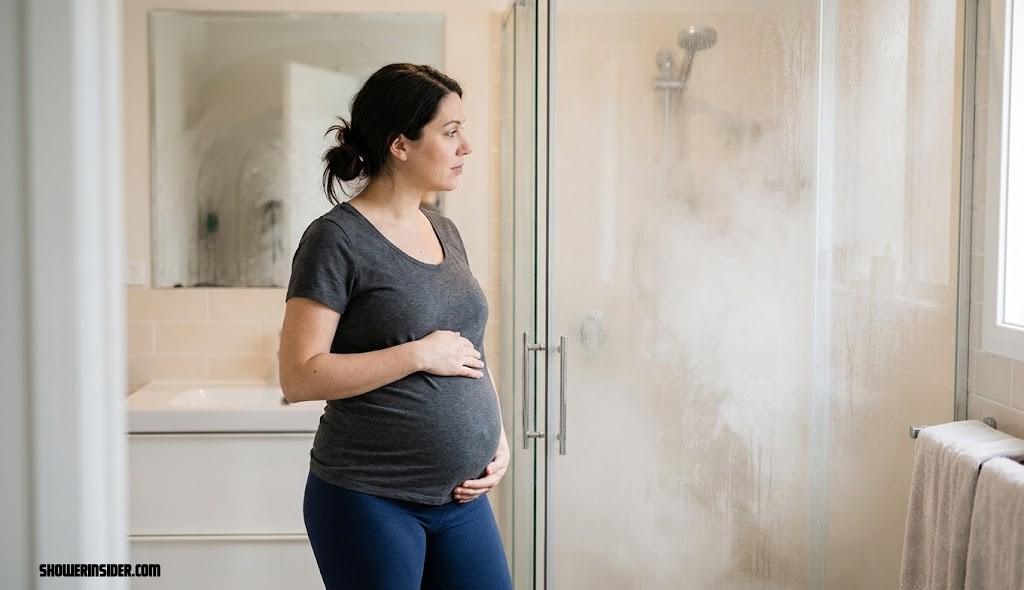
Is It Safe to Take Hot Showers During Pregnancy?
A practical, doctor-informed look at shower temperature, overheating risk, and how to keep your daily routine both relaxing and safe for you and your baby.
Why Shower Temperature Matters During Pregnancy
Pregnancy changes how your body regulates heat. Your blood volume increases by up to 50%, your metabolic rate rises, and your baby’s developing systems are more sensitive to your core body temperature than most people realize. A hot shower that would barely register with you before pregnancy can now raise your internal temperature more quickly and keep it elevated longer.
That matters because a sustained rise in core temperature — a condition doctors call maternal hyperthermia — has been associated with developmental risks, particularly during the earliest weeks when your baby’s neural tube is forming. This is the same reasoning behind advice to avoid hot tubs and saunas in the first trimester, and it’s why the “hot shower” question keeps coming up in prenatal appointments and pregnancy forums alike.
The good news: showers are far less risky than hot tubs or saunas because water cools as it hits your skin and drains away, rather than surrounding your entire body in trapped heat. Understanding the actual risk threshold — rather than avoiding warmth altogether — lets you keep a shower routine that’s both comfortable and safe.

Track Your Water Temperature Precisely
A simple digital shower thermometer takes the guesswork out of “how hot is too hot” — glance and know instantly.
Check Price on AmazonThe Science Behind Overheating & Hyperthermia
Maternal hyperthermia refers to a core body temperature rise above roughly 102.2°F (39°C), sustained for 10 minutes or longer. Research on hot tub use and fever during early pregnancy has linked sustained elevated core temperature with a modestly increased risk of neural tube defects and other developmental concerns — but the key variable is duration and degree of core temperature elevation, not surface exposure to warm water for a few minutes.
A regular shower, even a fairly warm one, rarely raises core body temperature into that danger zone because:
- Water contacts only part of your body at a time as you move under the stream
- Steam and heat escape through the bathroom rather than being trapped around your whole body
- Showers are typically shorter than baths or hot tub sessions
- Evaporative cooling continues on the parts of your skin not directly under the water
This is different from a hot tub, where you’re submerged, heat is trapped against your entire body, and sessions tend to run longer. It’s also different from a fever, which raises internal temperature independent of any external heat source and is generally considered the higher-risk scenario obstetricians actually worry about.
Trimester-by-Trimester Guidance
First Trimester (Weeks 1–13)
This is the window when neural tube development happens, making it the most heat-sensitive period of pregnancy. Most obstetricians recommend being extra mindful here: keep showers warm rather than hot, cap them around 10 minutes, and skip anything that traps heat against your body (hot tubs, saunas, steam rooms).
Second Trimester (Weeks 14–27)
Organ systems are largely formed, and the extreme heat-sensitivity window has passed, but comfort and blood pressure regulation become the bigger concerns. Many women experience more noticeable dizziness from hot water in this stage as blood volume continues expanding — a mild-to-warm shower remains the safer choice.
Third Trimester (Weeks 28–Birth)
Balance becomes the primary practical concern alongside heat. A slippery tub floor combined with dizziness from a too-hot shower is a fall risk. This is the stage where a shower chair with arms or a non-slip mat becomes genuinely useful, not just a nice-to-have.
What Actually Counts as a “Safe” Shower Temperature?
There’s no single official number, but the consistent guidance across maternal health resources converges on a practical range.
| Water Temperature | General Guidance |
|---|---|
| Below 98°F (37°C) | Comfortably cool to lukewarm — always safe, good option in hot weather |
| 98–100°F (37–38°C) | Warm and comfortable — the generally recommended range during pregnancy |
| 100–104°F (38–40°C) | Getting hot — fine briefly, but limit exposure time and watch for dizziness |
| Above 104°F (40°C) | Too hot — avoid, especially for full-body exposure or long durations |
A simple rule of thumb doctors often give: if your skin is turning bright red or the mirror is completely fogged, the water is hotter than it should be during pregnancy.
Warning Signs to Get Out of the Shower Immediately
Your body will usually tell you before things become a real problem. Step out and cool down right away if you notice:
- Lightheadedness or dizziness
- Rapid heartbeat or palpitations
- Nausea
- Feeling unusually flushed or overheated
- Blurred vision
- Excessive sweating once out of the shower
These symptoms often overlap with the low blood pressure changes common in pregnancy, so it’s not always purely about heat — but treating them the same way (cool down, sit, hydrate) is the right call either way. If you regularly feel dizzy or nauseated in the shower, it’s worth reading more about why showers can trigger dizziness and nausea for a deeper breakdown of causes.
Hot Showers vs. Cold Showers During Pregnancy
Both extremes carry trade-offs, and the “best” option is usually somewhere in the middle.
Warm Shower Benefits
- Eases muscle tension and back pain
- Can help with congestion and sinus pressure
- Feels relaxing, may support better sleep
Warm Shower Risks (if too hot)
- Can trigger dizziness or fainting
- Prolonged heat exposure raises core temperature
- Can worsen swelling in the legs and feet
Cold or cool showers carry essentially no heat-related pregnancy risk, and some women find them refreshing during hot months. For a broader comparison, this piece on cold showers versus hot showers covers the general trade-offs outside of pregnancy-specific concerns too.
Hot Showers vs. Hot Baths — Which Carries More Risk?
Baths generally carry more heat-related risk than showers during pregnancy, for a simple reason: your entire body is submerged and surrounded by hot water for an extended period, so heat has nowhere to escape and no chance for evaporative cooling. A shower, by contrast, only exposes part of your body to water at any moment.
If you love baths, keeping the water warm (not hot), limiting soak time to 10 minutes, and making sure the water gradually cools rather than staying topped up with hot water is the safer approach.
What About Hot Tubs, Saunas, and Steam Showers?
These are the categories where medical caution is strongest, and they’re genuinely different from a regular shower. Hot tubs typically run 100–104°F with your whole body submerged for extended periods — exactly the scenario linked to hyperthermia risk in research. Most obstetricians recommend avoiding hot tubs and saunas altogether during pregnancy, particularly in the first trimester.
A steam shower sits somewhere in between — if you have a steam shower generator at home, it’s worth keeping sessions brief (under 5 minutes), the temperature moderate, and skipping it entirely if you’re in your first trimester or feeling unwell.
Pros and Cons of Warm Showers in Pregnancy
Pros
- Relieves pregnancy-related aches and tension
- Helps you wind down before bed
- Can ease nasal congestion, common in pregnancy
- Simply part of a normal hygiene routine — no need to avoid showers
Cons (only at high heat/long duration)
- Risk of dizziness and falls
- Possible core temperature elevation if prolonged
- Can dry out skin that’s already more sensitive during pregnancy
- May worsen leg swelling if water is very hot

Reduce Slip Risk in the Shower
A textured, suction-grip bath mat is one of the cheapest ways to lower fall risk as your balance shifts.
Check Price on Amazon12 Tips for Showering Safely During Pregnancy
- Test water with your wrist first — pregnancy hormones can dull your sense of temperature.
- Keep showers under 10–15 minutes to limit heat exposure time.
- Use a shower thermometer if you tend to run water hot out of habit.
- Sit on a shower stool or chair in the third trimester to reduce fall risk.
- Add a non-slip mat inside the tub or shower floor.
- Keep the bathroom door slightly open or use the exhaust fan to prevent steam buildup.
- Have a plan to sit or exit quickly if you feel dizzy.
- Stay hydrated before and after — dehydration worsens dizziness in heat.
- Avoid showering right after a workout when your body is already warm — cool down first.
- Consider a handheld shower head so you can control water direction and avoid your belly getting a direct hot blast.
- Check your water pressure setup so you’re not standing longer than needed waiting for adequate flow.
- Moisturize after — pregnancy skin is more prone to dryness and itching, worsened by hot water.
Helpful Products for Safer, More Comfortable Showers
A few small upgrades make a real difference in comfort and safety during pregnancy. If your bathroom setup could use adjustments, these are worth a look:
| Product | Why It Helps |
|---|---|
| Digital shower thermometer | Removes guesswork on water temperature |
| Non-slip bath mat | Reduces fall risk from dizziness or wet tile |
| Shower chair with arms | Lets you sit and shower safely, especially in the third trimester |
| Handheld shower head | Better control over water direction and pressure |
| Grab bar | Extra stability getting in and out |

Add a Stability Grab Bar
An easy install that gives you something secure to hold onto as balance shifts later in pregnancy.
Check Price on AmazonCommon Myths About Hot Showers and Pregnancy, Debunked
Myth: “Any warm shower can cause a miscarriage.”
Not accurate. Ordinary warm showers, even fairly regularly, have not been shown to carry meaningful miscarriage risk. The concern is specifically about sustained, whole-body heat exposure — the hot tub and sauna scenario — not a normal 10-minute shower.
Myth: “You should only take cold showers while pregnant.”
Also not accurate, and not necessary for most women. Warm, comfortable showers are fine and often more pleasant, especially for easing aches.
Myth: “If it feels good, it’s automatically safe.”
Not quite — a body already running warmer due to pregnancy hormones may not register heat as intensely, meaning you could stay under hot water longer than you realize before symptoms show up. This is why using a thermometer or timer, rather than relying purely on how it feels, is a reasonable extra precaution.
When to Call Your Doctor
Contact your OB or midwife if you experience any of the following after a hot shower or bath:
- Fainting or near-fainting
- Persistent dizziness that doesn’t resolve within a few minutes of cooling down
- Reduced fetal movement following the episode
- Contractions or unusual cramping
- A fever alongside feeling overheated (this points to illness, not just water temperature)
If you have a pre-existing condition such as low blood pressure, a heart condition, or a high-risk pregnancy, it’s worth asking your provider directly what shower temperature and duration they’d recommend for your specific situation — general guidance doesn’t always apply the same way to every pregnancy.
Frequently Asked Questions
Normal warm showers have not been shown to cause miscarriage. The documented risk relates to sustained hyperthermia from sources like hot tubs and saunas, not brief exposure to warm shower water.
Most guidance points to keeping water around 98–100°F (37–38°C), and avoiding anything above 104°F (40°C) for extended periods.
Warm showers are generally fine, but the first trimester is the period where doctors advise the most caution around heat exposure overall, since it coincides with neural tube development. Keep showers warm rather than hot, and shorter rather than longer.
A regular shower is unlikely to meaningfully raise your core temperature since only part of your body is exposed at a time and heat isn’t trapped the way it is in a bath or hot tub.
This is often a combination of heat and normal pregnancy-related blood pressure changes. Sitting down, cooling the water slightly, and staying hydrated usually helps.
Yes. Hot tubs submerge your whole body in trapped heat for longer periods, which is the scenario most closely linked to hyperthermia risk. Showers pose substantially less risk.
Warm (not hot) baths kept under 10 minutes are generally considered acceptable, but showers carry lower heat-exposure risk overall since your whole body isn’t submerged.
As a general guideline, keeping showers to 10–15 minutes or less, especially if the water is on the warmer side, is a reasonable precaution.
Brief warm shower exposure is not typically associated with meaningful changes in fetal heart rate. If you notice reduced movement or other concerning changes after a shower, contact your provider.
Steam showers trap more heat than a standard shower. Many providers recommend limiting sessions to a few minutes, using moderate temperatures, and avoiding them altogether in the first trimester.
Yes — warm (not scalding) water is commonly used to ease muscle tension and lower back discomfort that’s common during pregnancy.
Conclusion: Warm, Brief, and Mindful Is the Safe Approach
Hot showers aren’t off-limits during pregnancy — but truly scalding water, long soaking sessions, and anything that traps heat against your whole body (hot tubs, saunas, extended hot baths) are the situations worth avoiding, particularly in the first trimester. Keep the water comfortably warm rather than hot, cap your shower around 10–15 minutes, listen to your body’s warning signs, and add a few safety upgrades like a non-slip mat or shower chair as your pregnancy progresses. That’s really all it takes to keep your daily shower both relaxing and safe for you and your baby.
Shop Pregnancy-Safe Shower Essentials on Amazon