
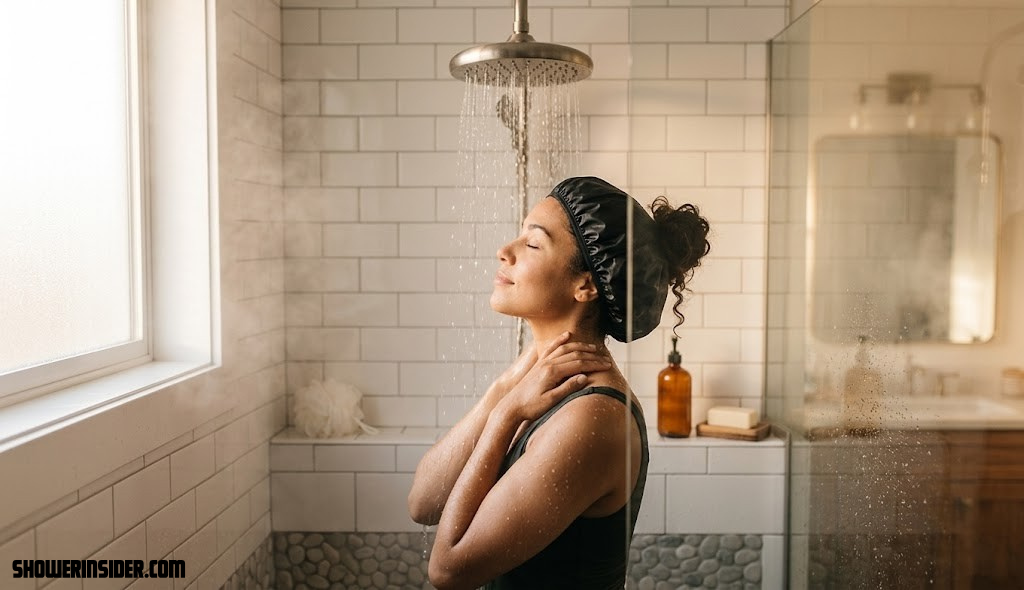
How Often Should You Shower? Benefits, Risks & Expert Tips
The honest, dermatologist-informed answer to a question almost nobody asks out loud — and why the right frequency depends on more than just habit.
The Quick Answer
For most healthy adults, showering every one to three days is enough to stay clean and control odor, while protecting the skin’s natural oils and healthy bacteria. Daily showers aren’t harmful for everyone, but they aren’t a biological necessity either — they’re largely a cultural habit shaped by climate, workplace norms, and personal comfort.
The real answer is more nuanced than a single number. Your ideal shower frequency depends on your skin type, activity level, climate, age, and any underlying skin conditions. This guide breaks down exactly how to figure out what’s right for you, backed by dermatology research rather than guesswork.
It helps to think of showering less like a fixed obligation and more like a dial you adjust based on feedback from your own body. If your skin feels tight, itchy, or flaky, that’s a signal to dial back frequency or soften your technique. If you notice persistent odor, oiliness, or breakouts, that’s a signal to dial up frequency or improve your cleansing routine. Very few people actually need to memorize a specific number — what matters is paying attention to these signals consistently.
It’s also worth separating two different goals that often get lumped together: hygiene and comfort. Hygiene is about preventing the buildup of bacteria, fungi, and irritants that can lead to infections or skin problems. Comfort is about the psychological and social benefits of feeling clean, refreshed, and presentable. Many people shower daily purely for the comfort and ritual of it, even though their hygiene needs could technically be met with less frequent washing. Both goals are valid, but recognizing the difference helps you make an informed choice rather than an automatic one.
The Science of Skin, Sebum & Bacteria
Human skin is coated in a thin layer of sebum, an oily substance produced by sebaceous glands. Sebum isn’t dirt — it’s a protective barrier that locks in moisture, defends against pathogens, and keeps skin flexible. Every time you shower with soap, especially with hot water, you strip away some of this barrier.
Skin also hosts a diverse community of microorganisms known as the skin microbiome. Similar to gut bacteria, these microbes help regulate immune responses, crowd out harmful bacteria, and maintain the skin’s pH balance. Frequent washing with harsh soap disrupts this ecosystem, which can leave skin more vulnerable to irritation, dryness, and even acne breakouts.
Body odor, on the other hand, isn’t caused by sweat itself — sweat is mostly odorless. Odor develops when bacteria on the skin, especially in the armpits and groin, break down sweat compounds into smelly byproducts. This is why targeted washing of odor-prone areas can be just as effective as a full shower for controlling smell on non-shower days.
There are actually two distinct types of sweat glands involved in this process, and understanding the difference explains a lot about why some people notice odor faster than others. Eccrine glands, found across most of the body, produce a watery sweat mainly used for temperature regulation. Apocrine glands, concentrated in the armpits and groin, release a thicker, protein-rich sweat that bacteria feed on much more readily. This is why odor tends to concentrate in these areas rather than spreading evenly across the body, and why spot-cleaning these zones is so effective at controlling smell between full showers.
The skin’s pH also plays a supporting role in this ecosystem. Healthy skin sits at a slightly acidic pH, typically between 4.5 and 5.5, which helps beneficial bacteria thrive while discouraging the growth of pathogenic organisms. Many bar soaps and harsh cleansers are alkaline, which temporarily raises skin pH with every wash. Over time, frequent exposure to alkaline products can keep the skin barrier in a near-constant state of recovery, which is part of why dermatologists increasingly recommend pH-balanced, syndet-based cleansers over traditional soap for people who shower often.
Recent microbiome research has also shown that skin bacteria composition can shift measurably within just a few days of changed washing habits, and that this shift is often reversible once a gentler routine is reintroduced. In other words, the skin is remarkably adaptive — but that adaptability works in both directions, meaning habits formed over months or years of aggressive washing can take time to unwind as well.

Protect Your Skin Barrier
A pH-balanced, fragrance-free body wash helps clean without stripping natural oils — ideal for daily or every-other-day showers.
Check Price on AmazonFactors That Change Your Ideal Shower Frequency
Instead of following a one-size-fits-all rule, dermatologists recommend adjusting frequency based on a handful of practical factors.
| Factor | Effect on Frequency |
|---|---|
| Skin type (dry vs oily) | Dry skin benefits from fewer showers; oily skin may tolerate daily washing better |
| Activity level | Heavy sweating from exercise or manual labor increases the need for washing |
| Climate | Hot, humid climates increase sweat and bacterial growth, raising ideal frequency |
| Age | Older adults typically need fewer showers due to thinner, drier skin |
| Skin conditions | Eczema and psoriasis often improve with less frequent, gentler washing |
| Occupation | Jobs involving dirt, chemicals, or close public contact may require daily showers |
Think of these factors as inputs into a personal formula rather than exceptions to a fixed rule. Someone who works out twice a day in a humid climate has very different needs than someone with dry, sensitive skin working a desk job in a cool climate.
Genetics also plays a quieter but meaningful role. Some people are simply born with more active sebaceous glands, which means their skin produces oil faster and may tolerate — or even benefit from — more frequent washing. Others have naturally thinner skin barriers that are more prone to irritation, making them better suited to a lighter touch. There isn’t a test most people take to figure this out; instead, it’s usually discovered through trial and observation over months of paying attention to how skin responds to different routines.
Diet and hydration can also subtly influence how your skin behaves between showers. People who stay well-hydrated and eat diets rich in healthy fats often report that their skin tolerates frequent washing better, since internal hydration partially offsets the drying effects of water and soap exposure. This isn’t a substitute for adjusting your shower habits, but it’s a useful piece of the bigger picture.
Sleep quality is a less obvious but genuinely relevant factor as well. Skin repairs itself most actively during deep sleep, regenerating barrier lipids and repairing minor daily damage. People who are chronically under-slept sometimes notice their skin reacting more sensitively to their usual shower routine, becoming drier or more irritated than it typically would, simply because the skin’s overnight repair processes aren’t keeping pace with daily wear. In these cases, addressing sleep habits alongside shower frequency can produce better results than adjusting the shower routine alone.
Finally, medication use is an underrated factor. Retinoids, certain acne treatments, and some blood pressure medications can increase skin sensitivity or dryness, making frequent hot showers considerably more irritating than they would be otherwise. If you’ve recently started a new medication and noticed your skin reacting differently to your usual shower routine, it’s worth considering whether the medication — not the shower itself — is the underlying cause.
Is Showering Every Day Necessary?
For the majority of people, daily showering is a preference rather than a medical requirement. Many dermatologists suggest that showering every other day — or even two to three times per week — is sufficient for most adults who aren’t heavily active or working in dirty conditions.
That said, daily showers aren’t inherently bad if done correctly: lukewarm water, a gentle cleanser used only on odor-prone areas, and a short duration (five to ten minutes) minimize the drying effects while still meeting social and hygiene expectations.
If you already shower daily and notice dry, itchy, or flaky skin, that’s often a sign to scale back frequency or adjust your technique rather than a sign that something is medically wrong.
It’s worth noting that the modern expectation of a daily shower is a relatively recent development, historically speaking. Widespread daily bathing only became common in many countries after indoor plumbing, hot water heaters, and mass-marketed soap products became widely available in the twentieth century. Before that, weekly or twice-weekly bathing was the norm across much of the world, and people managed hygiene through spot-washing, changing clothes, and using basins rather than full showers. This history is a useful reminder that daily showering is a cultural convenience rather than a biological requirement.
That doesn’t mean daily showers are wrong for modern life — social expectations, gym culture, humid commutes, and shared workspaces all create legitimate reasons for more frequent washing today than in previous centuries. The point is simply that “daily” is a norm shaped by circumstance, not a hard biological line, which is why it’s worth periodically reassessing whether your current routine still matches your actual lifestyle and skin needs.
Risks of Over-Showering
Signs You May Be Over-Showering
- Persistent dry, flaky, or tight-feeling skin
- Increased itchiness after washing
- More frequent breakouts or irritation
- Skin that reddens easily
- Dry, brittle, or frizzy hair
Why It Happens
- Stripped sebum barrier
- Disrupted skin microbiome
- Hot water damaging surface skin cells
- Harsh soaps removing protective lipids
- Over-exfoliation from daily scrubbing
Over-showering is especially common among people who shower with very hot water for long durations. While it feels relaxing, high heat accelerates moisture loss and can worsen conditions like eczema. If you love long, hot showers, consider shortening the duration and finishing with a cooler rinse to help the skin retain moisture.
Beyond the skin itself, over-showering can also affect the scalp and hair in ways that compound over time. Washing hair daily with sulfate-heavy shampoo strips the scalp’s natural oils, prompting the scalp to overcompensate by producing even more oil — a cycle that can leave hair looking greasy faster and faster with each passing week. Breaking this cycle usually requires a temporary adjustment period of several weeks while the scalp recalibrates its oil production to a lower-frequency washing schedule.
Over-washing hands deserves a special mention as well, separate from full-body showering. While handwashing frequency should generally not be reduced for hygiene reasons, especially around food preparation or illness prevention, people who wash their hands excessively — sometimes dozens of times a day — often develop cracked, painful skin on the hands that can become a gateway for infection. In these cases, the solution isn’t to wash less when hygiene genuinely requires it, but to apply barrier-repairing hand cream consistently after every wash.
Risks of Under-Showering
On the other end of the spectrum, showering too infrequently can allow sweat, dead skin cells, and bacteria to build up, which may lead to noticeable body odor, clogged pores, and in some cases, minor skin infections. This is especially relevant for people who exercise regularly, work outdoors, or live in hot and humid climates.
Under-showering can also worsen certain skin conditions like fungal infections (such as athlete’s foot) or folliculitis, which thrive in warm, moist, unwashed environments.
Under-showering can also have a quieter psychological cost. Many people report feeling less motivated, less confident, or more self-conscious in social settings when they know they’ve skipped hygiene routines for longer than usual, even if no one else notices. While this isn’t a medical risk in the way that skin infections are, it’s a legitimate part of why consistent, moderate showering habits tend to support day-to-day well-being, separate from any pure hygiene argument.
Dead skin cell buildup is another consequence of infrequent showering that’s easy to overlook. Skin naturally sheds old cells continuously, and without regular washing, these cells can accumulate on the surface, contributing to a dull, uneven texture and occasionally clogging pores in oil-prone areas like the chest, back, and shoulders. Gentle exfoliation during less frequent shower sessions can help offset this buildup without requiring a return to daily washing.
There’s also a household dimension worth considering: infrequent showering combined with not changing bedding, towels, or clothing regularly can compound hygiene issues far more than infrequent showering alone. If you’re intentionally reducing shower frequency for skin health reasons, it’s worth increasing attention to laundry frequency and towel hygiene to offset any reduction in washing frequency.
Sleep hygiene interacts with shower frequency in another practical way worth mentioning: bedding that absorbs skin oils, sweat, and dead skin cells over several nights without a shower in between can become a reservoir for the same bacteria a shower would otherwise remove. People experimenting with lower shower frequency often find that changing pillowcases more frequently, even if full sheet changes stay on a normal weekly schedule, helps offset the reduced washing without requiring a return to daily showers.
Recommendations by Age Group
| Age Group | Suggested Frequency | Notes |
|---|---|---|
| Infants & toddlers | 2–3 times per week | Thin, sensitive skin; daily bathing can cause dryness |
| Children | 2–3 times per week (more if active) | Increase after sports, swimming, or heavy play |
| Teenagers | Daily | Increased oil and sweat production during puberty |
| Adults | Every 1–3 days (adjust for activity) | Most flexibility; tailor to lifestyle |
| Older adults | 1–2 times per week | Thinner, drier skin is more prone to irritation |
These are general guidelines rather than strict rules. A teenager who plays competitive sports daily will need more frequent showers than one who is largely sedentary, and an older adult who swims regularly may also need to shower more often than the average recommendation.
Infants and toddlers deserve special attention because their skin barrier is still developing and is considerably more permeable than adult skin, meaning both irritants and moisture pass through more easily. Pediatric dermatologists generally caution against daily bathing for babies who aren’t yet crawling or getting messy, since frequent bathing with soap can quickly lead to dry patches, and in some cases, worsen conditions like infant eczema. A quick sponge bath focused on the face, hands, and diaper area is often sufficient between full baths.
Teenagers represent almost the opposite end of the spectrum. Hormonal changes during puberty dramatically increase activity in both sebaceous and sweat glands, which is why body odor and oily skin often become noticeable concerns for the first time during the teenage years. Daily showers, along with daily use of deodorant or antiperspirant, are frequently necessary at this stage — not because teenage skin is dirtier, but because the underlying oil and sweat production genuinely increases.
For older adults, skin changes go beyond simply becoming thinner. Oil gland activity naturally declines with age, blood flow to the skin decreases, and the skin’s ability to retain moisture weakens considerably. This combination means that even showers that were perfectly fine in someone’s 30s or 40s can become noticeably drying in their 60s, 70s, and beyond. Reducing frequency, lowering water temperature, and increasing moisturizer use are all common adjustments recommended by geriatric dermatology specialists.
Recommendations by Lifestyle & Climate
Your daily environment plays a major role in determining the right shower frequency. Someone commuting by bike in a humid city has very different hygiene needs than someone working from home in a dry, temperate region.
Shower More Often If You…
- Exercise intensely or sweat heavily
- Work outdoors or in physical labor
- Live in a hot, humid climate
- Swim regularly in pools or open water
- Work in healthcare or food service
Shower Less Often If You…
- Have dry or sensitive skin
- Work from home with minimal activity
- Live in a cool, dry climate
- Have eczema or psoriasis
- Are older with naturally drier skin
If you’re active in chlorinated pools, be aware that chlorine can be just as drying as hot water. Our guide on whether you can shower with eyelash extensions covers similar water-exposure concerns worth knowing if you swim or shower frequently with cosmetic enhancements.
Occupation is often an overlooked variable in this equation. Healthcare workers, food service employees, and anyone in frequent close contact with the public often have both practical and professional reasons to shower daily, since their work environments expose them to a wider range of bacteria and contaminants than the average office job. Similarly, people in construction, farming, automotive repair, or other manual trades frequently deal with dirt, grease, dust, or chemical residue that make same-day washing important, both for hygiene and to prevent skin irritation from prolonged contact with workplace substances.
Remote and hybrid work arrangements have also shifted shower habits for a large portion of the population. Many people who work from home report showering less frequently on non-commute days simply because the social and professional pressure to look and smell fresh for in-person interactions is reduced. This isn’t inherently a hygiene problem, but it’s worth being intentional about maintaining a baseline routine even on low-activity days, since long stretches of minimal washing can still allow odor-causing bacteria and dead skin buildup to accumulate gradually.
Travel is another situational factor worth planning around. Long flights, unfamiliar climates, and disrupted routines can all affect how your skin responds to your usual shower frequency. Many travelers find that hotel water quality, different soap formulations, or simply extended time in dry airplane cabin air call for a temporary adjustment — often meaning lighter, less frequent washing paired with more moisturizer than usual until skin re-acclimates.
Hot vs Cold Showers: Does Temperature Matter?
Water temperature has a significant effect on how showering impacts your skin, circulation, and even mood. Hot showers feel comforting, especially in colder months, but prolonged heat exposure breaks down the lipid barrier faster than lukewarm water.
Cold showers, by contrast, are gentler on the skin barrier and have been associated with improved alertness and circulation, though the evidence on broader health claims is still developing. For a deeper comparison of the two approaches, see our full breakdown of whether a cold shower or hot shower is better for your specific goals.
If you regularly deal with headaches, our article on whether a hot shower can help with a headache explores how temperature and steam may offer temporary relief.
Temperature also affects the skin barrier through a mechanism related to lipid structure. The skin’s outermost layer relies on a mixture of lipids that hold skin cells together and prevent water from escaping too quickly. Hot water partially melts and dissolves these lipids, which is one reason skin can feel tight or dry within minutes of a hot shower. Lukewarm water — generally considered to be in the range most people describe as comfortably warm rather than steaming — causes considerably less of this lipid disruption while still effectively removing dirt, oil, and bacteria.
Contrast showers, which alternate between warm and cool water, have become popular in fitness and wellness circles for their potential circulatory benefits. Finishing a normal warm shower with thirty to sixty seconds of cooler water is a commonly recommended middle-ground approach: it retains most of the comfort of a warm shower while adding a brief cold exposure that some people find helps with post-exercise recovery and alertness, without committing to a fully cold shower from start to finish.
It’s also worth noting that steam from hot showers, separate from water temperature on the skin, has situational benefits, particularly for congestion or respiratory discomfort. Many people use a hot, steamy shower occasionally for this purpose even if they generally prefer lukewarm water for their regular hygiene routine, and this occasional use is unlikely to cause meaningful long-term skin issues as long as it isn’t a daily habit.

Dial In the Perfect Temperature
A shower thermometer helps you find the sweet spot between comfort and skin-friendly warmth every time.
Check Price on AmazonHow Often Should You Wash Your Hair?
Hair washing frequency doesn’t have to match body washing frequency. Many people shower daily but wash their hair only two to three times per week to avoid stripping natural oils, which can leave hair dry, frizzy, and prone to breakage.
Curly and coily hair types typically benefit from even less frequent washing, since natural oils travel more slowly down the hair shaft. Straight, fine hair tends to get oily faster and may need more frequent washing to avoid a greasy appearance.
On non-wash days, rinsing with water alone or using a gentle conditioner-only method can keep hair fresh without disrupting the scalp’s oil balance.
Hair texture and chemical treatments both meaningfully affect ideal wash frequency. Chemically treated hair, including color-treated, permed, or relaxed hair, tends to be more porous and prone to dryness, which usually means less frequent washing with sulfate-free formulas helps preserve both moisture and color vibrancy for longer. Fine, straight hair, on the other hand, tends to show oil buildup at the roots more visibly and more quickly, sometimes requiring washing every one to two days to avoid a flat, greasy appearance, particularly for people with naturally high scalp oil production.
Dry shampoo has become a popular tool for extending time between washes, working by absorbing excess oil at the roots rather than actually cleaning the hair. While convenient, relying on dry shampoo for many consecutive days without ever fully washing can lead to product buildup on the scalp, which may contribute to irritation or dullness over time. Most hairstylists recommend using dry shampoo as a bridge between washes rather than a long-term replacement for washing altogether.
Scalp health deserves attention separate from hair length or style. Since the scalp is skin, it experiences many of the same oil, bacteria, and pH dynamics as the rest of the body. People who notice scalp itchiness, flaking, or odor despite regular hair washing may benefit from a dedicated scalp scrub or exfoliating shampoo used periodically, since regular shampoo application doesn’t always fully clear product buildup at the root level.

Wash Less, Protect More
A sulfate-free shampoo helps extend time between washes while keeping color-treated or dry hair healthier.
Check Price on AmazonBuilding a Smarter Shower Routine
Rather than fixating on a specific number of showers per week, focus on building a routine that balances cleanliness with skin health. Here’s a practical framework that works well for most people.
- Assess your activity level daily — a heavy workout or sweaty day may call for a shower even if it’s “off schedule.”
- Use lukewarm water instead of very hot water to protect your skin barrier.
- Limit shower time to 5–10 minutes to reduce moisture loss.
- Focus soap on odor-prone areas — armpits, groin, and feet — rather than lathering the entire body every time.
- Moisturize immediately after showering while skin is still slightly damp to lock in hydration.
- Choose a gentle, fragrance-free cleanser to minimize irritation, especially if you shower daily.
If low water pressure is making your showers less effective at rinsing away soap and shampoo, it’s worth troubleshooting the issue — our guide on how to unclog a shower drain naturally can help if slow drainage is part of the problem.
Beyond the individual steps above, timing your shower thoughtfully within your broader routine can make a noticeable difference. Showering immediately after intense sun exposure, for example, helps rinse away sweat and environmental buildup before it has a chance to combine with skin oils and clog pores. Similarly, showering before bed can help remove allergens, pollution, and daily grime that would otherwise transfer onto pillows and sheets, potentially triggering nighttime skin or respiratory irritation for sensitive individuals.
Choosing the right order of operations in the shower itself also matters more than most people realize. A commonly recommended sequence is to shampoo first, allowing conditioner or hair masks to sit while you cleanse your body, then rinse hair last. This prevents conditioner residue from being redistributed onto skin, which can otherwise contribute to clogged pores on the back, shoulders, and chest — a common but frequently overlooked cause of body acne.
Finally, consider the water itself. Showerhead flow rate, spray pattern, and filtration all affect how thoroughly soap and shampoo rinse away, which indirectly affects how “clean” a given shower actually leaves you regardless of frequency. A showerhead that distributes water evenly and rinses effectively can make even a shorter, less frequent shower routine feel more thorough than a longer routine under a weak or uneven spray.

Keep Your Shower Fresh Between Washes
A squeegee reduces mold and soap scum buildup, keeping your shower cleaner between full cleans.
Check Price on AmazonCommon Mistakes to Avoid
| Mistake | Why It’s a Problem | Better Approach |
|---|---|---|
| Showering with very hot water | Strips skin’s protective oils | Use lukewarm water |
| Long showers (15+ minutes) | Increases moisture loss | Limit to 5–10 minutes |
| Harsh, fragranced soap all over | Irritates sensitive skin | Use gentle cleanser on odor zones only |
| Skipping moisturizer | Skin dries out post-shower | Apply moisturizer while skin is damp |
| Washing hair daily | Strips natural scalp oils | Wash hair 2–3 times weekly |
Small adjustments to technique often matter more than the raw number of showers per week. Two people showering the same number of times can have very different skin outcomes depending on water temperature, soap choice, and post-shower care.
Another frequently overlooked mistake is towel hygiene. Damp towels left bunched up on a hook or floor create a warm, moist environment where bacteria and mold can multiply quickly, meaning that a towel used for several days without proper drying between uses can reintroduce some of the very bacteria a shower was meant to remove. Hanging towels fully spread out to dry, and washing them every three to four uses, helps ensure that post-shower drying doesn’t undo the benefits of the shower itself.
Loofahs, sponges, and washcloths deserve similar scrutiny. These tools are frequently reused for weeks or months without adequate drying between uses, creating an ideal breeding ground for bacteria and mold in their damp, textured surfaces. Replacing loofahs every three to four weeks, allowing them to fully dry between showers, and occasionally sanitizing washcloths in hot laundry water are simple habits that meaningfully reduce the bacterial load reintroduced during each shower.
A final common mistake involves product layering order and rinse thoroughness. Leaving trace amounts of shampoo, conditioner, or body wash on the skin due to rushed rinsing can lead to clogged pores and irritation that gets mistakenly blamed on shower frequency itself, when the real issue is incomplete rinsing. Taking an extra thirty seconds to ensure all product is fully rinsed away, particularly around the hairline, underarms, and back, can meaningfully improve skin clarity without changing how often you shower at all.
Shower Frequency for Specific Skin Conditions
People managing chronic skin conditions often need a more deliberate approach to shower frequency than the general population, since the wrong routine can meaningfully worsen symptoms.
Eczema (Atopic Dermatitis)
Eczema-prone skin has a naturally compromised barrier, meaning it loses moisture faster and reacts more strongly to soap and hot water than typical skin. Dermatologists frequently recommend shorter, lukewarm showers, fragrance-free cleansers used sparingly, and immediate moisturizing within a few minutes of stepping out — often referred to as the “soak and seal” method. Daily short showers can actually help some eczema patients by hydrating the skin, provided moisturizer is applied promptly afterward to lock that moisture in.
Psoriasis
Psoriasis involves rapid skin cell turnover and thick, scaly plaques that can benefit from gentle, lukewarm bathing to soften and loosen scales, but hot water and vigorous scrubbing can trigger flare-ups through a phenomenon known as the Koebner response, where skin trauma triggers new plaques. Pat-drying rather than rubbing, and moisturizing immediately, are especially important for this condition.
Acne-Prone Skin
Contrary to popular belief, acne is not caused by dirty skin, and over-washing can actually worsen breakouts by triggering excess oil production as skin tries to compensate for stripped barriers. Twice-daily gentle cleansing of the face, combined with normal body shower frequency, tends to outperform aggressive scrubbing routines.
Seborrheic Dermatitis
This condition, which causes flaky, sometimes greasy patches typically on the scalp, face, and chest, is linked to an overgrowth of yeast naturally present on skin. Regular washing with a medicated or antifungal cleanser, at a frequency guided by a dermatologist, tends to manage this condition more effectively than either avoiding washing or over-washing with a standard cleanser that doesn’t address the underlying yeast component.
Fungal Conditions and Folliculitis
Conditions like athlete’s foot, jock itch, and folliculitis thrive in warm, damp environments, meaning under-showering combined with damp clothing or footwear can worsen these issues. In these cases, showering promptly after sweating and thoroughly drying skin folds afterward matters more than increasing overall shower count.
Rosacea
Rosacea-prone skin tends to be highly reactive to heat, which can trigger flushing, redness, and flare-ups. People managing rosacea are often advised to avoid hot showers and steam entirely, opting instead for lukewarm water and a very gentle, non-foaming cleanser, along with prompt moisturizing to help stabilize the skin barrier and reduce sensitivity over time.
Keratosis Pilaris
This common condition, which causes small rough bumps typically on the upper arms and thighs, is often mistakenly treated with aggressive scrubbing, which can actually worsen irritation. Gentle exfoliation two to three times weekly, combined with regular moisturizing, tends to outperform frequent hard scrubbing for managing this condition over the long term.

Gentle Cleansing for Sensitive Skin
Formulated without fragrance or harsh sulfates, ideal for eczema, psoriasis, and reactive skin types.
Check Price on AmazonCommon Shower Myths, Debunked
| Myth | Reality |
|---|---|
| Hotter water cleans better | Very hot water damages the skin barrier without meaningfully improving cleanliness |
| You need soap over your entire body every time | Odor-prone zones benefit most from soap; the rest can often be rinsed with water alone |
| Daily showers prevent all illness | Handwashing and general hygiene matter far more for illness prevention than shower frequency |
| Skipping a shower means you’re unhygienic | Spot-cleaning and proper laundry habits can maintain hygiene between full showers |
| Cold showers are always better for skin | Cold water is gentler on the barrier, but lukewarm water is generally more comfortable and equally effective for cleaning |
Many of these myths persist because they conflate cleanliness with intensity — the assumption that hotter, longer, or soapier automatically means cleaner. In reality, the skin’s protective barrier and the products used matter far more for both hygiene and skin health than the sheer force or duration of a shower.
Another persistent myth is that antibacterial soap is inherently superior to regular soap for everyday hygiene. Research over the past several years has generally found that antibacterial formulations offer little to no meaningful advantage over plain soap and water for routine washing, while potentially contributing to bacterial resistance and unnecessary skin irritation from added antimicrobial chemicals. For most people, a gentle, non-antibacterial cleanser is entirely sufficient for everyday shower hygiene.
There’s also a widespread belief that shower frequency should be identical for every member of a household, since bathroom routines are often established as shared family habits rather than individualized choices. In reality, a household might reasonably include a teenager showering daily, a parent with dry skin showering every other day, and a young child bathing two to three times a week — all while maintaining perfectly adequate hygiene for each person’s specific skin type and activity level.
Adjusting Shower Frequency by Season
Shower needs often shift throughout the year, and adjusting your routine seasonally can prevent both under-cleansing in summer and over-drying in winter.
Summer
Higher temperatures and increased outdoor activity typically mean more sweating, making daily or near-daily showers more reasonable during summer months, especially for people who spend time outdoors, swim, or exercise regularly.
Winter
Cold, dry air combined with indoor heating already dehydrates skin significantly, and daily hot showers can compound this dryness. Many dermatologists recommend scaling back to every other day during winter, using cooler water, and increasing moisturizer use to compensate for the season’s naturally drying conditions.
Transitional Seasons
Spring and fall often call for a middle-ground approach, adjusted based on allergy season (which may call for more frequent showers to rinse off pollen) or shifting activity levels as weather changes.
Humidity, separate from temperature, is worth tracking independently across seasons. A hot, dry climate and a hot, humid climate create very different skin conditions despite similar temperatures — dry heat tends to accelerate moisture loss even with infrequent showering, while humid heat increases sweat and bacterial activity, generally calling for more frequent washing despite the added moisture in the air itself. People who move between climates seasonally, whether through travel or relocation, often need a full reassessment of their shower routine rather than assuming their previous schedule will transfer directly.
Indoor heating and air conditioning systems also play an underappreciated seasonal role. Central heating in winter and air conditioning in summer both reduce indoor humidity levels, which can dry out skin regardless of outdoor conditions. Running a humidifier during heavy heating season is a commonly recommended complement to reduced shower frequency, helping offset the drying effects of indoor climate control on skin that might otherwise struggle even with a gentler shower routine.
Showering and Mental Well-Being
Beyond the purely physical hygiene benefits, showering plays a meaningful role in mental well-being for many people. The ritual of a shower can serve as a clear transition point in the day — marking the boundary between sleep and waking activity in the morning, or between work and rest in the evening. This structural role is part of why showering is often one of the first routines to feel harder to maintain during periods of low motivation or low mood, and conversely why re-establishing a shower routine is frequently recommended as a small, achievable step during difficult stretches.
Warm water exposure has also been associated with modest reductions in stress hormones and short-term improvements in mood, likely tied to both the physical relaxation of muscles and the sensory comfort of warmth. Cold showers, on the other hand, have been linked to short bursts of alertness and mild mood elevation for some people, likely through increased circulation and a brief stress-response activation that some find invigorating rather than unpleasant.
None of this means showering is a substitute for addressing underlying mental health concerns, but it does help explain why shower frequency and mental state are often more intertwined than people initially assume — and why forcing a rigid shower schedule during a period of genuine low energy may be less useful than simply keeping the bar low and consistent.
Sensory elements of the shower experience also contribute meaningfully to its psychological value. The sound of running water, the enclosed and private nature of the space, and the temporary break from screens and notifications all combine to make the shower one of the few consistently uninterrupted moments in many people’s daily routines. This is part of why so many people report their best ideas or moments of clarity occurring in the shower — a phenomenon sometimes referred to informally as the “shower thoughts” effect, tied to the relaxed, low-distraction mental state the environment tends to produce.
For people navigating anxiety or overwhelm, establishing even a minimal, low-pressure shower routine — such as a quick two-minute rinse on difficult days rather than skipping entirely — can help maintain a sense of baseline self-care without adding the pressure of a full, lengthy routine that might feel unmanageable during harder periods.
Water Quality & Hard Water Considerations
The mineral content of your water supply can significantly affect how your skin and hair respond to a given shower frequency. Hard water, which contains higher concentrations of calcium and magnesium, can leave a mineral film on skin and hair that interferes with soap’s ability to rinse away cleanly, often leaving skin feeling filmy or hair feeling dull even immediately after washing.
People living in hard water regions sometimes find that they need to adjust cleansing products, add a filtered showerhead, or use a clarifying treatment periodically to counteract mineral buildup, rather than simply increasing shower frequency, which does not address the underlying mineral issue. If you’ve noticed stubborn film or spots despite regular cleaning, our guide on removing hard water stains in the shower covers practical fixes for both your fixtures and your skin.
Chlorine and chloramine, commonly used to disinfect municipal water supplies, can also contribute to skin and hair dryness in ways that are frequently mistaken for the effects of shower frequency alone. People who notice unusually dry, itchy skin or brittle, discolored hair despite a moderate shower schedule may want to investigate their local water treatment chemicals as a contributing factor, since a simple carbon filter attached to the showerhead can meaningfully reduce chlorine exposure without requiring any change to how often they shower.
Water softeners present another consideration for households in hard water areas. While softened water can improve soap lather and reduce mineral film, it also increases sodium content in the water, which some people with particularly reactive or sensitive skin report finding mildly irritating. As with most aspects of shower routines, the right water treatment approach often comes down to individual trial and observation rather than a universal recommendation.

Combat Hard Water Buildup
A filtered showerhead can reduce mineral buildup and improve how your skin and hair feel after every wash.
Check Price on AmazonCultural & Historical Perspectives on Bathing
Shower and bathing norms vary considerably around the world, shaped by climate, water availability, and cultural tradition far more than by any universal hygiene standard. In parts of Northern Europe, twice-weekly or every-other-day showering remains common and socially unremarkable, while in hotter climates or in countries with strong bathing cultures, such as Japan’s tradition of communal baths, daily bathing rituals are deeply embedded in both hygiene and social life.
Understanding this variation is useful context for anyone feeling social pressure around shower frequency: the “correct” number is very much a product of where and when you happen to live, not a fixed biological threshold that applies everywhere equally. This is part of why dermatologists tend to frame recommendations in terms of skin signals and lifestyle factors rather than a universal number that ignores this cultural and environmental diversity.
Historically, bathing practices have also shifted dramatically due to changing beliefs about health and disease. In several periods of European history, frequent bathing was actually discouraged due to beliefs that water could open pores to disease, leading to reliance on perfume and dry-cleaning cloths instead of water-based washing for extended stretches. Modern germ theory and the understanding of the skin microbiome have since replaced these outdated beliefs with an evidence-based view, but the historical swing from one extreme to another is a useful reminder that hygiene norms are shaped as much by prevailing beliefs of the time as by underlying biology.
Today, global access to clean water remains uneven, meaning that shower frequency recommendations common in developed countries with abundant hot water and indoor plumbing simply aren’t practical benchmarks in regions where water access is limited. In these contexts, hygiene practices have adapted through methods like efficient basin bathing, which can achieve comparable hygiene outcomes to a full shower with a fraction of the water usage, underscoring that the shower itself is a delivery method for hygiene rather than hygiene’s only valid form.
Frequently Asked Questions
Is it bad to shower every day?
Not necessarily. Daily showers are fine for most people as long as you use lukewarm water, keep showers short, and use a gentle cleanser. Those with dry or sensitive skin may benefit from showering less often.
How many days can you go without showering?
Most healthy adults can go two to three days without a full shower without significant hygiene issues, especially if they wash key odor-prone areas in between. Activity level and climate can shorten this window.
Does showering less often cause body odor?
Body odor comes from bacteria breaking down sweat, not from skipping showers alone. Spot-washing the armpits, groin, and feet between full showers can control odor even on non-shower days.
Is it better to shower at night or in the morning?
Both have benefits. Night showers remove the day’s sweat and allergens before bed, while morning showers can boost alertness. Our full comparison of night shower vs morning shower breaks down the pros and cons of each.
Can showering too much cause acne?
Yes, in some cases. Over-washing can strip protective oils, prompting skin to overproduce sebum, which may worsen acne for some people. Gentle, less frequent washing with a mild cleanser often helps.
Should kids shower every day?
Most children don’t need daily showers unless they’re very active or get visibly dirty. Two to three times a week is typically enough, with extra washes after sports, swimming, or messy play.
Do cold showers have real health benefits?
Cold showers may support alertness, circulation, and are gentler on the skin barrier than hot showers, though many claimed benefits need more research. See our detailed guide on cold vs hot showers for a full breakdown.
How often should I wash my hair if I shower daily?
You can shower daily while only washing your hair two to three times a week. Rinsing with water alone on other days helps maintain natural scalp oils without leaving hair looking unwashed.
Does showering help with a hangover?
A shower can make you feel more alert and refreshed, but it doesn’t speed up alcohol metabolism. Learn more in our article on whether a shower helps a hangover.
Is it safe to shower with stitches or a new tattoo?
It depends on the type of wound and healing stage. For specific guidance, see our dedicated guides on showering with stitches and with a new tattoo.
Does shower frequency affect the immune system?
There’s no strong evidence that reduced shower frequency weakens the immune system. Some researchers even suggest that overly aggressive washing may reduce beneficial microbial exposure, though this remains an area of ongoing study rather than settled science.
Should I shower before or after a workout?
Showering after a workout is generally recommended to rinse away sweat and prevent bacterial buildup, though some people also rinse beforehand for comfort. Our guide on whether to shower before or after exercise covers the pros of each approach in detail.
Can low water pressure affect how clean I get?
Yes, weak water flow can make it harder to fully rinse soap and shampoo, potentially leaving residue on skin and hair. If this is a recurring issue, see our guide on how to increase shower water pressure.
Is it normal for shower needs to change with age?
Yes. Skin naturally becomes thinner and produces less oil with age, which is why older adults are often advised to shower less frequently and with gentler products than younger adults or teenagers.
Conclusion: Find Your Personal Shower Rhythm
There’s no single “correct” number of showers per week that applies to everyone. The healthiest approach is to treat shower frequency as flexible — driven by your activity level, skin type, climate, and how your skin actually responds, rather than by habit or social pressure alone.
If your current routine leaves your skin dry, irritated, or uncomfortable, it may be worth experimenting with fewer showers, cooler water, or a gentler cleanser. On the other hand, if you’re highly active or live somewhere hot and humid, more frequent showers with targeted cleansing can keep you comfortable without overdoing it.
Ready to upgrade your shower setup for a healthier, more effective routine? Explore our full range of shower guides, from best shower heads to shower cleaning essentials, and build a routine that works with your skin instead of against it.
Ultimately, the most reliable way to find your personal shower rhythm is to treat the first few weeks of any adjustment as an experiment rather than a permanent decision made overnight. If you currently shower daily and suspect you might be over-washing, try shifting to every other day for two to three weeks while keeping water temperature moderate and moisturizing consistently, then observe how your skin responds. If you shower infrequently and notice odor, oiliness, or breakouts creeping in, try adding one additional short, targeted shower per week and see whether that closes the gap. Small, deliberate changes like these tend to reveal far more about your actual needs than following a generic recommendation without ever testing it against your own skin’s response.
It’s also worth revisiting your routine periodically rather than assuming it should stay fixed indefinitely. Life changes — a new job with a longer commute, a move to a different climate, a new exercise habit, or simply getting older — can all shift your ideal shower frequency over time. Checking in with your routine every few months, especially around seasonal transitions, helps ensure your hygiene habits continue to match your actual lifestyle rather than a routine that made sense years earlier but no longer fits your current circumstances.
Whatever frequency you land on, the underlying principle remains the same: showering is a tool for supporting both hygiene and comfort, not a test to pass or a number to hit. Paying attention to how your specific skin, hair, and daily life respond will always outperform following a generic rule borrowed from someone with a completely different set of circumstances.

Lock In Hydration After Every Shower
A fragrance-free moisturizer applied right after showering helps counter dryness, no matter how often you wash.
Check Price on Amazon