
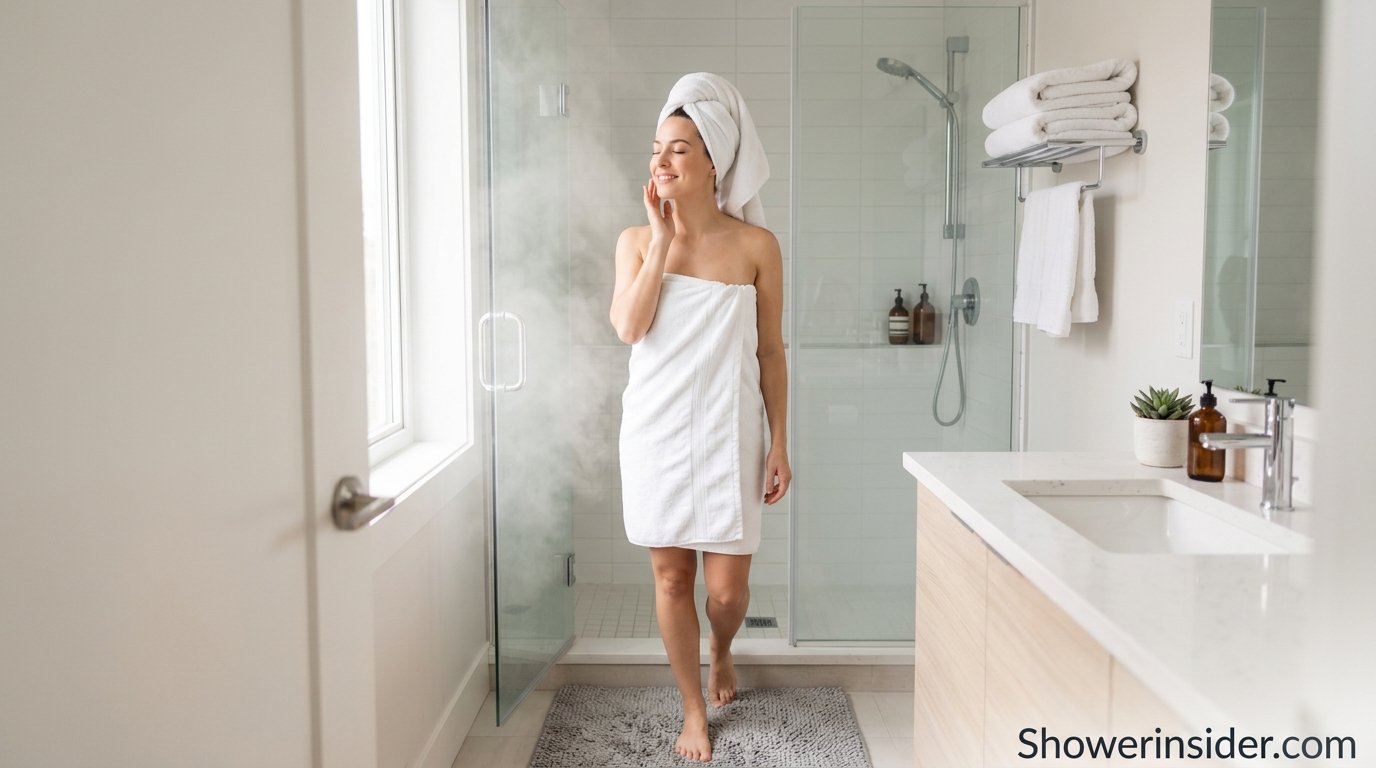
How to Smell Good After a Shower (And Actually Stay That Way All Day)
Why That Fresh Shower Smell Fades So Fast
You step out of the shower feeling like a walking soap advertisement, and by lunchtime, that clean scent is nowhere to be found. This isn’t bad luck — it’s chemistry. Fragrance molecules are volatile, meaning they evaporate off your skin over time, and factors like water temperature, skin type, sweat, and even the order you apply products in all affect how long that “just showered” smell actually lasts.
The good news is that smelling good after a shower isn’t about dumping on more body spray. It’s a sequence — from the second you turn on the water to the last product you apply before getting dressed. Get the sequence right, and you extend a scent that would otherwise fade in an hour into one that lingers well into the evening.
If you’re also dealing with a shower environment that’s working against you — low pressure, hard water buildup, or a musty bathroom — it’s worth sorting that out first. A weak or lukewarm shower makes it harder to rinse product residue, and issues like low shower water pressure or a stubborn musty shower smell after cleaning can undercut even the best routine.
Step-by-Step: The Post-Shower Freshness Routine
Step 1: Choose the Right Water Temperature
Hot water feels amazing, but it strips natural oils from your skin and opens pores wider than they need to be — both of which make odor return faster. Lukewarm-to-warm water cleans just as effectively while keeping your skin’s protective barrier intact.
Consider finishing with 15–20 seconds of slightly cooler water. It closes pores, tightens skin, and gives you a natural “seal” that helps whatever product you apply afterward last longer. If your water heater struggles to hold a steady warm temperature, it’s worth checking why your shower isn’t getting hot in the first place.

Digital Shower Thermometer — dial in the ideal warm temperature every time without guessing.
Check Price on AmazonStep 2: Use the Right Cleanser for Your Skin
A harsh, high-sulfate soap can leave skin dry and stripped, which paradoxically makes it produce more oil (and odor) to compensate. Match your cleanser to your skin type: gel cleansers for oily/acne-prone skin, cream or oil-based washes for dry skin, and fragrance-free formulas if you’re sensitive or planning to layer scented lotion afterward.
If your skin still feels tight or itchy after switching cleansers, the culprit might not be the soap at all — it could be residue from hard water that never fully rinses off your skin. Softening your water or using a filtered showerhead can make a noticeable difference.
Step 3: Focus on Odor-Prone Zones
Not all skin is equal when it comes to odor-causing bacteria. Underarms, feet, groin, and behind the ears have higher concentrations of apocrine sweat glands, which produce the proteins bacteria feed on to create odor. Spend an extra 10–15 seconds lathering and rinsing these zones specifically.
Feet in particular deserve attention if you wear closed shoes often — trapped moisture is a breeding ground for odor-causing bacteria, similar to what causes a buildup on shower floors if they’re not cleaned regularly.
Step 4: Pat Dry, Don’t Rub
Vigorously rubbing a towel across your skin creates micro-abrasions and strips away the thin layer of natural moisture your skin needs. Pat instead, leaving skin very slightly damp — this actually helps the next step work better.
Step 5: Apply Product on Damp Skin
Lotion and body oil absorb far better into slightly damp skin than into completely dry skin, which locks in more moisture and helps fragrance molecules bind to the skin surface rather than sitting on top and evaporating quickly.

Fast-Absorbing Body Lotion — locks in moisture and holds fragrance longer on damp skin.
Check Price on AmazonStep 6: Layer Your Fragrance Correctly
The secret professionals use is “fragrance layering” — using a scented (or unscented) body wash, then a lotion in a complementary scent family, then a light spray of the actual fragrance on pulse points. Each layer reinforces the next, extending wear time significantly compared to spraying fragrance onto bare, dry skin.
Pulse points — wrists, the base of your neck, behind your ears, and inner elbows — run warmer than the rest of your body, which helps fragrance diffuse steadily throughout the day rather than blasting out all at once.
Body Product Types Compared
| Product Type | Best For | Scent Longevity | Notes |
|---|---|---|---|
| Body Lotion | Daily hydration | Moderate (4–6 hrs) | Lightweight, fast-absorbing |
| Body Butter | Dry/winter skin | Long (6–10 hrs) | Rich texture, thicker layer traps scent |
| Body Oil | Locking in moisture | Long (6–8 hrs) | Apply on very damp skin |
| Eau de Toilette | Light daily fragrance | Moderate (3–5 hrs) | Lower concentration, subtle |
| Eau de Parfum | All-day fragrance | Long (6–8+ hrs) | Higher oil concentration |
| Body Mist | Quick refresh | Short (1–3 hrs) | Great for reapplying midday |
Common Mistakes That Ruin Your Scent
Do This
- Apply lotion to damp skin
- Spray fragrance on pulse points, not clothing
- Use complementary scents across wash/lotion/fragrance
- Keep a travel-size mist for midday touch-ups
Avoid This
- Rubbing fragrance into skin (breaks down the scent molecules)
- Spraying too close to skin (overwhelms rather than diffuses)
- Mixing clashing scent families across products
- Skipping deodorant because “the shower already worked”
How to Smell Good All Day, Not Just After Showering
Post-shower freshness is only half the equation — the other half is what happens during your day. Sweat, humidity, and reapplication habits all play a role. A quality antiperspirant or deodorant applied to completely dry skin (not damp) is essential, since moisture can dilute its effectiveness.
If you’re prone to sweating heavily during the day, especially after workouts, pack a small refresh kit: a travel-size body wipe, a mini deodorant, and a pocket-size fragrance mist. This is especially useful if your gym or workplace shower situation isn’t ideal, or if you’re dealing with a home shower that’s underperforming — issues like low showerhead pressure can make morning routines rushed and less thorough than they should be.
Special Situations: Gym, Humidity, and Sensitive Skin
After the Gym
Shower as soon as possible after exercising — sweat left on skin for over 30 minutes gives bacteria more time to break down proteins into odor compounds. A quick rinse followed by a full wash later is far better than skipping the shower until you get home.
Humid Climates
In humid weather, lighter products (gels, mists, eau de toilette) tend to perform better than heavy oils or butters, which can feel greasy and trap sweat rather than letting skin breathe.
Sensitive Skin
Stick to fragrance-free cleansers and hypoallergenic lotions, then apply fragrance only to clothing or hair rather than directly onto irritated skin.
The Science of Body Odor (Why We Smell in the First Place)
Before you can control body odor, it helps to understand where it actually comes from — because the source isn’t what most people assume. Fresh sweat itself is almost entirely odorless. Your body has two main types of sweat glands, and they behave very differently. Eccrine glands are spread across nearly your entire body and produce a thin, watery sweat that’s mostly water and salt, used to regulate temperature. Apocrine glands, on the other hand, are concentrated in the underarms, groin, and around the nipples, and they release a thicker, protein- and lipid-rich fluid that has no smell on its own.
The odor appears only after bacteria that naturally live on your skin — mostly species of Staphylococcus and Corynebacterium — metabolize the proteins and fatty acids in apocrine sweat. As they break these compounds down, they release volatile organic compounds, including short-chain fatty acids and sulfur-containing molecules, which is what your nose actually registers as “body odor.” This is why odor tends to concentrate in warm, moist, bacteria-friendly zones like underarms, feet, and skin folds, rather than spreading evenly across the whole body.
This is also why simply rinsing with water isn’t enough, and why fragrance alone can’t fully solve the problem — masking the smell without reducing the bacterial load or the substrate they feed on just means you’re layering a pleasant scent on top of an ongoing chemical reaction. A proper wash, thorough drying, and a deodorant or antiperspirant that targets bacteria and sweat volume respectively addresses the root cause instead of covering it up.
Individual body chemistry also plays a much bigger role than most people realize. Genetics affect how active your apocrine glands are, which bacterial strains dominate your skin microbiome, and even whether you carry certain gene variants (like the ABCC11 gene) that are linked to reduced or minimal underarm odor in some populations. This is part of why two people can follow an identical shower and fragrance routine and end up smelling noticeably different by the end of the day.
Your skin microbiome — the community of bacteria, fungi, and other microorganisms living on your skin at any given time — is also far more individual than most people assume, shaped by everything from the soap you use to the climate you live in to the pets and people you’re in regular contact with. Two family members sharing the same bathroom and the same bar of soap can still carry meaningfully different bacterial populations on their skin, which is one more reason “just copy someone else’s routine exactly” doesn’t always translate to identical results.
It’s also worth understanding that sweat production itself is regulated by your autonomic nervous system, not something you can consciously control. Emotional stress activates apocrine glands specifically, which is why nervous sweat during a stressful meeting or a first date often smells noticeably stronger and more acrid than sweat produced purely from heat or exercise — the composition of the sweat itself changes slightly under stress, with a higher concentration of the fatty compounds that bacteria feed on most readily. This is part of why a fragrance or deodorant routine that works perfectly on an ordinary day can feel like it’s “failing” during a high-pressure event, when in reality your body is simply producing a different kind of sweat than usual.
Does Diet Affect How You Smell?
Yes, and often more than people expect. Certain foods contain sulfur compounds or other volatile molecules that your body can’t fully break down during digestion. These compounds enter your bloodstream and are eventually released through your sweat, breath, and even skin pores — a process that fragrance and deodorant can’t really override, since it’s happening from the inside out.
Common odor-influencing foods and drinks include garlic and onions (rich in sulfur compounds like allyl methyl sulfide, which can linger in sweat for up to 24 hours), cruciferous vegetables such as broccoli and cabbage, red meat in large quantities, alcohol (which metabolizes into acetic acid, giving sweat a sharper smell), and highly processed or spicy foods that can increase overall sweat production. On the flip side, staying well hydrated helps dilute sweat concentration, and diets higher in fresh produce, especially chlorophyll-rich leafy greens, are often associated with milder body odor, though the effect is subtle rather than dramatic.
| Food/Drink Category | Effect on Body Odor | Why It Happens |
|---|---|---|
| Garlic & onions | Noticeable, can last up to a day | Sulfur compounds excreted through sweat glands |
| Red meat (excess) | Stronger, muskier odor | Slower digestion, more compounds released via sweat |
| Alcohol | Sharp, sour smell | Metabolized into acetic acid |
| Spicy foods | Increased sweating overall | Triggers thermogenic sweat response |
| Leafy greens & water | Milder odor over time | Dilution and lower sulfur load |
None of this means you need to overhaul your diet just to smell good — but if you notice your usual routine suddenly isn’t working as well, it’s worth thinking back to what you ate the night before rather than assuming your deodorant stopped working.
Certain supplements and medications can have a similar, less-discussed effect. High-dose B vitamins, for instance, are sometimes reported to give sweat a faint sulfurous smell as excess amounts are excreted through skin and urine. Some medications, including certain antidepressants and blood pressure drugs, list increased sweating as a side effect, which indirectly increases the raw material available for odor-causing bacteria even if the medication itself has no scent. If you’ve started a new supplement or prescription around the same time your body odor changed, it’s a reasonable thing to mention at your next check-up rather than assuming it’s unrelated.
Hydration deserves a second mention here because its effect is often underestimated. When you’re mildly dehydrated, your body produces less overall sweat volume, but the sweat that is produced tends to be more concentrated in urea, ammonia-related compounds, and other waste products your kidneys would otherwise process — this more concentrated sweat can smell sharper or more pungent than well-hydrated sweat, even though the total volume is lower. Drinking water consistently throughout the day, rather than in one large amount, tends to keep sweat composition more diluted and less prone to a strong odor.
How to Smell Good Naturally, Without Perfume
Not everyone wants to rely on synthetic fragrance, whether for sensitivity reasons, personal preference, or simply wanting a more subtle, “clean” presence rather than a noticeable scent trail. The good news is that a naturally pleasant smell is very achievable without a single spray of cologne or perfume.
Start with the basics covered earlier in this guide — thorough cleansing of odor-prone zones, proper drying, and a good moisturizer — since a genuinely clean, well-hydrated body has very little odor to begin with. From there, a few natural strategies can help:
- Essential oils diluted in a carrier oil (like jojoba or fractionated coconut oil) applied sparingly to pulse points can provide a soft, natural scent without the alcohol base found in most commercial fragrances.
- Unscented, mineral-based deodorants using ingredients like baking soda or magnesium can neutralize odor-causing bacteria without adding fragrance on top.
- Clean, breathable fabrics such as cotton and linen trap less sweat and bacteria than synthetic blends, which reduces the “stale” smell that builds up in clothing over the day.
- Herbal rinses — a final rinse with diluted apple cider vinegar (well diluted, and avoided on broken or irritated skin) can help balance skin pH and reduce bacteria without leaving a strong scent of its own once it dries.
A natural approach tends to reward consistency over intensity — small, repeated habits (daily washing of odor zones, breathable clothing, adequate hydration) do more for a naturally fresh smell than any single product ever could.
Probiotic and prebiotic body washes are a newer category worth understanding if you’re leaning into a natural routine. Rather than stripping away bacteria the way a typical antibacterial soap does, these formulas are designed to support a balanced skin microbiome, on the theory that a healthy, diverse bacterial population is less likely to be dominated by the specific strains most associated with strong odor. The evidence here is still developing compared to well-established options like antiperspirants, but early feedback from users with sensitive or reactive skin has been generally positive, particularly for people who’ve found that harsh antibacterial soaps leave them drier and, counterintuitively, smellier by evening.
Talcum and cornstarch-based body powders are another old-fashioned but effective natural tool, especially for people who deal with excess moisture in skin folds, underarms, or feet. By absorbing surface moisture rather than blocking sweat glands the way an antiperspirant does, a light dusting of powder in problem areas can meaningfully reduce the damp environment bacteria thrive in. Look for talc-free formulas using cornstarch or arrowroot powder if you’d prefer to avoid talc specifically, and always apply to completely dry skin for the best absorbency.
Deodorant vs. Antiperspirant vs. Natural Deodorant
These three product categories get used interchangeably, but they work in fundamentally different ways, and picking the wrong one for your needs is a common reason people feel like “nothing works” for their body odor.
| Type | How It Works | Best For |
|---|---|---|
| Deodorant | Kills or reduces odor-causing bacteria; usually fragranced to mask remaining smell | People who sweat normally but want odor control |
| Antiperspirant | Contains aluminum-based compounds that temporarily block sweat ducts, reducing sweat volume | People who sweat heavily or want dryness, not just odor control |
| Natural deodorant | Uses ingredients like baking soda, magnesium, or charcoal to neutralize odor without blocking sweat | Sensitive skin or those avoiding aluminum, at the cost of some efficacy for heavy sweat |
A common mistake is applying antiperspirant right after a hot shower when pores are still open and skin is damp — this reduces its effectiveness and can cause irritation. Antiperspirants work best applied to completely dry skin, ideally even the night before for people with heavy underarm sweat, since the active ingredients need a few hours to form the temporary plugs that reduce sweat flow.
If you’re switching to a natural deodorant for the first time, expect an “adjustment period” of one to three weeks as your skin’s bacterial balance recalibrates without aluminum compounds suppressing sweat — many people notice more odor initially before it improves.
Formulation also matters within each category. Gel and spray deodorants tend to dry faster and leave less white residue on clothing, which makes them a good fit for darker fabrics, but they can feel less moisturizing on sensitive underarm skin. Solid sticks, whether traditional or natural, are the most common format and generally offer the longest wear, though the classic white residue on clothing is a common complaint, especially with antiperspirant formulas that rely on aluminum compounds. Cream deodorants, applied with fingertips rather than swiped on, tend to be gentler on freshly shaved or sensitive skin and are worth trying if sticks have historically caused irritation.
It’s also worth debunking a persistent myth: there is no credible scientific evidence linking aluminum-based antiperspirants to breast cancer or Alzheimer’s disease, despite this claim circulating widely online for years. Major health organizations, including the American Cancer Society and the National Institutes of Health, have reviewed the available research and found no established causal link. That said, choosing a natural deodorant for reasons of personal preference, skin sensitivity, or simply not wanting to reduce natural sweat function is a perfectly valid choice — it just doesn’t need to be motivated by a health scare that isn’t supported by current evidence.
Shaving, Hair Removal, and Odor Control
Underarm and body hair isn’t inherently smelly, but it does increase surface area for sweat and bacteria to cling to, which can make odor linger longer and feel more concentrated. This is part of why many people notice they can go longer between reapplications of deodorant after shaving or trimming underarm hair.
If you do shave odor-prone areas, timing matters for both comfort and freshness. Shaving right before or during a shower, once skin is softened by warm water, reduces irritation. Avoid applying deodorant or antiperspirant immediately after shaving — freshly shaved skin is more sensitive, and alcohol-based or fragranced products can sting and cause redness. Waiting at least 15–20 minutes, or applying a fragrance-free soothing product first, helps avoid irritation while you still get full odor protection once the skin calms down.
For those who prefer not to shave, regular trimming of underarm hair (rather than full removal) can strike a middle ground — less surface area for bacteria without the sensitivity that comes with shaving very close to the skin.
Other hair removal methods behave a little differently from a straight razor. Waxing and epilating remove hair from the root, which means regrowth is slower and skin generally stays smoother for longer between sessions — but the process also temporarily opens hair follicles, making skin more prone to irritation and, in rare cases, ingrown hairs that can trap bacteria and contribute to localized odor or infection if not managed properly. Depilatory creams use chemical compounds to dissolve hair at the skin’s surface and tend to be gentler immediately afterward than waxing, though the chemicals themselves can be irritating for sensitive skin and should always be patch-tested first, particularly before use in the underarm or groin area.
Whichever method you use, avoid applying fragranced products, alcohol-based aftershaves, or antiperspirant to any area with visible irritation, redness, or nicks. Not only does this sting, it can also worsen inflammation and, in the case of open nicks, create an entry point for bacteria that can lead to more serious skin issues than ordinary body odor.
Understanding Fragrance Notes (Top, Middle, Base)
If you’ve ever wondered why a cologne smells completely different an hour after you spray it than it did in the store, the answer is fragrance structure. Nearly every perfume or cologne is built in three layers, called notes, which evaporate at different rates.
- Top notes are the lightest, most volatile molecules — usually citrus, light florals, or herbs. They’re what you smell in the first 5–15 minutes and create a strong first impression, but they fade quickly.
- Middle (heart) notes emerge as the top notes fade, typically 15 minutes to an hour in. These tend to be florals, spices, or fruits, and they form the “core” character of the fragrance for the next few hours.
- Base notes are the heaviest, slowest-evaporating molecules — woods, musks, amber, vanilla — and they’re what lingers for the final hours of wear, often blending with your natural skin chemistry.
Understanding this structure explains a few common frustrations: why a fragrance that smelled amazing on a test strip can smell different on your skin hours later (you’re only smelling the base notes by then), and why layering a scented lotion under a fragrance can extend its life — the lotion’s own base notes reinforce the fragrance’s as the top and middle notes fade, creating a longer, smoother transition instead of an abrupt drop-off.
Fragrance concentration is the other major factor in how long a scent lasts, and it’s separate from the notes themselves. Concentration refers to how much actual fragrance oil is dissolved in the alcohol-and-water base, and it’s usually listed right on the bottle or box:
| Concentration | Approx. Fragrance Oil | Typical Wear Time |
|---|---|---|
| Eau Fraiche / Splash | 1–3% | 1–2 hours |
| Eau de Cologne | 2–5% | 2–3 hours |
| Eau de Toilette | 5–15% | 3–5 hours |
| Eau de Parfum | 15–20% | 6–8 hours |
| Parfum / Extrait | 20–30%+ | 8+ hours |
Higher concentration doesn’t automatically mean “stronger smelling” from the first spray — it mainly means the scent holds its structure and projects for longer before fading into just base notes. This is why an eau de toilette can smell just as noticeable as an eau de parfum in the first hour, but the eau de parfum is the one still detectable at the end of a long day.
How to Apply Cologne or Perfume the Right Way
Application technique affects both how long a fragrance lasts and how it actually smells on you, and a surprising number of people undermine their fragrance without realizing it.
Do This
- Spray from 3–6 inches away onto skin, not clothing
- Target pulse points: wrists, neck, chest
- Apply right after moisturizing, while skin is still slightly damp
- Use 2–4 sprays for eau de parfum, more for lighter eau de toilette
Avoid This
- Rubbing wrists together after spraying (breaks down top notes and alters the scent)
- Spraying directly onto fabric only (fragrance reads differently and can stain some materials)
- Applying to freshly shaved or irritated skin (alcohol content can sting)
- Over-applying to compensate for “nose fatigue” — a phenomenon where your own nose stops registering a scent you’re used to, even though others can still smell it clearly
That last point is worth repeating: nose fatigue (also called olfactory adaptation) is the single biggest reason people over-apply fragrance. If you can’t smell your cologne anymore an hour after applying it, that doesn’t mean it’s gone — it almost always means your brain has simply tuned it out. Ask a friend or partner, or stick to a consistent number of sprays rather than re-spraying based on how strong it seems to you.
Placement matters more than most people think, too. Spraying at ankle height and letting scent rise (a technique some fragrance enthusiasts swear by) can create a more diffuse, “aura” effect rather than a concentrated cloud right under someone’s nose when they lean in for a hug or a handshake. Hair also holds fragrance exceptionally well since it’s porous and doesn’t have the oils and pH variation that skin does — a very light mist through dry hair (never directly onto wet hair, which can be dried out by the alcohol content) can extend how long people notice a scent throughout the day, since hair moves and releases fragrance with every motion.
Finally, remember that fragrance is genuinely subjective, and body chemistry differences mean the exact same product can smell notably different from person to person — sometimes dramatically so. If a scent you love on a friend doesn’t work the same way on you, that’s not a flaw in the fragrance or in your skin; it’s simply how individual skin oils, pH, and diet interact with the specific molecules in that formula. Testing a new fragrance on your own skin for a few hours before committing to a full bottle is always more reliable than judging it from a sprayed test strip alone.
Why Your Clothes and Towels Matter Just as Much
You can nail every step of your shower and fragrance routine and still end up smelling less fresh than you’d like if the clothes going onto clean skin aren’t actually clean themselves. Fabric holds onto bacteria and sweat residue far more stubbornly than skin does, especially synthetic athletic wear, and a garment that “looks clean” can still carry odor-causing bacteria from a previous wear.
A few habits make a real difference here. Wash workout clothes and undershirts after every single wear rather than reusing them, since synthetic fibers trap bacteria in ways cotton doesn’t. Use a detergent with enzymes if you deal with stubborn sweat odor, since enzymatic formulas break down the proteins that regular detergent can leave behind. Make sure clothes dry completely before storing them — anything folded or hung while even slightly damp can develop a musty, mildew-tinged smell that no amount of body fragrance will cover, similar to the musty smell issue that can develop on damp bath towels or shower surfaces if they don’t fully dry between uses.
It’s also worth rotating which garments you wear closest to your skin day to day, since even well-laundered fabric can build up detergent and mineral residue over many washes that subtly dulls how fresh it smells, especially in homes with hard water.
Front-loading washing machines, while more water-efficient, are especially prone to developing their own musty odor inside the drum and rubber gasket if left closed and damp between loads — and a washing machine that smells musty will transfer that smell to every load run through it, no matter how good your detergent is. Leaving the door propped open between washes and running an empty hot-water cycle with a washing machine cleaner or plain white vinegar every few weeks prevents this from becoming a hidden source of “clean” laundry that somehow still smells slightly off.
Fabric softener and scent-boosting laundry beads deserve a brief mention, since they’re often marketed specifically around long-lasting freshness. They can genuinely help extend a clean smell in fabric over several days of wear, but heavy use can also coat fibers in a way that reduces breathability and, ironically, traps more sweat and heat against skin during the day, partially offsetting the benefit. Using these products in moderation, and skipping them entirely on heavy sweat gear like gym clothes and socks, tends to give the best balance of scent and actual performance.
How to Smell Good Without Showering
Travel days, camping trips, power outages, or simply an unusually packed morning can all mean skipping a full shower — but that doesn’t have to mean smelling less than fresh. A few targeted steps can substitute for a full wash when a shower genuinely isn’t an option.
- Spot-clean with body wipes. Focus specifically on underarms, feet, groin, and behind the ears — the same odor-prone zones covered earlier — rather than trying to wipe down your entire body.
- Use dry shampoo on both hair and, sparingly, on oily skin areas like the chest or back to absorb excess oil that can otherwise contribute to odor over the course of a day.
- Apply a fresh layer of deodorant or antiperspirant to clean, dry underarms even without a shower — this alone handles a large share of daily odor.
- Change into a clean shirt if at all possible; fresh fabric against skin does more for perceived freshness than most people expect.
- Use a light fragrance mist as the final step, focused on pulse points rather than saturating clothing.
This kind of “dry routine” isn’t a long-term replacement for regular washing, but it’s a genuinely effective way to stay presentable for a day or two when circumstances don’t allow for a proper shower.
Camping and outdoor trips deserve a specific mention, since a proper shower may not be available for several days at a stretch. Biodegradable body wipes are worth packing specifically for this scenario, since standard wipes often contain ingredients that aren’t safe to leave behind in natural water sources or soil. A small collapsible basin and a bandana can also substitute for a sink-side wash of hands, face, and feet each evening — feet in particular benefit from a nightly wipe-down and a change of dry socks, since damp socks worn for multiple consecutive days are one of the fastest ways to develop persistent foot odor on a trip.
It’s also worth having a plan for your sleeping bag and base layers on a multi-day trip, since these accumulate body oils and sweat the same way clothing does at home. Airing out a sleeping bag and any base layers each morning, rather than immediately repacking them, gives sweat and moisture a chance to evaporate instead of setting into the fabric overnight after overnight.
Smelling Good for Dates, Interviews, and Long Days
Certain situations call for a slightly adjusted approach to the standard routine, mostly around intensity and timing rather than the core steps themselves.
Dates and Social Events
Apply fragrance 30–60 minutes before you plan to be close to someone, since a fragrance smells strongest and least “settled” right after application. Choose something you’ve worn before and know how it develops on your skin, rather than testing something brand new for a high-stakes night — fragrance chemistry is too individual to gamble on for an important evening.
Interviews and Professional Settings
Less is more. A strong scent trail in an enclosed interview room or small office can be distracting or even trigger sensitivities in others, so a single light spray, or skipping fragrance in favor of a scented (but subtle) deodorant and lotion, tends to be the safer choice. Focus your effort instead on the fundamentals: clean, dry skin, fresh clothes, and solid antiperspirant coverage.
Long Workdays or Travel Days
Pack a small refresh kit (covered earlier in the “no-shower” section) and plan one midday touch-up rather than trying to make a single morning application last 12–14 hours. A light mist reapplied around the midpoint of a long day does more than doubling your morning application ever will.
Job Interviews and Enclosed Spaces
Beyond keeping fragrance light, think about the space itself. A small conference room, an elevator ride, or a car with someone else means fragrance has far less room to diffuse than it would outdoors or in a large office, so a scent that feels perfectly calibrated walking down a street can feel overwhelming the moment the door closes. When in doubt for a high-stakes, enclosed setting, err toward less rather than more — you can always apply a touch more from a travel-size bottle afterward if the situation calls for it, but you can’t undo an overpowering first impression.
First Dates Specifically
Beyond timing your application 30–60 minutes ahead, consider that a scent someone finds attractive is genuinely subjective and often tied to memory and association rather than any universal “best” fragrance. Sticking with something you already know smells good on you, layered properly through the wash-lotion-fragrance sequence covered earlier in this guide, tends to be a safer and more confidence-building choice than experimenting with something entirely new right before a night that matters to you.
Seasonal Freshness: Summer vs. Winter Routines
Your skin, sweat volume, and even how fragrance behaves all shift with the seasons, so a routine that works perfectly in January can underperform by July.
| Factor | Summer Approach | Winter Approach |
|---|---|---|
| Cleanser | Lightweight gel, more frequent washing of sweat zones | Cream or oil-based to avoid over-drying skin |
| Moisturizer | Light lotion or gel-cream, applied thinly | Richer body butter or oil to combat dryness |
| Fragrance concentration | Lighter eau de toilette or mist; heat intensifies scent | Eau de parfum works well; cold air mutes projection |
| Antiperspirant | Daily, sometimes twice daily in heat | Often needed less frequently |
| Fabric choice | Breathable cotton/linen to reduce trapped sweat | Layering can trap odor; air out coats and sweaters regularly |
Heat and humidity intensify fragrance projection, which is why a scent that felt perfectly balanced in a cool office can feel overwhelming outdoors in summer — this is a good reason to size down concentration or spray count during warmer months rather than assuming a product itself has gotten “stronger.”
Many people also find they gravitate toward different fragrance families with the seasons entirely apart from concentration. Citrus, aquatic, and light green scents tend to feel more appropriate and refreshing in summer heat, both because they smell right for the season and because these lighter molecular structures don’t turn cloying the way heavier scents can once combined with sweat. Warmer months are also when reapplication frequency matters most — heat and increased sweat naturally shorten how long any product lasts, fragrance included, so a midday touch-up habit becomes far more important from June through September than it is in cooler months.
Winter brings its own separate challenge: dry, cold air and indoor heating both pull moisture from skin, which can make skin flakier and less able to hold onto lotion and fragrance evenly. Richer, oil-based moisturizers applied generously to damp skin help offset this, and heavier fragrance families like woods, spices, vanilla, and amber tend to feel more seasonally appropriate and also perform better, since these denser molecules don’t evaporate as quickly in cold, dry air the way lighter citrus and aquatic notes do.
Body Odor Changes by Age and Life Stage
Body odor isn’t static throughout life — hormonal shifts at different ages change how active sweat glands are and how strong resulting odor tends to be.
Puberty is the biggest turning point, since apocrine glands, which are largely inactive in childhood, become active for the first time, often catching kids and parents off guard with a sudden need for daily deodorant where none existed before. Adulthood tends to bring a relatively stable baseline, though stress, diet, medication, and fitness routines can all shift things over time. Hormonal transitions such as pregnancy or menopause can temporarily increase sweat gland activity and change body odor’s character, often requiring a temporary adjustment in product strength or type. Older adulthood is frequently associated with a milder, sometimes described as “grassy” or “waxy,” body scent due to changes in skin lipid composition — a well-documented phenomenon that’s a normal part of aging rather than a hygiene issue.
None of these stages require a fundamentally different routine from the one outlined in this guide — the same core sequence of washing, drying, and layered application applies throughout life — but recognizing that your needs may shift can save a lot of frustration when a routine that worked for years suddenly feels less effective.
For parents navigating a child’s first experience with body odor at the start of puberty, it’s worth normalizing the change rather than treating it as embarrassing — apocrine glands activating is a universal, predictable part of development, not a sign of poor hygiene. Introducing a gentle, fragrance-free or lightly scented deodorant, along with a simple explanation of why underarms and feet now need more attention in the shower than they used to, is usually all that’s needed. Starting with a milder deodorant rather than a strong antiperspirant is often a reasonable first step, since younger skin can be more reactive to aluminum compounds and fragrance concentrations designed for adult skin.
On the other end of the age spectrum, older adults dealing with drier, thinner skin often find that heavier moisturizers and gentler, less frequent washing of non-odor-prone areas of the body (arms, legs, back) actually improves both comfort and how fresh their skin feels, since over-washing skin that’s already producing less natural oil can lead to a dry, tight sensation that’s easily mistaken for uncleanliness when the real issue is the opposite.
Storing Fragrance and Products So They Actually Work
Even a great fragrance or lotion can underperform if it’s been degraded by poor storage, which is a commonly overlooked piece of the freshness equation.
- Keep fragrance out of the bathroom. The heat and humidity from showers actually accelerates the breakdown of fragrance molecules over time, shortening a bottle’s usable life. A closet, dresser drawer, or dedicated cool cabinet is a better home for perfume and cologne.
- Avoid direct sunlight. UV exposure breaks down fragrance compounds and can visibly darken the liquid, which is a sign the scent profile has already started to shift.
- Keep bottles capped tightly when not in use to slow oxidation, which dulls top notes first and can make an aged fragrance smell flatter or more one-dimensional over time.
- Check expiration realistically. Most fragrances last 3–5 years unopened and slightly less once opened and exposed to air; lotions and body washes with natural oils or fewer preservatives tend to have shorter shelf lives, often 1–2 years.
Getting the storage right protects the investment you’ve already made in a good routine — there’s little point optimizing every step of your shower and layering sequence if the final product going onto your skin has already lost half its character sitting on a steamy bathroom shelf.
Deodorants and antiperspirants are more resilient to storage conditions than fine fragrance, but they’re not immune to degradation either. Extreme heat, such as leaving a stick deodorant in a hot car in summer, can cause the solid base to soften, separate, or become greasy in texture, which affects both application and how evenly the active ingredients spread across skin. Body washes and lotions containing natural oils, plant extracts, or minimal preservatives are the most perishable products in a typical bathroom cabinet and benefit from being kept away from direct heat and used within the window suggested on the packaging, usually indicated by a small open-jar symbol showing the number of months a product stays good after opening.
A simple habit worth adopting: date your bottles when you open them, either with a small sticker or a note on your phone, particularly for natural or preservative-light formulas. It’s an easy way to avoid the common mistake of using a body oil or lotion that’s a year or two past its practical shelf life and has started to smell faintly rancid rather than fresh — a change that’s easy to miss if you’re used to the product’s original scent and simply reach for it out of habit.
Best Product Categories to Try

Matching Body Wash + Lotion Set — an easy way to layer complementary scents without guesswork.
Check Price on Amazon
Travel-Size Fragrance Mist — perfect for a midday refresh at the gym, office, or on the go.
Check Price on AmazonFrequently Asked Questions
Why does my body odor come back so fast after showering?
Usually it’s a mix of leftover bacteria in high-sweat zones, hot water that stripped your skin’s natural barrier, or applying products to completely dry skin instead of damp skin, which reduces how well they bind.
Should I apply lotion before or after deodorant?
Apply lotion first, let it absorb for a minute or two, then apply deodorant to dry underarm skin so it isn’t diluted.
Is it better to shower in the morning or at night for smelling good all day?
Morning showers generally give fresher-smelling skin throughout the workday since you’re not carrying overnight sweat, though a lot depends on personal morning vs night shower habits and schedule.
Can hard water make it harder to smell good after a shower?
Yes — mineral buildup from hard water can leave residue on skin and interfere with how well soap rinses away, which is part of why removing hard water stains and softening your water supply can indirectly improve how clean your skin actually feels.
Why does my fragrance smell different on me than in the bottle?
Fragrance interacts with your individual skin chemistry, diet, and even the products layered underneath it, so the same scent can smell noticeably different from person to person.
How often should I reapply fragrance during the day?
Most eau de parfum lasts 6–8 hours; a light mist reapplication around the midday mark is usually enough to refresh without overwhelming the original layers.
Does showering more often help me smell better?
Not necessarily — over-showering can strip natural oils and actually increase oil production. Focus on shower quality (temperature, thoroughness on odor zones) over frequency.
What’s the best water temperature for skin and scent?
Warm water is ideal for cleaning without stripping natural oils; a cool final rinse helps close pores and can make product application more effective afterward.
Why do my towels make me smell musty after showering?
Damp towels that don’t fully dry between uses can develop mildew, which transfers a musty smell onto freshly washed skin. Hang towels to fully air-dry and wash them every few days.
Can low water pressure affect how clean I actually get?
Yes — weak water flow can leave soap and shampoo residue on skin and hair, which affects freshness. If this is a recurring issue, it’s worth looking into how to increase shower water pressure.
Can what I eat really change how I smell?
Yes. Foods high in sulfur compounds, like garlic, onions, and cruciferous vegetables, along with red meat and alcohol, can be released through sweat and change your natural scent for up to a day. Staying hydrated and eating more fresh produce tends to have a mild, gradual effect in the opposite direction.
What’s the difference between deodorant and antiperspirant?
Deodorant targets odor-causing bacteria and is often fragranced to mask smell, while antiperspirant uses aluminum-based compounds to physically reduce how much you sweat. Many products combine both functions in one stick.
Why does my cologne smell different after a few hours?
Fragrances are built from top, middle, and base notes that evaporate at different speeds. What you smell right after applying is mostly top notes; by the afternoon, you’re smelling the slower-evaporating base notes blending with your skin’s natural chemistry.
How can I smell good without showering?
Spot-clean odor-prone zones with body wipes, apply fresh deodorant or antiperspirant to dry skin, change into a clean shirt if possible, and finish with a light fragrance mist on pulse points rather than saturating clothing.
Should I use a different routine in summer versus winter?
Generally yes — lighter cleansers, thinner moisturizers, and lower fragrance concentration work better in heat and humidity, while richer body butters, oils, and slightly stronger fragrance concentrations tend to perform better in cold, dry winter air.
Where should I store my perfume or cologne to keep it fresh?
Away from the bathroom and direct sunlight — heat, humidity, and UV exposure all break down fragrance molecules faster. A cool, dark drawer or cabinet away from the shower is ideal, and bottles should be kept tightly capped between uses.
Conclusion: Build a Routine, Not Just a Habit
Smelling good after a shower isn’t about any single miracle product — it’s the sequence: the right water temperature, a cleanser suited to your skin, focused attention on odor-prone zones, gentle drying, and layered products applied in the right order on the right kind of skin. Nail that sequence once and it becomes second nature, giving you a scent that actually lasts instead of fading by mid-morning.

Start Your Fresh Routine Today — browse top-rated body washes, lotions, and fragrances on Amazon.
Shop on Amazon
Pingback: Can You Shower With a Fitbit? Safe Guide & Tips