
The Complete Shower Routine for Gym Goers
How to time your showers, protect your skin, speed up recovery, and stop breakouts and body odor from undoing your training — a practical, step-by-step routine built around real gym schedules.
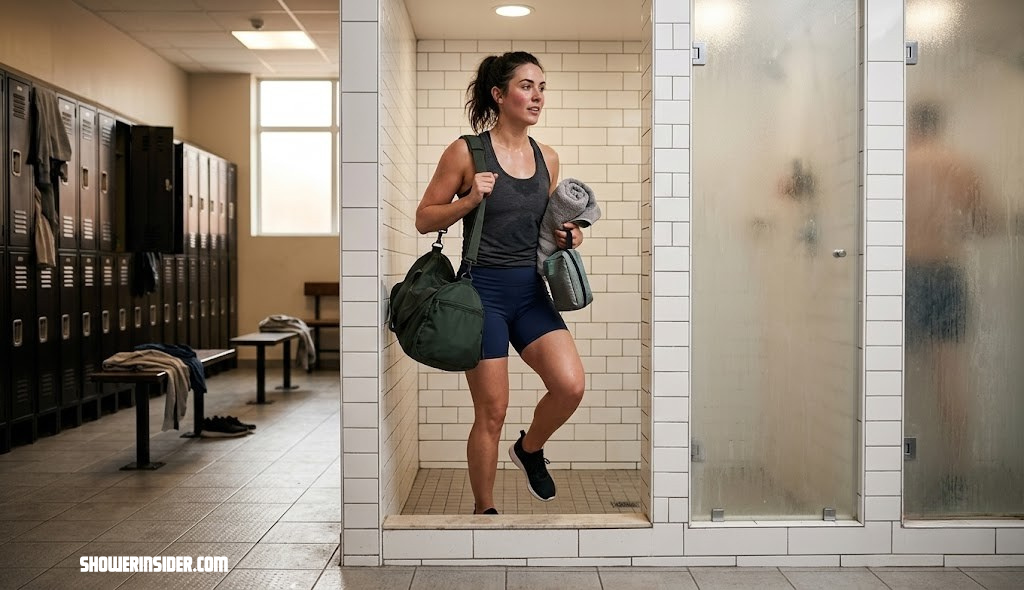

Why Your Shower Routine Matters More Than You Think
Most people treat the post-gym shower as an afterthought — something to rush through on the way to work or dinner. But for anyone training regularly, the shower routine surrounding a workout is doing real physiological work. It manages sweat and bacteria before they clog pores, it helps muscles transition out of an elevated heart-rate state, and it plays a quiet but measurable role in how sore you feel the next day.
Gym goers who skip a structured routine tend to run into the same handful of problems: persistent breakouts along the hairline and back, a scalp that gets oily faster, gear that never fully dries out, and a body that takes longer to feel “reset” between sessions. None of these are dramatic on their own, but stacked up over months of training, they add friction to a habit that should feel good.
This guide breaks the process into two clear halves — what to do before you train and what to do immediately after — and then gets specific about temperature, timing, and product choices that actually make a difference for people who sweat several times a week.
There’s also a habit-formation angle worth considering. People who train consistently for years, rather than in short bursts, almost always have some kind of ritual attached to the process — a specific order they do things in, a specific point where they switch from “workout mode” to “recovery mode.” The shower is often that switch. It’s the physical marker between effort and rest, and treating it with a bit more intention can make the whole habit feel more sustainable, not just cleaner.
This becomes especially relevant for people training in shared spaces, whether that’s a household bathroom used by multiple people or a commercial gym locker room. A routine that’s efficient and repeatable removes friction that might otherwise tempt you to skip steps, rush through cleaning high-sweat areas, or delay showering long enough that sweat has already dried and bacteria has had time to work on it.
It’s also worth acknowledging that gym goers aren’t a single uniform group with identical needs. Someone lifting heavy four days a week has different skin and muscle-recovery priorities than someone doing daily cardio, and someone training outdoors in a hot climate faces different sweat volume than someone in an air-conditioned gym. This guide covers the general framework that applies broadly, while calling out the specific adjustments that matter for different training styles, climates, and life stages along the way.
Should You Shower Before the Gym?
A pre-workout shower is optional, but it solves a specific problem: it removes the layer of oil, deodorant residue, and skincare product buildup that can mix with sweat and clog pores once you start training. If you shower in the morning and hit the gym hours later, a quick rinse — even just water on the face and underarms — resets your skin before it gets hit with sweat again.
This matters most for people who are prone to breakouts along the forehead and jawline, since that’s where sweat mixes most directly with product residue and hair oils. If acne is a recurring issue, see our guide on the best shower routine for healthy skin for a deeper skin-specific breakdown.
Reasons to Shower Before Training
- Removes makeup, sunscreen, and product buildup before sweating
- Wakes up the body and can improve alertness for early sessions
- Reduces clogged pores for acne-prone skin
- Feels psychologically like a “reset” before effort
Reasons to Skip It
- Doubles water and time usage in a day
- Not necessary if you’re training within an hour of your morning shower
- Hot water pre-workout can leave you feeling sluggish for high-intensity sessions
There’s no universal right answer here, and the choice often comes down to your specific training schedule rather than a hard rule. Someone who works out first thing in the morning, straight out of bed, gets more benefit from a pre-workout rinse than someone who trains in the evening after a full day where they’ve already showered once. Similarly, people with naturally dry or sensitive skin may find that a second daily shower does more harm than good, in which case a targeted rinse of just the face and underarms is a reasonable middle ground rather than a full shower.
If you do decide to shower before training, keep it brief and avoid heavy exfoliation or active skincare ingredients right before a sweaty session — retinoids, strong acids, and fresh shaving can all make skin more reactive to sweat and friction during exercise. Save more intensive skincare steps for after your workout, when your skin isn’t about to be immediately stressed by heat and movement.
Post-Workout Shower Timing: How Long to Wait
The ideal window to shower after a workout is within 20 to 30 minutes of finishing, once your heart rate has settled and you’ve stopped actively sweating in large amounts. Showering the instant you finish, while your body is still overheated and pores are wide open, is less effective than giving yourself a short cooldown first.
A brief cooldown — walking, light stretching, or simply sitting for five to ten minutes — allows your core temperature to drop naturally. Jumping straight into a hot shower while still overheated can prolong the feeling of being flushed and sweaty, since you’re adding external heat on top of internal heat that hasn’t dissipated yet.
| Time After Workout | What’s Happening | Recommendation |
|---|---|---|
| 0–10 minutes | Heart rate and core temperature still elevated | Cool down, hydrate, change out of wet gear |
| 10–20 minutes | Sweating slows, skin begins to cool | Good window to shower for most people |
| 20–45 minutes | Body largely returned to baseline | Ideal window if you want a longer, more relaxing shower |
| 45+ minutes | Sweat has dried on skin | Still fine, but bacteria has had more time to interact with sweat — don’t delay much further |
Waiting too long has its own downside. Sweat left on skin for over an hour gives bacteria more time to break it down, which is what produces body odor and can contribute to clogged pores and back acne, sometimes called “bacne.” If you’re noticing recurring breakouts on your back or shoulders, our piece on healthy-skin shower habits covers targeted fixes.
There are practical situations where an immediate shower isn’t avoidable — you might be sharing a household bathroom on a tight schedule, or heading straight from the gym to another commitment. In those cases, the fix isn’t to skip the cooldown entirely, but to compress it: a couple of minutes of walking around the locker room, a few sips of water, and rolling your shoulders back before stepping in still helps compared to going from full exertion straight into a hot stream.
On the other end, life sometimes pushes the shower much later than ideal — a long commute home, errands, or simply losing track of time. If several hours pass before you can shower, a quick interim step helps: wiping down the highest-sweat areas with a towel or, if available, an unscented wipe, changing out of wet workout clothes as soon as possible, and letting skin breathe rather than staying sealed inside damp fabric until you finally get to a shower.

Upgrade Your Post-Workout Rinse
A strong, adjustable handheld shower head makes it easier to rinse sweat from hard-to-reach areas like your back and scalp after training.
Check Price on AmazonHot vs. Cold Water After Training
Water temperature after a workout isn’t just a comfort preference — it changes how your body responds. Warm water relaxes muscles and can feel immediately soothing, while cold water constricts blood vessels and is often used deliberately to manage inflammation after intense sessions.
Warm Showers Post-Workout
A warm shower, generally in the 98–105°F range, helps loosen tight muscles and is a comfortable default for most gym goers most of the time. It’s the better choice after strength training sessions where muscle relaxation matters more than aggressive inflammation control, and it’s gentler on skin that’s already been exposed to friction from equipment and clothing.
Cold or Contrast Showers
Some athletes finish with a cold rinse, or alternate between warm and cold in a contrast approach, aiming to reduce perceived muscle soreness after particularly hard sessions. The evidence on how much this speeds true physiological recovery is mixed, but many people report their legs and joints feel less “heavy” the next day when they finish with 30–60 seconds of cooler water. For a deeper comparison of the general debate, see cold shower vs. hot shower and night shower vs. morning shower for timing-related context.
| Approach | Best For | Feel |
|---|---|---|
| All warm | Strength training, general comfort | Relaxing, loosens muscles |
| All cool/cold | High-intensity cardio, hot climates | Bracing, reduces overheated feeling fast |
| Contrast (warm then cold finish) | Heavy leg days, endurance sessions | Energizing, some report less next-day soreness |
If your home’s water pressure or heater makes any of these approaches difficult to control precisely, it’s worth reading how to increase shower water pressure, since consistent pressure matters for a routine you’re repeating several times a week.
One practical way to think about temperature is as a spectrum rather than a binary choice. You don’t have to commit to either “always warm” or “always cold” — many experienced gym goers vary it session to session based on how their body actually feels that day. A day where joints feel stiff and cranky might call for a longer warm soak, while a day where you feel puffy and overheated after a brutal conditioning circuit might call for a faster, cooler rinse. Learning to read your own body’s signals after a few months of training is more useful than rigidly following a single fixed rule every time.
What the Contrast Method Actually Looks Like
For anyone curious about trying a contrast shower without overcomplicating it, a simple version is: finish your normal warm shower routine, then turn the water to the coolest comfortable setting for 30 to 60 seconds while focusing the stream on major muscle groups you trained that day — quads and hamstrings after a leg session, or shoulders and upper back after a push day. There’s no need for an ice-cold plunge; the goal is a noticeable but tolerable temperature drop, not an extreme shock.
Skin Care for Gym Goers
Frequent training means frequent sweating, and frequent sweating means your skin is exposed to a cycle of moisture, friction, and product residue more often than the average person’s. A few adjustments to your skin routine make a noticeable difference over a few weeks.
Cleanser Choice
A gentle, non-comedogenic cleanser used on the face and any acne-prone areas after training helps clear sweat and oil without stripping skin, which can otherwise trigger a rebound of excess oil production. Bar soap on the face is generally too harsh for daily post-workout use.
Moisturizing After Showering
Hot water and frequent washing pull moisture from skin over time. Applying a lightweight, fragrance-free moisturizer within a few minutes of stepping out — while skin is still slightly damp — helps lock in hydration far better than applying it hours later.
Good Habits
- Cleanse face and back after every sweaty session
- Moisturize within minutes of drying off
- Use lukewarm, not scalding, water on the face
- Change out of wet workout clothes promptly
Habits to Avoid
- Letting sweaty clothes sit against skin for hours
- Using heavily fragranced body wash on broken-out skin
- Skipping moisturizer because skin “feels oily” post-workout
- Scrubbing hard with a rough loofah on irritated skin
Why Post-Workout Skin Feels Different
Sweat itself is mostly water and salt, but the mixture that ends up on your skin during a workout also includes oils from your sebaceous glands, dead skin cells, and whatever residue was on your skin before you started — sunscreen, the previous day’s moisturizer, or dust and pollution if you trained outdoors. This combination is what actually clogs pores, not sweat on its own, which is why simply “sweating it out” is a myth when it comes to skin clarity; the sweat has to be washed away promptly, not left to evaporate.
Friction adds another layer to this. Tight compression gear, helmet straps, and gym bag straps all create repeated rubbing against skin that’s already covered in sweat and oil, which is a well-documented contributor to a specific type of breakout called acne mechanica. If you notice breakouts that map directly onto where your gear sits — a line across the forehead from a headband, or a strip across the chest from a heart rate monitor strap — that’s a strong signal the friction itself is a contributing factor, not just general sweat.
Scalp and Hair Care After Training
Gym goers who train five or six times a week often face a specific dilemma: washing hair every single day can dry it out, but skipping washes leaves a sweaty scalp that can feel uncomfortable and lead to buildup. The middle ground most trainers land on is a rinse-only approach on lighter sweat days, paired with a full shampoo every other day or every two to three sessions.
A rinse-only approach — just water, worked through the scalp thoroughly — removes surface sweat and salt without stripping the natural oils that a daily full shampoo would remove. On heavier sweat days, a light, sulfate-free shampoo formulated for frequent use keeps buildup in check without over-drying.
Dry Shampoo as a Bridge, Not a Replacement
Dry shampoo has a legitimate place in a gym routine, particularly for people training twice in one day or squeezing in a lunchtime session between work commitments. It can absorb some surface oil and refresh the roots enough to get through a light second session, but it isn’t a substitute for actually washing sweat and salt out of hair and off the scalp. Relying on it too often, without ever following up with a real wash, tends to lead to buildup that can make a scalp feel worse over time, not better.
Long Hair Considerations
People with longer hair face an added logistical challenge: fully wetting, washing, and drying long hair takes meaningfully more time than a short cut, which can make daily washing impractical even on heavy sweat days. A high, tight braid or bun during training reduces how much hair actually gets soaked in sweat in the first place, which in turn reduces how often a full wash is strictly necessary — often the scalp, not the length of the hair, is what actually needs the water and shampoo.
Fighting Body Odor and Back Acne
Body odor after exercise comes from bacteria breaking down sweat, particularly in areas with more sweat glands like the underarms and groin. A thorough rinse with soap in these areas, rather than a quick water-only pass, is what actually neutralizes odor — water alone won’t fully remove the oils bacteria feed on.
Back acne is a related but distinct issue, often driven by sweat and friction trapped under tight workout shirts or gym bag straps. A body wash with salicylic acid or benzoyl peroxide, used a few times a week rather than daily, can help without over-drying skin. If breakouts persist, our detailed guide to shower routines for healthy skin goes deeper into ingredient choices and frequency.
Common Trouble Spots
| Area | Why It’s a Problem | Fix |
|---|---|---|
| Underarms | Highest concentration of sweat glands | Wash with soap, not just water rinse |
| Upper back/shoulders | Friction from shirts and bag straps | Salicylic acid body wash 2–3x/week |
| Hairline/forehead | Sweat mixes with hair oil and hat friction | Cleanse immediately post-workout |
| Feet | Enclosed in shoes for hours, high moisture | Dry thoroughly, consider antifungal powder |
Deodorant vs. Antiperspirant After Training
It’s worth applying deodorant or antiperspirant after your post-workout shower, not before, since applying it to sweaty, unwashed skin just traps odor-causing residue underneath rather than addressing it. Waiting until skin is fully clean and dry before reapplying gives the product a proper clean surface to work on, and it lasts noticeably longer through the rest of your day as a result.
Laundry Habits That Support Your Shower Routine
A shower routine can only do so much if the same sweaty gear keeps getting reused before it’s properly washed. Bacteria and odor-causing residue that survive in unwashed workout clothes get reintroduced to freshly cleaned skin the very next session, undoing some of the benefit of a thorough shower. Rotating through enough workout clothes to always have a clean set, and washing gear within a day of a sweaty session rather than letting it sit balled up in a bag, is a small habit that meaningfully supports everything else in this routine.

A Body Wash Built for Sweat
Look for a body wash with salicylic acid or tea tree oil if you’re prone to back and chest breakouts from training gear.
Shop Body Wash on AmazonShower Gear That Actually Helps a Gym Routine
A handful of tools make a gym-focused shower routine noticeably faster and more effective. None of these are strictly necessary, but each solves a specific friction point that comes up often for people showering several times a week.
Handheld Shower Head
Makes it far easier to target sweat on the back, feet, and scalp without contorting under a fixed head. Pairs well with a dual shower head combo if you share a bathroom.
Anti-Fog Mirror or Squeegee
Useful if you’re doing skincare steps right after showering. A shower squeegee also keeps glass doors free of soap scum from daily use.
Shower Caddy
Keeping cleanser, shampoo, and a dedicated body wash within reach speeds up a routine you’re repeating daily. A drill-free shower caddy is an easy add for rentals.
Shower Chair or Bench
Helpful after leg day when standing through a full routine is uncomfortable. See our roundup of teak shower benches for a low-maintenance option.
Steam Showers and Higher-End Recovery Setups
Some gym goers with home gyms or dedicated recovery routines invest in a steam shower generator or convert an existing shower into a full steam shower setup. Steam can be a pleasant addition for loosening tight muscles before a warm-water rinse, though it’s a significant investment that’s only worth it for people training very consistently and specifically prioritizing at-home recovery infrastructure over a gym membership with existing amenities.
Sound and Atmosphere
It’s a small detail, but a lot of gym goers use their post-workout shower as a brief mental reset, not just a physical one. A waterproof Bluetooth shower speaker can turn a purely functional five minutes into something closer to a deliberate wind-down, which matters more than it might sound like for people training hard and often, where burnout is as much a risk as physical overtraining.
The Step-by-Step Post-Workout Shower Routine
Here’s a practical sequence that covers hygiene, skin, and recovery without dragging the process out longer than it needs to be.
- Cool down for 5–10 minutes before getting in — let heart rate settle.
- Rinse first with plain water to remove surface sweat and loose debris before applying anything.
- Wash high-sweat areas with soap — underarms, groin, feet, and back — rather than relying on a water-only pass.
- Cleanse the face separately with a gentle, non-comedogenic cleanser.
- Shampoo if it’s a heavy sweat day, or do a thorough water rinse through the scalp if not.
- Finish with 30–60 seconds of cooler water if you trained legs hard or did high-intensity cardio.
- Pat skin dry rather than rubbing, especially on any irritated areas.
- Moisturize while skin is still slightly damp, within a few minutes of stepping out.
This sequence takes most people somewhere between eight and fifteen minutes depending on hair length and how thorough the wash needs to be that day. It’s deliberately not a long, luxurious routine — it’s built to be repeatable on a weeknight after a late session, not just on a lazy weekend morning when you have unlimited time. The point isn’t to add steps for the sake of thoroughness; it’s to make sure the handful of steps that actually matter for skin, scalp, and recovery don’t get skipped when you’re tired and just want to get out of the bathroom.
If you’re new to structuring a routine this way, it can help to write the steps down and stick them somewhere visible in the bathroom for the first couple of weeks, until the sequence becomes automatic. Most people find that after about three or four weeks of consistent repetition, they stop needing to think through the order at all — it becomes as automatic as the workout itself.
Recovery-Boosting Habits Around Your Shower
A few habits layered around the shower itself can support recovery without adding much time to your routine.
Hydrate Before and After
Rehydrating before you shower, not just after, helps counter the mild dehydrating effect of hot water on top of sweat loss from training.
Stretch During the Cooldown Window
Light stretching in the 5–10 minutes before showering uses the same window your body needs to cool down anyway, so it doesn’t cost extra time.
Consider Timing Relative to Sleep
Warm showers taken an hour or two before bed can support sleep onset by mimicking the natural body-temperature drop that happens before sleep. If you train in the evening, see do warm showers help you sleep and best shower temperature for sleep for more detail on timing this well.
Breathing and Mental Recovery
Physical recovery gets most of the attention, but the few minutes in the shower after a hard session are also a natural opportunity for a brief mental reset. Slowing your breathing deliberately — a few rounds of a longer exhale than inhale — while the water runs can help shift your nervous system out of the more activated state that intense training puts it in, especially after a high-intensity or particularly stressful session. This isn’t a substitute for full recovery practices like sleep and nutrition, but it costs nothing extra and fits naturally into time you’re already spending in the shower.
Skin Rebuilding and Micro-Tears
Intense strength training creates microscopic damage in muscle tissue that the body repairs over the following day or two, which is part of what builds strength over time. While a shower doesn’t directly accelerate this repair process, a warm rinse can improve blood flow to the skin’s surface temporarily, and the overall sense of relaxation it provides supports the parasympathetic, “rest and digest” state that’s generally more favorable for recovery than staying in a keyed-up, sympathetic state for hours after training.
Adjusting Your Routine by Workout Type
| Workout Type | Priority Focus | Suggested Temp |
|---|---|---|
| Heavy strength training | Muscle relaxation, joint comfort | Warm throughout |
| High-intensity cardio/HIIT | Cooling down core temperature | Warm, cool finish |
| Long endurance sessions (running, cycling) | Chafing relief, hydration follow-up | Warm, gentle on irritated skin |
| Swimming | Removing chlorine, rehydrating skin | Warm with thorough rinse — see our shower head guide for strong-rinse options |
| Yoga/mobility work | Relaxation, minimal sweat handling | Warm, unhurried |
Special Considerations for Contact and Outdoor Sports
Team sports and contact training bring extra variables into the mix — shared equipment, turf or mat surfaces, and a higher chance of minor cuts, scrapes, or skin contact with other people’s sweat. A thorough, soap-based shower immediately after these sessions is less optional than it might be after a solo gym session, since it’s one of the more effective ways to reduce the risk of skin infections that can spread through shared athletic environments. Any open cuts or abrasions should be cleaned separately and covered once dry, rather than left exposed through a full shower and the rest of the day.
Outdoor Training in Heat or Cold
Training outdoors adds sun exposure, wind, and sometimes chlorine or open-water residue into the mix depending on the activity. A more thorough rinse is warranted after outdoor sessions to remove sunscreen, dust, and environmental residue that indoor training doesn’t produce, and a slightly more generous moisturizing step afterward helps offset the additional drying effect of sun and wind on skin.
Common Mistakes Gym Goers Make With Their Shower Routine
Mistakes to Fix
- Showering immediately with scalding water while still overheated
- Skipping soap on high-sweat areas and rinsing with water only
- Leaving wet gym clothes in a bag for hours before washing them
- Using the same harsh body soap on facial skin
- Forgetting to moisturize because skin still feels “sweaty” post-shower
Simple Fixes
- Cool down 5–10 minutes before stepping in
- Soap underarms, back, feet, and groin every session
- Air out gym bags and wash gear within a few hours
- Use a separate gentle cleanser for the face
- Moisturize within minutes of drying off
Overcorrecting Is Also a Mistake
It’s worth flagging the opposite failure mode too: some gym goers, once they learn that sweat and bacteria cause skin issues, start over-washing — scrubbing aggressively multiple times a day, using harsh antibacterial soap all over the body, or exfoliating daily. This tends to backfire by stripping skin’s natural barrier, which can trigger more oil production and more irritation, not less. The goal is thorough, targeted cleaning of high-sweat areas once per session, not aggressive scrubbing of the entire body multiple times a day.
Morning vs. Evening Gym Showers
If you have flexibility in when you train, the timing of your shower has some downstream effects worth knowing about.
| Factor | Morning Gym + Shower | Evening Gym + Shower |
|---|---|---|
| Alertness | Cool or contrast shower can boost wakefulness for the day | Less relevant if heading toward bed |
| Sleep quality | Not a major factor | Warm shower 1–2 hours before bed can aid sleep onset |
| Skin exposure time | Sweat sits for shorter time if you shower right after | Risk of sweat sitting longer if shower is delayed until bedtime |
| Convenience | Fits well before work | Fits well as a wind-down ritual |
Whichever you choose, consistency matters more than the specific time of day — a routine you actually stick to every session beats a theoretically optimal one you skip half the time.
Splitting Your Training Between Morning and Evening
Some people don’t train on a fixed schedule at all — an early session on gym days that fit before work, and an evening session on days that don’t. If that’s your situation, it’s worth keeping two slightly different versions of your routine in mind rather than forcing one approach onto both scenarios. A faster, cooler-leaning routine works well for a morning session where you need to get moving afterward, while a slower, warmer routine suits an evening session where winding down is the priority.
Weekend Routines
Weekend training sessions often come with more flexibility, which is a good opportunity to run the fuller version of this routine — the contrast finish, a proper hair wash, a more thorough moisturizing step — rather than the compressed weekday version. Treating at least one shower a week as the “complete” version, rather than always rushing, helps you notice if any part of the shorter daily routine has started slipping.

Speed Up Drying After a Gym Shower
A quick-dry microfiber towel is a small upgrade that makes a repeated daily routine noticeably faster.
See Quick-Dry TowelsFrequently Asked Questions
How soon after a workout should I shower?
Within 20 to 30 minutes is generally ideal, after a short cooldown period. Waiting much longer gives sweat and bacteria more time to interact on skin, which can contribute to odor and breakouts.
Is it bad to shower right after working out?
It’s not harmful, but jumping into a hot shower while still overheated can feel uncomfortable and prolong the sensation of being flushed. A brief 5–10 minute cooldown first is usually more comfortable.
Should I shower before or after the gym?
Both have value. Showering before removes product buildup and can help prevent clogged pores; showering after removes sweat and bacteria. Many people benefit from a light rinse before and a full shower after.
Is cold water better than hot water after a workout?
Neither is universally better — it depends on the goal. Warm water relaxes muscles, while cold water or a cold finish is often used to reduce the heavy, overheated feeling after intense sessions.
How often should I wash my hair if I go to the gym daily?
Many gym goers do a full shampoo every other day and a thorough water rinse on lighter sweat days, which limits buildup without over-drying hair and scalp.
Why do I still smell after showering post-workout?
This usually points to skipping soap on high-sweat areas like the underarms, relying on a water-only rinse, or not fully drying skin, which allows bacteria to keep multiplying in residual moisture.
Can showering after the gym help with muscle soreness?
Warm water can relax tight muscles and improve comfort, while some people use a cold finish to reduce the heavy feeling in legs after hard sessions. Neither replaces proper stretching, hydration, and rest.
What’s the best body wash for gym-related back acne?
A body wash containing salicylic acid or benzoyl peroxide, used a few times a week rather than daily, tends to help without over-drying skin that’s already exposed to friction from workout gear.
Should I moisturize after a post-workout shower?
Yes. Frequent hot showers can dry out skin over time, so applying a lightweight, fragrance-free moisturizer while skin is still slightly damp helps maintain hydration.
Is it okay to skip showering after a light workout?
For very light sessions with minimal sweat, a thorough wipe-down and change of clothes can be enough, though a full shower is still the more reliable option for skin and scalp health.
Does showering after a workout affect muscle growth?
Showering itself doesn’t meaningfully impact muscle growth. What matters more for recovery and growth is overall sleep, nutrition, and hydration — the shower’s role is mainly comfort, hygiene, and a small assist to how relaxed or refreshed you feel afterward.
Should I use the same shampoo and body wash every day I train?
It’s fine to use the same products consistently, but many gym goers rotate to a gentler, sulfate-free shampoo on lighter sweat days and a more targeted, salicylic acid or tea tree oil body wash on heavier sweat days when skin needs extra help.
Is it bad to shower twice a day if I train morning and evening?
Two showers on double-training days is common and generally fine, as long as you moisturize after each one and avoid harsh, drying cleansers both times, which can leave skin overly stripped by the end of the day.
Hydration and Electrolytes Before You Rinse
It’s tempting to treat hydration as a separate topic from your shower routine, but the two are more connected than most people assume. Sweating heavily during a workout depletes both water and electrolytes, and stepping into a hot shower before replacing either can leave you feeling lightheaded or unusually fatigued afterward — a sensation some people mistake for the workout itself rather than what’s really a mild dehydration response compounded by heat.
A practical habit is to drink a full glass of water, and ideally something with electrolytes after a particularly sweaty session, before getting in the shower rather than after. This is especially relevant for longer sessions, hot-climate training, or anyone who trains fasted, where the body has fewer reserves to draw on. If you routinely feel dizzy or nauseous partway through a shower after training, it’s worth reading through the possible causes in why do I get dizzy and nauseous in the shower, since heat combined with dehydration is one of the more common explanations.
Shower Length and Heat Exposure
Long, very hot showers add another layer of heat exposure on top of a workout that has already elevated your core temperature and depleted fluids. Keeping post-workout showers a bit shorter and a bit cooler than a leisurely evening shower isn’t just about water conservation — it also reduces the chance of that lightheaded, overheated feeling some people experience when they linger too long under hot water right after intense exercise.
Why Water Pressure Matters More Than You’d Think
It’s easy to overlook water pressure as a factor in a gym routine, but anyone who has tried to rinse sweat and salt out of thick hair or off a sore back under a weak, dribbling stream knows how much of a difference it makes. Low pressure turns a quick five-minute rinse into a frustrating ten-minute ordeal, and it makes it harder to fully clear soap and shampoo residue, which can itself contribute to clogged pores over time.
For gym goers showering daily or near-daily, a strong, consistent stream isn’t a luxury — it’s part of what makes the routine sustainable. If your home shower has always felt underpowered, it’s worth investigating whether the issue is your plumbing, your shower head, or a flow restrictor. Our detailed breakdown of how to increase shower water pressure walks through diagnosing and fixing common causes, and how to fix low shower water pressure covers additional troubleshooting steps for older homes and apartments.
Signs Your Shower Head Needs an Upgrade
If you notice mineral buildup around the nozzle holes, uneven spray patterns, or a stream that seems to have gotten weaker over time even though your home’s water pressure hasn’t changed, the shower head itself is often the culprit rather than your plumbing. Hard water deposits gradually clog the small openings that create the spray pattern, and no amount of adjusting the valve will fix that. In these cases, a simple swap — sometimes even without tools — restores full performance. Our guide on the best shower heads breaks down which models hold up best under frequent daily use, while handheld shower head reviews covers the format most gym goers find easiest to direct at specific sweaty areas.
If you’re on well water or live somewhere with notably hard water, mineral buildup happens faster, and it’s worth learning how to remove hard water stains in the shower so the rest of your bathroom fixtures don’t degrade at the same rate as your shower head.
Dual Shower Heads for Shared Bathrooms
In households where multiple people are training on different schedules, a single fixed shower head can become a genuine bottleneck, especially if preferences for spray pattern or handheld flexibility differ between household members. A dual shower head combo, combining a fixed overhead with a handheld wand, tends to solve this well since it lets each person use whichever mode suits their routine without needing to swap hardware between showers.
If your shower drain also seems to be struggling to keep up with the increased hair and product runoff from more frequent showers, it’s worth a look at how to unclog a shower drain naturally before buildup turns into a bigger plumbing issue.
Gym Showers Away From Home
Anyone who trains consistently eventually has to shower somewhere other than their own bathroom — a commercial gym locker room, a hotel during travel, or a friend’s place after an outdoor workout. These environments come with their own set of considerations that a home routine doesn’t have to account for.
Locker Room Hygiene
Shared shower spaces mean more exposure to standing water and surfaces used by many people throughout the day, which raises the practical importance of foot hygiene specifically. Shower sandals are worth the minor inconvenience of carrying them, since bare feet on wet communal tile floors are one of the more common ways people pick up fungal infections. Dry feet thoroughly afterward, especially between the toes, before putting socks and shoes back on.
Packing a Minimal But Effective Kit
For gym-bag or travel showers, a pared-down kit still needs to cover the essentials: a gentle all-purpose cleanser that works for both body and face in a pinch, a small travel-size shampoo, and a quick-dry towel that packs down small and doesn’t stay damp in a bag for hours afterward, which can start to smell and grow bacteria if left sealed in a gym bag overnight.
Hotel Gym Showers While Traveling
Travel disrupts routines more than most people expect, and gym goers who train consistently at home often find hotel gyms and unfamiliar shower setups throw off their usual sequence. Hotel water pressure and heater capacity vary widely, and unfamiliar products at the sink can tempt you into skipping your usual targeted steps. Packing a small, familiar version of your regular kit — even just travel sizes of your normal cleanser and moisturizer — helps keep the routine consistent enough that skin and scalp don’t take a noticeable hit during a week or two on the road.
It’s also worth being slightly more cautious about water quality when traveling internationally, since tap water mineral content and treatment standards vary by region. This mostly affects hair more than skin, so if your hair feels unusually different after showers in a new location, it’s likely the water itself rather than anything about your routine.
Gym-Bag Shower Essentials
- Travel-size body wash or all-in-one cleanser
- Shower sandals for communal floors
- Quick-dry microfiber towel
- Small deodorant and a change of underwear
What to Skip on the Go
- Full-size bottles that add unnecessary bag weight
- Heavily fragranced products that linger in a closed locker
- Anything glass or breakable
Adjusting the Routine by Season
A shower routine that works well in summer often needs small tweaks once the weather changes, both because sweat volume shifts and because skin’s baseline hydration needs change with humidity and indoor heating.
Summer and Hot-Climate Training
Higher sweat volume in warmer months means the post-workout rinse becomes even more important for preventing clogged pores and body odor. Cooler water is also more comfortable and more effective at bringing down an elevated core temperature quickly during summer training blocks.
Winter and Indoor Heating
Cold weather and indoor heating both pull moisture from skin, so winter is the season where skipping moisturizer after a gym shower shows up fastest as visible dryness, especially on the hands, shins, and face. It’s also tempting to run showers hotter in winter for comfort, but very hot water compounds the drying effect — a moderate temperature paired with a good moisturizer routine holds up better over a full winter of daily training.
Humid Climates Year-Round
Gym goers training in consistently humid climates face a different set of tradeoffs than the seasonal shift described above. High ambient humidity means sweat evaporates more slowly, which can make you feel like you’re still sweating long after a workout ends, and it also means skin often stays more hydrated by default, reducing how urgently moisturizer is needed compared to a dry climate. The bigger risk in humid climates is usually fungal and bacterial growth given the moisture-rich environment, which makes thoroughly drying skin, especially between toes and in skin folds, more important than it might be in a drier region.
Building a Simple, Sustainable Gym Shower Kit
You don’t need a large product lineup to run an effective routine — you need a small number of products that each do a specific job well, restocked before you run out. A practical kit for a regular gym goer covers four categories: a body cleanser for high-sweat areas, a separate facial cleanser, a shampoo suited to your wash frequency, and a lightweight moisturizer.
| Category | What to Look For | Frequency |
|---|---|---|
| Body cleanser | Salicylic acid or tea tree oil if acne-prone | Every post-workout shower |
| Facial cleanser | Gentle, non-comedogenic, fragrance-free | Every post-workout shower |
| Shampoo | Sulfate-free for frequent use | Every other day or heavy sweat days |
| Moisturizer | Lightweight, fragrance-free, fast-absorbing | Immediately after every shower |
Keeping this kit organized and within reach matters more than it sounds. A dedicated shower caddy keeps products from cluttering a shared bathroom and speeds up a routine you’re repeating daily, which removes one more excuse to rush or skip steps.
Resist the temptation to expand this kit endlessly just because a new product looks appealing. Every additional step you add is one more thing that can get skipped on a tired weeknight, and the four categories above cover the vast majority of what actually matters for a training-focused routine. If you want to add something beyond these basics, an exfoliating step once or twice a week — not daily — is one of the few additions genuinely worth considering, since it helps prevent the buildup of dead skin cells that can otherwise trap sweat and oil closer to the surface.
Ingredients Worth Avoiding for Frequent Washers
Because gym goers wash more often than the average person, ingredients that are only mildly drying for occasional use can become genuinely problematic with daily exposure. Strong sulfates, high concentrations of alcohol in body sprays, and heavily fragranced formulas are worth avoiding as daily products, even if they’re fine as an occasional treat — the cumulative drying effect from daily use is what causes problems, not any single shower.
Signs Your Shower Routine Needs Adjusting
A shower routine isn’t something you set once and forget — as training load, season, and life circumstances change, the routine that worked well six months ago might start showing cracks. Paying attention to a few recurring signals helps you catch this early rather than living with avoidable irritation or breakouts for months.
| Signal | Likely Cause | Adjustment to Try |
|---|---|---|
| Increasing breakouts on back or chest | Sweat sitting too long, or gear not washed often enough | Shower sooner post-workout, add salicylic acid wash 2–3x/week |
| Scalp feels oily within a day of washing | Overwashing stripping natural oils, triggering rebound oil | Space out full washes, rinse-only on lighter days |
| Skin feels tight or flaky after showers | Water too hot, or moisturizer step being skipped | Lower temperature slightly, moisturize within minutes of drying off |
| Persistent underarm odor despite daily showers | Water-only rinse instead of thorough soap cleaning | Use soap directly on underarms every session, reapply deodorant after fully dry |
| Feeling lightheaded during or after showers | Dehydration or showering while still overheated | Hydrate before showering, cool down 5–10 minutes first |
These signals are worth checking in on every few months, especially around season changes or when you significantly increase training volume, since both tend to shift what your skin and scalp actually need from the routine.
It also helps to make one change at a time when troubleshooting, rather than overhauling the whole routine at once. If you switch your body wash, adjust your shower temperature, and change your moisturizer all in the same week, and something improves, you won’t know which change actually made the difference — which makes it harder to keep the fix once you find it. Give any single adjustment at least a week or two before deciding whether it’s working.
Adjusting the Routine as You Age
The gym shower routine that works well in your twenties often needs some recalibration later on, mostly because skin naturally produces less oil and retains less moisture with age, which changes how it responds to frequent washing and hot water.
For older gym goers, the biggest adjustment is usually around moisturizing and water temperature — skin that used to bounce back easily from a hot, long shower may start feeling noticeably drier and more prone to irritation under the same conditions. Shortening shower length slightly, keeping temperatures a bit more moderate, and being more consistent with moisturizer become more important with age, even if sweat volume and workout intensity haven’t changed at all.
Joint stiffness and mobility can also make certain parts of the routine more physically demanding — reaching the back to wash thoroughly, or standing through a longer routine after a hard leg session. This is where tools like a long-handled body brush or a stable shower chair with arms or shower chair built for stability can make a genuine difference in keeping the full routine comfortable and sustainable rather than something to rush through or shorten out of discomfort.
Skin thinning that comes with age also means older gym goers are somewhat more prone to bruising and minor skin irritation from equipment friction than younger trainees, so a gentler touch when washing — patting rather than scrubbing, and avoiding rough loofahs on areas that already look irritated — becomes more important over time rather than less. None of this means older gym goers need a fundamentally different routine, just a version of the same framework with a bit more attention paid to gentleness and consistency.
Building a Routine That Sticks
The best shower routine for gym goers isn’t the most elaborate one — it’s the one you’ll actually repeat consistently, session after session. Start with the basics: cool down briefly, soap the high-sweat areas, cleanse your face separately, and moisturize while skin is still damp. From there, layer in temperature choices and recovery habits that match how you actually train.
Small, consistent adjustments to timing, water temperature, and product choice add up to noticeably better skin, less odor, and a body that feels more recovered between sessions.
None of this needs to feel like a chore. Once the sequence becomes familiar, it takes only a few extra minutes compared to showering with no structure at all, and the payoff shows up gradually — fewer breakouts along the hairline, a scalp that feels less oily between washes, and a body that genuinely feels reset by the time you’re dressed and heading out the door. Treat the routine as part of your training, not separate from it, and it will hold up just as well over months and years as the workouts themselves.
If you’re just starting to build this habit, don’t try to adopt every recommendation in this guide on day one. Start with the two changes that matter most — a proper cooldown before showering, and soaping high-sweat areas thoroughly rather than relying on a water-only rinse — and layer in the rest over the following weeks as they become second nature. A routine that’s simple and consistent will always outperform an elaborate one you abandon after two weeks.
Shop Post-Workout Shower Essentials