
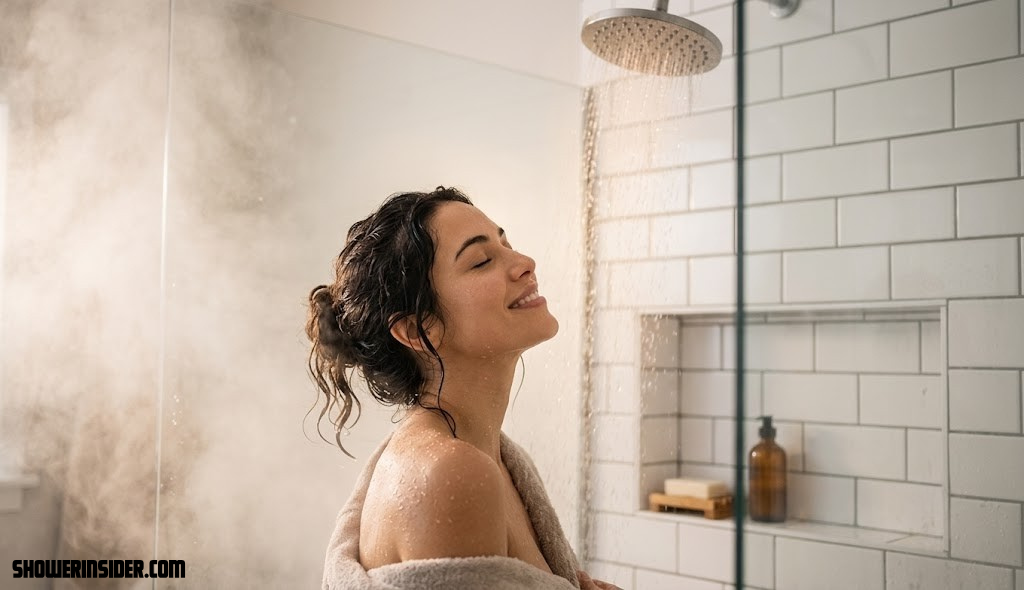
Best Shower Routine for Healthy Skin — Benefits, Risks & Expert Tips
Your shower is either quietly protecting your skin barrier or slowly wearing it down — and the difference usually comes down to water temperature, how you cleanse, and what you do in the sixty seconds after you towel off. This guide walks through a complete, dermatology-informed shower routine for healthy, resilient skin, along with the mistakes that undo it.
Why Your Shower Routine Matters for Skin
Skin health is shaped far more by daily habits than by any single product. The shower is one of the few places where skin is directly exposed to heat, water, mechanical friction, and cleansing agents all at once — which makes it one of the highest-impact routines you can optimize. A well-designed shower routine supports the skin barrier, the thin outer layer of lipids and cells that keeps moisture in and irritants out. A poorly designed one — too hot, too long, too harsh — can chip away at that barrier daily, even if every product you use afterward is excellent.
The good news is that a skin-healthy shower routine doesn’t require expensive products. It requires sequencing: the right temperature, the right amount of cleanser in the right places, limited mechanical stress, and a moisturizing step timed correctly. The rest of this guide breaks each of those down individually, along with adjustments for different skin types, common tools that help, and mistakes worth avoiding.
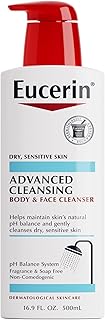
Start with a Gentle, pH-Balanced Body Wash
A mild, fragrance-light cleanser is the single easiest upgrade to a skin-friendly shower routine.
Check Price on AmazonThe Right Water Temperature for Skin Health
Hot water feels good, especially in cold weather, but it is one of the most common causes of dry, flaky, itchy skin. Heat dissolves the lipids that hold your skin barrier together faster than warm or cool water does, and the hotter the water, the faster that breakdown happens. This is part of why so many people notice worse dryness in winter, when showers tend to run hotter and longer to compensate for cold bathrooms.
Lukewarm water — noticeably warm but not steaming — is the temperature most consistently recommended for skin health. It’s warm enough to dissolve dirt, oil, and product buildup effectively, without stripping the barrier the way near-scalding water does. If you’re used to very hot showers, dropping the temperature by even a few degrees and shortening exposure time can make a measurable difference within a couple of weeks.
Lukewarm Water — Pros
- Preserves the skin’s natural oil barrier
- Reduces redness, itching, and post-shower tightness
- Gentler on eczema- or rosacea-prone skin
- Still effective at removing sweat, dirt, and residue
Hot Water — Downsides
- Strips protective lipids faster
- Can worsen dryness, flaking, and eczema flares
- Increases skin sensitivity and redness
- Can dilate blood vessels, worsening rosacea over time
If cold plunges or cold-water finishes interest you for other reasons, that’s a separate conversation from general skin health — read more in our comparison of cold shower vs. hot shower benefits for a fuller breakdown of when each temperature makes sense.
How to Find Your Personal Lukewarm Sweet Spot
“Lukewarm” isn’t a single fixed number — it depends on ambient room temperature, personal tolerance, and skin sensitivity. A practical way to find it: start your shower slightly cooler than what feels automatically comfortable, then adjust up in small increments until it feels pleasant rather than intensely hot. If you find yourself needing the mirror to fog up or the bathroom to fill with visible steam before you’re satisfied, that’s usually a sign the water is hotter than skin needs it to be.
Why Perception Doesn’t Match Reality Here
Part of why hot showers are so persistently popular despite the downsides is that heat feels immediately rewarding — it relaxes muscles, can ease sinus congestion, and feels comforting in cold weather. None of that sensory reward is “wrong,” but it’s worth separating from skin health specifically. A shorter, cooler shower for skin doesn’t mean giving up warmth entirely; it means being intentional about not letting a five-minute comfort habit turn into a daily contributor to chronic dryness.
How Long a Healthy Shower Should Be
Duration compounds with temperature. A five-minute hot shower is less drying than a twenty-minute one at the same temperature, simply because skin has less total exposure time to heat and water. Most skin-focused guidance lands in the 5–10 minute range for a full shower, which is enough time to cleanse thoroughly without prolonged saturation that softens and weakens the skin’s outer layer.
Long showers are also one of the more common causes of shower head wear and hot water strain on a household system — if your water pressure or temperature consistency has been inconsistent, it may be worth checking our guide on how to increase shower water pressure, since inconsistent pressure often tempts people into longer showers just to feel adequately rinsed.
Cleansing Order: Face, Hair, Body
The sequence of a shower isn’t just a matter of habit — it affects how much residue ends up sitting on your skin. A commonly recommended order is:
- Wet down first — a brief rinse loosens surface oil and prepares skin for cleanser.
- Shampoo and conditioner — doing hair first means any conditioner residue that runs down the body gets rinsed away by the body wash step that follows, rather than sitting on skin.
- Face cleanser — facial skin is thinner and more sensitive; cleansing it separately (and often with a different product) avoids over-stripping.
- Body wash — cleanse last so hair and conditioner runoff doesn’t recontaminate already-cleaned skin.
- Final rinse — a thorough rinse at the end ensures no cleanser film is left behind, which can otherwise contribute to dullness or clogged pores.
If your shower head delivers uneven coverage, a poor rinse is more likely, which can leave cleanser residue on skin. Upgrading is often simpler than it sounds — see our picks for the best dual shower head combos or the best rainfall shower systems for wider, more even coverage during rinsing.
Why Order Actually Changes Outcomes
It’s tempting to think cleansing order is a minor personal preference, but the runoff effect is real: conditioner is formulated with cationic (positively charged) ingredients designed to cling to hair, and some of that same clinginess applies to skin if it runs down the body last. People who deal with recurring body breakouts along the shoulders and upper back — sometimes called “conditioner acne” informally — often see improvement simply by moving hair care earlier in the shower and finishing with a full-body rinse.
Choosing the Right Cleanser for Your Skin
Not all body washes are created equal, and the difference matters more than most people expect. Traditional bar soap tends to run more alkaline, which can disrupt the skin’s naturally slightly acidic pH and weaken the barrier over time. Modern syndet (synthetic detergent) bars and pH-balanced liquid cleansers are formulated closer to skin’s natural pH and tend to be gentler for daily use.
Reading a Cleanser Label Like a Dermatologist Would
Rather than judging a cleanser by marketing claims on the front of the bottle, a few practical checks help: does it lather aggressively (often a sign of a stronger surfactant blend), does fragrance appear high on the ingredient list, and is it marketed specifically for sensitive or compromised skin. None of these checks require expert-level ingredient knowledge — they’re really about matching cleansing strength to how your skin currently feels, not how it felt years ago or how a friend’s skin responds to the same product.
| Cleanser Type | Best For | Watch Out For |
|---|---|---|
| Traditional bar soap | Budget-friendly, oily skin in small amounts | Higher pH, can dry sensitive or mature skin |
| Syndet bars | Most skin types, including sensitive | Slightly higher cost than basic soap |
| Gel body wash | Normal to oily skin, humid climates | Some contain drying sulfates |
| Cream / lotion body wash | Dry, mature, or winter skin | Can feel heavy in hot, humid weather |
| Oil-based cleanser | Very dry or eczema-prone skin | Can feel greasy if over-applied |
Fragrance is another factor worth considering. Heavily fragranced washes are a common trigger for sensitive or eczema-prone skin, so unscented or lightly scented options are usually the safer default when in doubt.

Sensitive Skin? Try a Fragrance-Free Cream Cleanser
Cream-based, fragrance-free formulas are gentler for eczema-prone or reactive skin.
Shop Sensitive Skin CleansersExfoliation: Frequency & Method
Exfoliation removes dead skin cells that would otherwise dull the complexion and clog pores, but it’s one of the easiest steps to overdo. Two to three times per week is generally enough for most skin types, whether you’re using a chemical exfoliant (like a gentle AHA/BHA body wash) or a physical one (a soft washcloth, exfoliating glove, or scrub).
Signs Exfoliation Is Working
- Smoother skin texture
- Less visible flaking or dullness
- Better absorption of moisturizer afterward
Signs You’re Overdoing It
- Redness or stinging after showering
- Increased sensitivity to products
- Patchy dryness despite moisturizing
Loofahs and puffs can harbor bacteria if they’re not dried and replaced regularly, which is worth keeping in mind alongside frequency. If mineral buildup on tools or fixtures is a recurring annoyance in your bathroom, our guide on removing hard water stains in the shower covers keeping the whole space cleaner, which indirectly supports skin health too.
Physical vs. Chemical Exfoliation for Body Skin
Physical exfoliants (washcloths, gloves, scrubs) work through direct friction and give immediate, tactile feedback — you can feel exactly how much pressure you’re applying, which makes it easier to stay gentle. Chemical exfoliants (AHA or BHA body washes) dissolve the “glue” between dead skin cells without manual scrubbing, which can be gentler overall but is less immediately controllable, since the effect continues slightly after rinse-off. Many routines do well combining a very soft physical tool for daily light buffing with a chemical exfoliant reserved for the 2–3 dedicated sessions per week.
Shaving Without Irritation
If shaving is part of your shower routine, sequencing matters here too. Shaving after a few minutes of warm water exposure — rather than at the very start of the shower — allows hair to soften and pores to open slightly, which reduces the pressure needed and lowers the risk of nicks, razor burn, and ingrown hairs. A sharp, clean blade and a proper shave gel or conditioner (rather than plain soap, which can be too drying for this purpose) both meaningfully reduce irritation.
Post-Shave Skin Care
Freshly shaved skin has effectively had its surface layer disturbed, which makes it temporarily more prone to irritation from fragranced products. A fragrance-free moisturizer or a dedicated after-shave balm, applied within the same post-shower window discussed later in this guide, helps calm freshly shaved areas and reduces the likelihood of razor bumps setting in.
The Post-Shower Moisture Window
This is arguably the single highest-leverage step in the entire routine. Skin absorbs and retains moisturizer more effectively when it’s applied to slightly damp skin rather than fully dry skin, because the moisturizer helps seal in water that’s still on the skin’s surface. The generally cited window is within about three minutes of stepping out of the shower.
Practically, that means having your towel and moisturizer ready before you finish showering, patting skin (rather than vigorously rubbing it) to leave a small amount of residual dampness, and applying moisturizer immediately while skin still feels slightly cool and damp. For very dry skin, a thicker cream or an occlusive ointment layered over a lighter lotion can help lock in more moisture overnight.
| Skin Feel | Recommended Moisturizer Texture |
|---|---|
| Oily / combination | Lightweight gel or lotion |
| Normal | Standard lotion or light cream |
| Dry | Rich cream |
| Very dry / eczema-prone | Cream plus occlusive ointment layer |
Layering Products Correctly
For skin that needs more than one product, a general layering order helps: any targeted treatment (like a body serum) goes on first while skin is still slightly damp, followed by moisturizer, and finally an occlusive ointment on the driest patches if needed, such as elbows, knees, and heels. Layering thinnest-to-thickest allows each product to absorb properly instead of sitting on top of a heavier layer and being wasted.
What “Damp, Not Wet” Actually Means
A common point of confusion is exactly how damp skin should be before moisturizing. The goal isn’t dripping wet skin — that just dilutes the moisturizer and can make it slide off rather than absorb. Pat with a towel until skin is no longer dripping but still has a slight sheen or coolness to the touch; that’s the ideal state for moisturizer to seal in.
Lock In Moisture With a Rich Post-Shower Cream
Apply within three minutes of towel-off for the best absorption.
See Top-Rated MoisturizersMorning vs. Night Showers for Skin
There’s no universally “correct” time of day — each has different benefits, and the right choice often depends on your skin concerns and lifestyle.
Morning Showers
- Wakes up circulation and reduces overnight puffiness
- Rinses away overnight sweat and pillow residue before makeup or sunscreen
- Good fit for oily or acne-prone skin that accumulates oil overnight
Night Showers
- Removes sweat, pollution, and allergens before bed
- Can reduce transfer of daily grime onto pillowcases
- Some people find warm showers help with winding down
For a deeper side-by-side, our dedicated comparison of night showers vs. morning showers looks at sleep quality, skin, and hair-specific tradeoffs in more detail. And if you’re wondering whether warm showers genuinely help with falling asleep, we cover that separately in do warm showers help you sleep.
Can You Do Both?
Some routines call for a quick rinse in the morning (mainly to feel refreshed and rinse overnight sweat) paired with a fuller cleanse at night. This isn’t necessary for everyone, and doubling up on full-strength cleanser twice daily can be more drying than helpful for dry or sensitive skin — if you shower twice a day, consider using cleanser fully at only one of those sessions and a simple water rinse at the other.
Routine Adjustments by Skin Type
Dry Skin
Favor lukewarm-to-cool water, cream-based cleansers, limit full-body soap use to every other day if tightness is an issue, and prioritize the post-shower moisture window with a rich cream.
Oily / Acne-Prone Skin
Avoid over-cleansing, which can trigger rebound oil production. A gentle daily cleanser is usually enough; harsh scrubbing or very hot water tends to worsen breakouts rather than help.
Sensitive / Eczema-Prone Skin
Fragrance-free, dye-free products, shorter and cooler showers, and pat-drying rather than rubbing all reduce flare risk. Moisturize generously and promptly.
Mature Skin
Skin naturally produces less oil with age, so richer, cream-based cleansers and moisturizers with barrier-supporting ingredients tend to work better than lightweight, foaming formulas.
Combination Skin
Combination skin — oilier in some areas (commonly the chest and upper back) and drier in others — often benefits from a “zone” approach rather than one product for the whole body: a lighter gel cleanser or targeted BHA wash on oil-prone areas, and a richer cream cleanser or extra moisturizer on drier zones like arms and legs.
Tools & Equipment That Help
A handful of bathroom upgrades make a skin-friendly routine easier to sustain day to day, rather than something you have to consciously enforce every time.
| Tool | Why It Helps Skin |
|---|---|
| Shower thermometer or smart digital shower | Makes it easy to hold a consistent, moderate temperature instead of guessing |
| Wide, even-flow shower head | Improves rinsing so less cleanser residue is left on skin |
| Shower squeegee | Keeps glass and tile cleaner, reducing mold/mildew exposure near skin |
| Soft microfiber towel | Reduces friction compared to rough terry towels during pat-drying |
| Steam shower generator (optional) | Can support relaxation, though hot steam still carries the same drying considerations as hot water |
If your water pressure is inconsistent, it’s harder to rinse evenly, which indirectly affects skin. Our guide to the best shower squeegees and our roundup of the best steam shower generators are useful starting points if you’re considering upgrades. If your shower head has been dripping or leaking, that’s also worth resolving — see why is my shower head leaking for troubleshooting.

Take the Guesswork Out of Water Temperature
A simple shower thermometer helps you consistently hit the lukewarm sweet spot.
View Shower ThermometersUnderstanding the Skin Barrier
Almost every recommendation in this guide traces back to one structure: the stratum corneum, the outermost layer of skin. It’s often described with a “bricks and mortar” model — dead, flattened skin cells act as the bricks, and a mixture of lipids (ceramides, cholesterol, and fatty acids) acts as the mortar holding them together. That mortar is what keeps water inside the skin and irritants, allergens, and bacteria outside. It’s also exactly what hot water, harsh surfactants, and aggressive scrubbing dissolve.
When the barrier is intact, skin looks plump, feels smooth, and tolerates a wide range of products and weather conditions without reacting. When it’s compromised — through cumulative heat exposure, over-cleansing, or excessive exfoliation — water escapes faster than it should (something dermatology literature refers to as transepidermal water loss), and the skin becomes more reactive to things it previously tolerated just fine, including products you’ve used for years without issue.
This is also why barrier repair, once it’s damaged, tends to take weeks rather than days. If your skin has felt persistently tight, flaky, or reactive for a while, it’s usually more effective to simplify the entire routine for two to four weeks — gentler cleanser, cooler water, no exfoliation, consistent moisturizing — than to add new “treatment” products on top of an already-stressed barrier.
Ingredients to Look For and Avoid
Ingredient lists on body wash and cleanser labels can be overwhelming, but a handful of categories account for most of the practical difference between a skin-supportive product and a skin-stripping one.
Ingredients That Generally Support Skin
- Ceramides — lipids that directly replenish the skin barrier’s own “mortar.”
- Glycerin — a humectant that draws water into the skin’s surface.
- Colloidal oatmeal — soothing and commonly used in formulas for sensitive or eczema-prone skin.
- Niacinamide — supports barrier function and can help with tone evenness over time.
- Hyaluronic acid — another humectant, useful in lighter-weight lotions.
Ingredients Worth Watching, Especially for Sensitive Skin
- Sulfates (like SLS) — effective foaming agents but can be drying with frequent, full-body use.
- Added fragrance — one of the most common triggers for contact irritation and allergic reactions.
- Alcohol denat. high on the ingredient list — can be drying in leave-on and rinse-off products alike.
- Physical microbead or walnut-shell scrubs — often too abrasive for daily use and can create micro-tears in the skin.
| Concern | Ingredients to Prioritize |
|---|---|
| Dryness | Ceramides, glycerin, shea butter, hyaluronic acid |
| Sensitivity | Colloidal oatmeal, fragrance-free formulas, minimal ingredient lists |
| Dullness / texture | Gentle AHA (lactic acid) at low concentration, used 2–3x weekly |
| Body acne | Salicylic acid (BHA) body wash, used consistently but not excessively |
| Mature skin | Ceramides, niacinamide, richer emollients |
Seasonal Routine Adjustments
Skin’s needs shift with the weather, and a routine that works perfectly in July can leave skin flaky and tight by January. Building small seasonal adjustments into your routine tends to work better than switching everything abruptly once dryness has already set in.
Winter
Indoor heating dries out ambient air, and the temptation to run showers hotter (to compensate for a cold bathroom) is strongest exactly when skin can least afford it. Dial water temperature down slightly, shorten shower time if possible, switch to a richer cream cleanser, and consider layering a thicker moisturizer or occlusive at night.
Summer
Heat and humidity increase sweat and oil production, which can make lighter, gel-based cleansers and lotions more comfortable, along with slightly more frequent showering after heavy sweating or swimming. Sun exposure also means aftercare matters — cool (not hot) rinses after time outdoors help calm heat-flushed skin.
Transitional Seasons (Spring & Fall)
These are good checkpoints to reassess: if you’ve been layering extra richness for winter, spring is a natural point to lighten the routine back up, and vice versa heading into fall.
Routine by Body Area
Skin isn’t uniform across the body — thickness, oil gland density, and exposure to friction all vary by region, and a one-size-fits-all approach misses some easy wins.
Face
Thinnest, most reactive skin on the body; deserves its own gentle cleanser rather than whatever bar soap is nearest, and benefits most from a dedicated moisturizer, often lighter than what’s used on the body.
Back and Chest
Higher oil gland density makes this area more prone to body acne. A salicylic acid wash applied here specifically (rather than all over) can target breakouts without over-drying less oily areas like the arms or legs.
Elbows, Knees, and Feet
Thicker skin with fewer oil glands, which is why these areas are often the driest and most prone to cracking, especially heels. These benefit from a dedicated pass with a richer cream and, occasionally, gentle mechanical exfoliation (like a foot file) that would be too aggressive elsewhere on the body.
Hands
Frequent hand-washing outside the shower already stresses this area, so within the shower itself, a lighter touch with cleanser and consistent moisturizing afterward helps offset that daily wear.
Routine Adjustments by Age
Children
- Mild, tear-free, fragrance-light formulas
- Shorter, cooler showers or baths
- Simple moisturizing routine, no actives needed
Teens
- Body acne becomes more relevant; a targeted BHA wash on back/chest can help
- Daily showering after sports is reasonable, paired with a gentle cleanser
- Avoid over-cleansing in response to breakouts — it often backfires
Adults
- The core routine in this guide applies most directly
- Adjust cleanser richness and frequency to lifestyle (activity level, climate)
Older Adults
- Skin thins and produces less oil with age, increasing dryness risk
- Shorter, cooler showers with cream cleansers and generous moisturizing tend to work best
- Non-slip mats and stable seating can make longer routines safer and more comfortable
For caregivers managing bathing for elderly family members, our guides on shower chairs with arms, shower mats for elderly users, and what a table shower is and how it works for caregivers cover the practical and safety side of this in more depth.
Sample Weekly Routine Schedule
Rather than treating every shower identically, many dermatology-style routines rotate intensity across the week. Here’s one reasonable template — adjust frequency to your own skin’s tolerance.
| Day | Cleansing | Exfoliation | Post-Shower Care |
|---|---|---|---|
| Monday | Gentle cleanser, full body | — | Standard moisturizer |
| Tuesday | Water rinse or light cleanser | Body exfoliation | Moisturizer, slightly more generous |
| Wednesday | Gentle cleanser, full body | — | Standard moisturizer |
| Thursday | Water rinse or light cleanser | — | Standard moisturizer |
| Friday | Gentle cleanser, full body | Body exfoliation | Standard moisturizer |
| Saturday | Gentle cleanser, full body | — | Richer weekend moisturizer/mask if desired |
| Sunday | Water rinse or light cleanser | — | Standard moisturizer |
This kind of rotation — full cleanser some days, a simple water rinse on others — is a common adjustment for people whose skin feels tight or dry with daily full-body soap use, while still showering every day for hygiene and comfort.
Common Myths About Showering and Skin
Myth: Hotter water cleans better.
Cleansing effectiveness comes mainly from the surfactant and mechanical action, not water temperature. Lukewarm water cleans just as effectively while being far gentler on the skin barrier.
Myth: You need to scrub until skin feels “squeaky clean.”
A squeaky, tight feeling after showering is usually a sign the skin’s protective oils have been over-stripped, not a sign of successful cleansing.
Myth: More exfoliation always means smoother skin.
Past a certain frequency, exfoliation stops improving texture and starts damaging the barrier, which often makes skin look duller and feel rougher, not smoother.
Myth: Natural or “chemical-free” cleansers are automatically gentler.
Gentleness depends on formulation and pH, not on whether ingredients are labeled natural. Some natural oils and plant extracts are also common irritants for sensitive skin.
Myth: Moisturizer timing doesn’t matter.
Applying moisturizer to damp skin versus fully dry skin measurably changes how much surface moisture gets sealed in, which is why the post-shower window is emphasized throughout dermatology-style guidance.
Environmental Factors: Hard Water, Humidity & Climate
Your shower routine doesn’t operate in isolation from your home’s water and climate conditions. Hard water — water with a high mineral content — can leave a residue on skin that interferes with rinsing and may contribute to a filmy, dry feeling even after a thorough shower. If you notice persistent dryness despite a gentle routine, and you also see mineral buildup on fixtures or glass, hard water may be a contributing factor. Our guide on removing hard water stains in the shower covers the fixture side, and a shower filter is a common next step for the skin side.
Indoor humidity matters too. Homes with forced-air heating in winter often have very low indoor humidity, which compounds dryness regardless of shower habits. A humidifier in the bedroom or bathroom, alongside the shower adjustments in this guide, is a reasonable complementary step for chronically dry skin in dry climates or heating seasons.
Troubleshooting Persistent Skin Issues
| Symptom | Likely Contributing Factor | First Step to Try |
|---|---|---|
| Tight, squeaky feeling after every shower | Water too hot, cleanser too harsh | Lower temperature, switch to cream cleanser |
| Flaking despite regular moisturizing | Over-exfoliation or barrier damage | Pause exfoliation for 2–3 weeks, simplify routine |
| New breakouts on back/chest | Conditioner or oil residue, or insufficient rinsing | Cleanse body last, rinse thoroughly, consider BHA wash on affected area |
| Redness that lingers after showering | Water too hot, over-scrubbing | Cooler water, gentler washcloth, shorter duration |
| Dryness that’s worse in winter only | Indoor heating, hotter showers to compensate | Seasonal routine adjustment, add humidifier |
If symptoms persist despite these adjustments over several weeks, or if you notice signs of infection, significant pain, or a rash that’s spreading, that’s a good point to check in with a dermatologist rather than continuing to self-adjust — this guide covers general routine habits, not diagnosis or treatment of skin conditions.
Common Mistakes That Damage Skin
Habits to Avoid
- Showering in very hot water for long stretches
- Vigorously scrubbing with rough loofahs daily
- Applying moisturizer long after towel-drying, once skin is fully dry
- Using heavily fragranced soap on sensitive skin
- Rubbing (rather than patting) skin dry with a rough towel
- Skipping moisturizer entirely after cleansing
Simple Fixes
- Lower the temperature a few degrees and shorten shower time
- Reserve exfoliating tools for 2–3 sessions per week
- Keep moisturizer within reach of the shower exit
- Switch to fragrance-free or lightly scented cleansers
- Pat dry gently, leaving skin slightly damp
- Make moisturizing a fixed last step, every time
General wellness questions about showering — like whether it’s fine to shower with a headache, after exercise, or during specific conditions — are covered across our site individually, including shower before or after exercise and will a hot shower help with a headache.
Frequently Asked Questions
What is the healthiest shower routine for skin?
A healthy shower routine uses lukewarm water, a gentle pH-balanced cleanser, limited scrubbing, and a moisturizer applied within a few minutes of stepping out while skin is still slightly damp.
Is a hot shower bad for your skin?
Hot water strips natural oils faster than warm water, which can weaken the skin barrier and cause dryness, itching, and flaking over time, especially in winter or for people with eczema-prone skin.
How long should a shower be for healthy skin?
Most skin-focused guidance suggests keeping showers to roughly 5–10 minutes, since prolonged water exposure can degrade the skin’s protective lipid layer.
Should I moisturize before or after showering?
Moisturizer works best after showering, applied within about three minutes while skin is still damp, since this helps lock in surface moisture rather than letting it evaporate.
How often should you exfoliate in the shower?
Most skin types do well with exfoliation two to three times per week; daily exfoliation is usually unnecessary and can damage the skin barrier over time.
Is showering every day bad for skin?
Daily showering isn’t inherently harmful, but daily use of harsh soap over the entire body can be drying for some people; alternating full-body cleanser use every other day is a common adjustment for drier skin types.
Should I shower in the morning or at night for skin health?
Both timings have real benefits — morning showers can help wake up circulation and clear overnight oil buildup, while night showers remove the day’s sweat, pollution, and allergens before bed.
What water temperature is best for skin?
Lukewarm water — noticeably warm but not steaming hot — is generally considered gentlest on the skin barrier while still cleansing effectively.
Can showering too much cause acne?
Over-cleansing can strip protective oils and prompt the skin to overproduce sebum in response, which may contribute to breakouts for some people, particularly with harsh, foaming cleansers.
Does shower water pressure affect skin health?
Very high, forceful water pressure combined with hot water can be more stripping to the skin barrier than gentle, moderate pressure and moderate temperature.
Can I use the same cleanser on my face and body?
It’s generally better to use a separate, gentler formula for facial skin, since facial skin is thinner and more prone to irritation than most other areas of the body.
Does hard water affect skin during showers?
Hard water can leave mineral residue on skin and interfere with how well cleanser rinses away, which some people find contributes to dryness or irritation over time.
Should I moisturize my body every single day?
Yes — daily moisturizing is generally recommended for most skin types, since the skin barrier benefits from consistent replenishment rather than occasional heavy application.
Is it bad to skip a day of showering?
Skipping an occasional shower isn’t harmful for most people and can even give an over-cleansed barrier a break; consistency in gentle habits matters more than showering every single day without exception.
Shower Routine Adjustments for Special Situations
After Intense Exercise
Sweat left on skin for extended periods can clog pores and contribute to body breakouts, so showering reasonably soon after a hard workout is worth prioritizing — with the same lukewarm, gentle-cleanser approach rather than reaching for hotter water to feel “extra clean.” For more on sequencing showers around workouts, see shower before or after exercise.
After Swimming
Chlorine and pool chemicals are drying and can linger on skin and in hair if not rinsed promptly. A full rinse as soon as possible after swimming, followed by the standard cleanse-and-moisturize routine, helps offset this.
Pregnancy
Hormonal changes during pregnancy can make skin more sensitive and prone to itchiness, particularly on the belly as it stretches. Lukewarm (not hot) showers and generous moisturizing are commonly recommended, and very hot water is often specifically discouraged during pregnancy for reasons beyond skin comfort alone — see can pregnant women take hot showers for a fuller discussion.
Recovering From a Cold or Fever
Warm (not hot) showers can be soothing during illness, but temperature choices here often come down to comfort and circulation rather than skin barrier concerns specifically — our guide on cold or hot shower for a fever covers this in more detail.
Recently Tattooed or Pierced Skin
Fresh tattoos and piercings need their own aftercare protocol, which generally overrides general skin-routine advice for the healing period — see showering with a new tattoo for specifics.
A Closer Look at Shower Product Categories
Beyond the basic cleanser-and-moisturizer pairing, several product categories can support a skin-healthy routine when chosen thoughtfully.
Shower Oils
Shower oils cleanse while leaving a light hydrating film behind, which can feel counterintuitive if you’re used to foaming washes, but they’re often a good fit for very dry or mature skin that struggles with tightness from traditional cleansers.
Micellar or Rinse-Off Cleansing Waters
Originally popular for facial cleansing, some body-safe versions exist for a lighter daily cleanse on days when a full soap-based wash feels unnecessary — fitting naturally into the “alternate day” cleansing schedule described earlier.
Body Serums and Treatment Layers
Applied after moisturizer or mixed into it, targeted treatments (like a body serum with niacinamide, or a keratosis-pilaris-focused lactic acid lotion) can address specific concerns without changing the core routine.
Bath Additives
For baths rather than showers, colloidal oatmeal soaks are commonly used for sensitive or eczema-prone skin, while bath bombs and heavily fragranced additives are more likely to irritate reactive skin — our piece on bath bombs in the shower looks at that specific combination.
Quick Glossary of Skin & Shower Terms
| Term | Meaning |
|---|---|
| Skin barrier / stratum corneum | The outermost layer of skin that retains moisture and blocks irritants |
| Transepidermal water loss (TEWL) | The rate at which water evaporates from skin through a compromised barrier |
| Humectant | An ingredient (like glycerin) that draws water into the skin |
| Emollient | An ingredient that smooths and softens by filling gaps between skin cells |
| Occlusive | An ingredient that forms a protective layer to reduce water loss |
| Syndet | A “synthetic detergent” bar formulated closer to skin’s natural pH than traditional soap |
| pH-balanced | Formulated close to skin’s naturally slightly acidic pH, roughly 4.5–5.5 |
Printable-Style Quick Checklist
- Water temperature: lukewarm, not hot
- Duration: roughly 5–10 minutes
- Order: hair, face, body, final rinse
- Cleanser: gentle, pH-balanced, fragrance-light for sensitive skin
- Exfoliation: 2–3 times per week, not daily
- Drying: pat, don’t rub, leave skin slightly damp
- Moisturizer: applied within about 3 minutes of stepping out
- Seasonal check-in: adjust richness and temperature with the weather
Related Shower & Skin Guides
Explore more shower-related guides on our site:
Conclusion: Building a Skin-Healthy Shower Habit
None of the steps in this guide require a dramatic overhaul — the biggest wins come from a handful of small, consistent adjustments: turning the water down from scalding to lukewarm, keeping showers to a reasonable length, cleansing with something gentle instead of harsh, exfoliating a few times a week instead of daily, and moisturizing promptly while skin is still damp. Applied consistently, this routine protects the skin barrier instead of quietly wearing it down, and most people notice less tightness, flaking, and irritation within a couple of weeks.
Build Your Skin-Friendly Shower Kit
Gentle cleanser, rich moisturizer, and a shower thermometer cover the essentials.
Shop Shower Skin Essentials