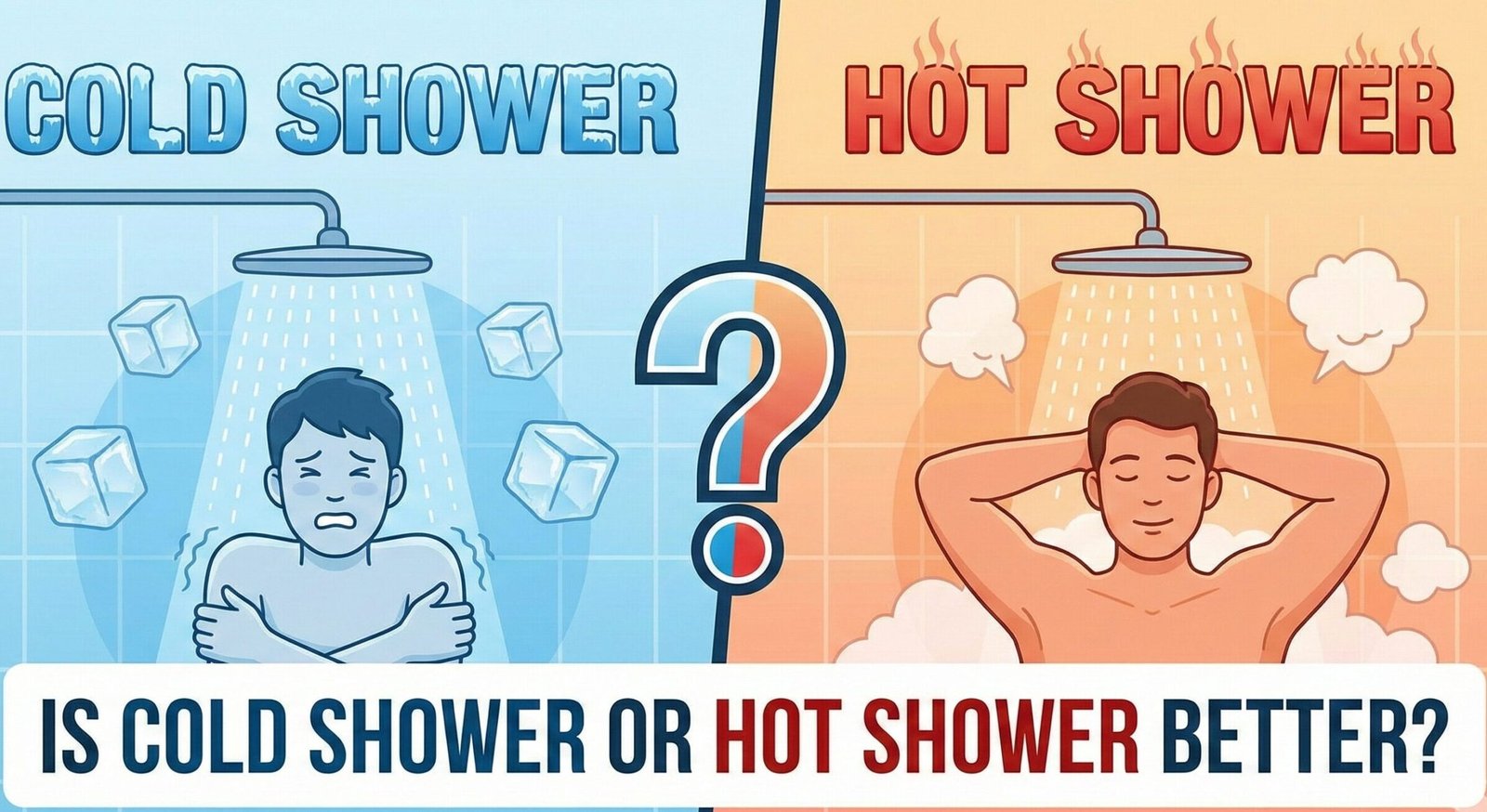
Is Cold Shower or Hot Shower Better? The Ultimate Science-Backed Guide
It is the eternal morning debate. Do you jolt yourself awake with an icy blast, channeling your inner Wim Hof? Or do you bask in the steam, letting the heat melt away yesterday’s stress? The question of is cold shower or hot shower better isn’t just about comfort; it’s about biology. Both temperature extremes offer distinct advantages for your skin, muscles, and mental health.
If you have ever stood shivering in the stall wondering why your shower is not getting hot, you might have accidentally stumbled into the world of cryotherapy. Conversely, if you love steam so much you are considering a steam shower generator, you are tapping into ancient thermal therapy. In this guide, we break down the science, the myths, and the best hardware to optimize your bathing ritual. For the full deep-dive on what each specific temperature does to your body, bookmark our dedicated ideal shower temperature guide to complement everything covered here.
1. The Science of Temperature: How Your Body Responds
🧬 The Physiology of Thermal Response
When your skin encounters water of different temperatures, it triggers complex physiological responses:
- Cold (Below 60°F/15°C): Activates sympathetic nervous system, releases norepinephrine (300% increase), constricts blood vessels, stimulates brown adipose tissue
- Cool (60-75°F/15-24°C): Mild sympathetic activation, improves circulation without severe stress response
- Warm (75-95°F/24-35°C): Relaxes muscles, dilates peripheral blood vessels, activates parasympathetic nervous system
- Hot (Above 95°F/35°C): Significant vasodilation, increased heart rate, potential heat stress response
50°F/10°C
60°F/15°C
75°F/24°C
90°F/32°C
105°F/40°C
2. The Case for Cold Showers: Beyond the “Wake-Up” Call
Cold showers (typically below 60°F / 15°C) are often touted by athletes and productivity gurus. Why? Because they act as a shock to the system. The cold shower benefits for mental health alone have attracted millions of practitioners worldwide — but the physical advantages are equally compelling and often underappreciated.
❄️ Benefits of Cold Water
- Increases Alertness: The shock increases your heart rate and oxygen intake instantly.
- Improves Circulation: Blood rushes to surround your vital organs to keep them warm.
- Reduces Muscle Soreness: Similar to an ice bath, it reduces inflammation.
- Tighter Skin & Hair: Cold water closes pores and cuticles, locking in moisture.
🔥 Benefits of Hot Water
- Relaxes Muscles: Heat expands blood vessels, promoting blood flow to stiff joints.
- Cleans Pores: Steam opens pores, making it easier to wash away oil and dirt.
- Improves Sleep: The post-shower body temperature drop signals your brain it’s time to sleep.
- Respiratory Relief: Steam helps clear nasal passages.
Cold Shower Science: The Hormonal Response
A 2020 study found that regular cold exposure (15°C/59°F for 2 minutes daily) resulted in:
This hormonal cocktail explains why cold showers can improve mood, focus, and stress resilience. If you’re struggling with morning fatigue, consider this approach before installing a luxury rainfall system for comfort—you might not need it!
The Immune System Boost: Fact or Fiction?
Cold exposure stimulates leukocyte production and increases circulating levels of monocytes and lymphocytes. A 2016 Dutch study tracked 3,000 participants who took daily cold showers (30-90 seconds):
| Duration | Cold Days Missed (Annual) | Immune Markers Increase | Energy Level Improvement |
|---|---|---|---|
| 30 seconds | 29% reduction | 12% (lymphocytes) | Moderate |
| 60 seconds | 38% reduction | 19% (monocytes) | Significant |
| 90 seconds | 41% reduction | 23% (NK cells) | Very Significant |
Important: These benefits require consistency — at least 5 days per week for 4-6 weeks to see measurable changes.
3. The Case for Hot Showers: The “De-Stressor” and Beyond
There is a reason we equate hot baths with luxury. If you have a rainfall shower system, the gentle, warm pressure provides a massage-like effect. Hot showers are particularly effective for hygiene. The heat helps dissolve sebum (oil) on the skin, which is crucial if you are wondering whether to shave before or after a shower (hint: do it during or after a hot shower when the hair is soft!).
The Science of Heat: Beyond Relaxation
Hot water therapy (40°C/104°F for 15 minutes) has been shown to:
- Increase blood flow to muscles by 200-300%
- Reduce muscle stiffness by 45% in chronic pain patients
- Increase endorphin release by 25-40%
- Improve joint mobility in arthritis patients by 30%
This explains why many people with chronic pain conditions invest in steam shower systems — the consistent heat provides daily relief without medication. The benefits of steam showers for health extend from respiratory relief to immune stimulation and deep muscle relaxation.
⚠️ The Hot Water Caveat: When Heat Harms
Extremely hot water (above 105°F/40°C) can cause:
- Skin Barrier Damage: Strips natural oils, increases transepidermal water loss by 60%
- Rosacea/Eczema Flare-ups: Heat is a known trigger for inflammatory skin conditions
- Blood Pressure Issues: Can cause dangerous drops in blood pressure (especially in elderly)
- Dizziness and Nausea: Particularly dangerous after meals or exercise. If you regularly experience this, our guide on why you get dizzy and nauseous in the shower explains the mechanism and fixes.
- Varicose Vein Aggravation: Heat dilates veins, worsening symptoms
If you have hard water in your bathroom, that same mineral-heavy water combined with high heat is a recipe for dry skin and increased mineral absorption through open pores. Installing a shower filter can mitigate this significantly.
4. Athletic Performance: Optimizing Pre and Post Workout
🏋️♂️ The Athlete’s Temperature Protocol
Different temperatures serve different athletic purposes. For a complete breakdown of shower timing around exercise — including exactly when to shower before, during, and after workouts — read our comprehensive guide on shower before or after exercise.
Pre-Workout (1-2 hours before)
Warm Shower (100°F/38°C for 10 minutes): Increases muscle temperature, improves flexibility, prepares nervous system. Better than static stretching alone.
Immediately Post-Workout (within 30 minutes)
Contrast Therapy (3 min hot/1 min cold x 3): Reduces inflammation, flushes metabolic waste, accelerates recovery. A dual shower head is ideal for targeted application.
Evening of Training Day
Warm Shower (95°F/35°C for 15 minutes): Promotes relaxation, improves sleep quality, aids in muscle repair during rest.
| Athlete Type | Recommended Temperature | Duration | Timing | Primary Benefit |
|---|---|---|---|---|
| Strength/Power | Contrast (Hot/Cold) | 12-15 min total | Post-workout | Inflammation reduction |
| Endurance | Cool (70°F/21°C) | 5-8 minutes | Post-workout | Core temp regulation |
| Flexibility/Skill | Warm (95°F/35°C) | 10-12 minutes | Pre-session | Muscle pliability |
| Contact Sports | Cold (60°F/15°C) | 3-5 minutes | Post-competition | Impact recovery |
5. Mental Health Applications: Beyond Physical Benefits
The temperature of your shower can significantly impact mental health conditions. This is one of the most rapidly growing areas of shower research, with clinical applications being explored for depression, anxiety, and ADHD management. For a detailed evidence review of cold exposure specifically, read our dedicated article on cold shower benefits for mental health.
❄️ Cold for Mental Health
- Depression: Increases norepinephrine (natural antidepressant)
- Anxiety: Activates vagus nerve, promoting parasympathetic response
- ADHD: Improves focus via dopamine regulation
- Stress Resilience: Trains nervous system to handle stressors
🔥 Hot for Mental Health
- Generalized Anxiety: Promotes muscle relaxation, reduces tension
- Insomnia: Temperature drop post-shower triggers sleepiness
- Chronic Stress: Increases endorphins, provides comfort
- Social Anxiety: Warmth associated with safety/comfort
A 2018 review found that regular cold exposure (2-3 minutes at 14°C/57°F) produced antidepressant effects comparable to pharmaceutical interventions in some patients. The mechanism involves:
- Increased β-endorphin release (up to 5x baseline)
- Enhanced norepinephrine transmission
- Reduced inflammatory cytokines (IL-6, TNF-α)
- Improved cold adaptation reducing stress response
Important: This should complement, not replace, professional mental health care.
6. Shower Temperature and Sleep: The Critical Connection
Of all the specific-use cases for shower temperature science, sleep optimization is arguably the most practically impactful for everyday life. Millions of people struggle with sleep onset — and the right shower temperature, timed correctly, is one of the most powerful and underutilized interventions available without medication.
The Thermoregulatory Sleep Mechanism
Your core body temperature naturally drops 1-2°C in the 1-2 hours before optimal sleep onset. This cooling is managed by the brain’s suprachiasmatic nucleus and signals the pineal gland to release melatonin. The key insight: you can accelerate this cooling process artificially through a shower.
When you step into a warm shower (37-39°C), blood is rapidly drawn to the skin surface to manage the heat. When you exit the shower, this blood disperses the heat rapidly through radiation — causing a rapid drop in core temperature. This engineered cooling effect powerfully reinforces the brain’s natural sleep onset signal.
A meta-analysis of 17 studies (n=1,148 subjects) found that a warm shower or bath (40-42.5°C) taken 1-2 hours before bedtime reduced sleep onset latency by an average of 36% and improved subjective sleep quality in 89% of participants. The effect was strongest when showering 90 minutes before bed rather than immediately before lying down.
Hot vs Cold Shower Before Bed: Which Wins?
For sleep specifically, the answer is unambiguous: a warm-to-hot shower (38-42°C) wins, but a cold shower can also help under certain conditions.
| Shower Type | Effect on Sleep Onset | Best For | Timing | Notes |
|---|---|---|---|---|
| Hot (104°F/40°C+) | Excellent — accelerates core temp drop | Stress-related insomnia, chronic poor sleepers | 90 minutes before bed | Must be followed by cool-down period |
| Warm (95-104°F/35-40°C) | Very good — gentle thermal reset | Most adults, general sleep improvement | 60-90 minutes before bed | Ideal balance of benefit and comfort |
| Cold (below 70°F/21°C) | Moderate — increases alertness initially, then crashes | Summer nights, overheated sleepers | 30-45 minutes before bed | Brief exposure only (1-2 min) |
| Contrast (hot then cold) | Good — provides both warmth and cooling | Post-workout evening sleepers | 60-90 minutes before bed | End on cool to promote cooling |
For a full evidence-based breakdown of every sleep-shower scenario — including what to do if you train in the evening, how shower timing changes by season, and what temperature is optimal for children — read our complete guide on the best shower temperature for sleep. And if you’ve always wondered about the warm shower–sleep connection specifically, our deep-dive on do warm showers help you sleep covers the exact mechanism step-by-step.
If you train in the evening and struggle to fall asleep, your elevated post-workout core temperature is likely the culprit. A lukewarm (32-35°C) 10-minute shower, completed 60-90 minutes before bed, rapidly accelerates the temperature drop your body needs to transition to sleep. This single habit can cut sleep latency in half for evening athletes.
7. Morning vs. Night: Which Timing Maximizes Your Temperature Choice?
The question of hot vs. cold is inseparable from the question of when you shower. The same water temperature produces different physiological effects at 6 AM versus 10 PM, because your hormonal baseline, cortisol levels, and thermoregulatory state are completely different at each time. Our guide on night shower vs morning shower covers this debate in full — here we focus on how temperature interacts with timing.
The Morning Cold Shower: Maximum Hormonal Leverage
Morning is when cold showers produce their greatest psychological impact. Upon waking, cortisol is naturally elevated (the “cortisol awakening response”), and a cold shower amplifies this cortisol spike in a controlled, productive way — providing alertness without the anxiety spike associated with caffeine overconsumption. The norepinephrine surge from cold water (up to 300% above baseline) provides 2-4 hours of sustained focus without crash.
For those who want to experience the full energy and mood benefits of cold exposure without the shock, the transition protocol matters: start your shower at your comfortable warm temperature, then drop to cold in the final 60-90 seconds. This “cold finish” provides 60-70% of the physiological benefits of a full cold shower with far less psychological resistance.
The Evening Hot Shower: Strategic Temperature Descending
For evening use, the most effective protocol isn’t simply “take a hot shower.” It’s a deliberate temperature descent: begin at 40-42°C (hot) and gradually reduce to 36-38°C (warm) over 8-10 minutes. This mimics the natural core temperature curve your body uses for sleep onset, amplifying its effect. Ending your shower at a slightly cooler temperature than you started — rather than maintaining constant heat — is the key difference between a shower that helps you sleep and one that keeps you awake.
Morning Shower Temperature Guide
- High productivity day ahead: Cold (58-65°F) for 60-90 seconds at end of shower
- Early morning workout: Warm (100-104°F) pre-workout, cold finish post-workout
- Tired/low energy: Alternating warm/cold for 2 cycles (2 min each)
- Stressed morning: Warm (96-100°F) with consistent temperature — avoid extremes
Evening Shower Temperature Guide
- Sleep within 2 hours: Hot start (104°F), descend to warm (96°F) over 10 min
- Post evening workout: Lukewarm (90-95°F) steady for 10 min
- Stressed/anxious: Warm (96-100°F) with steam for 12-15 min
- Hot summer night: Cool (75-80°F) brief 5-minute rinse
8. Temperature by Health Condition: Personalized Prescriptions
Generic shower temperature advice ignores what makes each person’s situation unique. Whether you’re managing a hangover, fighting a fever, nursing a headache, or pregnant, the right temperature changes completely — and getting it wrong can make your condition worse.
Headaches and Migraines
Shower temperature for headaches is not a one-size-fits-all answer — it depends on headache type:
Tension Headaches (Most Common)
Caused by muscle tension in neck and shoulders. A warm shower (38-40°C) directed at the neck and upper back for 5-7 minutes significantly outperforms cold water. Heat increases local blood flow, relaxing the contracted muscles compressing nerves. Our full guide on whether a hot shower helps with a headache covers technique, duration, and when to seek medical attention. Studies show warm water targeted at the neck can relieve tension headache in up to 68% of cases within 10 minutes.
Vascular/Migraine Headaches
Caused by vasodilation. Here, a cold compress to the forehead or a cool shower can help by promoting vasoconstriction. A hot shower in this context can worsen pain by further dilating blood vessels. The key is identifying your headache type before choosing temperature. If you regularly experience post-exercise headaches specifically, this is almost always vascular (Valsalva-related), where a cool shower after a 15-minute cool-down walk is the correct protocol.
Fevers
The fever shower question is one of the most commonly asked — and most commonly misunderstood. The intuition to “cool down a fever with cold water” is physiologically incorrect for most situations. The correct protocol depends on fever stage:
Fever Stage Temperature Protocol
- Rising Fever (shivering, chills): Avoid cold showers completely. The shivering reflex generates heat, making cold exposure counterproductive and uncomfortable. A lukewarm shower (33-36°C) is the safest option.
- Plateau Fever (stable high temperature, no shivering): A cool shower (28-32°C) is appropriate and can help reduce discomfort without causing dangerous rapid temperature changes.
- Breaking Fever (sweating phase): A lukewarm shower (33-35°C) to remove sweat and help the cooling process, avoiding cold which can halt the natural temperature descent.
- Post-Fever Recovery: Normal lukewarm shower for hygiene. Avoid hot showers for 24-48 hours post-fever as the immune response is still active.
For a full clinical breakdown of the cold vs. hot fever shower debate with specific temperature recommendations by fever severity, see our guide: cold or hot shower for fever.
Hangovers
The morning-after shower is a ritualistic recovery step for many people, but most people take it at the wrong temperature. Alcohol causes dehydration and peripheral vasodilation, leaving your body in a thermally dysregulated state. The interaction of dehydration, low blood sugar, elevated residual alcohol, and the temperature extremes of hot or cold water creates significant dizziness risk.
The correct hangover shower protocol: lukewarm (33-36°C) for the first 5 minutes to avoid cardiovascular shock, with a brief cool rinse (28-30°C) in the final 60 seconds to promote alertness. Drink 500ml of electrolyte water before entering the shower, not after. Avoid the temptation to “sweat it out” with a hot shower — you’re already dehydrated, and hot water will worsen the headache by promoting further vasodilation. Our guide on will a shower help a hangover covers the full protocol including what to do in the shower, after the shower, and why certain myths (like cold showers “sobering you up”) are physiologically impossible.
Pregnancy Shower Temperature
Pregnancy is one of the clearest cases where hot showers carry specific documented risks, not just general caution. Core body temperature above 39°C (102.2°F) during the first trimester has been associated with increased neural tube defect risk in several observational studies. Hot tub and sauna use is contraindicated in pregnancy precisely because of this core temperature threshold.
Standard showers rarely raise core temperature as dramatically as immersion in hot tubs, but the risk factors deserve understanding. Our complete guide on can pregnant women take hot showers provides trimester-specific guidance:
| Trimester | Recommended Max Temp | Max Duration | Special Considerations |
|---|---|---|---|
| First (weeks 1-12) | 100°F / 38°C | 10 minutes | Most critical period — neural development. Avoid steam rooms entirely. |
| Second (weeks 13-26) | 102°F / 39°C | 15 minutes | Balance discomfort and safety. Morning nausea can be relieved by warm water to back. |
| Third (weeks 27-40) | 100°F / 38°C | 10 minutes | Balance issues increase — non-slip mat essential. Avoid very hot water due to edema risk. |
6. Skin and Hair Science: Temperature Matters
| Skin/Hair Type | Ideal Temperature | Duration | Why It Works | Product Pairing |
|---|---|---|---|---|
| Oily/Acne-prone Skin | Warm (95°F/35°C) | 5-7 minutes | Opens pores for cleansing without stripping oils | Salicylic acid cleanser |
| Dry/Eczema Skin | Cool (75°F/24°C) | 3-5 minutes | Minimizes transepidermal water loss | Ceramide-based moisturizer |
| Fine/Thin Hair | Cool (70°F/21°C) final rinse | 30-60 seconds | Closes cuticles, adds shine, reduces breakage | Protein treatment |
| Curly/Coily Hair | Warm (90°F/32°C) | During wash only | Opens cuticles for product absorption | Deep conditioner |
| Aging/Mature Skin | Lukewarm (85°F/29°C) | 5 minutes max | Preserves collagen, prevents capillary damage | Hyaluronic acid serum |
Temperature and Hair Growth: The Science
Hair growth is primarily governed by genetics, nutrition, and hormones — but shower temperature creates the scalp environment in which follicles either thrive or struggle. Hot showers are one of the most commonly overlooked contributors to hair thinning in frequent showerers.
Regular hot water exposure (above 40°C) strips the sebum layer from the scalp, triggering compensatory sebum overproduction. Over time, this excess sebum can clog follicles, creating the conditions for folliculitis and miniaturization — the precursor to androgenetic hair loss. Cold water, by contrast, seals the cuticle layer and preserves the protective sebum film without stripping it.
The evidence-backed protocol for hair health: wash with warm water (36-38°C) to open the cuticle for effective cleansing and product absorption, then rinse with cool water (20-25°C) to seal the cuticle, lock in moisture, and improve shine and tensile strength. This dual-temperature protocol, explained in detail in our best shower routine for hair growth guide, can measurably reduce breakage within 2-3 weeks of adoption.
The Pore Myth: What Science Actually Says
🧐 The Truth About Pores and Temperature
Myth: Hot water opens pores, cold water closes them
Reality: Pores don’t have muscles — they can’t open or close like doors
What actually happens:
- Heat (95°F+): Softens sebum, making it easier to wash away
- Cold (60°F-): Temporarily tightens skin via vasoconstriction
- Best Practice: Warm water to cleanse, cool water to soothe
This is why many dermatologists recommend finishing your shower with cooler water, especially if you’re using active ingredients like retinoids or acids that can cause sensitivity. For the complete protocol on how to shower in a way that maximizes both hygiene and skin health, see our guide on how to shower properly for good hygiene.
9. Water Quality and Temperature: The Overlooked Interaction
Most shower temperature guides focus entirely on the temperature itself and ignore a variable that profoundly changes its effects: your water quality. Hard water, chlorinated water, and water with heavy metal contamination all interact with temperature in ways that amplify the negatives of hot showers and reduce the benefits of cold ones.
Hard Water + Hot Showers: A Damaging Combination
Hard water (high calcium and magnesium content, common in many parts of the US and UK) forms soap scum that is essentially impossible to rinse completely from skin at lower temperatures. Hot water partially dissolves these mineral deposits, but also increases their rate of deposition on skin and hair. The result is a film of calcium minerals coating every hair shaft and skin surface post-shower — contributing to:
- Increased skin dryness and sensitivity (minerals compete with skin’s natural lipids)
- Hair that feels coated, rough, and dull despite conditioning
- Exacerbated eczema symptoms — hard water is one of the most common unrecognized eczema triggers
- Reduced effectiveness of shampoos and body washes (hard water requires 3x more product to lather)
If you suspect hard water is undermining your shower routine, start with our hard water stain removal guide to assess severity. The most effective long-term solution for hot-shower users is a shower filter installation — a 20-minute DIY project that can transform both skin and hair health within weeks.
Chlorine and Cold Showers: The Hidden Benefit
Hot water opens skin pores and increases blood flow to the skin surface — both factors that increase chlorine absorption from treated municipal water. A 10-minute hot shower can result in more chlorine exposure than drinking 8 glasses of tap water. Cold showers, by contrast, keep pores contracted and minimize chlorine absorption significantly. This is a genuine, rarely-discussed advantage of cold showers for urban dwellers using municipal water.
🔢 Tools for Understanding Your Water & Shower Costs
- Shower Water Usage Calculator — Calculate exact gallons used per temperature setting and duration
- Monthly Water Bill Estimator — See how switching from hot to warm saves on heating costs
- Shower Pressure Drop Calculator — Diagnose whether your pressure issues are temperature or supply related
- Shower vs Bath Water Savings Calculator — Compare hot bath vs cold shower water and energy cost
- Ideal Shower Temperature Guide — Full reference guide for every use case
10. Technique Matters: How to Get the Most from Each Temperature
Most people dramatically underutilize the temperature they choose by applying it incorrectly. A cold shower taken the wrong way triggers the gasp reflex without delivering the hormonal benefits. A hot shower applied inconsistently strips skin without providing the muscle relaxation it should. Technique and temperature are equally important.
Getting the Most from a Cold Shower
The biggest mistake people make with cold showers is approaching them with bracing tension — hunched shoulders, held breath, rushing through it. This stress posture partially defeats the parasympathetic benefits and makes the experience unpleasant enough to abandon the practice. The correct approach:
Controlled Breathing First
Before turning the temperature to cold, take 3-5 slow, deep breaths. Expand your ribcage fully. This pre-activates the parasympathetic system, making the cold transition dramatically less shocking. The body’s cold-shock response is primarily driven by the panicked breathing pattern — control the breath, control the shock.
Start from the Extremities
Never start with cold water to the chest or face. Begin at the feet and work upward: feet → calves → thighs → abdomen → chest → arms → face/neck. This gives your cardiovascular system 15-20 seconds to adapt at each stage. Cold water to the chest when warm produces the diving reflex — a sharp heart rate drop that can cause dizziness.
Maintain Upright, Relaxed Posture
Stand tall, shoulders back, arms at sides. Don’t cross your arms or hunch — this restricts the skin surface available for thermoregulation and prolongs the discomfort phase. A relaxed posture allows faster equilibration to the cold temperature.
Minimum Effective Duration
Research shows 90% of cold shower benefits are delivered in the first 60-90 seconds of cold exposure. You do not need 5-10 minutes of suffering. The hormonal response (norepinephrine spike) occurs within the first 30-60 seconds and does not continue to compound linearly with longer exposure. Aim for a consistent 60-90 seconds rather than sporadic longer sessions.
Getting the Most from a Hot Shower
Hot showers are only therapeutic within a specific temperature band. Above 42°C, the denaturation of proteins in the skin barrier begins, stripping protective lipids faster than they can be replaced. The anti-eczema, anti-dryness benefits of hot showers only apply below this threshold. Here’s how to maximize hot shower benefits:
Minutes 0-2: Temperature Calibration
Start at 36-38°C and increase gradually to your target temperature over 2 minutes. Sudden temperature transitions stress the cardiovascular system unnecessarily. If you’re properly hydrated, you can go up to 40-42°C. Above that, benefits plateau and risks rise sharply.
Minutes 2-7: Therapeutic Zone
This is the window for maximum muscle relaxation, steam respiratory benefit, and sebum softening. Direct the water flow to the muscle groups you want to address. For neck and upper back tension, tilt your head forward and let water run down the cervical spine. For lower back, direct flow to the lumbar region while gently rotating.
Minutes 7-10: Cleansing Phase
Apply products now — not at the start. Skin that’s been warmed for 7 minutes has maximally softened sebum and opened surface pores for the most effective cleansing. Soaps and body washes lather better and penetrate more effectively on pre-warmed skin.
Final 60 Seconds: Cool-Down Rinse
Reduce temperature to 28-32°C for the final rinse. This closes the skin surface, removes product residue effectively, and prevents the continued sweating that a hot-to-dry-air transition otherwise causes. For hair: a cool final rinse seals the cuticle for dramatically improved shine and reduced frizz.
The Proper Shower Guide for All Temperatures
Regardless of temperature, the fundamentals of effective shower technique remain constant. Our comprehensive guide on how to shower properly for good hygiene covers the full technique — from correct cleansing order to post-shower skin care — in a protocol that works across all temperature preferences. Most people are surprised to learn they’ve been showering in a suboptimal order their entire lives, which explains persistent skin and hygiene issues despite regular washing.
11. Environmental and Energy Considerations
| Shower Type | Energy Usage (per 10 min) | Water Usage (per 10 min) | CO2 Emissions | Monthly Cost* |
|---|---|---|---|---|
| Hot Shower (105°F) | 2.5 kWh | 25 gallons | 1.1 kg CO2 | $18-25 |
| Warm Shower (95°F) | 1.8 kWh | 25 gallons | 0.8 kg CO2 | $13-18 |
| Cool Shower (75°F) | 0.2 kWh | 25 gallons | 0.1 kg CO2 | $4-6 |
| Cold Shower (60°F) | 0 kWh | 25 gallons | 0 kg CO2 | $2-3 (water only) |
| Contrast Shower (protocol) | 1.2 kWh | 30 gallons | 0.5 kg CO2 | $10-15 |
*Based on average US utility rates, daily 10-minute showers
Energy-Saving Tip: If you’re considering a new shower head, look for WaterSense-certified models that maintain pressure while using less water, reducing both water and heating costs. Use our monthly water bill estimator to calculate exactly how much switching from hot to warm could save you annually — the number often surprises people.
For households considering the environmental math, our shower vs bath water savings calculator shows that even a hot 10-minute shower uses significantly less energy than a hot bath — making showers the better choice for both budget and environment regardless of temperature. Track your daily usage with the daily water consumption tracker to build a clear picture of your household’s shower footprint.
Best Gear for the Perfect Temperature Control
Whether you like it freezing or boiling, your hardware matters. Here are the top-rated upgrades to control your experience.

SparkPod High Pressure Rain Head
Best for Hot Immersion. If you want that enveloping steam experience, you need volume. This head maximizes flow even with low water pressure.

Moen Thermostatic Valve
Best for Temperature Stability. Tired of the water getting cold when someone flushes? A thermostatic valve keeps the temp locked in, preventing “thermal shock” unless you want it. For more options in this category, see our best digital shower for combi boiler review.

AquaDance 3-Way Combo
Best for Contrast Showers. The handheld wand allows you to apply cold water to sore legs without freezing your whole body. Easy to install yourself. See the full category in our best dual shower heads review.
Additional Essential Temperature Control Products
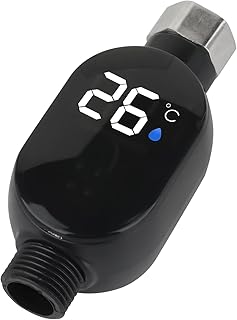
Digital Shower Thermometer
Accurate temperature monitoring is crucial for protocol adherence. This waterproof device displays exact water temperature (±1°F accuracy).
Check Price on Amazon
Programmable Shower System
Set precise temperatures for different users or protocols. Some models allow programming of contrast shower cycles automatically. Explore our best rainfall shower system roundup for premium programmable options.
Check Price on Amazon
Pressure-Balancing Anti-Scald Valve
Essential for families with children or elderly. Maintains safe temperatures even if water pressure changes elsewhere in the house. Pair with our elderly shower chair guide for a complete safety setup.
Check Price on AmazonGetting Consistent Temperature with Low Water Pressure
Temperature control is significantly harder with low water pressure, because pressure fluctuations cause temperature swings — the common “scalding when someone flushes” problem. If you’re building a serious temperature protocol, pressure consistency is a prerequisite. Our guides on how to increase shower water pressure and step-by-step low pressure fixes address the root causes. For electric shower users specifically, our best electric shower for low water pressure review covers models with built-in pressure compensation and temperature stability.
If pressure drops specifically during your shower (indicating supply-side issues rather than fixture issues), use our shower pressure drop calculator to quantify the problem before buying equipment. Sometimes a clogged showerhead is the entire issue — our vinegar cleaning guide can resolve this in under 30 minutes with no tools.
12. Historical and Cultural Perspectives
🌍 Global Thermal Traditions
Scandinavian Sauna + Ice Plunge: Alternating extreme heat (176-212°F/80-100°C) with cold water immersion (40°F/4°C) for circulation and immune benefits.
Japanese Ofuro: Very hot baths (104-108°F/40-42°C) for short durations (10-15 minutes) focusing on meditation and purification.
Russian Banya: Steam rooms (150-190°F/65-88°C) followed by cold plunges or snow rolling, often using venik (leafy branches) for massage.
Native American Sweat Lodge: Ceremonial steam heat for spiritual cleansing, followed by cooling in natural water sources.
Tibetan Cold Exposure: Monastic practices of cold water meditation for developing mental fortitude and concentration.
13. Age-Specific Recommendations
| Age Group | Recommended Temperature | Maximum Duration | Special Considerations | Safety Precautions |
|---|---|---|---|---|
| Infants (0-2) | 98-100°F (37-38°C) | 5 minutes | Skin barrier immature, rapid heat loss | Thermometer required, constant supervision |
| Children (3-12) | 95-100°F (35-38°C) | 10 minutes | Developing thermoregulation | Anti-scald device, teach temperature testing |
| Teens (13-19) | 90-102°F (32-39°C) | 15 minutes | Acne management, hormonal changes | Monitor for overheating in sports recovery |
| Adults (20-64) | Based on goal (see protocols) | 20 minutes max | Consider medical conditions, fitness goals | Blood pressure monitoring if extremes used |
| Elderly (65+) | 95-100°F (35-38°C) | 10 minutes | Reduced thermoregulation, thinner skin | Grab bars, shower chair, non-slip mat, medical clearance |
| Pregnant Women | 98-100°F (37-38°C) | 10 minutes | Core temperature regulation critical | Avoid hot tub temperatures (>102°F/39°C) — see full pregnancy shower guide |
14. Technical Troubleshooting: When the Choice Isn’t Yours
Sometimes, you take a cold shower not because you want to, but because your plumbing forces you to. If you are struggling with temperature control:
- Cartridge Failure: If you get hot water elsewhere but not in the shower, you might need to learn how to replace a shower faucet cartridge. Our step-by-step fix for showers not getting hot water diagnoses the issue before you buy parts.
- Low Flow: Contrast showers need pressure. If yours is weak, check our guide on increasing shower water pressure. Also check our pressure drop calculator to identify whether the issue is your fixture or your supply line.
- Drainage: High-volume showers require good drainage. Ensure you know how to unclog a drain to prevent standing in dirty tepid water.
- Inconsistent Temperature: If your temperature swings erratically, the fix is usually a thermostatic cartridge replacement — or see our note on the Moen valve above. Also check Delta vs Moen if you’re shopping for a replacement.
🚫 Medical Contraindications: When to Avoid Certain Temperatures
Avoid Cold Showers If You Have:
- Raynaud’s phenomenon or cold urticaria
- Cardiovascular conditions (arrhythmia, severe hypertension)
- Recent heart attack or stroke
- Hypothermia risk factors (elderly, low body fat)
- Open wounds or severe skin conditions
Avoid Hot Showers If You Have:
- Multiple sclerosis (heat can worsen symptoms)
- Low blood pressure (can cause dizziness/fainting — see why you get dizzy in the shower)
- Burns or recent surgery — check our guide on showering with stitches
- Certain medications (beta-blockers, diuretics)
- Pregnancy (first trimester risks — full protocol at can pregnant women take hot showers)
Always consult your physician before starting any extreme temperature protocol.
15. Steam Showers: The Third Option Beyond Hot and Cold
The binary framing of “hot vs cold” misses a third, distinct category that offers its own unique benefit profile: steam. A steam shower operates at 100-115°F (38-46°C) with 100% relative humidity — a combination that produces physiological effects neither dry hot showers nor cold showers can replicate.
What Steam Does That Hot Showers Cannot
A dry hot shower at 104°F raises skin surface temperature significantly but still allows evaporative cooling — your body continues to lose heat through perspiration even in the shower. Steam eliminates this evaporative escape route, forcing a more intense thermal response. The result is deeper muscle penetration of heat, greater vasodilation, and a more pronounced cardiovascular training effect.
The health benefits of steam showers include respiratory benefits impossible with dry heat (the humidified air penetrates bronchioles and sinuses in ways dry hot shower steam cannot), skin hydration (rather than dehydration — wet heat traps moisture rather than evaporating it), and a distinct immune activation pathway via hyperthermia induction.
Steam vs Cold: The Ultimate Contrast Protocol
The most powerful thermal therapy available outside a clinical setting is alternating steam and cold exposure — a protocol popular in Scandinavian and Japanese wellness traditions and increasingly supported by sports medicine research. The pump effect created by alternating maximum vasodilation (steam) and vasoconstriction (cold) moves lymphatic fluid and metabolic waste products 3-5x faster than either modality alone.
The protocol: 10 minutes steam → 60-90 seconds cold shower → rest 2 minutes → repeat 2-3 cycles. For people with chronic muscle pain, post-surgical recovery, or serious athletic training loads, this protocol delivers benefits comparable to professional physiotherapy massage at a fraction of the cost. See our steam shower generator guide for home installation options starting under $500.
16. The 30-Day Temperature Adaptation Protocol
Week 1: Acclimation Phase
Days 1-3: End your regular warm shower with 15 seconds of cool water
Days 4-7: Increase cool water time to 30 seconds
Goal: Desensitize cold receptors, begin vascular training. Use the ideal shower temperature guide to set a baseline for your current routine.
Week 2: Building Phase
Days 8-14: 1 minute of cool water at end of shower
Optional: Try a full 2-minute cool shower on day 14
Goal: Increase cold tolerance, notice mental clarity benefits. Track energy, sleep, and mood — you may also notice improvements from the routine itself prompting better post-workout hygiene habits.
Week 3: Integration Phase
Days 15-21: Begin experimenting with contrast showers (2 min hot/30 sec cold x 2)
Monitor: Track energy levels, mood, sleep quality using the daily water consumption tracker alongside your habit log
Goal: Find optimal temperature combination for your needs
Week 4: Optimization Phase
Days 22-30: Refine your protocol based on responses
Options: Morning cold showers for energy, evening warm showers for sleep — see our guide on night shower vs morning shower for the optimal split based on your work schedule and training times
Goal: Establish sustainable long-term temperature routine
17. Maintaining Your Shower for Consistent Temperature Performance
Even the best temperature protocol fails if your shower hardware is degraded. Mineral buildup, mold, and worn cartridges all undermine temperature consistency and hygiene. Here’s the maintenance checklist for people who take temperature seriously.
Monthly Maintenance
- Clean showerhead with vinegar — mineral buildup reduces flow and causes temperature spiking
- Check thermostatic cartridge for wear
- Test water temperature with thermometer against your target
- Inspect shower filter cartridge — replace per manufacturer schedule
Quarterly Maintenance
- Clean grout lines — mold in grout can cause respiratory issues that mask cold shower benefits
- Inspect and re-caulk if needed
- Check drain flow — use natural unclogging method if slow
- Test anti-scald device calibration
Daily Habits
- Squeegee walls after every shower to prevent mineral deposit buildup — see best shower squeegees
- Leave door/curtain open for airflow to prevent mold
- Check mold cleaner supply — essential for hot shower users whose steam encourages growth
- Remove wet clothing from bathroom immediately
Frequently Asked Questions (Expanded)
Should I shower before bed or in the morning?
Morning: Take a cold shower to wake up (increases cortisol naturally, boosts alertness). Night: Take a warm shower to relax (temperature drop triggers sleepiness). Read more in our detailed guide: Shower Before Bed or Not? and our comprehensive analysis of night shower vs morning shower. For optimal sleep, shower 1-2 hours before bed so your body has time to cool down.
Is it bad to take a cold shower when sick?
Generally, yes — with exceptions. If you have a fever, cold showers can cause dangerous chills (shivering generates heat, worsening fever). However, for nasal congestion without fever, a warm shower with steam can help. For the complete fever-specific temperature protocol — including what temperature to use at each stage of illness — see our guide on cold or hot shower for fever. Always listen to your body and consult a doctor when ill.
Can cold showers help with weight loss?
Theoretically, yes — but don’t expect miracles. Cold exposure activates brown adipose tissue (BAT), which burns calories to generate heat. Studies show this can increase metabolism by 5-16% for several hours post-exposure. However, this translates to only 50-100 extra calories burned — equivalent to a 10-minute walk. It’s not a magic pill compared to diet and exercise, but can complement a weight loss program.
Is it dangerous to shower during a thunderstorm?
Yes, regardless of temperature! Metal pipes and water can conduct electricity from a lightning strike. Check out: Is it dangerous to shower during a thunderstorm? This risk applies to all water temperatures equally.
How cold is too cold for a shower?
Below 50°F (10°C) is generally considered extreme and should only be done by those acclimated to cold exposure. Beginners should start at 60-70°F (15-21°C). The coldest recorded “safe” shower is around 35°F (2°C), but this requires extensive training. If you experience uncontrollable shivering, numbness, or blue lips, the water is too cold for you.
Can I get the same benefits from cold face splashes?
Partial benefits only. Face splashing can increase alertness and improve skin appearance, but systemic benefits (immune stimulation, whole-body circulation, hormone regulation) require full-body exposure. The dive reflex — which triggers many cold exposure benefits — requires immersion of the face and requires colder temperatures to activate fully.
Do temperature benefits work for everyone equally?
No. Genetic factors influence cold and heat tolerance. People of Northern European descent often have better cold adaptation genetics. Age, sex, body composition, and fitness level all affect temperature response. Women may experience different hormonal responses than men. It’s important to personalize protocols based on individual response using the kind of temperature guide available at our ideal shower temperature guide.
How long do temperature benefits last?
It varies by benefit type:
- Alertness boost: 1-3 hours post-cold shower
- Mood enhancement: 2-6 hours (cold), 1-3 hours (warm)
- Immune effects: Cumulative over weeks/months
- Metabolic increase: 1-4 hours post-cold
- Muscle recovery: Immediate to 24 hours
Can shower temperature affect hair growth?
Indirectly, yes. Hot water can damage hair cuticles and scalp, potentially affecting the growth environment. Cold water seals cuticles, reducing breakage and making hair appear thicker. No scientific evidence shows temperature directly stimulates hair follicles for growth, but maintaining a healthy scalp through the right temperature protocol creates optimal conditions for follicle health. Read our best shower routine for hair growth guide for the complete protocol.
Is there an optimal shower temperature for different seasons?
Yes:
- Winter: Slightly warmer (95-100°F/35-38°C) to compensate for cold ambient temperatures
- Summer: Cooler (75-85°F/24-29°C) to help regulate body temperature
- Spring/Fall: Moderate (85-95°F/29-35°C) as transitional periods
What temperature should I shower at after a workout?
It depends on your training type. For strength and hypertrophy athletes: lukewarm (33-35°C) 90 minutes post-workout preserves the inflammatory signal needed for muscle growth. For endurance athletes: cool (18-22°C) immediately post-workout aids core temperature reduction. For all athletes, contrast therapy (alternating hot/cold) is the highest-performance option. See our complete guide: shower before or after exercise.
Does the “not showering” trend have any validity?
There is some legitimate science behind not showering every single day for sedentary people — specifically related to protecting the skin microbiome and sebum layer. However, this applies only to mild-activity days. After any exercise that produces significant sweating, showering is non-negotiable from both hygiene and skin health perspectives. The debate around benefits of not showering simply does not apply to post-workout scenarios.
Will a cold shower help a hangover?
A cold shower won’t “cure” a hangover because it can’t metabolize alcohol faster, rehydrate you, or replenish electrolytes. However, the brief norepinephrine spike from cold exposure can reduce perceived fatigue and cognitive fog temporarily. The right approach: lukewarm shower (to avoid blood pressure shock from dehydration + cold combination), drink electrolytes before and after, and read our full protocol at will a shower help a hangover.
Is hot or cold shower better for skin?
Neither extreme is ideal alone. The evidence-based skin protocol is: warm water (36-38°C) for cleansing — it softens sebum and allows effective product penetration — followed by a cool-water (20-25°C) final rinse that seals the cuticle layer, closes pores, and reduces post-shower redness. Hot showers strip natural oils and accelerate skin aging with chronic use. Cold showers are harder to cleanse with and make product application less effective. The dual-temperature approach provides the best of both. See our how to shower properly guide for the complete technique.
Conclusion: The Personalized Temperature Prescription
So, is a cold shower or hot shower better? The nuanced answer is: it depends on your goals, physiology, and timing.
| Your Goal | Best Temperature | Optimal Duration | Best Time | Equipment Recommendation |
|---|---|---|---|---|
| Morning Energy Boost | Cold (60°F/15°C) | 2-3 minutes | Upon waking | Standard shower head |
| Evening Relaxation & Sleep | Warm (100°F/38°C) descending | 10-15 minutes | 90 min before bed | Rainfall system |
| Athletic Recovery | Contrast (hot/cold) | 12-20 minutes | Within 30 min post-workout | Dual shower head |
| Immune Support | Cool (70°F/21°C) | 1-2 minutes daily | Morning or evening | Any consistent system |
| Skin Health | Warm wash, cool rinse | 5-7 minutes | As needed | Temperature control valve |
| Stress Management | Based on stress type* | 10-15 minutes | When stressed | Comfort-focused system |
| Mental Health Support | Cold (depression/low mood); Warm (anxiety/tension) | 2-10 minutes | Morning (cold); Evening (warm) | See mental health cold shower guide |
| Hair Growth/Scalp Health | Warm wash, cool rinse | 8-10 minutes | Any | Filtered showerhead — see hair growth routine guide |
*Acute stress: cold shower; Chronic tension: warm shower; Mixed: contrast
The ultimate health hack is listening to your body while understanding the science. Start with small adjustments, track your responses, and build a routine that serves your unique needs. Whether you’re considering upgrading to a steam shower generator for heat therapy, installing a leak-proof shower door to contain your contrast shower splashes, or simply trying to optimize timing with our guide on night shower vs morning shower — invest in equipment and habits that support your temperature goals.
Remember: The perfect shower temperature isn’t what’s trending — it’s what helps you feel and function at your best. Use our ideal shower temperature guide as your reference, experiment consistently for at least 30 days, and adapt based on real results. Experiment, adapt, and transform your daily shower from a routine chore into a personalized wellness ritual.
Disclaimer: As an Amazon Associate, ShowerBlog earns from qualifying purchases. This article is for informational purposes and does not constitute medical advice. Always consult with a healthcare professional before making significant changes to your hygiene or wellness routines, especially if you have underlying health conditions.