
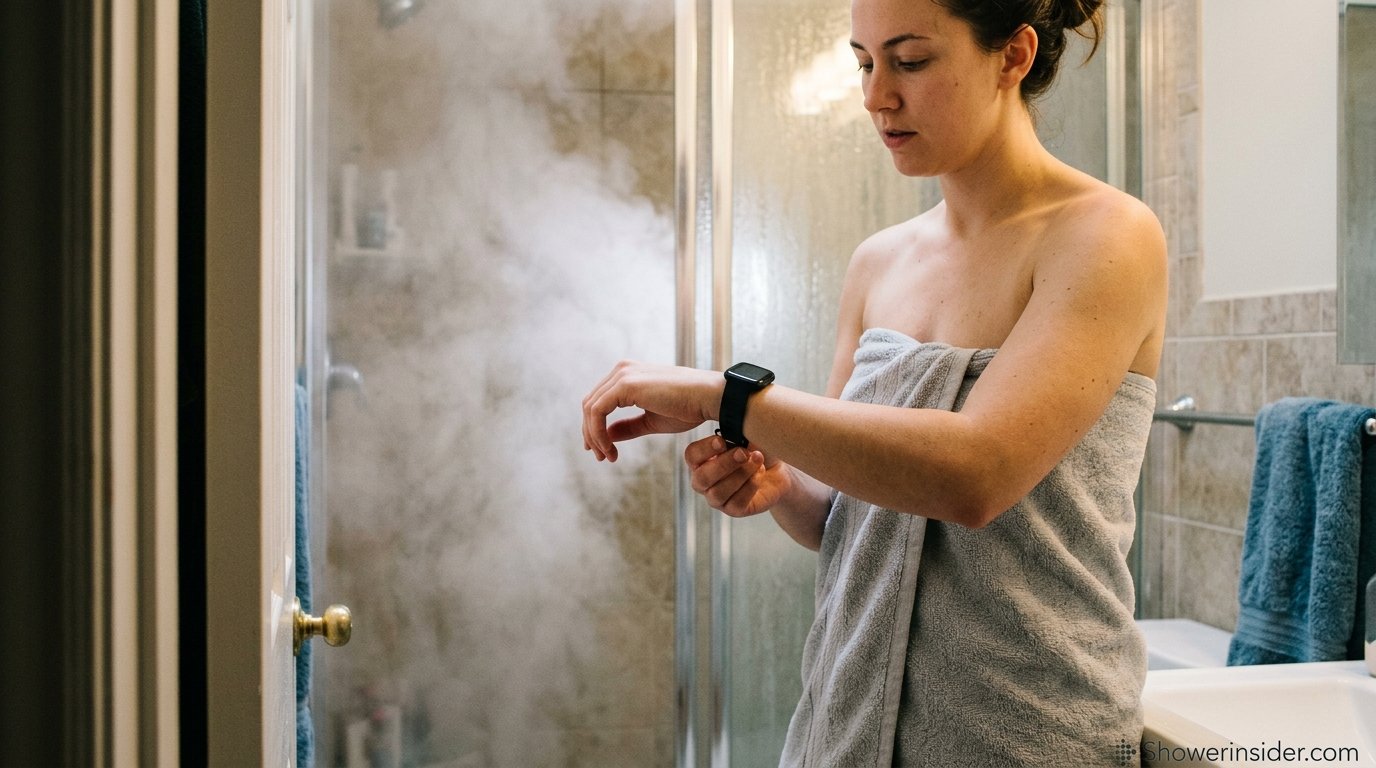
Can You Shower With a Fitbit? What Is Safe and What Is Not
Water ratings, hot water, steam, soap, skin health, and the smart routine that protects your tracker.
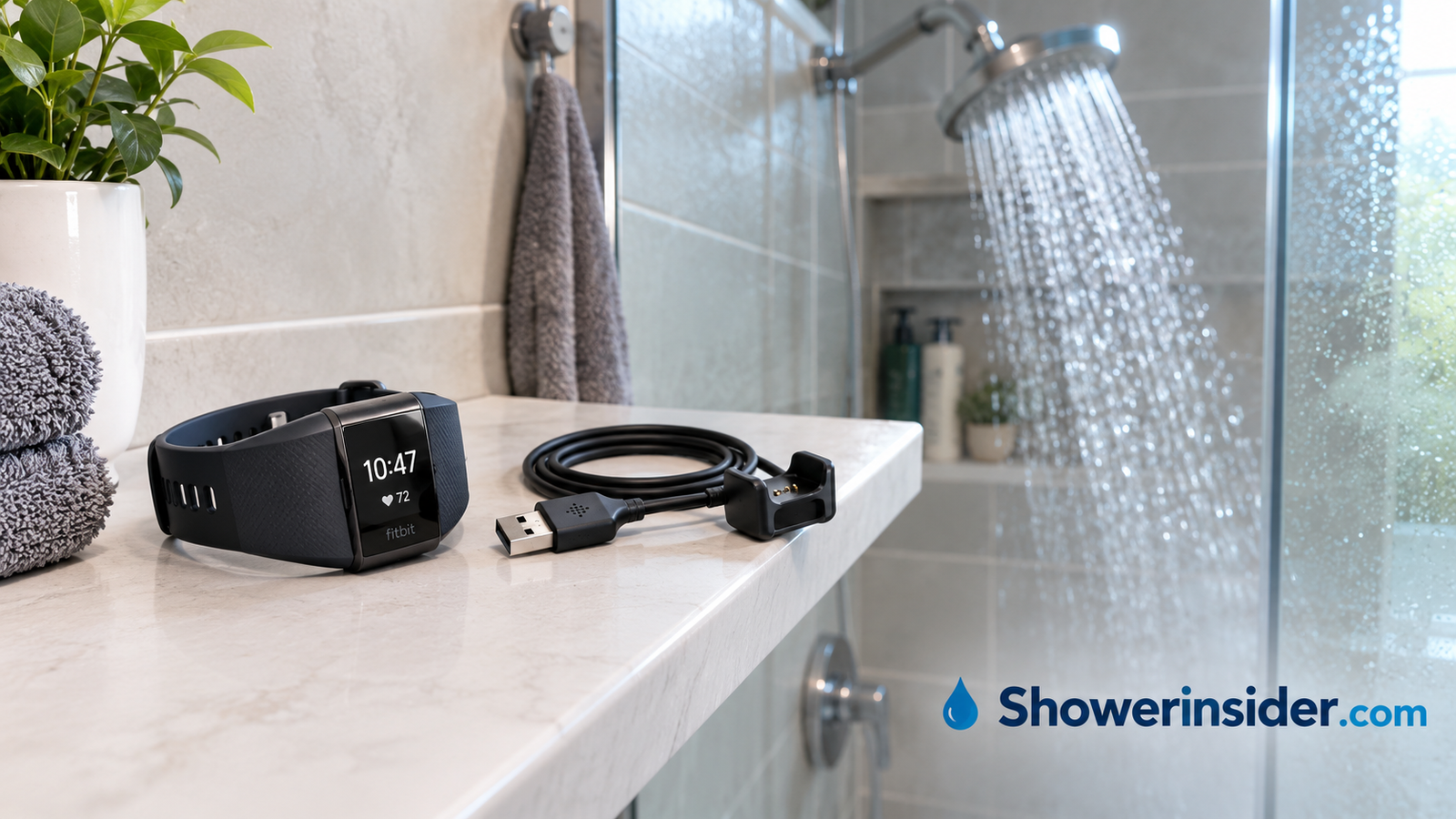
You step out of a workout, your wrist is buzzing with a fresh activity summary, and the shower is calling. Do you pull off the Fitbit or just leave it on? It is one of the most common questions people ask about wearables, and the answer is less obvious than the box suggests. Many Fitbit models proudly advertise swim-proof ratings, so a shower should be easy, right?
The truth lives in the details. Showers combine hot water, steam, soap, and repeated daily exposure, and that mix is rougher on a tracker than a quick dip in a pool. In this guide we break down what water resistance actually means, which models are safest, what heat and soap do to the hardware, how to protect your skin, and exactly how to build a routine that keeps your data complete without sacrificing your device. If you want to explore more bathroom know-how afterwards, start at the Shower Insider homepage.
The Short Answer: Can You Shower With a Fitbit?
Here is the honest, no-fluff answer: most modern Fitbit trackers and smartwatches can survive a shower, but that does not mean they should be worn in one every day. Fitbit sells the majority of its current devices as water resistant, and many are rated to handle pressure equal to 50 meters of depth. That rating was built around swimming in a pool, which is why plenty of people assume a quick rinse under the showerhead is no big deal.
The catch is that Fitbit itself has long advised owners to take the device off before showering. The reasoning is not that a single shower will kill your tracker. It is that the shower is a very different environment from a swimming pool. You are dealing with hot water, steam, soap, shampoo, conditioner, body wash, and often a long stretch of continuous exposure. Those things wear down seals and bands over time, and they can irritate the skin trapped beneath your wrist.
So the practical answer breaks into three parts. First, if you accidentally wore your Fitbit into the shower, relax. Rinse it with clean water, dry it, and carry on. Second, if you are wondering whether you can make it a daily habit, the safest answer is no, because repeated hot, soapy exposure is the fastest way to shorten the life of the device. Third, if you own an older model that is only splash proof, keep it far away from the shower entirely.
Quick pros and cons of wearing a Fitbit in the shower
Pros
- No gaps in step, heart rate, or all-day activity data
- Nothing to remember or misplace on the bathroom counter
- Most modern models can physically handle water exposure
- Useful if you shower right after a workout and want recovery data
Cons
- Hot water and steam can degrade seals over time
- Soap and shampoo residue collects under the band
- Higher chance of skin irritation and rashes
- Touchscreen and sensor readings get unreliable when wet
- Fitbit does not recommend it, which may affect warranty goodwill
If you only remember one rule from this guide, make it this one: water resistant is not the same as shower proof. The rest of this article explains exactly why, which models are safest, and how to build a routine that protects both your tracker and your skin. Since you are already thinking about how your bathroom habits affect your gear and your body, our guide on how to shower properly for good hygiene is a great companion read.
Ready to find a tracker that fits your routine? See what is available.
Browse Fitbit trackers built for waterWater Resistant vs. Waterproof: What the Ratings Actually Mean
The first thing to understand is the language on the box. Almost no wearable on the market is truly waterproof. Instead, manufacturers use the phrase water resistant, followed by a depth or pressure rating. When a Fitbit says it is water resistant to 50 meters, that is a laboratory test result, not a promise that the device is invincible in every wet situation.
How the lab test works
Water resistance ratings are generally obtained by submerging a brand-new device in still, clean, room-temperature water under controlled pressure for a set period. The device must come through without leaking. That is a meaningful test, but notice what it leaves out: no heat, no steam, no soap, no moving water hitting a seam at an angle, and no months of daily wear and tear before the test.
Why new does not equal permanent
The seals, gaskets, and adhesives that keep water out are made of materials that age. Fitbit states in its support documentation that water resistance is not a permanent condition and can diminish over time. Heat, chemicals, drops, and everyday scratches all play a role. A tracker that was perfectly sealed on day one might be a little less so after a year of knocks against door frames and desk edges.
Water resistant, swim proof, and splash proof
You will see several terms across Fitbit’s lineup, and they are not interchangeable.
- Splash proof or sweat proof: Fine for rain, sweat, and an accidental splash at the sink. Not designed to be submerged.
- Water resistant: Can handle brief water exposure within the stated rating.
- Swim proof: Rated for pool and open water use, typically up to 50 meters, and often supported by built-in swim tracking.
Think of the rating as a safety margin rather than a green light. A swim-proof tracker has plenty of margin for a surprise shower, but you are spending that margin each time you do it. If you want a deeper look at what everyday water habits do to the things you wear and own, our shower upkeep advice may help you think about the bigger picture; take a look at our shower maintenance guide for related habits.
The simplest way to remember all of this: the ocean of marketing copy suggests your Fitbit loves water, but the fine print says it merely tolerates it. Treat the rating as protection for accidents, not as permission for routine.
Want a tracker with a solid water rating? Compare current options.
Compare popular Fitbit modelsWhich Fitbit Models Can Handle Water (and Which Can’t)
Not every Fitbit is built the same. The lineup stretches across many years of design, and the water protection varies a lot between older and newer devices. The good news is that most trackers sold in recent generations are swim proof. The bad news is that a few older models are only splash resistant, and wearing those in a shower is a quick way to end up with a dead screen.
Always confirm the rating for your exact model in the manual or on Fitbit’s support pages, because specifications are updated and regional versions can differ. The table below is a general guide to how the main families tend to behave.
| Device family | Typical water rating | Shower suitability |
|---|---|---|
| Charge series (newer generations) | Swim proof, up to 50 m | Tolerates an occasional shower; remove for routine use |
| Inspire series | Swim proof, up to 50 m | Tolerates an occasional shower |
| Versa series | Swim proof, up to 50 m | Tolerates an occasional shower; leather bands must stay dry |
| Sense series | Swim proof, up to 50 m | Tolerates an occasional shower; watch the sensors |
| Luxe | Swim proof, up to 50 m | Fine briefly; delicate band links, so dry carefully |
| Ionic | Swim proof, up to 50 m | Tolerates water; older hardware, so be gentle |
| Older Charge, Alta, and Flex versions | Splash or sweat proof only, with a few exceptions | Keep out of the shower |
| Ace series (kids) | Water resistant | Check the manual; rinse and dry after exposure |
What about the band?
Even when the tracker body is swim proof, the band can be the weak link. Silicone bands handle water best. Leather, vegan leather, and some woven or metal bands can stain, stiffen, warp, or corrode with water exposure. If you own a premium band, check whether it is rated for water at all before it gets anywhere near the showerhead.
How to check your own model
- Look at the back of the device or the settings menu for the model name.
- Open the printed or online manual and find the water resistance section.
- Search Fitbit’s support site for the exact model plus the words water resistance.
- Check the age and condition of the device. An older, well-worn tracker deserves extra caution regardless of its original rating.
If you are shopping for something sturdier because your routine involves a lot of water, it is worth comparing models with the best seals and the most durable bands before you buy. A good rule is to choose a tracker you will not mind swapping out for a shower, and a band you will not mind replacing.
Looking for a swim-proof model? Browse the options here.
Shop swim-proof Fitbit optionsWhy Showers Are Harder on a Fitbit Than a Pool
It feels illogical at first. If a Fitbit can survive being dunked in a swimming pool, why would a gentle shower be a problem? The answer is that a pool is actually a fairly easy test for a wearable, while a shower stacks several small stressors on top of one another.
Temperature
Pool water is usually kept in the range of a comfortable swim. Shower water is routinely much hotter, and many people crank it up in winter. Heat makes plastics, rubber gaskets, and adhesives expand. When they cool again, tiny gaps can open up. Do that every morning for a few months and the cumulative effect can be real.
Steam
Steam is water in a gas form, and it behaves differently from liquid. It can drift into microscopic openings that liquid water would not easily pass through. A closed bathroom after a hot shower is a miniature steam room, and moisture can settle into ports, button gaps, and speaker or microphone openings on some models. If you enjoy hot, steamy sessions, our guide to steam showers and health explains why that environment is great for people but not necessarily for electronics.
Pressure and direction
A swimming pool applies even pressure all around the device. A showerhead blasts a concentrated jet at a specific angle, which can force water against a single seam. High-pressure rain heads and body jets are especially intense. If you have ever wondered whether your head is strong enough to be considered a firehose, check how it compares in our guide on how to increase shower water pressure, then imagine that stream aimed at your wrist.
Chemistry
Pool water has chlorine, which is its own problem, but showers bring shampoo, conditioner, body wash, shaving gel, scrubs, and sometimes bath bombs or oils. Surfactants are designed to break surface tension and lift oil. That is exactly the property that helps liquids creep into tight spaces. Residue left on the band also keeps bacteria and moisture against your skin.
Duration and repetition
A swim workout might last forty-five minutes, but most people swim a couple of times a week at most. A shower is shorter, yet it happens once or twice a day, every day. Repeated exposure is what quietly wears a seal down.
None of these factors is dramatic alone. Together they explain why Fitbit and most other wearable brands steer owners away from daily shower wear even when the device has a swim rating. It is a long-term durability issue far more than a short-term disaster.
A tougher band can make wet days easier. Check out the options.
Find a water-friendly fitness bandWhat Hot Water, Steam, and Soap Do to Your Tracker
Now that we know why the shower is a tougher environment, let us walk through exactly what happens to each part of the tracker. Understanding the mechanism makes it much easier to decide how much risk you are comfortable with.
Gaskets and seals
Inside the case, thin rubber or silicone gaskets press against the edges of the housing to block water. Heat softens them. Soap residue can dry on them into a film that prevents a clean seal. Over time they can compress, harden, or shift. A damaged gasket is invisible to the eye, which is why a device can look perfect and still leak.
Adhesives
Many wearables use adhesive to bond the display, the case, or the back plate. Heat is the enemy of adhesive. Repeated cycles of hot water followed by cooler bathroom air can weaken that bond, creating a path for moisture to enter.
Charging contacts and ports
The metal contacts on the back of the device, or the charging pins on certain models, can corrode when they stay wet and soapy. Corrosion causes charging problems, and that is one of the most common issues people report after sustained water exposure. Charging a wet device can also cause a short or pit the contacts.
Sensors
The optical heart rate sensor on the underside depends on light passing cleanly through a lens. Soap film, lotion, or mineral deposits can cloud it. If you live somewhere with mineral-heavy water, the white crust that forms on faucets also forms on your tracker. If hard water is a constant battle in your home, our guides on how to remove hard water stains in the shower and how to clean a shower head with vinegar will show you how much mineral buildup a bathroom produces; the same deposits can cling to your wearable.
Bands
Silicone bands are tough, but trapped soap makes them slippery and grimy. Leather and fabric hold moisture and grow odor. Metal links can tarnish. Magnetic clasps may collect residue.
A quick risk comparison
| Exposure | Risk level | Main concern |
|---|---|---|
| Rain or a splash at the sink | Low | Minimal |
| Rinsing hands with a tracker on | Low | Soap residue under the band |
| Short, lukewarm shower | Moderate | Seal wear, skin irritation |
| Long, hot, steamy shower | High | Seals, adhesive, sensors |
| Sauna, steam room, hot tub | Very high | Heat damage and possible battery stress |
The pattern is clear. The hotter, longer, and soapier the exposure, the greater the risk. A cool, quick rinse is much gentler than a long, steaming scrub, and keeping the device away from direct spray reduces the pressure issue as well.
Keep your tracker clean and protected with the right supplies.
See Fitbit cleaning and care accessoriesSkin Health: Rashes, Irritation, and Band Hygiene
Even if your Fitbit shrugs off the water, your wrist might not. Many reports of so-called Fitbit rash have little to do with the electronics. They come from moisture, friction, and residue trapped between the band and the skin, and showers make all three worse.
Why the skin under a band is vulnerable
A tracker sits against the same patch of skin for hours. Sweat, water, and soap can pool there. Without airflow, the skin stays damp and warm, which is exactly the environment that triggers irritation. Add a slightly tight band and you have friction on top of moisture.
Common triggers
- Soap and shampoo residue: Leftover surfactants irritate the skin and can cause redness or itching.
- Trapped moisture: Prolonged dampness can lead to maceration and discomfort.
- Metal sensitivity: Some people react to nickel or other metals in certain bands and clasps.
- Tight fit: A snug band during a swollen, warm shower compounds friction.
- Dirty bands: Dead skin, lotion, and sweat build up on the underside and feed bacteria.
Skin care habits that help
- Take the tracker off before you shower, and let your wrist breathe for a few minutes.
- Wash the band separately with mild soap and water, then dry it fully.
- Move the tracker to the other wrist now and then.
- Wear it slightly looser during the day, snug only for workouts when you want better heart rate readings.
- Pat the skin dry before putting the device back on.
If you already deal with sensitive skin, your overall shower routine matters too. Our guide to the best shower routine for healthy skin covers water temperature, cleansers, and timing in detail. And if you ever notice redness that does not fade, blistering, or persistent itching, stop wearing the device and talk to a healthcare professional rather than guessing.
The takeaway is that taking the tracker off for the shower is as much about your skin as it is about the circuitry. A few minutes of airflow every day can be the difference between a comfortable wrist and an irritated one.
Sensitive skin? A gentler band can make a big difference.
Shop hypoallergenic Fitbit bandsDoes a Fitbit Track Showers? Accuracy, Heart Rate, and Touchscreen Quirks
Some people want to keep the Fitbit on in the shower because they are afraid of missing data. It is worth asking what you would actually record, and how reliable it would be.
Steps and movement
A shower involves arm movement, which can produce stray motion data. Washing your hair or scrubbing can look like activity to the accelerometer, so you might see a few bonus steps or active minutes that did not really happen. These small errors are harmless but make your data slightly noisier.
Heart rate
The optical sensor shines light into your skin and reads the reflection to estimate blood flow. A layer of water, soap film, or a loose fit can disrupt that reading. Hot water also dilates blood vessels, which can raise heart rate and skew the picture of your resting trends. If you are tracking recovery, a hot shower right after a workout is not a clean data window. For more on how temperature affects your body, see our discussion of whether it is better to take a cold or hot shower.
The touchscreen
Capacitive touchscreens read the electrical signals from your fingers. Water droplets confuse them, causing phantom taps, scrolling, or app launches. Some models include a water lock or screen lock mode to prevent this. If your device has one, enable it before any wet activity. Otherwise, avoid touching the screen until your hands and the display are dry.
Notifications and alerts
If your tracker is buzzing in a steamy bathroom, you might not notice or you might dismiss alerts accidentally with a wet finger. Muting notifications or enabling a do-not-disturb mode is a good practice if you decide to wear it during a rinse.
What data you really lose by taking it off
For most people, a ten-minute shower removes a negligible amount from the daily totals. Your steps, active zone minutes, and sleep scores will not be meaningfully affected. The notable exception is sleep tracking: if you shower right before bed and your routine involves the tracker, you will want to put it back on promptly. We discuss exactly how to schedule this later. If you wonder how your evening wash influences sleep itself, our articles on showering before bed and the best shower temperature for sleep are worth a look.
The bottom line is that wearing a Fitbit in the shower gains you almost nothing in meaningful data and risks a lot in hardware wear. The tracker is simply a better tool when you give it a clean, dry setting.
Want better sleep and recovery tracking? Explore the range.
Explore Fitbit models with sleep trackingBand Materials: Silicone, Leather, Metal, and Woven
The strap you choose has a bigger influence on shower survival than most people realize. The tracker body may have a firm seal, but the band decides how much moisture stays on your wrist, how it smells, and how long it lasts.
| Band type | Water tolerance | Care notes |
|---|---|---|
| Silicone or fluoroelastomer | Excellent | Rinse and dry; wash with mild soap regularly |
| Nylon or woven fabric | Fair | Holds water and odor; air dry completely |
| Leather or vegan leather | Poor | Avoid water; stains and warps when wet |
| Stainless steel or metal mesh | Good, with caveats | Dry thoroughly to prevent tarnish and trapped soap |
| Magnetic loop | Moderate | Rinse residue from magnets and clasp |
Silicone: the shower-friendly choice
If you want to keep a tracker on during water exposure, a silicone band is the safest option. It does not absorb water, shakes dry quickly, and tolerates mild soap. Its downside is that it can trap sweat against the skin. Choose a breathable design with small vents or a textured inner surface if you wear it all day.
Leather and fashion bands
These look stylish at the office, but a shower will ruin them. Water causes leather to stiffen, crack, and discolor. If you own one, treat it as dry-only and keep a silicone spare for workouts and wet days.
Metal and mesh
Metal looks refined and holds up reasonably in water, but soap can collect between links and corrode certain finishes. Rinse with clean water and dry with a soft cloth.
Having a backup band
Many people keep two bands: a dressy one for work and a rugged one for the gym, the pool, and wet environments. Swapping takes seconds and doubles the life of both. It also reduces skin irritation, because each band gets a rest and a proper cleaning.
Cleaning schedule
- Daily: wipe the inside of the band with a damp cloth after workouts.
- Weekly: remove the band and wash it with mild soap and lukewarm water.
- Always: dry fully before reattaching to the tracker.
Treat the band as a consumable accessory. It costs far less than the tracker, and replacing it on a regular basis is a cheap way to keep your skin healthy and your device protected.
Keep a spare silicone band for wet days. Find one here.
Shop replacement silicone bandsThe Smart Way to Fit a Fitbit Into Your Shower Routine
Instead of asking whether you can shower with a Fitbit, a better question is how to design a daily rhythm that never puts the two together. The shower is actually the ideal window to charge the device, which solves the biggest problem most owners complain about: finding time to top up the battery without losing data.
The charging-during-shower trick
Many Fitbit trackers charge fairly quickly. A short top-up while you shower, dress, and make coffee can add significant battery life. Place the charger on a dry shelf outside the splash zone, well away from sinks and steam, then clip the tracker on as you step into the bathroom.
- Before you shower, remove the tracker and wipe your wrist dry.
- Make sure the device and its contacts are completely dry before connecting the charger.
- Place it on the cable in a dry spot away from the spray and steam.
- Shower, dry off, and get dressed.
- Put it back on once your skin is dry.
Balancing charging and sleep tracking
If you track sleep, schedule charging for the part of the day when you are awake and moving around anyway, such as the morning getting-ready window. Evening showers can work too, so long as you remember to put the tracker back on before bed. Setting a reminder in the Fitbit app helps. For tips on timing, our guide to night shower vs. morning shower explores which suits different lifestyles.
Post-workout showers
If you finish a run or a gym session and head straight to the shower, take the tracker off, wipe it down, and let it dry. Our piece on the shower routine for gym goers pairs well with this advice, and you may also like to read whether it is better to shower before or after exercise.
Dealing with an unavoidable shower
Sometimes life happens. You forgot, or you need to track a workout until the last second. If your model is swim proof and you accept the risk, keep the water lukewarm, keep the pressure gentle, avoid direct spray, and skip soap on your wrists. Afterward, follow the care routine in the next section.
Where to keep the tracker while showering
- A dry shelf or dish outside the splash zone
- A small tray on the bathroom counter
- A dedicated charging stand by your bed or dresser
Not a drawer, and not the edge of the tub. A designated spot prevents the classic mistake of leaving it near the sink and knocking it into the water.
Make charging effortless with a dedicated stand.
Shop Fitbit charging stands and docksHow to Care for Your Fitbit After Water Exposure
Whether you wore your tracker on purpose or by accident, what you do in the next few minutes matters. A consistent after-water routine takes less than two minutes and prevents most of the long-term problems.
Step by step care
- Rinse with clean water: If the tracker was exposed to soap, shampoo, chlorine, or salt, hold it under a gentle stream of lukewarm tap water to wash away residue.
- Remove the band: Detach the strap so water and soap do not stay trapped at the connection points.
- Dry the body: Use a soft, lint-free cloth to pat the device dry, paying attention to the back and the charging contacts.
- Dry the band: Wipe it and let it air dry completely before reattaching.
- Let it air out: Leave the tracker in a dry, ventilated spot for at least half an hour before charging.
- Check the contacts: Make sure the charging pins are clean and dry before connecting the cable.
What not to do
- Do not use a hair dryer or place the device on a heater, which can warp seals and damage the battery.
- Do not put it in a bag of uncooked rice, which is a myth that often leaves dust in the ports.
- Do not charge it while it is still wet.
- Do not use harsh chemicals, alcohol-heavy cleaners, or abrasive pads on the screen and sensors.
Signs of water damage
Watch for fogging under the glass, a screen that flickers or goes blank, unresponsive buttons, rapid battery drain, odd heart rate readings, or a charging error. If you see any of these, power the device down, dry it, and contact Fitbit support. Document the problem with photos and your purchase information in case you need a replacement or want to ask about warranty options.
Longer-term care
Once a week, give the tracker a gentle clean. Dampen a soft cloth with water, wipe the case and the sensors, and dry it completely. If you live in a hard water area, a quick wipe also prevents mineral spots. Our guides to removing hard water stains from shower glass and the best shower squeegee show how much a bathroom benefits from wiping surfaces dry; your tracker likes the same treatment.
A little discipline here goes a long way. People who dry their devices and clean their bands regularly tend to get years more out of them than those who treat them as indestructible.
Stock up on soft cloths for quick, safe drying.
Shop microfiber cloths and cleaning toolsShowers, Saunas, Hot Tubs, and Other Wet Situations
Showers are not the only wet environment your Fitbit might face. Here is how the most common ones compare, so you can make quick decisions in the moment.
| Situation | Wear a swim-proof Fitbit? | Notes |
|---|---|---|
| Washing hands or dishes | Usually fine | Dry the band afterwards |
| Rain or sweat | Fine | Wipe and dry after exercise |
| Swimming pool | Yes, if rated for it | Rinse off chlorine promptly |
| Ocean or saltwater | Possible, with care | Rinse with fresh water, because salt corrodes |
| Shower | Occasionally acceptable | Hot water and soap are the issue |
| Bath | Not recommended | Long soaks in hot water and soap |
| Sauna, steam room, hot tub | No | Heat can damage the device |
Saunas and steam rooms
Extreme heat is the clearest red flag. High temperatures stress the battery and the seals alike. Before you head into a hot room, check out how to plan your day with our guide on how long to wait to shower after cupping or a sauna, and leave your tracker in a locker.
Swimming and showering together
If you swim regularly, you already use the tracker in water. Just make sure you rinse it with fresh water afterwards, and read our guide on whether to shower before or after swimming for pool etiquette and skin care.
Thunderstorms and electrical safety
Wearables are low-voltage devices, but showering during a storm carries its own risks unrelated to your Fitbit. Read about whether it is dangerous to shower during a thunderstorm before you decide.
Special situations
People who wear other items in the shower often ask related questions. If you are curious how this compares to jewelry and accessories, see whether you can shower with earrings, a nose piercing, or even contact lenses. Each has its own care considerations, and the same principle applies: just because something survives water does not mean it thrives in it.
When in doubt, take it off. Removing a tracker takes five seconds, while repairing or replacing one takes time, money, and patience.
Need something built for heavy water use? Compare alternatives.
Shop waterproof fitness tracker alternativesChoosing a Water-Friendly Fitness Tracker and Shower Gear
If water exposure is a real part of your day, the best long-term solution is to choose gear that suits the way you live. There is no shame in buying a tracker designed for swimmers or an extra band meant for the bathroom.
Features to prioritize
- A clear swim-proof rating: Look for 50 meters or higher, and confirm it for your exact model.
- Replaceable bands: Easy swapping lets you keep a wet-ready strap.
- Water lock mode: Prevents accidental taps from droplets.
- A sealed charging design: Fewer exposed contacts means fewer corrosion headaches.
- Good battery life: A tracker that lasts several days is more forgiving of charging during showers.
- Comfortable, breathable fit: Reduces skin issues from constant wear.
Setting up a tracker-friendly bathroom
A few small upgrades make it easier to keep electronics safe in a wet room. A drill-free caddy keeps small items off the counter, a squeegee keeps surfaces dry, and a bluetooth speaker lets you enjoy music without wearing anything. See our picks for the best drill-free shower caddies, the best bluetooth shower speakers, and the best shower squeegees.
Upgrade your shower experience, not your risk
If the real reason you want to bring your tracker into the shower is to stay on top of your health, consider the benefits of a better shower setup instead. A filtered head can improve skin and hair, and a handheld model makes rinsing easier. Browse our rankings of the best shower heads, the best shower head with a filter, and the best handheld shower heads. For more ideas about how your routine affects your body, see how often you should shower and how long a shower should be.
A simple decision framework
- Is your model swim proof? If no, never wear it in the shower.
- Is the band silicone? If no, remove it.
- Is the water hot or the shower long? If yes, remove it.
- Do you plan to use soap on or near your wrists? If yes, remove it.
- Is it a one-time accident? Rinse, dry, and move on.
With that framework you can answer the question quickly in nearly any situation, without needing to consult a manual every time.
Upgrade your bathroom setup with shower-ready gear.
Shop shower-friendly gear and accessoriesFrequently Asked Questions
Is it safe to wear a Fitbit in the shower?
For most swim-proof models an occasional shower will not cause immediate harm, but Fitbit recommends removing the device. Hot water, steam, and soap can wear down seals over time, so the safest habit is to take it off before you step in.
Will a Fitbit stop working if it gets wet in the shower?
Usually not right away. If the device is swim proof and in good shape, a single shower is unlikely to ruin it. The risk comes from repeated exposure and from older models that are only splash resistant.
Which Fitbit models are water resistant?
Many recent Charge, Inspire, Versa, Sense, Luxe, and Ionic devices carry a 50-meter swim rating. Older models such as some early Charge, Alta, and Flex versions are only splash proof. Always confirm your exact model in the manual.
Can hot water damage a Fitbit?
Yes. Heat can soften gaskets, weaken adhesives, and put stress on the battery. Water resistance ratings are tested in cool, still water, so hot showers fall outside the conditions the rating describes.
Can I wear my Fitbit in a sauna, steam room, or hot tub?
No. These environments combine extreme heat and humidity, which are the conditions most likely to damage seals and electronics. Leave the tracker outside and put it back on afterwards.
Can I charge my Fitbit while I shower?
Yes, and it is a smart time to do it. Remove the tracker, dry it and the contacts completely, and place the charger on a dry surface away from spray and steam. Never charge a wet device.
What should I do if my Fitbit gets soapy in the shower?
Rinse it with clean lukewarm water, remove the band, pat everything dry with a soft cloth, and let it air out before charging. Soap residue left on the device can irritate skin and damage seals.
Can a Fitbit give me a rash if I shower with it?
It can contribute. Trapped moisture, soap residue, friction, and metal sensitivities are common triggers. Remove the tracker for showers, clean the band regularly, and see a healthcare professional if irritation persists.
Does a Fitbit track steps or heart rate accurately in the shower?
Not reliably. Water and soap film can disrupt the optical heart rate sensor, and arm movement can add stray steps. The wet touchscreen may also register phantom taps.
Is a leather Fitbit band safe in water?
No. Leather and vegan leather bands can stain, stiffen, and warp when wet. Use a silicone band for any activity that involves water, and keep leather bands for dry days.
How long does a Fitbit take to dry after water exposure?
Surface water dries in minutes, but you should let the device air out for at least half an hour before charging. Wait longer if you see moisture near the charging contacts.
Does water damage void my Fitbit warranty?
Warranty terms vary by region and product. Water resistance is generally not a permanent condition, and damage from misuse may not be covered. Check the warranty documentation for your device or contact Fitbit support.
Conclusion: Take It Off, Rinse It Off, and Keep Your Fitbit Going Strong
So, can you shower with a Fitbit? Physically, many models can handle it, and an accidental shower is nothing to panic about. Practically, the smartest move is to take it off. Hot water, steam, and soap are the three biggest enemies of seals, bands, sensors, and skin, and none of them gives you meaningful tracking data in return.
Build the habit of removing your tracker before you shower, charging it while you wash up, and putting it back on once you are dry. Keep a silicone band for wet days, clean your bands weekly, and rinse and dry the device any time it meets soap or chlorine. Those small steps can add years to the life of your Fitbit and keep your wrist comfortable.
If you are ready to upgrade your setup, a spare band, a charging stand, or a more water-friendly tracker are inexpensive ways to make your routine easier.
Ready to upgrade your tracker, bands, or bathroom gear? Start here.
Shop Fitbit trackers and accessories