
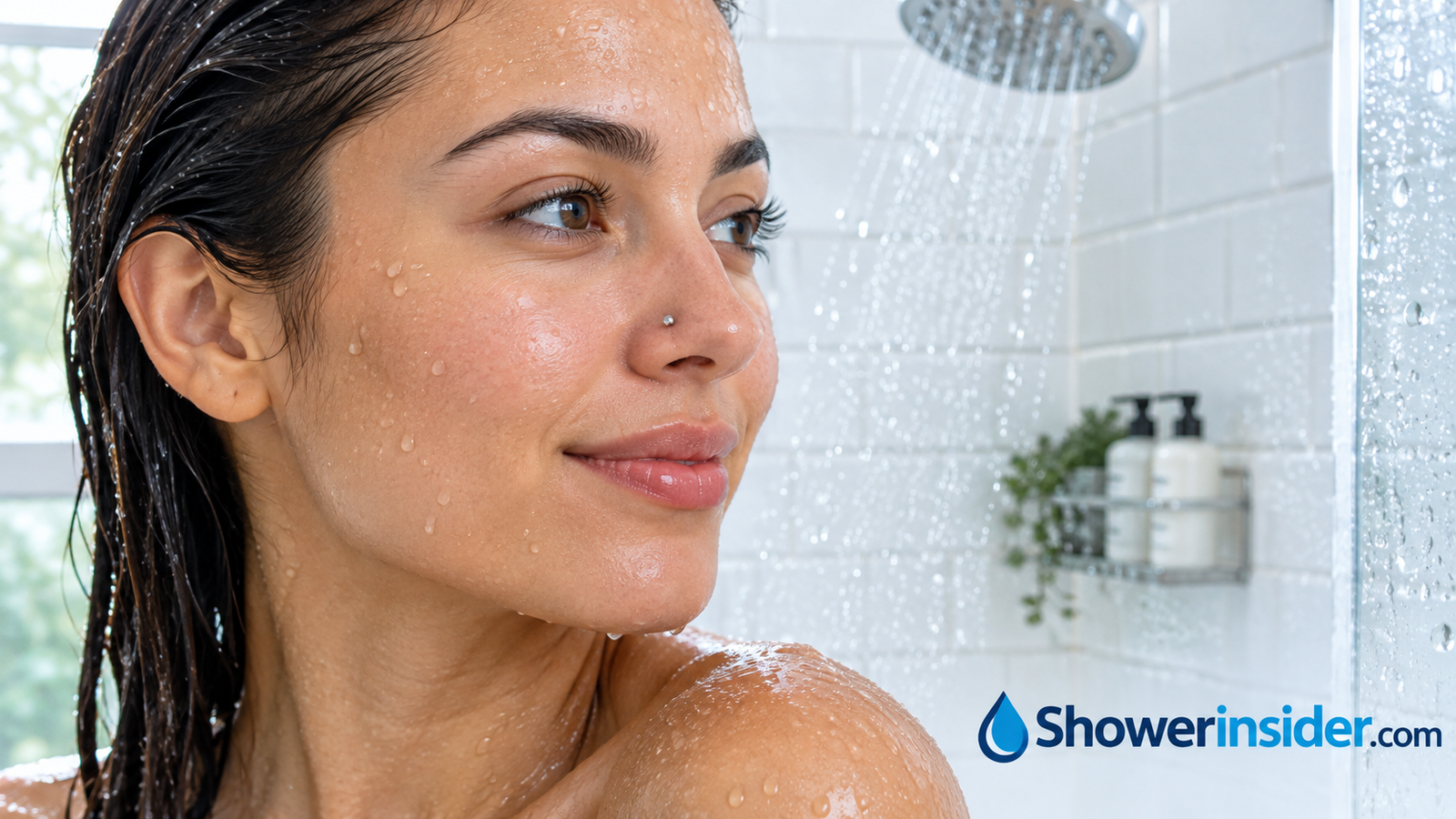
Can You Shower With a Nose Piercing? What’s Safe, What to Avoid, and How to Do It Right
A practical, piercer-minded guide to rinsing, drying, and caring for a healing nose piercing without stress.
You finally got that tiny stud or hoop, you love the way it looks, and then you step into the bathroom and freeze. Is the water going to wreck it? Do you have to cover your nose with plastic? Will shampoo cause an infection? These are fair worries, because a nose piercing really is a small open wound for the first several months. The good news is that you can shower with a nose piercing, and doing it well is far easier than most people expect.
In this guide we will walk through exactly how healing works, what to do with water temperature and pressure, how to handle soap and shampoo, when to leave your jewelry in, and what changes once the piercing has fully healed. We will also cover the mistakes that quietly cause most irritation, the warning signs of infection, and a few real-life situations like colds, workouts, and travel. If you are new to the shower-and-body-care topics on our site, you can also browse our Shower Insider home page for more practical guides.
The Short Answer: Yes, You Can Shower With a Nose Piercing
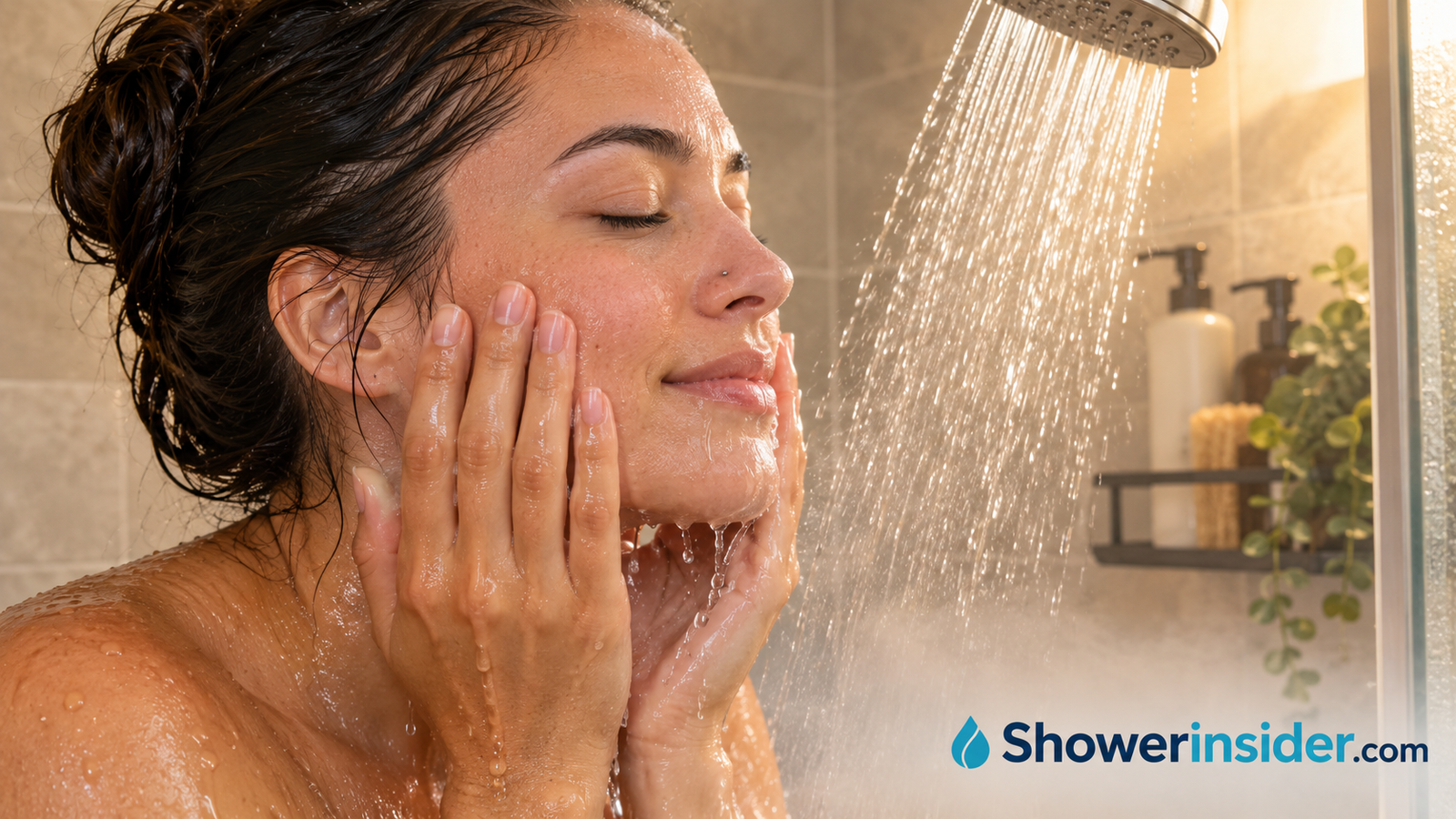
Let’s clear this up right away. Yes, you can shower with a nose piercing, and that is true whether the piercing is brand new or years old. Clean running water is not the enemy of a healing piercing. In fact, a daily shower is one of the easiest ways to keep the area clean, rinse off sweat and oil, and soften the dried lymph fluid that builds up around the jewelry. Most professional piercers will tell you to keep showering exactly as you normally would, with a few small adjustments for the first few months.
The trouble people run into is rarely the water itself. It is everything that comes along with the shower: the soap that runs down your face, the shampoo foam that sits against the stud, the rough towel that snags on a hoop, the scalding temperature that irritates tender skin, and the bathtub or pool soak that sneaks in under the label of “just a quick bath.” Once you understand those pressure points, showering with a nose piercing turns into a non-issue.
If you are the kind of person who likes the quick version first, here is what to know before we go deeper into each step.
Nose piercing shower rules at a glance
- Showering is fine from the day you get pierced, as long as you keep it gentle and brief on that first day.
- Keep the jewelry in. Do not take a fresh piercing out to “give it a wash.” The hole can shrink quickly.
- Use warm water, not hot. Heat and a strong spray both irritate fresh tissue.
- Keep products away. Face wash, shampoo, conditioner, and body wash should not sit on the piercing.
- Pat it dry with a clean disposable paper product, never a shared bath towel.
- Skip baths, pools, hot tubs, and lakes until the piercing has healed.
That is the whole philosophy. The rest of this guide explains the reasoning, so that you can make smart calls in situations nobody lists on an aftercare card, like shaving, washing a face full of acne treatment, or showering after a sweaty workout. If you have ever wondered the same thing about other body modifications, our guide on whether you can shower with earrings covers a close cousin of this question, and the advice for a fresh tattoo follows a similar logic of gentle cleaning and no soaking.
One note before we move on: this article is general education, not medical advice. Your piercer knows your anatomy and your jewelry, and a doctor is the right person to see if something looks wrong. When your piercer’s instructions differ from anything here, follow your piercer.
Sterile saline wound wash and gentle, fragrance-free cleansers are the basics worth keeping next to your sink.
How a Nose Piercing Heals (and Why Water Matters)
To understand why showering rules exist, it helps to picture what is going on inside your nose. A piercing is a small, controlled wound. Your body responds by building a tube of tissue around the jewelry, much like a tiny scar tunnel that eventually becomes the lining of the hole. During that process the area is inflamed, slightly swollen, and prone to producing a clear or pale yellow fluid that dries into crusts around the post. That fluid is normal. It is not pus, and it is not a sign of infection.
Water matters because the healing tunnel is fragile in the early weeks. The cells are delicate, they are easily torn by tugging, and they are easily irritated by chemicals. At the same time, the area has to stay clean, because the nose is a busy neighborhood: you touch it, you sneeze into it, you blow it, and bacteria that live in and around the nostrils are always nearby. Clean water and sterile saline help keep that environment calm. Dirty water, harsh soap, and constant fiddling do the opposite.
Typical healing timelines
Healing times vary a lot between people, and they also vary by placement. Cartilage-adjacent piercings tend to take longer than soft tissue ones. The ranges below are common estimates that piercers quote, not guarantees.
| Piercing type | Typical initial healing | What to expect in the shower |
|---|---|---|
| Nostril (stud or screw) | About 4 to 6 months, sometimes longer | Gentle rinsing is fine from day one; keep soap away for the early weeks |
| Nostril with a hoop | About 6 to 9 months, sometimes longer | Hoops move more, so avoid spinning or catching them on a washcloth |
| High nostril | About 6 to 12 months | Treat it with extra patience; swelling lingers, so keep spray gentle |
| Septum | About 2 to 3 months for the first stage, longer for complete healing | Can be flipped up for some people, but only after your piercer says the time is right |
| Bridge | About 2 to 3 months, often with a tendency to migrate | Face wash and cleansing brushes are the main concern |
| Nasallang (multiple) | About 3 to 6 months or more | Needs especially careful drying and zero pressure on the bar |
A piercing can feel healed long before it truly is. The outside closes up, the redness fades, and the crusting stops, but the interior tunnel is still maturing. That is why many people get into trouble around week six to ten, when they get comfortable, switch jewelry too early, or stop cleaning. Treat the timeline as a minimum, not a deadline.
The same principle applies to many other healing situations. If you have ever asked how long to wait before showering after a procedure, our article on how long after treatment you can shower explains how to think about wounds, and the broader guide to showering after 20 situations is a handy reference when something else comes up.
Why the first 24 hours are a little different
Right after you are pierced, the area is at its most sensitive. Many piercers suggest keeping the shower brief that day and skipping a hair wash if you can, or tilting your head back so water runs away from your face. By the next day you can return to a normal shower, still gently. If your piercer gave you a specific plan, follow it, because they know the jewelry they used and the technique they performed.
Look for a simple spray labeled as sterile 0.9 percent sodium chloride with no additives.
Showering With a Fresh Nose Piercing: The Ground Rules
The first weeks are when you need to be thoughtful. Here are the rules that actually matter, with the reasoning behind each so that you can adapt them instead of memorizing them.
- Do not remove the jewelry. Nose holes can shrink within minutes to hours when they are new, and reinserting a stud through swollen tissue is painful and risky. Leave it in, rinse around it, and let it do its job as a placeholder.
- Let the water run over the area; do not blast it. Think of rinsing, not scrubbing. Stand so the spray hits your chest or shoulders and the water slides up your face gently, or cup warm water in your hand and rinse that way.
- Do not twist, spin, or turn the jewelry. This is an old myth. Rotating the stud drags crust through the channel and tears new tissue. If a crust is stuck, soften it with warm water or saline and let it fall away.
- Wash your hands first. If you are going to touch the area at all, hands should be lathered with plain soap and rinsed. Most infections trace back to dirty hands, not shower water.
- Keep the shower reasonable in length. There is no need for a stopwatch, but a long, steamy soak makes the skin waterlogged and soft. A normal shower is perfect. If you wonder what normal means, our piece on how long a shower should be has useful ranges.
- Finish with a gentle saline rinse if your piercer recommends it. Many do, once or twice a day.
- Dry carefully. Do this with something clean and disposable, which we cover in detail in a later section.
None of this requires a special routine or fancy equipment. If you already shower daily, you are halfway there. If you are unsure whether daily is too much or not enough, the general advice on how often you should shower fits comfortably with piercing aftercare, because a daily rinse is both normal hygiene and good piercing care.
What about washing your hair?
Hair washing is where fresh piercings usually get into trouble. Shampoo foam travels down your forehead and cheeks with the water, and conditioner is designed to cling. For the first couple of weeks, lean your head back or to the side so that suds run away from your nose, then do a final rinse with your face tilted up into the stream (gentle, not forceful) so that nothing is left behind. If you wear your hair long, tie it back afterwards so strands do not catch on a nose ring.
Do your face and hair first, rinse the area last. Finish the shower with clean, plain water on the piercing so nothing is left sitting on it when you step out.
Another habit worth building: look at your piercing in the bathroom mirror every day. You are not hunting for problems. You are learning what normal looks like for you, so that a change in color, swelling, or discharge stands out immediately.
Disposable non-woven gauze and soft paper products make drying simple and clean.
Water Temperature, Pressure, and Steam
Temperature is the shower variable people forget about. A very hot shower dilates blood vessels, which increases swelling and redness in a piercing that is already inflamed. It can also dry out the skin barrier around the hole and make crusts harder, not softer. Warm water, on the other hand, comfortably loosens crust and keeps the skin supple.
You do not need to take a cold shower to be safe. If you enjoy cooler water, that is fine too, and the debate between the two extremes is well covered in our comparison of cold versus hot showers. For a healing nose piercing, the sweet spot is simply comfortable warmth. If the water feels uncomfortably hot on the inside of your wrist, it is too hot for a fresh wound.
Spray pressure and shower head settings
A forceful, pulsing spray aimed at your face is the wrong tool for the first few weeks. A rain-style or gentle aerated setting is better, and a handheld head makes it much easier to direct water exactly where you want it. If you are shopping, our roundup of the best handheld shower heads explains which models offer soft, wide spray patterns. People with very strong water pressure might also like to know that you can tame it; the same guides that help you increase shower pressure are useful in reverse when you understand what affects flow.
Steam is more helpful than most people expect
The warm, humid air in a bathroom softens the dried fluid around your jewelry. Many piercers actually use this to their advantage: crusts that are stubborn at the sink slide off easily at the end of a shower. It is the same reason people with sinus trouble like a steamy bathroom. If you want to dive deeper into steam and wellness, take a look at our article on steam showers for health, though a regular shower already produces plenty of steam for aftercare purposes.
| Factor | Best choice for a healing piercing | Why |
|---|---|---|
| Water temperature | Comfortably warm | Heat increases swelling and can irritate the skin barrier |
| Spray pressure | Soft or medium | A hard stream can aggravate tender tissue and loosen delicate new cells |
| Shower length | Normal, not extended | Long soaks waterlog skin and soften the tissue around the hole |
| Spray direction | Away from the face, then a final gentle rinse | Keeps soap and shampoo from collecting on the piercing |
| Steam | Fine, even helpful | Softens crust so it comes away without picking |
If you also use showering as part of a sleep or wellness routine, you can keep that habit. Our guides on the best shower temperature for sleep and whether a shower before bed makes sense are compatible with piercing care. The only adjustment is to keep things on the warm side rather than hot while you heal.
A gentle, adjustable spray makes it easy to keep water pressure off a tender nose piercing.
Soap, Shampoo, and Face Wash: What Touches Your Piercing
Ask a piercer what causes the most unnecessary irritation, and many will answer “products.” Anything with fragrance, dyes, strong surfactants, or active ingredients can inflame a healing nose. The challenge is that you can hardly avoid your own face in the shower. So the goal is not zero contact, it is controlled contact.
The products that deserve extra care
| Product | Risk to a nose piercing | What to do |
|---|---|---|
| Regular bar soap | Can leave residue and dry out the skin | Rinse thoroughly; keep it off the piercing during the early weeks |
| Fragrance-heavy body wash | Perfume and dyes irritate fresh tissue | Choose a plain, fragrance-free option for your face |
| Acne treatments (salicylic acid, benzoyl peroxide) | Harsh actives dry and inflame the tissue | Keep them well away from the nose until healed |
| Retinoids and exfoliating acids | Thin the skin and sting on contact | Pause use near the piercing and ask your dermatologist if unsure |
| Shampoo and conditioner | Residue clings to the post and crusts | Rinse hair with your head tilted back, then rinse your face last |
| Facial scrubs and cleansing brushes | Physical friction snags jewelry | Skip them around the nose while it heals |
| Shaving foam and razors | Can nick the area or catch a hoop | Shave carefully around the nose or hold off in the early weeks |
A simple rule works well: if a product would sting on a small scratch, keep it off your piercing. Mild, unscented cleansers are acceptable on the rest of your face as long as they are fully rinsed away. Many people use their fingertips to lather the face, avoiding the nose area, and then use clean water to splash the nose zone last.
Shaving deserves its own mention, since nose piercings sit close to facial hair and the upper lip. If you shave in the shower, you may like our discussion of whether to shave before or after your shower. For a healing piercing the safest approach is to shave after the shower, once the skin is soft, with a fresh blade and slow strokes that keep a safe distance from the jewelry.
Skin-care routine adjustments
You do not need to rebuild your entire routine. You just need to choose where products go. If you are interested in building a routine that supports healthy skin generally, our guide to the best shower routine for healthy skin fits nicely around piercing care, and the basics in how to shower properly for good hygiene reinforce the same ideas.
Why keep it simple
- Fragrance-free, mild cleansers lower the risk of irritation
- A simple routine is easier to stick to
- Fewer products means fewer variables if something goes wrong
What it costs you
- Your usual favorites may need to wait
- Rinsing carefully takes a few extra seconds
- It can feel limiting if you rely on active skin-care ingredients
A mild face wash without perfume or active ingredients is a smart swap during healing.
Drying Off and Aftercare Right After the Shower
What you do in the five minutes after your shower may matter more than the shower itself. The skin is soft, the crusts are loose, and the piercing is primed for gentle cleaning. This is the ideal moment for aftercare, and it is the most common place for mistakes.
Skip the bath towel near your nose
A regular towel is a poor choice around a piercing. The loops snag on jewelry, shed fibers that stick to the wound, and carry whatever bacteria lives in a damp fabric between washes. Instead, use a clean paper towel, a disposable non-woven gauze pad, or a fresh square of clean tissue. Dab around the piercing. Do not rub and do not pull.
A simple post-shower aftercare sequence
- Wash your hands with plain soap and dry them on something clean.
- Spray the piercing with sterile saline from the front and, if possible, from inside the nostril area using the product directions.
- Let it sit for a moment so that any crust softens naturally.
- Wipe away loosened crust with a saline-soaked non-woven gauze. If a crust does not come off easily, leave it for next time.
- Pat dry with a fresh piece of disposable paper product.
- Leave the jewelry alone. Do not twist it, and avoid applying ointments unless a medical professional has told you to.
Ointments and oils tend to trap moisture and bacteria against the skin, which is the opposite of what a healing piercing needs. The same goes for rubbing alcohol, hydrogen peroxide, and antibacterial soaps. They are too harsh, and they can slow healing by damaging the very cells that are trying to repair the area. Sterile saline is the standard recommendation because it is gentle and works with your body rather than against it.
Timing your aftercare to your lifestyle
Whether you shower in the morning or at night, build the saline step into it. If you are weighing which time of day suits you better, our comparison of a night shower vs a morning shower might help you decide. Many people with piercings like a morning shower because they can do aftercare before leaving the house, while a night shower removes the day’s makeup, sweat, and pollution before you sleep with the piercing against a pillow.
A fresh pillowcase every few days keeps one more source of lint and bacteria away from your nose. If you tend to sleep on the pierced side, try sleeping on the other side or using a travel pillow with a hole for your face while you heal.
Non-woven gauze and fresh paper products keep fibers and bacteria away from a healing nose.
Should You Take Your Nose Jewelry Out in the Shower?
This is the single most common question after “can I shower at all,” and the answer depends on how old the piercing is. For a fresh piercing, the answer is no. Leave the jewelry in. For a fully healed piercing, you have more freedom, though many people still leave their stud in for convenience.
Why you should not remove a fresh piercing
New piercings can close surprisingly fast. Even after several weeks, a nostril piercing that is still healing can start to shrink within a few hours without jewelry, and reinserting a stud can be painful or impossible. Removing and replacing jewelry also drags the post through the healing tunnel, tearing tissue and inviting bacteria. If you must change jewelry for a reason like swelling that needs a longer post, ask your piercer to do it.
When a healed piercing gives you more options
Once your piercer confirms the piercing is healed, you can take the jewelry out for short periods if you need to, such as for an MRI, a medical procedure, or a sports event that requires it. Many people never remove it for showering at all. The decision usually comes down to comfort and hygiene preference.
Pros of leaving jewelry in
- Avoids risks of removal in a fresh piercing
- Keeps the hole open and stable
- Skips the hassle of reinsertion every day
- Leaves the area protected from over-handling
Cons of leaving jewelry in
- Crusts and residue can collect around the post
- Needs consistent saline rinsing
- Hoops can snag on washcloths and towels
- Requires care to keep products from building up
Choosing jewelry that plays well with water
Material makes a major difference in how your piercing behaves in the shower. Implant-grade titanium and niobium are widely recommended for new piercings because they are non-reactive and do not contain nickel. Solid 14 or 18 karat gold is another good option, as long as it is not plated or gold-filled. Cheap costume jewelry, sterling silver, and anything labeled “surgical steel” without a specific grade can tarnish, irritate, or provoke allergic reactions, especially when exposed to moisture day after day.
Style matters too. A flat-backed labret-style stud or a well-fitted bone-style post is easier to keep clean than a bulky hoop. Piercers often start with a stud for the healing stage and swap to a ring later. That keeps the shower simple: nothing to snag, nothing to tangle in hair or on a face cloth.
If you are curious how other piercings fare with water, the same logic applies to ears, so our guide to showering with earrings is a useful companion.
Titanium and niobium studs are popular choices for sensitive, healing noses.
Different Nose Piercings, Different Shower Habits
“Nose piercing” is a broad label. A nostril stud, a septum ring, and a bridge bar are very different pieces of jewelry in very different places, and each has its own shower quirks.
| Piercing | Shower consideration | Practical tip |
|---|---|---|
| Nostril stud | Easy to rinse, but crust collects behind the post | Use saline after the shower to soften crust, then wipe gently |
| Nostril hoop | The ring can catch on washcloths, hair, and towels | Tie hair back and avoid rough cloths around the nose |
| Septum | Often sits inside the nose and collects mucus or condensation | Rinse with saline, and ask your piercer about flipping it up safely after healing |
| High nostril | Sits on firmer tissue and swells more | Keep spray gentle and avoid pressure from face-wash tools |
| Bridge | Sits across the top of the nose, right where face wash goes | Lather the rest of your face and splash the bridge clean |
| Nasallang | Long bar runs through the nose | Keep rinsing gentle and avoid tugging when drying |
Nostril piercings
The nostril is the most common placement, and the easiest to keep clean. Rinse the outside, use saline for the inside, and avoid picking at crusts. Because the tissue is relatively thin, nostril piercings can swell and settle more quickly than higher placements, though they still need months to fully mature.
Septum piercings
Septum piercings are placed in the thin “sweet spot” of tissue at the front of the septum. They often heal faster at the surface, but they are inside the nose, so mucus and moisture are constant companions. In the shower the biggest concerns are residue and moisture trapped inside the nostrils, and the temptation to twist the jewelry to clean it. Keep the jewelry still, use saline, and let it dry in fresh air after you leave the bathroom.
Bridge and high nostril piercings
Bridge piercings are right in the path of face wash and cleansing tools. If you use a washcloth, switch to your clean fingertips, or splash water over your face and pat dry. High nostril piercings are known for slow, sometimes frustrating healing. Swelling can last longer, and hot showers can make that swelling more noticeable. Be extra patient and extra gentle.
If you wear glasses or a face mask, those can rub on bridge and nostril jewelry too. The shower is the one place where you are free of both, so give the piercing a break and keep the post clean when you step out.
Find options in different materials and styles, and check with your piercer about the right size.
Showering With a Healed Nose Piercing
The day your piercer says “you’re healed,” showering becomes almost entirely carefree. The tunnel is mature, the tissue is tougher, and the piercing no longer needs saline every day. You can use your normal soap on the area, wash your face as usual, and wear nose rings that were off limits earlier.
Healed does not mean ignored
Even with a healed piercing, buildup happens. Oil, dead skin, and product residue collect around the jewelry and can create a distinctive smell if they are not cleaned off. Once a week or so, wash the area with mild soap while you are in the shower, rinse thoroughly, and dry with a clean paper product. If you wear a hoop, slide it gently through the hole while the skin is damp, then rinse. This is also the time when removing the jewelry for a quick clean is perfectly acceptable, as long as you reinsert it right afterward with clean hands.
Working out and showering afterward
If you exercise regularly, a prompt shower afterward removes sweat that can irritate the area. The advice in our shower routine for gym goers applies directly, and if you are debating timing, the comparison of showering before or after exercise can help you plan. For piercings, an after-workout shower is the winner: sweat, salt, and gym surfaces are not friendly to the nose.
| Situation | Fresh piercing | Healed piercing |
|---|---|---|
| Daily shower | Yes, gentle and brief | Yes, normal |
| Soap on the piercing | Avoid for early weeks | Mild soap is fine |
| Removing jewelry | No | Yes, if needed |
| Bath or soak | No | Generally fine with clean water |
| Pools and hot tubs | No | Fine, then shower afterward |
| Saline rinses | Yes, once or twice a day | Only as needed |
| Towel drying | Disposable paper only | A clean towel is fine |
Warning signs still count
A healed piercing can still get irritated or infected. If you change jewelry, sleep on it wrong, get hit in the nose, or use new skin-care products, watch for redness, swelling, or discharge. Go back to saline rinses for a few days, and if things do not settle quickly, see your piercer or a healthcare provider. Long-term piercings that suddenly flare often have a simple cause such as a poor-fitting stud, a new allergy, or a bump from a snagged hoop.
It is also reasonable to treat a healed nose piercing like any other part of your face in the context of overall wellbeing. If you like to enhance your shower routine with extras, such as bath bombs in the shower or steamers, keep in mind that fragrant products can irritate the nose area. Even a healed piercing may react to strong essential oils.
Once healed, a gentle, unscented soap is plenty for keeping nose jewelry clean.
Shower Water Quality, Hard Water, and Shower Head Hygiene
Most of the time, tap water is perfectly fine on a healing piercing. But if you are meticulous, or if you have had issues with irritation, it is worth knowing what is actually in your shower. Chlorine, minerals from hard water, and bacteria that colonize shower heads can all influence how your skin and piercing feel.
Hard water and mineral buildup
Hard water carries minerals like calcium and magnesium. These can leave the skin feeling tight or dry, and they can leave a chalky film on metal jewelry. If your bathroom has white crusty deposits on the glass or faucets, you probably have hard water. Our guides on removing hard water stains and clearing them from shower glass help with the bathroom side of things. For your skin, the fix is gentler cleansers and thorough rinsing.
Chlorine and shower filters
Municipal water often contains chlorine or chloramine, which can dry out sensitive skin. A filtered shower head reduces some of it, and many people notice softer skin and less irritation after switching. If you want to explore options, see our roundup of the best shower heads with filters or our hands-on look at the AquaBliss shower filter. A filter will not make a piercing heal faster, but it can make the whole area feel calmer.
Keeping the shower head itself clean
Shower heads can harbor biofilm, a slimy layer of bacteria that builds up inside spray holes. Most of the time it is harmless, but if you have an open wound, such as a fresh piercing, it makes sense to keep the equipment clean. Descaling every month or two with white vinegar is an easy way to do it, and our step-by-step guide on cleaning a shower head with vinegar shows how. It also helps to know how long shower heads last so you replace them before they become a problem.
| Water issue | Possible effect on you | Simple fix |
|---|---|---|
| Hard water | Dry skin and chalky film on jewelry | Gentle cleansers, thorough rinsing, occasional descaling of fixtures |
| Chlorine or chloramine | Dryness and irritation for some people | Consider a filtered shower head |
| Biofilm in shower head | Unwanted bacteria in the spray | Clean and descale regularly with vinegar |
| Very hot water | Increased swelling and redness | Lower the temperature |
| Strong water pressure | Irritation of tender tissue | Use a softer setting or a handheld head |
Bathroom hygiene matters too. A damp, moldy environment is not ideal when you have a wound near your face. Keeping up with general shower maintenance, clearing mildew with a trusted shower mold cleaner, and drying the space with a squeegee keeps the room fresher and reduces what you breathe in. If your bathroom has a lingering odor, our guide to fixing a musty shower smell can help.
A filter can reduce chlorine and make sensitive skin more comfortable.
Mistakes, Irritation, and Signs of Infection
Even careful people run into bumps. Some of them are minor and temporary, and some need attention. Knowing the difference saves you stress and prevents small issues from turning into bigger ones.
The mistakes that cause most problems
- Touching the piercing with dirty hands. It is the number one cause of infections.
- Twisting or spinning the jewelry. This tears the delicate healing tissue.
- Using harsh products. Alcohol, peroxide, tea tree oil, and antibacterial soaps are too strong.
- Over-cleaning. Cleaning many times a day can irritate skin. Once or twice is plenty.
- Using a bath towel or washcloth around the nose. The loops catch and the fibers stick.
- Soaking in baths, pools, hot tubs, and natural water. These carry bacteria that are not safe for fresh wounds.
- Changing the jewelry too early. Even a fully calm-looking piercing may not be ready.
- Wearing low-quality jewelry. It can cause reactions that look like infection.
Irritation versus infection
Not every red or swollen piercing is infected. In many cases it is simple irritation from a bump, a snag, or a product. The table below shows how the two commonly differ, though it cannot replace a professional evaluation.
| Sign | Usually irritation | May point to infection |
|---|---|---|
| Redness | Mild, close to the jewelry, improves with rest | Spreads outward, deepens in color, or comes with red streaks |
| Swelling | Mild and comes and goes | Marked, persistent, or increasing |
| Discharge | Clear or pale fluid that dries into crust | Thick yellow or green discharge, sometimes with odor |
| Pain | Tenderness when touched | Throbbing, worsening pain |
| Temperature | Normal skin warmth | The area feels hot to the touch |
| Other symptoms | None | Fever, chills, or feeling unwell |
If you suspect infection, do not remove the jewelry on your own. Taking it out can trap an infection inside the closing hole. Contact a healthcare provider promptly, and let your piercer know. If you experience a fever, spreading redness, or severe pain, seek medical care right away rather than waiting.
Bumps near the piercing
A small bump beside the hole, often called a piercing bump, is common. It is usually caused by irritation, pressure, moisture, or movement. Gentle saline care, avoiding pressure from jewelry or pillows, and checking the jewelry fit often help. Persistent bumps deserve a visit to your piercer, who can check whether the post length or material is the problem.
Healing situations like this have parallels in other body care questions. For example, our guides on showering with stitches and the new tattoo shower guide discuss similar principles: keep it clean, keep it gentle, and watch for signs of trouble.
Keep sterile saline and clean gauze on hand so you can respond early to irritation.
Special Situations: Colds, Swimming, Workouts, and Travel
Real life does not stay neatly inside the bathroom. Here is how to handle the situations that most often raise questions about showering with a nose piercing.
When you have a cold
A cold and a nose piercing are an awkward pair. You sneeze, you blow your nose, and you suddenly have far more moisture and bacteria around the jewelry. Blow gently into a soft tissue, using the opposite nostril when you can, and rinse the area in the shower so mucus does not dry onto the post. A steamy shower can even help you breathe. Our article on showering with a cold covers how steam and temperature interact with symptoms. If a fever develops, that is a separate topic, and our look at cold or hot showers for fever explains what to consider.
Swimming and showering around it
Pools, hot tubs, lakes, and oceans are off the table for a fresh piercing. They contain bacteria and chemicals that are not safe for open tissue. Once you have healed, swimming is fine, and a shower afterward rinses off chlorine and salt. If you are deciding when to rinse, our article on showering before or after swimming is a good read.
Massages, saunas, and other treatments
If you are heading for a spa day, check that the therapist knows about your piercing and avoids pressing near it. Heat and sweat are not great for a fresh piercing, so it may be better to delay a sauna session until you have healed. Our guides on showering after a massage and waiting to shower after cupping or a sauna can help you time your visit.
Camping, travel, and unusual showers
Travel adds variables: unfamiliar water, shared bathrooms, and different shower heads. Bring your own saline and gauze, and avoid communal towels. If you are camping, use clean water for rinsing and stick to a gentle approach; our camping shower setup guide and the roundup of the best camping shower bags will help you get a decent rinse in the wild.
Other things people ask about
Plenty of readers who ask about nose piercings also wonder about related items. If you wear contacts, you might like our answer on showering with contacts. People with eyelash extensions can see their own set of rules, and if you wear a fitness tracker you can read about showering with a Fitbit. For people who sometimes feel lightheaded in hot showers, our piece on dizziness in the shower is worth a look. And if you are expecting, it is a good idea to check our guidance on hot showers during pregnancy, since temperature recommendations may differ.
| Situation | Safe during healing? | Tip |
|---|---|---|
| Regular shower | Yes | Warm water, gentle spray, no products on the piercing |
| Bath | Avoid | Wait until healed; bathwater is not sterile |
| Pool or hot tub | Avoid | Chlorine and bacteria both pose a problem |
| Ocean or lake | Avoid | Natural water carries bacteria |
| Sauna or steam room | Better to wait | Sweat and heat can irritate swollen tissue |
| Gym workout | Yes, with care | Shower promptly and keep your hands off your face |
| Cold or allergies | Yes | Blow gently and rinse the area afterward |
Pack a small saline spray and a few gauze pads so you can keep your routine anywhere.
Frequently Asked Questions
Can you shower with a new nose piercing?
Yes. You can shower with a new nose piercing starting the same day, as long as you are gentle. Keep the jewelry in, use warm rather than hot water, and avoid directing a strong spray at your nose. Keep soap, shampoo, and conditioner away from the piercing, and pat the area dry with a clean disposable paper product afterward.
How long after getting a nose piercing can I get it wet?
You can get it wet right away, in the sense of normal showering and gentle rinsing. What you should avoid until fully healed is soaking: baths, pools, hot tubs, lakes, and the ocean. Healing times are commonly several months, so follow your piercer’s guidance on when soaking is safe.
Should I wash my nose piercing with soap in the shower?
For a fresh piercing, most piercers recommend sterile saline rather than soap, because soap can dry and irritate the tissue. Some piercers allow a very mild, fragrance-free soap used carefully and rinsed fully. If your piercer gave specific instructions, follow them. Once the piercing is healed, mild soap is fine.
Is hot water bad for a nose piercing?
Very hot water can increase swelling and redness and may irritate healing skin. Warm water is a better choice. Steam itself is fine and can help soften crust so that it comes off without picking.
Can I take my nose ring out to shower?
Not if the piercing is fresh. Nose piercings can shrink quickly, and removing jewelry drags through tender tissue. Once your piercer says the piercing is healed, you can remove the jewelry if you need to, but you do not have to.
Can water get inside my septum piercing or nose and cause an infection?
Clean shower water is unlikely to cause problems on its own. Infections are more commonly linked to dirty hands, harsh products, poor jewelry, or soaking in contaminated water. Gentle rinsing, saline aftercare, and keeping the jewelry still are the best protections.
How do I dry my nose piercing after a shower?
Dab gently with a clean paper towel, non-woven gauze, or a fresh tissue. Avoid bath towels and washcloths, which can catch on jewelry and leave fibers in the wound. Do not rub, pull, or twist.
Can I use face wash or shampoo near my nose piercing?
You can keep using your regular routine on the rest of your face and hair, but keep products away from the piercing during healing. Tilt your head back when rinsing hair, lather your face while avoiding the nose area, and rinse the piercing last with plain water or saline. Avoid acne treatments and exfoliating products near the jewelry.
Is it okay to take a bath with a new nose piercing?
It is best to avoid baths until the piercing has healed. Bathwater is not sterile, and soaking can soften tissue and introduce bacteria. A shower that rinses and drains is a much safer option for the healing period.
What should I do if my nose piercing gets irritated after showering?
Back off any new products, keep the area clean with sterile saline, avoid touching it, and make sure the jewelry is the right size and material. If redness, swelling, or discharge do not improve within a few days, or if you have fever or increasing pain, contact your piercer or a healthcare provider.
Can I swim after my nose piercing has healed?
Once your piercer confirms it is healed, swimming is generally fine. Rinse off with a shower afterward to remove chlorine, salt, and bacteria, and watch for irritation. Until then, stay out of pools, hot tubs, lakes, and the ocean.
How do I know when my nose piercing is fully healed?
Signs include no pain, no swelling, no discharge or crusting, and jewelry that moves slightly without discomfort. Because healing can look complete on the surface before the inside is ready, check with your piercer before changing jewelry or relaxing your routine.
Final Thoughts
So, can you shower with a nose piercing? Absolutely. A nose piercing does not mean you need to avoid water, wrap your face, or change your whole routine. It means being gentle, keeping things clean, and avoiding a short list of habits that make healing harder: soaking in baths and pools, twisting the jewelry, scrubbing with harsh products, drying with rough towels, and removing jewelry from a fresh piercing.
Warm water, a soft spray, products kept away from the piercing, a clean disposable pat-dry, and a quick sterile saline rinse are the whole toolkit. Pair them with patience, because a nose piercing can take many months to settle, and the people who wait out the full timeline are the ones who end up with a happy, long-lasting piercing.
When in doubt, ask your piercer. They have seen thousands of noses and can tell you more about your own piercing in thirty seconds than any general article can. And if something looks seriously wrong, contact a healthcare professional rather than waiting it out.
Start with sterile saline, soft gauze, and quality jewelry, and your shower routine takes care of the rest.